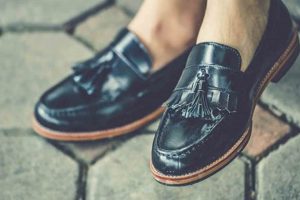
Footwear marketed toward men, manufactured without the use of any animal-derived materials, constitutes a specific product category. Examples of materials excluded from production include leather, suede, wool, and animal-based adhesives. These items are typically constructed from synthetic alternatives such as polyurethane (PU), microfiber, or recycled materials like plastic bottles.
The increasing demand for alternatives to traditional leather footwear stems from growing awareness of environmental and ethical considerations. Production methods avoid the environmental impacts associated with animal agriculture and tanning processes. Furthermore, individuals seeking cruelty-free products often prioritize these goods due to concerns about animal welfare in the fashion industry. Historically, finding durable and stylish non-leather options was a challenge, but advancements in material science have led to improvements in quality and aesthetic appeal.
This category of footwear encompasses a wide range of styles, from casual sneakers and dress shoes to boots and sandals. The subsequent sections will delve into specific material compositions, durability considerations, and the evolving landscape of consumer preferences within this segment of the footwear market.
Guidance on Selecting Appropriate Footwear
The following provides guidance for consumers considering the acquisition of alternatives to conventional leather footwear. Considerations range from material composition to intended use and long-term maintenance.
Tip 1: Material Verification: Prior to purchase, confirm the absence of animal-derived components. Examine product descriptions and labels for assurances regarding the composition of both the upper and the sole. Contact the manufacturer directly if clarification is required.
Tip 2: Intended Application Assessment: Align the chosen footwear with its intended use. Heavy-duty work environments necessitate robust materials such as reinforced PU, while casual settings may accommodate more flexible microfiber alternatives.
Tip 3: Durability Evaluation: Assess the anticipated lifespan of the product based on its construction and material quality. Products incorporating high-density synthetics and reinforced stitching tend to exhibit greater resistance to wear and tear.
Tip 4: Sole Construction Examination: The sole should be resistant to abrasion and provide adequate traction. Thermoplastic rubber (TPR) and vulcanized rubber are commonly employed for soles, offering a balance of durability and grip.
Tip 5: Comfort Considerations: Ensure adequate internal cushioning and support. Insoles made from memory foam or orthotic-grade materials can enhance comfort, particularly during extended periods of wear.
Tip 6: Ethical Sourcing Investigation: Research the manufacturer’s ethical and environmental practices. Companies that prioritize sustainable manufacturing processes and fair labor standards contribute to a more responsible supply chain.
Tip 7: Maintenance Protocol Adherence: Implement a consistent cleaning and maintenance routine. Regular cleaning with appropriate cleaning agents prolongs the lifespan of the product and maintains its aesthetic appeal.
Careful consideration of these factors contributes to informed purchasing decisions, ensuring both product suitability and alignment with individual values.
The subsequent sections will address specific types of footwear and their respective suitability for various activities and environments.
1. Material Composition

The selection of materials fundamentally defines the characteristics and viability of non-animal-derived footwear for men. The composition directly influences durability, comfort, aesthetic appeal, and environmental impact, determining the overall suitability of the product.
- Polyurethane (PU) and Polyvinyl Chloride (PVC)
These synthetic polymers offer water resistance and can be molded into various textures to mimic leather. However, their production can involve environmentally harmful processes, and their biodegradability is limited. The specific type of PU or PVC used significantly affects flexibility and resistance to abrasion.
- Microfiber
Microfiber, composed of tightly woven synthetic fibers, provides a soft and breathable alternative to leather. Its durability is dependent on the quality of the fibers and the weaving technique. High-grade microfiber can closely resemble the texture and suppleness of natural leather while offering enhanced water resistance and ease of maintenance.
- Recycled Materials
The incorporation of recycled materials, such as recycled plastic bottles (rPET) or recycled rubber, addresses environmental concerns. rPET can be processed into durable textiles used for uppers and linings. Recycled rubber finds application in outsoles, reducing reliance on virgin materials. The performance characteristics of recycled materials are contingent upon the recycling process and the quality of the input materials.
- Natural and Plant-Based Materials
Innovations include the utilization of materials derived from plants, such as pineapple leaf fiber (Piatex), apple leather, and mushroom leather. These alternatives aim to reduce reliance on synthetic polymers and offer a more sustainable profile. The performance characteristics, including durability and water resistance, vary significantly depending on the specific material and processing techniques employed.
The interplay between these material options and manufacturing processes dictates the overall performance and sustainability of alternatives to leather footwear. Ongoing research and development continue to refine the properties and environmental footprint of these materials, influencing consumer choices and driving innovation within the sector.
2. Ethical Sourcing

Ethical sourcing, in the context of footwear produced without animal products for men, refers to the responsible procurement of raw materials and the adherence to fair labor practices throughout the entire supply chain. This aspect is integral to the value proposition for consumers concerned with social and environmental responsibility.
- Fair Labor Practices
Ensuring that workers involved in the manufacturing process receive fair wages, work in safe conditions, and are not subjected to forced or child labor is a core component. Independent audits and certifications, such as those provided by organizations like Fair Trade, can verify compliance. Non-compliance may result in reputational damage and consumer boycotts.
- Environmental Responsibility in Material Production
The production of synthetic materials, such as polyurethane and microfiber, and plant-based alternatives, such as Piatex, carries environmental consequences. Ethical sourcing necessitates minimizing the environmental impact through the use of sustainable manufacturing processes, responsible waste management, and reduced carbon emissions. Certifications like bluesign indicate adherence to stringent environmental standards.
- Transparency and Traceability
Complete transparency regarding the origin of materials and the various stages of production is crucial. Traceability systems allow consumers to track the journey of the product from raw material to finished item, ensuring accountability and enabling informed purchasing decisions. Blockchain technology is increasingly utilized to enhance supply chain visibility.
- Community Impact
Ethical sourcing extends beyond direct labor practices to encompass the broader impact on local communities. Supporting fair trade initiatives, investing in community development projects, and avoiding practices that displace or negatively affect local populations are important considerations. Businesses may partner with non-governmental organizations to address community needs.
The commitment to ethical sourcing within the realm of alternatives to leather footwear demonstrates a holistic approach to product development, encompassing not only the absence of animal-derived materials but also a dedication to social and environmental well-being. This commitment enhances brand reputation, fosters consumer trust, and contributes to a more sustainable and equitable global economy.
3. Durability
The longevity and resistance to wear of alternatives to traditional leather footwear marketed toward men represents a significant consideration for consumers. Durability directly influences the economic value and environmental impact of these products, as more durable items require less frequent replacement, reducing resource consumption and waste generation.
- Material Selection and Construction Techniques
The choice of materials and the methods employed in their assembly are primary determinants of durability. High-density synthetic polymers, reinforced stitching, and robust sole attachments contribute to increased resistance to abrasion, tearing, and delamination. Products utilizing lower-quality materials or substandard construction techniques typically exhibit reduced lifespans.
- Resistance to Environmental Factors
Exposure to environmental elements, such as moisture, ultraviolet radiation, and extreme temperatures, can accelerate the degradation of footwear materials. Products designed for outdoor use require specific treatments and material choices to enhance resistance to these factors. Water-resistant coatings, UV inhibitors, and temperature-stable adhesives are examples of features that contribute to enhanced durability in challenging environments.
- Sole Integrity and Tread Wear
The outsole is subjected to constant friction and impact, making its integrity a critical aspect of overall durability. Materials such as thermoplastic rubber (TPR) and vulcanized rubber offer varying degrees of abrasion resistance. Tread patterns designed for specific surfaces can also influence wear rates. Premature sole detachment or excessive tread wear reduces the functionality and lifespan of the product.
- Maintenance and Care Practices
Appropriate maintenance practices, including regular cleaning, conditioning, and repair, can significantly extend the lifespan. Neglecting these practices can accelerate material degradation and reduce resistance to wear. Adherence to manufacturer-recommended care guidelines is essential for maximizing the durability of the footwear.
The durability of footwear lacking animal-derived components is a multifaceted attribute influenced by material properties, construction methods, environmental factors, and user maintenance. Selecting products engineered for longevity and implementing proper care protocols contributes to both economic savings and reduced environmental impact.
4. Style Versatility
The availability of diverse styles within the segment of footwear produced without animal products is essential for broad consumer adoption. Limited stylistic options can hinder the appeal of these alternatives, restricting their market penetration. The expansion of design choices, therefore, directly influences consumer perception and purchase decisions. For instance, the presence of both formal dress shoes and athletic sneakers demonstrates a commitment to catering to varied lifestyle requirements. The absence of such diversity may confine these products to a niche market, diminishing their potential for widespread use.
Style versatility in men’s non-animal footwear directly addresses the need for adaptability across different social and professional settings. A selection of styles mirrors the spectrum of activities in which individuals engage. Consider the need for durable work boots in industrial environments versus the preference for elegant loafers in corporate settings. Brands that successfully offer a range of designs, from rugged outdoor models to minimalist casual shoes, enhance the practical value of their offerings. This adaptability fosters broader consumer engagement and acceptance. For example, companies that create stylish, yet durable vegan hiking boots expand the market beyond strictly urban consumers.
Ultimately, style versatility functions as a key factor in expanding the reach and impact of alternatives to traditional leather footwear. While ethical and environmental considerations drive initial interest, the availability of options compatible with diverse personal styles solidifies long-term consumer loyalty. Meeting the demand for stylistic variety, however, presents ongoing design and manufacturing challenges. Addressing these challenges will be critical to the continuing growth and acceptance of these alternatives within the broader footwear market.
5. Price Range

The price range associated with footwear produced without animal-derived materials and targeted towards men exhibits considerable variability, influenced by factors ranging from material composition and manufacturing complexity to brand reputation and marketing strategies. This range significantly impacts accessibility and consumer adoption of such products.
- Material Costs and Sourcing
The selection of materials directly influences production costs. Synthetic polymers, such as polyurethane, may offer lower initial material expenses compared to plant-based alternatives like pineapple leaf fiber. However, plant-based or recycled materials might command premium pricing due to specialized processing or limited availability. Ethical sourcing certifications also add to the overall material expenditure.
- Manufacturing Complexity and Labor Costs
The intricacy of design and manufacturing processes affects pricing. Complex constructions, such as those involving intricate stitching patterns or specialized sole attachments, necessitate skilled labor and advanced equipment, increasing production costs. Manufacturing locations with higher labor costs will translate to elevated retail prices.
- Brand Reputation and Marketing Expenses
Established brands with strong consumer recognition often command premium prices based on perceived quality and brand equity. Marketing campaigns, endorsements, and collaborations contribute to brand awareness but also increase overhead expenses, which are subsequently reflected in the product pricing. Newer or lesser-known brands may offer more competitive pricing to gain market share.
- Retail Channels and Distribution Costs
The distribution channel significantly affects the final price. Products sold directly to consumers through online platforms may offer cost savings by eliminating intermediaries. Conversely, products sold through brick-and-mortar retailers incur additional costs associated with rent, utilities, and staffing, leading to higher retail prices.
The interconnectedness of material costs, manufacturing processes, brand equity, and distribution channels shapes the multifaceted price landscape of this footwear category. Understanding these influences empowers consumers to make informed purchasing decisions, aligning their budgetary constraints with their ethical and performance expectations.
Frequently Asked Questions Regarding Vegan Shoes Mens
The following addresses common inquiries and misconceptions related to footwear produced without animal-derived materials, designed for men.
Question 1: Are non-animal material footwear options as durable as traditional leather counterparts?
Durability depends heavily on the materials and construction methods used. High-quality synthetic polymers and reinforced construction techniques can yield products comparable to or even exceeding the lifespan of leather footwear. Lower-quality materials will likely result in reduced durability.
Question 2: What materials are commonly used to construct footwear without animal-derived components?
Polyurethane (PU), microfiber, recycled plastics, and plant-based materials, such as pineapple leaf fiber (Piatex), are frequently employed. The specific material choice influences the product’s characteristics, including water resistance, breathability, and environmental impact.
Question 3: How can consumers verify that a product is truly free from animal-derived components?
Carefully examine product descriptions and labels. Look for certifications from recognized organizations verifying the absence of animal products. Contact the manufacturer directly for clarification if ambiguity exists. Scrutinize adhesives, linings, and other components that may be overlooked.
Question 4: Are the ethical considerations limited solely to the absence of animal products?
Ethical considerations extend beyond avoiding animal exploitation to encompass fair labor practices, environmental sustainability in material production, and transparency within the supply chain. Responsible brands prioritize these broader ethical dimensions.
Question 5: Does the elimination of animal products necessarily equate to a lower environmental impact?
Not necessarily. The environmental impact depends on the specific materials used and the manufacturing processes employed. Some synthetic materials have a significant carbon footprint, while responsibly sourced plant-based or recycled materials may offer a lower environmental impact.
Question 6: What is the typical price range for alternatives to traditional leather footwear?
Pricing varies significantly depending on brand reputation, material quality, manufacturing complexity, and distribution channels. Expect a range from budget-friendly options utilizing basic synthetics to premium offerings employing innovative materials and ethically sourced components.
Informed consumer choices, based on a thorough understanding of materials, manufacturing processes, and ethical considerations, are crucial for promoting the adoption of truly responsible footwear options.
The subsequent section explores brands and retailers specializing in this category.
vegan shoes mens
This exploration has elucidated the various facets of footwear marketed towards men and manufactured without animal-derived components. Key considerations encompass material composition, ethical sourcing practices, durability assessments, stylistic versatility, and price ranges, all of which collectively influence consumer purchasing decisions and the overall market landscape.
The continued evolution of material science, coupled with heightened consumer awareness regarding ethical and environmental implications, suggests a future trajectory characterized by increased demand for footwear devoid of animal products. Stakeholders must prioritize transparency, sustainability, and performance to solidify the long-term viability of this category. Active engagement in informed purchasing decisions is essential for driving positive change within the footwear industry.