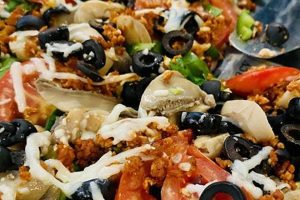
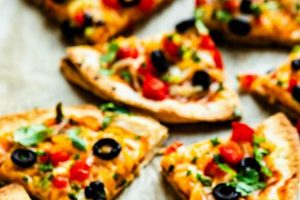
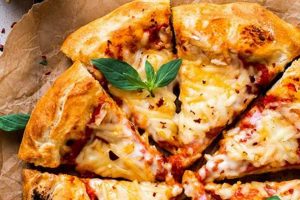
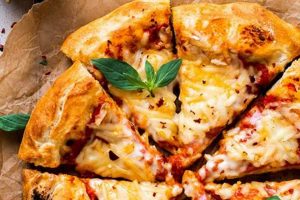
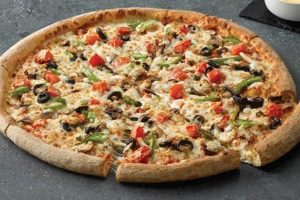
The availability of plant-based options at the nationwide pizza chain, Little Caesars, represents a shift in the fast-food landscape, catering to an increasing demand for meat- and dairy-free choices. Currently, the most accessible option for customers seeking such alternatives is a customized pizza, built upon the chain’s standard crust, with sauce and vegetable toppings, excluding cheese.
The significance of accessible vegan options lies in the broadening of dietary inclusivity. The presence of choices that align with vegan principles allows individuals adhering to such diets to participate in shared meals and social experiences more readily. Historically, the fast-food industry offered limited choices for these consumers. However, the growing awareness of health, environmental, and ethical concerns is prompting companies to offer more diverse menus.
The following sections will examine the components of a Little Caesars pizza relevant to a vegan diet, outlining specific ingredients and considerations to ensure a suitable meal selection. Furthermore, potential future developments in plant-based offerings at the chain will be discussed.
Guidance for Selecting a Suitable Pizza
The following tips provide clarity for customers navigating the menu at Little Caesars and constructing a pizza that aligns with plant-based dietary guidelines. Careful consideration of ingredients and preparation methods is essential.
Tip 1: Crust Verification: Little Caesars classic pizza dough may contain animal products or cross-contamination may occur, customers should inquire about the specific ingredients and preparation processes at the local restaurant to ensure compliance with dietary restrictions.
Tip 2: Sauce Evaluation: The standard pizza sauce is typically plant-based; however, verification is advised. Hidden animal-derived components may exist, therefore, confirm that the sauce is free from ingredients like whey or casein.
Tip 3: Cheese Omission: Request the pizza without cheese. The standard cheese blend is dairy-based, rendering it unsuitable. Specify “no cheese” when ordering.
Tip 4: Vegetable Selection: Load the pizza with an array of vegetable toppings. Most Little Caesars locations offer standard options like mushrooms, onions, green peppers, and tomatoes. These can substantially enhance the flavor and nutritional value of the pizza.
Tip 5: Cross-Contamination Awareness: Be mindful of potential cross-contamination during preparation. The same surfaces and utensils may be used for both plant-based and animal-based ingredients. Request that the pizza be prepared with clean equipment to minimize this risk.
Tip 6: Third-party Delivery Consideration: When ordering through third-party delivery services, clearly specify dietary requirements in the order notes. This helps to ensure that the restaurant understands and accommodates the requests appropriately.
Tip 7: Regional Variation Acknowledgment: Menu items and ingredient availability may vary by location. Contact the specific Little Caesars restaurant directly to confirm ingredients and preparation practices.
Adherence to these guidelines assists consumers in constructing an informed selection when seeking a plant-based option at Little Caesars. Open communication with restaurant staff is key to ensuring dietary needs are met.
The subsequent section will consider the potential for future advancements in Little Caesars’ menu to provide more readily accessible and clearly defined options for customers following a plant-based diet.
1. Crust Ingredients

The composition of the pizza crust is a foundational consideration when determining the suitability of Little Caesars pizza for individuals adhering to a plant-based diet. The presence or absence of animal-derived ingredients within the crust directly impacts its compliance with vegan principles.
- Dough Conditioners
Dough conditioners are frequently incorporated into pizza dough formulations to improve texture and elasticity. Some dough conditioners may contain L-cysteine, an amino acid that can be derived from animal sources, although plant-based and synthetic versions are also available. The specific source of L-cysteine within Little Caesars’ dough is a key determinant of its compatibility with a plant-based diet.
- Fats and Oils
Fats and oils contribute to the crust’s flavor, texture, and overall mouthfeel. Animal-derived fats, such as lard or butter, are not suitable. Plant-based oils, like soybean oil or olive oil, are acceptable alternatives, provided they are used exclusively and without cross-contamination.
- Leavening Agents
Leavening agents cause the dough to rise, resulting in a light and airy texture. While yeast is a plant-based leavening agent and generally acceptable, it is important to confirm that no dairy-based ingredients, such as whey, are incorporated into the leavening process or starter cultures.
- Additives and Preservatives
Various additives and preservatives may be included in the crust recipe to extend shelf life or enhance flavor. Certain additives, such as sodium caseinate (derived from milk), would render the crust unsuitable for vegans. Scrutinizing the ingredient list for any non-vegan additives is therefore necessary.
These facets collectively highlight the importance of transparency regarding crust ingredients. As the plant-based food sector expands, clarification from Little Caesars regarding the precise formulation of their pizza crust is increasingly pertinent. Without detailed ingredient information, consumers following plant-based diets must exercise caution and directly inquire about the composition of the crust at their local establishment to make informed decisions.
2. Sauce Composition
The composition of pizza sauce is a pivotal element in determining the overall suitability of Little Caesars pizza for individuals adhering to a plant-based diet. While seemingly straightforward, the sauce may contain hidden ingredients that compromise its adherence to vegan principles. Scrutinizing the components is, therefore, essential.
- Base Ingredients and Potential Animal Derivatives
The base of most pizza sauces consists of tomatoes, herbs, spices, and often, sugar and oil. However, certain formulations may incorporate animal-derived flavor enhancers or stabilizers. For instance, some sauces utilize whey (a milk derivative) or rendered animal fat to enhance the sauce’s richness. The presence of such ingredients immediately disqualifies the sauce as a plant-based option. Careful examination of the ingredient list or direct inquiry with the restaurant is necessary to confirm the absence of these components.
- Sugar Source and Processing
While sugar is a common ingredient in pizza sauce to balance acidity, the refining process of sugar can, in some cases, involve the use of bone char (derived from animal bones) to decolorize and purify the sugar. While the sugar itself does not contain bone char particles, some strict vegans may object to its use in processing. Inquiring about the sugar source and processing methods, though often difficult, provides a more comprehensive assessment of the sauce’s suitability.
- Artificial Flavors and Additives
Artificial flavors and additives are frequently used in commercially prepared sauces to enhance taste and extend shelf life. Certain artificial flavorings may be derived from animal sources or produced using animal byproducts. Furthermore, additives like carmine (a red food coloring derived from insects) are explicitly non-vegan. A thorough review of the ingredient list, with attention to unfamiliar or vaguely defined additives, is required.
- Cross-Contamination During Production
Even if the sauce’s listed ingredients are entirely plant-based, the potential for cross-contamination during manufacturing and preparation remains a concern. If the same equipment is used to process both vegan and non-vegan sauces without proper cleaning, trace amounts of animal products may be transferred. Requesting information about the manufacturer’s handling practices can mitigate this risk, although this information is not always readily available.
These factors highlight the complexities inherent in evaluating the plant-based status of pizza sauce. While a simple list of tomatoes, herbs, and spices suggests a vegan-friendly product, the presence of hidden animal derivatives, sugar processing methods, and the potential for cross-contamination necessitate a more discerning approach. Ultimately, informed choices rely on detailed ingredient information and a clear understanding of the production processes involved, directly impacting the selection for customers seeking a Little Caesars pizza that aligns with plant-based dietary practices.
3. Cheese exclusion

The absence of cheese is a fundamental requirement for any Little Caesars pizza intended for consumption by individuals adhering to a plant-based diet. Standard cheese blends used by the establishment are derived from dairy, thereby rendering them unsuitable for vegans. Consequently, a direct request for cheese omission is the primary action necessary to initiate the creation of a plant-based option. This action is not merely a preference but an essential element dictating whether the pizza conforms to vegan dietary restrictions.
The practical significance of understanding this requirement lies in the potential for customization. While Little Caesars does not currently offer a clearly defined vegan pizza on its standard menu, the ability to modify an existing pizza by excluding cheese provides a viable alternative. This exclusion allows individuals to then supplement the pizza with available plant-based toppings, such as vegetables and a suitable sauce (following the aforementioned considerations regarding sauce composition), effectively transforming a standard offering into a compatible meal. This customization is also contingent upon verifying that the crust and sauce do not contain any animal-derived ingredients.
In conclusion, cheese exclusion is the cornerstone of any attempt to create a vegan-friendly pizza at Little Caesars, representing a deliberate choice that aligns the meal with plant-based ethical and dietary principles. While challenges remain in ensuring all other ingredients are suitable and mitigating potential cross-contamination, omitting cheese is the initial and non-negotiable step. This simple act fundamentally alters the product, enabling its adaptation to a specific dietary need, thereby demonstrating the importance of consumer awareness and customization within the constraints of available fast-food options.
4. Vegetable Toppings
The selection and preparation of vegetable toppings are crucial elements in determining the suitability of a Little Caesars pizza for individuals adhering to a plant-based diet. While vegetables themselves are inherently plant-based, potential preparation methods and cross-contamination risks necessitate careful consideration.
- Variety and Availability
The availability of diverse vegetable toppings at a Little Caesars location directly impacts the nutritional value and overall satisfaction of a plant-based pizza. Common options include mushrooms, onions, green peppers, and tomatoes. However, the presence of less common vegetables, such as spinach or artichoke hearts, can enhance the meal’s nutritional profile and flavor complexity. Limited availability restricts customization and may reduce the appeal for those seeking a more substantial plant-based meal.
- Preparation Methods and Seasonings
Vegetables used as pizza toppings are often pre-cooked or seasoned before being added to the pizza. Certain preparation methods may involve the use of animal-derived fats or flavorings. For example, vegetables sauted in butter or seasoned with a bouillon containing animal products would render the topping unsuitable. Confirmation that the vegetables are prepared using plant-based oils and seasonings is essential.
- Cross-Contamination Risks
Similar to other pizza components, vegetable toppings are susceptible to cross-contamination during preparation and handling. If the same cutting boards, utensils, or containers are used for both plant-based and animal-based ingredients without proper cleaning, trace amounts of animal products may be transferred to the vegetables. Requesting that the vegetables be prepared separately or with clean equipment minimizes this risk.
- Nutritional Considerations
Vegetable toppings contribute essential vitamins, minerals, and fiber to a Little Caesars pizza. Selecting a diverse range of vegetables maximizes the nutritional benefits of the meal. Individuals following plant-based diets often rely on vegetables as a primary source of nutrients, making their presence and quality particularly important. The absence of cheese further emphasizes the role of vegetables in providing flavor and substance to the pizza.
These aspects collectively illustrate the significance of vegetable toppings in the context of plant-based dietary choices at Little Caesars. While vegetables inherently align with vegan principles, scrutiny of preparation methods, cross-contamination risks, and nutritional considerations ensures that the pizza adheres to dietary requirements and provides a satisfying meal. Open communication with restaurant staff regarding vegetable preparation practices is essential for informed decision-making.
5. Cross-contamination risks

The intersection of cross-contamination risks and plant-based choices at Little Caesars underscores a significant challenge in the fast-food industry. While customers may deliberately select ingredients aligning with a plant-based diet opting for vegetable toppings and requesting the omission of cheese the potential for unintended contact with animal-derived substances during food preparation poses a considerable concern. This contamination can occur via shared utensils, preparation surfaces, or even cooking equipment, thereby compromising the vegan status of the pizza.
The importance of understanding this risk becomes evident when considering the preparation environment. For example, if pizza dough is rolled out on a surface previously used for meat-containing pizzas, or if vegetable toppings are cut with a knife that has not been thoroughly cleaned after processing cheese, trace amounts of animal products can transfer to the supposedly plant-based pizza. The resulting product, while intentionally designed to be vegan, may inadvertently contain animal-derived particles, leading to a discrepancy between the customer’s expectations and the actual composition of the food. This extends beyond ethical considerations to potential health implications for individuals with severe allergies.
Mitigating cross-contamination risks within the Little Caesars framework necessitates vigilance on the part of both the consumer and the establishment. Customers should proactively inquire about preparation procedures and request that their pizza be made with dedicated equipment. Little Caesars, in turn, can implement clear protocols for handling plant-based orders, including separate preparation areas and utensils. By acknowledging and addressing these risks, stakeholders can work toward ensuring greater integrity and reliability within plant-based offerings, bridging the gap between dietary intent and practical execution.
6. Customization Options

The ability to modify existing menu items is paramount for individuals seeking plant-based options at Little Caesars. Given the absence of a clearly designated “little caesars pizza vegan” offering, customization becomes the primary avenue for creating a suitable meal. The degree and nature of these options directly influence the feasibility and desirability of a plant-based choice.
- Ingredient Substitution/Omission
The cornerstone of customizing a Little Caesars pizza for a plant-based diet lies in the ability to substitute or omit ingredients. Foremost is the necessity to exclude cheese, a standard dairy-based component. Furthermore, customers may need to request the substitution of sauce if the standard option contains animal-derived ingredients. Omission of meat toppings is also essential. The flexibility afforded in these substitutions directly dictates the viability of creating a compliant pizza.
- Topping Selection
Vegetable toppings represent the primary plant-based additions available for pizza customization. The range and quality of these toppings are critical. A broad selection of fresh, non-processed vegetables enables a nutritionally balanced and flavorful pizza. Limited vegetable options restrict the customer’s ability to create a satisfying meal, potentially deterring plant-based diners.
- Crust Variations (If Available)
While typically fixed, the option to select different crust types, should they exist, could impact the suitability of the pizza. Certain crust formulations may contain animal-derived ingredients. Access to ingredient information or the ability to choose a crust known to be plant-based expands customization options and increases the likelihood of finding a compliant meal.
- Special Instructions Accommodation
The willingness of Little Caesars staff to accommodate special instructions significantly influences the success of customization efforts. Clear communication regarding dietary requirements and requests for specific preparation methods, such as using clean utensils to mitigate cross-contamination risks, relies on staff responsiveness and understanding. Limitations in accommodating such requests can undermine the ability to create a reliably plant-based pizza.
These customization factors, acting in concert, determine the degree to which Little Caesars can cater to individuals adhering to plant-based diets. While the absence of a dedicated vegan menu item places greater emphasis on these options, their effectiveness hinges on ingredient transparency, topping availability, and the willingness of the establishment to accommodate specific dietary needs, ultimately defining the accessible plant-based experience.
7. Ingredient verification

Ingredient verification is intrinsically linked to the concept of a “little caesars pizza vegan” offering. The absence of a pre-defined vegan pizza necessitates a meticulous examination of each component. This process involves confirming the absence of animal-derived ingredients in the crust, sauce, and any additional toppings. For instance, the seemingly innocuous pizza dough might contain L-cysteine sourced from animal products, or the sauce could include whey as a thickening agent. The reliance on vegetable toppings requires assurance that those toppings are prepared without butter or animal-based flavorings. This step-by-step ingredient scrutiny is not merely a recommendation but a prerequisite for ensuring that the resulting pizza adheres to plant-based dietary standards. Without such verification, the presumption of a plant-based meal becomes untenable.
The practical application of ingredient verification extends beyond a simple review of listed ingredients. It involves direct communication with Little Caesars staff to inquire about specific preparation practices. The potential for cross-contamination during food preparation, for example, poses a critical challenge. Even if each individual ingredient is plant-based, shared utensils or cooking surfaces can introduce animal products. Therefore, asking about the use of separate cutting boards and pizza ovens for vegan orders is a tangible manifestation of ingredient verification in action. These queries highlight a proactive approach toward mitigating unforeseen sources of animal product contact and solidify the integrity of the vegan pizza.
In summary, the viability of a “little caesars pizza vegan” experience hinges directly upon rigorous ingredient verification. The complexities of fast-food preparation necessitate a consumer-driven process of questioning and confirming the plant-based status of each component and preparation method. This extends beyond passive acceptance of menu descriptions, demanding a proactive and informed engagement with the establishment to align dietary needs with the reality of food production processes. Addressing the challenges inherent in this verification process is crucial for fostering trust and reliability within plant-based fast-food options.
Frequently Asked Questions
This section addresses common inquiries and concerns regarding the availability of plant-based pizza options at Little Caesars.
Question 1: Does Little Caesars offer a clearly labeled vegan pizza on its menu?
No, a specifically designated and marketed vegan pizza is not currently a standard menu item at Little Caesars. Plant-based customers must customize existing options.
Question 2: What steps are necessary to create a plant-based pizza at Little Caesars?
Customization requires requesting the omission of cheese, a dairy-based product. Furthermore, the customer must verify the plant-based status of the crust and sauce, and ensure that vegetable toppings are prepared without animal products.
Question 3: Is the standard Little Caesars pizza crust suitable for vegans?
The suitability of the standard pizza crust depends on its ingredients and preparation methods. Some formulations may contain animal-derived components. Direct inquiry with the specific location is advised for ingredient confirmation.
Question 4: Are Little Caesars pizza sauces vegan?
The plant-based status of the pizza sauce requires verification. Certain sauces may contain animal-derived ingredients or be processed using animal byproducts. Ingredient list review or direct communication with the restaurant is recommended.
Question 5: How can cross-contamination risks be minimized when ordering a Little Caesars vegan pizza?
To mitigate cross-contamination risks, customers should request that their pizza be prepared using clean utensils and preparation surfaces. Explicitly stating dietary requirements when ordering, both in person and via third-party delivery services, is essential.
Question 6: Does ingredient availability vary by location?
Ingredient availability and preparation practices may vary regionally. Contacting the specific Little Caesars restaurant directly to confirm ingredient details is advisable.
In conclusion, creating a “little caesars pizza vegan” meal necessitates proactive communication and ingredient verification. Absent a designated menu item, customization and diligence are required to align dietary choices with available options.
The subsequent section will explore potential future developments in Little Caesars’ offerings to provide enhanced accessibility and clarity for customers seeking plant-based choices.
Little Caesars Pizza Vegan
This exploration has demonstrated that achieving a plant-based pizza at Little Caesars necessitates careful navigation of existing menu options. The absence of a dedicated vegan pizza compels consumers to engage in ingredient verification, request specific modifications, and remain mindful of potential cross-contamination. Factors such as crust composition, sauce ingredients, vegetable preparation methods, and regional variations significantly influence the suitability of a customized pizza for individuals adhering to a vegan diet.
As consumer demand for plant-based alternatives continues to grow, it is incumbent upon fast-food establishments to provide greater transparency and more clearly defined options. The potential for increased accessibility and standardization of vegan offerings at Little Caesars represents a significant opportunity to cater to a broadening customer base and promote dietary inclusivity within the fast-food landscape.