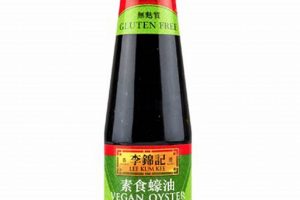
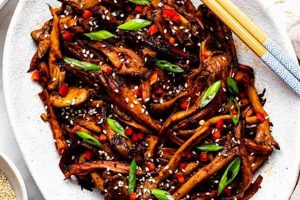
The phrase references a specific type of condiment formulation intended for use in quick-cooking dishes where ingredients are rapidly sauted in a wok or pan. This formulation omits animal-derived products, adhering to vegan dietary principles. It is a flavorful liquid blend designed to coat and season vegetables, tofu, or other plant-based proteins during the stir-frying process, imparting a characteristic savory and aromatic profile to the final dish. An example would be a mixture of soy sauce, maple syrup, rice vinegar, ginger, and garlic, combined to create a sweet and savory glaze.
Such culinary creations are valuable due to their alignment with ethical and dietary preferences, broadening the accessibility of stir-fry cuisine. They contribute to a more sustainable and inclusive food system by utilizing plant-based ingredients. Historically, stir-frying techniques have been a cornerstone of Asian cuisines; the adaptation to exclude animal products reflects evolving dietary needs and increased awareness of ethical consumption.
The following sections will detail the common ingredients found in these plant-based flavor enhancers, examine preparation techniques, discuss variations based on flavor profiles, and offer guidance on storage to ensure freshness and longevity.
Tips for Optimizing Plant-Based Stir-Fry Condiments
The following guidelines offer insights into crafting a high-quality condiment suitable for vegan stir-fry applications, ensuring optimal flavor and storage.
Tip 1: Ingredient Quality is Paramount: Select high-grade soy sauce or tamari (gluten-free alternative) as a base for authentic umami notes. Lower sodium versions may be preferred for controlled sodium intake.
Tip 2: Balancing Sweet and Savory: Employ natural sweeteners like maple syrup, agave nectar, or brown sugar sparingly. The goal is to complement the soy sauce’s salinity, not overpower it.
Tip 3: Incorporate Acidity for Complexity: Rice vinegar, lime juice, or even a touch of balsamic vinegar contribute to a balanced flavor profile. Acidity cuts through richness and brightens the overall taste.
Tip 4: Aromatic Foundation: Fresh ginger and garlic are essential aromatics. Mince or grate them finely for even distribution and optimal flavor release during the stir-frying process.
Tip 5: Thickening Considerations: A slurry of cornstarch or arrowroot powder and water provides a thickening effect when added towards the end of cooking. Avoid over-thickening, as the sauce should coat, not clump.
Tip 6: Spice Enhancement: Red pepper flakes, sriracha, or gochujang introduce varying levels of heat. Adjust the quantity according to desired spiciness.
Tip 7: Umami Boosters: Nutritional yeast or dried shiitake mushroom powder can be added to enhance the savory depth, particularly beneficial for those seeking a richer flavor.
Effective plant-based stir-fry condiments rely on a harmonious blend of high-quality ingredients, thoughtfully balanced flavors, and precise application techniques.
The subsequent section will explore specific recipes and variations, providing practical examples of the principles outlined above.
1. Flavor balancing

Flavor equilibrium is a crucial aspect in the formulation of plant-based condiments intended for stir-frying applications. The successful creation of such a sauce necessitates a delicate interplay of distinct taste sensations, compensating for the absence of animal-derived ingredients typically relied upon for richness and depth.
- Umami and Savory Foundation
Plant-based stir-fry condiments often employ ingredients such as soy sauce, tamari, or miso paste to provide umami, a savory flavor profile critical for mimicking the depth found in traditional sauces. These ingredients contribute glutamates, naturally occurring amino acids that stimulate taste receptors, creating a satisfying and complex base flavor. Over-reliance on these ingredients, however, can lead to excessive saltiness, underscoring the need for careful calibration.
- Sweetness as a Counterpoint
The inclusion of sweetness acts as a counterpoint to the savory foundation. Natural sweeteners like maple syrup, agave nectar, or brown sugar offer a balanced contrast, preventing the sauce from becoming overwhelmingly salty or bitter. The type of sweetener used also influences the overall flavor profile, with maple syrup imparting a distinct caramel note, while agave nectar provides a more neutral sweetness.
- Acidity for Brightness and Complexity
Acidity plays a crucial role in brightening the overall flavor and adding complexity. Ingredients such as rice vinegar, lime juice, or even a small amount of balsamic vinegar contribute sharpness and prevent the condiment from tasting flat or one-dimensional. The acidity also serves to cut through the richness of the oils used in stir-frying, creating a more refreshing and palatable final dish.
- Aromatic Integration
Aromatics such as ginger, garlic, and chili peppers introduce layers of complexity and enhance the overall sensory experience. Freshly minced or grated ginger and garlic provide pungent and warm notes, while chili peppers contribute varying degrees of heat. The careful incorporation of these aromatics elevates the sauce beyond simple savory, sweet, and sour components, creating a more nuanced and compelling flavor profile.
Ultimately, the successful creation of a flavorful plant-based condiment for stir-frying depends on a meticulous balancing of these four core elements. By carefully calibrating the umami, sweetness, acidity, and aromatics, it is possible to achieve a complex and satisfying flavor profile that complements and enhances the plant-based ingredients used in the stir-fry dish.
2. Ingredient selection

Ingredient selection stands as a foundational determinant in the creation of a plant-based condiment suitable for stir-frying. The choice of components directly impacts the resultant flavor profile, nutritional value, and adherence to vegan dietary principles. Strategic ingredient selection is thus crucial for a successful culinary outcome.
- Base Liquid Selection
The base liquid, typically soy sauce or its gluten-free alternative, tamari, provides foundational umami. The sodium content within these bases necessitates careful consideration, with low-sodium varieties offering a healthier alternative. Substituting with coconut aminos introduces a sweeter, less salty profile. The base directly dictates the initial flavor characteristic of the sauce, influencing subsequent ingredient choices.
- Sweetener Alternatives
Refined sugar is typically eschewed in favor of natural sweeteners. Maple syrup imparts a distinct caramel undertone, while agave nectar provides a more neutral sweetness. Date syrup, another option, contributes a richer, molasses-like flavor. The choice of sweetener affects not only the taste but also the sauce’s viscosity and color.
- Acidic Components
Acidity serves to balance the savory and sweet elements. Rice vinegar, apple cider vinegar, or lime juice are common selections. Each imparts a subtly different tanginess; rice vinegar offers a milder profile, while lime juice provides a brighter zest. The acidic component influences the overall perception of freshness and complexity.
- Aromatic Infusion
Fresh aromatics, such as ginger and garlic, are often incorporated. Dried alternatives can be used, albeit with a potential reduction in intensity. Chili peppers, in varying forms (flakes, paste, fresh), provide heat. The selection and preparation (minced, grated, infused) of these aromatics significantly influence the sauce’s depth and character.
The interplay of these ingredients, guided by a nuanced understanding of their individual contributions, enables the creation of a tailored plant-based stir-fry condiment. Careful ingredient selection, therefore, represents a critical step in achieving a desired flavor profile while adhering to vegan principles.
3. Thickening agents

The role of thickening agents in vegan stir-fry condiments is functionally significant. A proper viscosity allows the sauce to cling to stir-fried ingredients, imparting flavor evenly. Without a thickening agent, the liquid portion of the condiment may pool at the bottom of the pan, failing to adequately coat the vegetables or plant-based proteins. This results in an uneven distribution of flavor, diminishing the overall culinary experience. Cornstarch, arrowroot powder, and tapioca starch are common plant-derived thickening agents employed to achieve this desired consistency. For example, a stir-fry utilizing a sauce primarily composed of soy sauce, ginger, and garlic may benefit from a cornstarch slurry added near the end of the cooking process to create a glossy glaze that adheres to the ingredients. Improper or absent thickening can result in a watery dish lacking the characteristic richness and depth expected of a stir-fry.
Furthermore, the choice of thickening agent can influence the final texture and appearance of the stir-fry. Cornstarch tends to produce a slightly opaque glaze, while arrowroot powder yields a clearer finish. The amount of thickening agent used is also critical; excessive amounts can result in a gloppy, unappetizing texture, while insufficient amounts will fail to provide the desired clinging effect. Adjusting the quantity of the thickening agent according to the specific recipe and desired consistency is thus essential. Practical application involves creating a slurry of the chosen thickening agent with cold water before adding it to the hot sauce. This prevents clumping and ensures even distribution throughout the mixture.
In summary, thickening agents are an integral component of vegan stir-fry condiments, impacting flavor distribution, texture, and visual appeal. Their careful selection and application are vital for achieving a well-balanced and palatable dish. Challenges arise in determining the appropriate amount and type of thickening agent for specific recipes, requiring culinary experimentation and a nuanced understanding of their individual properties. The strategic use of thickening agents directly contributes to the overall success of vegan stir-fry cooking.
4. Aromatic infusion

Aromatic infusion represents a critical stage in the creation of a palatable vegan stir-fry condiment. The incorporation of aromatic compounds, derived primarily from ingredients such as ginger, garlic, shallots, and various spices, imparts depth and complexity to the sauce, compensating for the absence of animal-derived fats and proteins that typically contribute richness to non-vegan equivalents. For instance, finely minced garlic, when heated in oil, releases allicin, a compound responsible for its characteristic pungent aroma. This aroma permeates the sauce, enhancing its sensory appeal and stimulating appetite. The degree of aromatic intensity directly influences the overall flavor profile; insufficient aromatic infusion can result in a bland, uninspiring condiment, while excessive infusion may create an overpowering and unbalanced taste.
The method of aromatic infusion also plays a significant role. Sauting aromatics in oil prior to combining them with other sauce ingredients allows for the extraction of volatile aromatic compounds, resulting in a more intense and nuanced flavor. Alternatively, adding aromatics directly to the sauce without pre-cooking results in a milder, fresher aroma. The choice of oil used for sauting also affects the final flavor; sesame oil, for example, imparts a distinct nutty aroma, while a neutral vegetable oil allows the aromatics to shine through. Furthermore, the timing of aromatic addition is crucial; adding delicate herbs like cilantro or basil towards the end of the cooking process preserves their volatile oils, ensuring a bright and fresh aroma.
In conclusion, aromatic infusion is an indispensable aspect of vegan stir-fry condiment preparation. Careful consideration of ingredient selection, infusion method, and timing allows for the creation of a balanced and flavorful sauce that enhances the overall stir-fry experience. Overcoming the challenge of replicating the richness of non-vegan sauces relies, in large part, on the skillful manipulation of aromatic compounds, highlighting the practical significance of understanding this process. The strategic deployment of aromatic infusion elevates a simple plant-based sauce to a complex and satisfying culinary component.
5. Sodium control

Sodium control is a critical consideration in the formulation of plant-based stir-fry condiments. Excessive sodium intake is linked to various adverse health outcomes, and commercially available condiments often contain high levels. Therefore, managing sodium content becomes particularly relevant when creating these flavor enhancers, ensuring both palatability and nutritional responsibility.
- Base Ingredient Impact
Soy sauce and tamari, frequently employed as base ingredients, are significant sources of sodium. Opting for reduced-sodium versions of these products is a primary strategy for controlling overall sodium content. For example, substituting regular soy sauce with a low-sodium alternative can reduce the sodium concentration by as much as 40%, directly impacting the final sodium level of the condiment. This simple modification can significantly contribute to a healthier dietary profile. The impact of the base ingredient influences the entire sauce formula because it is often the main component.
- Balancing Flavors Without Salt
Achieving a balanced flavor profile without relying solely on salt requires strategic use of other flavor enhancers. Acidic ingredients, such as rice vinegar or lemon juice, can brighten the taste and reduce the need for added sodium. Aromatic compounds from garlic, ginger, and spices also contribute complexity and depth, compensating for the absence of salt. For instance, adding a small amount of chili flakes not only provides heat but also distracts from the perception of lower sodium levels. Flavor enhancers can be added to reduce salt but only carefully to avoid flavor imbalance.
- Homemade Versus Commercial Options
Preparing the condiment from scratch allows for complete control over ingredient selection and sodium levels, in contrast to commercial options, which often prioritize shelf stability and flavor consistency over nutritional considerations. Homemade recipes provide the flexibility to adjust sodium content to individual preferences and dietary needs. The convenience of commercial options often comes at the cost of less control over sodium, which makes preparation from scratch often better.
- Impact on Dietary Restrictions
Controlling sodium is especially crucial for individuals with specific dietary restrictions, such as those managing hypertension or kidney disease. Plant-based condiments with lower sodium levels offer a healthier alternative for these populations, allowing them to enjoy flavorful stir-fries without compromising their health. Sodium-controlled sauces allow people with high blood pressure to more freely consume foods.
Effective sodium control in plant-based stir-fry condiments involves a multifaceted approach, encompassing careful ingredient selection, strategic flavor balancing, and a consideration of individual dietary needs. By prioritizing these aspects, it is possible to create both flavorful and health-conscious sauces that contribute to a balanced dietary intake. A carefully crafted homemade or store-bought sauce can also have an impact on individual health conditions and dietary choices.
6. Sweetness sources

The selection of sweetness sources within a plant-based stir-fry condiment formulation significantly impacts the final flavor profile and suitability for various dietary needs. The inclusion of a sweet element is essential for counterbalancing the inherent saltiness of soy sauce or tamari, providing a more rounded and palatable taste experience. Common vegan-compliant sweeteners include maple syrup, agave nectar, brown sugar, and date syrup, each contributing unique characteristics to the overall sauce composition. The type and quantity of sweetener selected can alter not only the perceived sweetness but also the viscosity, color, and aromatic qualities of the finished condiment. For instance, maple syrup imparts a distinctive caramel undertone, while agave nectar provides a more neutral sweetness. Therefore, the choice of sweetness source is a critical determinant in shaping the final sensory attributes of the preparation.
The careful consideration of sweetness sources extends beyond simple flavor balancing to encompass nutritional implications. Refined white sugar, while vegan, is often avoided due to its high glycemic index and lack of nutritional value. Natural sweeteners like maple syrup and date syrup, while still containing sugars, offer trace amounts of vitamins and minerals. Furthermore, the intensity of sweetness varies between these options; agave nectar, for example, is significantly sweeter than brown sugar, requiring a smaller quantity to achieve the same level of perceived sweetness. This necessitates precise measurement and adjustment to prevent the sauce from becoming overly saccharine or masking other flavor components. Substituting one sweetener for another directly affects how the sauce balances the other flavors.
In summary, the selection of sweetness sources within a plant-based stir-fry condiment is a nuanced process, demanding an understanding of both flavor dynamics and nutritional considerations. The appropriate choice can elevate the sauce from a simple seasoning to a complex and satisfying element of the dish. Challenges arise in balancing the desire for a naturally sweetened product with the need to maintain optimal flavor profiles and viscosity. Careful experimentation and precise measurement are essential for achieving a harmonious blend of sweet, savory, and umami elements in the final preparation, highlighting the practical significance of informed sweetener selection. The sweetness balances the flavor profile of the sauce, which needs to be carefully considered.
7. Storage stability
Storage stability is a critical factor in the formulation and preparation of plant-based stir-fry condiments. It dictates the length of time the sauce remains palatable, safe for consumption, and retains its intended flavor profile, color, and texture. Various factors influence storage stability, necessitating careful consideration of ingredient selection and preservation techniques.
- Ingredient Composition and Microbial Growth
The types of ingredients used directly affect a sauce’s susceptibility to microbial growth. Fresh ingredients like garlic and ginger, while contributing desirable flavors, contain moisture that can foster the proliferation of bacteria, yeasts, and molds. Conversely, ingredients with inherent antimicrobial properties, such as vinegar and soy sauce, inhibit microbial activity, extending shelf life. A stir-fry condiment relying heavily on fresh, unprocessed ingredients typically exhibits a shorter shelf life compared to one utilizing preserved or dried components. For example, a sauce made with fresh garlic and no preservatives may only last a few days in the refrigerator, while a sauce with vinegar and properly processed ingredients could last weeks.
- pH Level and Preservation
The pH level of the condiment acts as a significant determinant of storage stability. Lower pH values, indicative of higher acidity, inhibit microbial growth. The addition of acidic ingredients, such as vinegar or citrus juice, can effectively lower the pH and extend the shelf life of the sauce. For example, increasing the proportion of rice vinegar in a recipe can naturally preserve the product without the need for artificial preservatives. Understanding the acid-base chemistry and its practical application plays a pivotal role in ensuring a shelf-stable formulation.
- Packaging and Environmental Factors
The packaging material and storage environment significantly impact the longevity of the condiment. Airtight containers prevent oxidation and reduce exposure to airborne microorganisms. Refrigeration slows down enzymatic reactions and microbial growth, prolonging the freshness and flavor of the sauce. For instance, storing the condiment in a sterilized glass jar in the refrigerator significantly extends its shelf life compared to storing it in a loosely covered container at room temperature. The right selection for the storage container is paramount for safety and freshness.
- Impact of Emulsifiers and Stabilizers
Emulsifiers and stabilizers can prevent separation of ingredients and maintain a homogenous texture over time. In plant-based stir-fry condiments, the separation of oil and water-based components is a common issue that impacts visual appeal and texture. Natural emulsifiers like lecithin or xanthan gum can improve stability and prevent this separation, extending the usable life of the sauce. These components are essential to maintain the shelf life of the mixture and ensure consistent quality over time.
In summary, the storage stability of a plant-based stir-fry condiment is a function of ingredient composition, pH level, packaging, and the inclusion of stabilizing agents. A comprehensive approach to these factors is essential for creating a sauce that maintains its quality and safety over an extended period. Ignoring the intricacies of storage stability increases the risk of spoilage and compromise the culinary experience.
Frequently Asked Questions
The following addresses common inquiries regarding the formulation, application, and storage of plant-based condiments specifically designed for stir-frying applications.
Question 1: What are the primary substitutes for common non-vegan ingredients in stir-fry condiments?
Common non-vegan components, such as oyster sauce or fish sauce, are typically replaced with ingredients like soy sauce, tamari (gluten-free alternative), or miso paste to provide umami flavor. Vegetarian Worcestershire sauce can substitute for traditional varieties. Natural sweeteners, such as maple syrup or agave nectar, replace honey.
Question 2: How can the sodium content be effectively managed in homemade plant-based stir-fry condiments?
Sodium content can be mitigated by using low-sodium soy sauce or tamari. Increasing the proportion of acidic ingredients, such as rice vinegar or citrus juice, can also balance the flavor and reduce the need for additional salt. Incorporating aromatic compounds from garlic, ginger, and spices enhances complexity without relying on sodium.
Question 3: What thickening agents are suitable for achieving the desired consistency in these sauces?
Cornstarch, arrowroot powder, and tapioca starch serve as effective plant-derived thickening agents. These are typically mixed with cold water to create a slurry before being added to the hot sauce. Care should be taken to avoid over-thickening, which can result in an undesirable texture.
Question 4: What is the recommended storage method to maximize the shelf life of a plant-based stir-fry condiment?
The sauce should be stored in an airtight container in the refrigerator. Proper sealing prevents oxidation and microbial contamination. Sterilized glass jars are preferable for long-term storage. Properly stored, homemade condiments can typically last for one to two weeks.
Question 5: Can the flavor profile of a plant-based stir-fry condiment be adjusted to accommodate specific dietary preferences, such as gluten-free or low-sugar diets?
Yes. Tamari can replace soy sauce to create a gluten-free variant. Sugar-free sweeteners, like erythritol or stevia, can be used in moderation to reduce sugar content, although potential flavor alterations should be considered. The balance of acidic and savory components can also be adjusted to compensate for changes in sweetness.
Question 6: How does the selection of oil impact the overall flavor of a plant-based stir-fry dish?
Neutral oils, such as canola or vegetable oil, allow the flavors of the sauce and other ingredients to predominate. Sesame oil contributes a distinct nutty aroma and is often used in smaller quantities to enhance the overall flavor profile. The oil selection should complement, not overpower, the other components of the dish.
A comprehensive understanding of ingredient properties, preservation techniques, and flavor balancing principles is crucial for creating successful plant-based stir-fry condiments.
The subsequent section delves into specific recipe variations, offering practical examples of the principles discussed above and addressing different flavor preferences.
Conclusion
The preceding analysis has explored the key considerations surrounding the formulation, application, and preservation of plant-based condiments for stir-frying applications. The effectiveness of any stir fry sauce vegan recipe hinges on a careful balance of flavor, a strategic selection of ingredients, and a thorough understanding of preservation techniques to ensure both palatability and safety. The absence of animal-derived ingredients necessitates a nuanced approach to flavor development, emphasizing umami, acidity, and aromatic compounds to achieve a satisfying culinary outcome.
The information presented serves as a foundation for further exploration and experimentation in the realm of plant-based cuisine. Continued refinement of these techniques will contribute to the development of more sustainable, ethical, and inclusive culinary practices. Further investigation into novel plant-derived flavor enhancers and preservation methods holds the potential to expand the possibilities within this domain, benefiting both culinary professionals and home cooks alike.