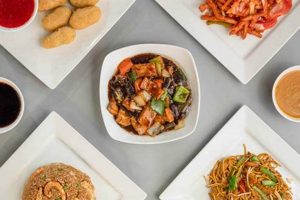
Establishments offering exclusively plant-based cuisine are increasingly prevalent across the Italian peninsula. These dining locations cater to individuals adhering to vegan dietary principles, providing alternatives to traditional dishes typically containing animal products. The menus feature preparations utilizing vegetables, fruits, legumes, grains, nuts, and seeds to replicate classic Italian flavors and introduce innovative culinary creations.
The rising demand for establishments specializing in plant-based fare reflects a growing awareness of ethical, environmental, and health considerations associated with food choices. This culinary trend provides options for residents and tourists seeking alternatives that align with specific dietary requirements or personal values. Historically, while Italian cuisine is known for its use of dairy and meat, regional variations incorporating abundant vegetables have always existed, providing a foundation for this current evolution.
The subsequent sections will delve into geographical distribution, menu variations, popular ingredients, price ranges, and customer reviews of these establishments, offering a comprehensive overview of the plant-based dining landscape in Italy. This exploration aims to provide a detailed resource for understanding this increasingly significant aspect of the Italian culinary scene.
Essential Considerations for Plant-Based Dining in Italy
Navigating the Italian culinary scene as a plant-based diner requires careful planning and awareness. The following tips are designed to enhance the dining experience and ensure satisfaction.
Tip 1: Utilize Online Resources: Consult dedicated websites and applications that specialize in cataloging plant-based establishments. User reviews and ratings can provide valuable insights into menu offerings and overall quality.
Tip 2: Master Key Phrases: Familiarize oneself with essential Italian phrases related to dietary restrictions. Specifically, knowing how to inquire about the presence of dairy, eggs, or honey in dishes is crucial.
Tip 3: Explore Regional Variations: Be aware that plant-based options may vary significantly across different regions. Some areas, particularly in Southern Italy, may offer more naturally plant-based dishes due to the prevalence of vegetable-centric cuisine.
Tip 4: Inquire About Modifications: Do not hesitate to request modifications to existing menu items. Many establishments are willing to accommodate dietary needs by omitting certain ingredients or substituting plant-based alternatives.
Tip 5: Embrace Local Markets: Visiting local markets can provide opportunities to purchase fresh, seasonal produce and create meals independently. This allows for complete control over ingredients and ensures compliance with dietary restrictions.
Tip 6: Seek Out Specialized Establishments: Prioritize dining at establishments that exclusively offer plant-based cuisine. These locations are more likely to have knowledgeable staff and diverse menu options.
Tip 7: Verify Ingredient Lists: Carefully examine ingredient lists when purchasing packaged foods or snacks. Italian labeling standards may differ from those in other regions, requiring diligent scrutiny.
By adhering to these suggestions, individuals can navigate the Italian culinary landscape with greater confidence and discover a diverse range of plant-based dining experiences. Proactive planning and clear communication are essential for a successful experience.
The subsequent section will offer insights into specific regional specialties and notable plant-based establishments across Italy.
1. Geographical Distribution

The prevalence and characteristics of establishments offering exclusively plant-based cuisine across Italy are directly influenced by geographical distribution. Regional variations in culinary traditions, agricultural practices, and consumer preferences contribute significantly to the availability and style of these dining locations. For example, regions with a strong tradition of vegetable cultivation, such as Puglia and Sicily, tend to exhibit a higher concentration of establishments featuring dishes inherently suitable for plant-based diets. These areas often showcase seasonal produce in simple, yet flavorful preparations, reflecting the local agricultural abundance. Conversely, regions known for dairy or meat production may present a greater challenge for individuals seeking plant-based options, necessitating a more deliberate search for specialized establishments.
Furthermore, urban centers typically exhibit a higher density of plant-based establishments compared to rural areas. Cities like Milan, Rome, and Florence, with their diverse populations and exposure to international culinary trends, attract a wider range of dining options catering to specific dietary needs. These urban locales often feature establishments offering innovative interpretations of Italian classics, as well as international cuisines adapted to plant-based principles. The economic factors prevalent in different regions also play a role, influencing the price point and accessibility of these dining experiences. Regions with higher disposable incomes may support a greater number of upscale establishments specializing in gourmet plant-based cuisine.
In summary, geographical distribution is a critical factor determining the landscape of plant-based dining. Understanding the culinary traditions, agricultural practices, and economic conditions of specific regions provides essential context for navigating and appreciating the diversity of plant-based options available across the country. Further research into regional specialties and local market offerings can enhance the dining experience and provide a deeper appreciation for the connection between geography and culinary innovation.
2. Menu Composition

The arrangement and content of menus within establishments offering exclusively plant-based cuisine in Italy are pivotal in defining the dining experience and catering to diverse consumer expectations. Menu composition reflects both culinary creativity and adherence to specific dietary principles, significantly impacting customer satisfaction and the overall perception of plant-based dining.
- Replication of Traditional Dishes
A key aspect of menu composition involves recreating classic Italian dishes using plant-based ingredients. Examples include pasta dishes made with egg-free pasta, risotto incorporating plant-based butter alternatives, and reimagined versions of pizza featuring plant-based cheeses and toppings. The success of these replications hinges on the ability to maintain the flavors and textures associated with traditional Italian cuisine while adhering to plant-based dietary restrictions.
- Utilization of Seasonal Ingredients
Plant-based menus often emphasize the use of fresh, seasonal ingredients, reflecting the availability of local produce. Spring menus may feature dishes incorporating asparagus, artichokes, and fava beans, while autumn menus showcase pumpkins, mushrooms, and truffles. This approach not only supports local farmers but also enhances the flavor and nutritional value of the dishes, highlighting the versatility of plant-based cuisine.
- Inclusion of International Influences
While rooted in Italian culinary traditions, plant-based menus may also incorporate international influences, reflecting the global nature of plant-based cuisine. Examples include the incorporation of Asian-inspired stir-fries, Middle Eastern-inspired falafel dishes, or South American-inspired empanadas. This fusion of culinary styles can broaden the appeal of these establishments and cater to diverse palates.
- Nutritional Considerations and Transparency
Menu composition may reflect a commitment to nutritional transparency, with detailed information about ingredients, macronutrient content, and potential allergens. This information empowers consumers to make informed choices based on their individual dietary needs and preferences. Furthermore, menus may highlight the health benefits associated with specific dishes, emphasizing the nutritional advantages of plant-based eating.
Ultimately, the menu of an establishment offering exclusively plant-based cuisine serves as a crucial communication tool, conveying the culinary philosophy, commitment to dietary principles, and overall dining experience. The thoughtful combination of traditional replications, seasonal ingredients, international influences, and nutritional considerations contributes to the success and appeal of these establishments within the Italian culinary landscape.
3. Ingredient Sourcing

Ingredient sourcing constitutes a foundational element within the operational framework of establishments offering exclusively plant-based cuisine across Italy. The selection of raw materials directly impacts the quality, flavor profile, and overall sustainability of these establishments. The commitment to plant-based principles necessitates a careful consideration of suppliers and agricultural practices. Utilizing local farms, when feasible, reduces transportation costs and supports regional economies. Furthermore, selecting organic produce minimizes exposure to synthetic pesticides and aligns with environmentally conscious consumer expectations. The origin of ingredients significantly influences the authenticity and perceived value of the culinary experience. For example, an establishment advertising tomatoes sourced from San Marzano inherently conveys a commitment to quality and regional specificity, enhancing its appeal to discerning clientele.
The practical implications of ingredient sourcing extend beyond mere taste and nutritional value. Ethical considerations play a prominent role, influencing decisions regarding fair labor practices and the environmental impact of agricultural methods. Establishments committed to sustainable practices may prioritize suppliers who adhere to ethical farming standards, ensuring fair wages and safe working conditions for agricultural laborers. The sourcing of plant-based substitutes, such as tofu or tempeh, requires scrutiny to ensure ethical production and sustainable sourcing of soy. The transparency of supply chains is increasingly valued by consumers, prompting establishments to openly communicate their ingredient sourcing practices. This transparency fosters trust and strengthens the connection between the establishment and its clientele.
In conclusion, ingredient sourcing represents a critical component of success for establishments offering exclusively plant-based cuisine. It is a multifaceted decision encompassing ethical considerations, quality control, and economic factors. The transparency and integrity of the supply chain influence consumer perception and contribute to the overall sustainability of the establishment. The careful selection of raw materials directly translates to a superior culinary experience and reinforces the commitment to plant-based principles.
4. Price Variance

Price variance within establishments offering exclusively plant-based cuisine across Italy is a multifaceted phenomenon, influenced by an interplay of factors. Ingredient sourcing, geographical location, establishment ambiance, and menu complexity all contribute to the diverse price points encountered. The cost of organic produce, specialty plant-based alternatives (such as artisanal vegan cheeses), and imported ingredients inherently elevate menu prices. Establishments utilizing primarily locally-sourced, seasonal ingredients may offer more accessible pricing, particularly in regions with abundant vegetable production. The geographical location exerts a considerable influence; restaurants in major metropolitan areas or popular tourist destinations typically command higher prices compared to those in smaller towns or rural settings. Restaurants with upscale ambiance, extensive wine lists, and attentive service often reflect these investments in their pricing structure. Furthermore, menus featuring elaborate, multi-course tasting menus or innovative culinary creations will generally be priced higher than establishments offering simpler, more casual fare. For instance, a fine-dining establishment in Milan specializing in molecular gastronomy with plant-based ingredients will invariably be more expensive than a trattoria in rural Puglia serving traditional vegetable-based dishes.
The understanding of price variance is critical for both restaurant owners and consumers. Restaurant owners must carefully consider their target market, cost structure, and competitive landscape when establishing pricing strategies. Accurately assessing ingredient costs, labor expenses, and overhead expenses is essential for ensuring profitability while remaining competitive. Consumers benefit from understanding the factors driving price variance, enabling them to make informed decisions based on their budget and preferences. Utilizing online resources, comparing menu prices, and reading customer reviews can assist in identifying establishments that offer a balance of quality and affordability. The increasing availability of diverse plant-based options across Italy presents consumers with a wide spectrum of choices, ranging from budget-friendly casual eateries to high-end dining experiences.
In summary, price variance within the plant-based dining scene in Italy is a consequence of various interrelated factors. Ingredient sourcing, geographical location, ambiance, and menu complexity all contribute to the range of prices encountered. A comprehensive understanding of these dynamics empowers both restaurant owners and consumers to navigate the market effectively. While challenges remain in ensuring accessibility and affordability, the increasing popularity of plant-based cuisine continues to drive innovation and competition, potentially leading to greater price stability and value for consumers in the future.
5. Customer Reviews

Customer reviews serve as a crucial source of information for individuals seeking plant-based dining options in Italy. These reviews provide insights into the quality of food, service, ambiance, and overall value proposition of various establishments. The aggregate of customer experiences, shared through online platforms, significantly influences consumer choices and shapes the reputation of these restaurants.
- Accuracy of Dietary Information
Customer reviews often highlight the accuracy and reliability of dietary information provided by establishments. Plant-based diners rely on clear and consistent labeling of ingredients to ensure compliance with their dietary restrictions. Reviews frequently mention instances where establishments accurately identify ingredients or, conversely, instances of mislabeling or inaccurate information, which can have serious consequences for individuals with allergies or strict dietary requirements. Positive reviews in this area build trust and encourage patronage.
- Evaluation of Culinary Creativity and Taste
Reviews evaluate the culinary creativity and taste of plant-based dishes. Customers often comment on the originality of menu offerings, the quality of ingredients, and the overall flavor profiles of the food. Feedback regarding the successful adaptation of traditional Italian dishes to plant-based versions is particularly valuable. Critical reviews may highlight instances where dishes lack flavor, texture, or originality, while positive reviews often commend the chef’s ability to create innovative and satisfying plant-based meals.
- Assessment of Service Quality and Ambiance
Customer reviews extend beyond the quality of the food to encompass service quality and ambiance. Comments regarding staff knowledge of plant-based options, attentiveness, and willingness to accommodate dietary needs are common. Reviews also address the overall atmosphere of the restaurant, including factors such as cleanliness, decor, and noise levels. A positive dining experience often stems from a combination of excellent food, attentive service, and a welcoming ambiance.
- Determination of Value Proposition
Reviews frequently assess the value proposition of establishments, considering the price relative to the quality of food, service, and overall experience. Customers often compare prices with those of other plant-based or conventional restaurants in the area, evaluating whether the cost is justified by the quality and quantity of food offered. Reviews highlighting affordability, generous portions, and exceptional value contribute to a positive perception of the establishment.
The collective feedback presented in customer reviews plays a vital role in shaping the landscape of plant-based dining in Italy. These reviews empower consumers to make informed choices, incentivize establishments to maintain high standards, and contribute to the overall growth and evolution of the plant-based culinary scene. The ability to access and analyze customer reviews is an invaluable tool for both diners and restaurant owners seeking to navigate this dynamic market.
6. Cultural Integration

The introduction of establishments offering exclusively plant-based cuisine into Italy necessitates a process of cultural integration, impacting both the restaurant owners and the consumers. This integration is not merely a matter of providing plant-based alternatives; it requires adapting to and respecting existing culinary traditions, while simultaneously introducing new dietary perspectives. The successful integration of plant-based establishments into the Italian culinary landscape depends on their ability to resonate with local tastes and preferences, mitigating potential cultural resistance. For instance, an establishment might offer plant-based versions of regional specialties like arancini in Sicily or ribollita in Tuscany, demonstrating an understanding of and respect for local culinary heritage. This approach contrasts with simply importing generic international plant-based dishes that lack a connection to the specific regional context. The degree of cultural sensitivity employed directly affects customer acceptance and long-term sustainability.
A key aspect of cultural integration involves educating consumers about the benefits and possibilities of plant-based cuisine within a familiar context. Demonstrations and workshops showcasing how plant-based ingredients can be used to recreate traditional dishes can be effective. Furthermore, collaboration with local producers and food artisans can enhance the credibility and authenticity of these establishments. For example, partnering with a local olive oil producer or a farmer specializing in heirloom vegetables can strengthen the connection to the regional food system and increase consumer trust. Success stories of individuals who have embraced plant-based diets within the Italian cultural context can also serve as compelling narratives, illustrating the potential for plant-based cuisine to coexist harmoniously with traditional culinary practices. Overcoming skepticism often requires demonstrating that plant-based meals can be both delicious and culturally relevant.
Cultural integration presents challenges, including overcoming ingrained culinary habits and addressing misconceptions about plant-based diets. However, this integration is crucial for the long-term viability and acceptance of plant-based establishments in Italy. By respecting local culinary traditions, educating consumers, and fostering collaboration within the regional food system, these establishments can successfully integrate into the Italian cultural landscape, contributing to a more diverse and sustainable culinary future. The evolving interaction between tradition and innovation defines the ongoing integration process, ultimately shaping the character and appeal of plant-based dining in Italy.
7. Culinary Innovation
Culinary innovation is a driving force behind the evolution of establishments offering exclusively plant-based cuisine within Italy. It extends beyond mere substitution of ingredients, encompassing the development of novel techniques, flavor combinations, and presentation styles. This innovation is crucial for attracting both committed plant-based diners and those less familiar with this dietary approach.
- Reimagining Traditional Dishes
Plant-based establishments in Italy are innovating by recreating traditional dishes without animal products. This involves finding plant-based alternatives that mimic the textures and flavors of meat, dairy, and eggs. Examples include using cashew cream to replicate ricotta cheese, or employing seitan to create plant-based versions of traditional meat dishes. The success of this innovation lies in maintaining the essence of Italian cuisine while adhering to plant-based principles. The challenge is creating familiar and satisfying dishes using unconventional ingredients.
- Utilizing Novel Ingredients
Innovation is evident in the incorporation of previously underutilized ingredients into Italian plant-based cuisine. Examples include aquafaba (chickpea brine) used as an egg replacement in meringues, or the use of black garlic to add umami flavor to sauces. The exploration of lesser-known vegetables and grains also contributes to culinary innovation. Sourcing unique ingredients from local farms or international suppliers allows chefs to experiment with new flavors and textures, expanding the boundaries of plant-based Italian cuisine.
- Developing Innovative Techniques
Plant-based establishments are adopting and adapting culinary techniques to enhance the flavor and texture of their dishes. Examples include slow cooking vegetables to develop richer flavors, or using fermentation to create plant-based cheeses with complex profiles. Molecular gastronomy techniques, such as spherification and foams, are also employed to create visually appealing and texturally diverse dishes. These innovative techniques elevate the plant-based dining experience, showcasing the culinary potential of plant-based ingredients.
- Promoting Sustainable Practices
Culinary innovation extends to sustainable practices. Plant-based establishments are increasingly focused on minimizing food waste through creative repurposing of ingredients. Examples include using vegetable scraps for stocks and broths, or fermenting leftover bread into sourdough starters. Sourcing ingredients locally and seasonally further contributes to sustainability. This focus on sustainability aligns with the ethical principles often associated with plant-based diets, enhancing the overall appeal of these establishments.
These facets of culinary innovation are integral to the growth and acceptance of plant-based dining establishments in Italy. Through the creative adaptation of traditional dishes, the exploration of novel ingredients, the implementation of innovative techniques, and the commitment to sustainable practices, these establishments are redefining Italian cuisine and attracting a wider audience. Culinary innovation ensures that plant-based dining remains a dynamic and evolving part of the Italian culinary landscape.
Frequently Asked Questions Regarding Plant-Based Dining Establishments in Italy
The following section addresses common inquiries and misconceptions surrounding establishments offering exclusively plant-based cuisine across Italy. The information provided is intended to offer clarity and promote a comprehensive understanding of this evolving culinary segment.
Question 1: Are plant-based establishments readily available throughout Italy, or are they concentrated in specific regions?
Availability varies geographically. Major urban centers, such as Milan, Rome, and Florence, exhibit a higher concentration of these establishments compared to rural areas. Regions known for vegetable cultivation, particularly in Southern Italy, may offer more naturally plant-based dishes in conventional restaurants, while specialized establishments are more prevalent in larger cities.
Question 2: Do plant-based establishments in Italy typically cater exclusively to plant-based diners, or do they offer options for other dietary preferences?
Generally, establishments identified as “vegan restaurants italy” cater exclusively to plant-based diners. However, it is advisable to confirm this directly with the restaurant, as some establishments may offer limited options for other dietary needs, such as gluten-free or nut-free alternatives.
Question 3: What are the common ingredients used in Italian plant-based cuisine, and how do they compare to traditional Italian dishes?
Common ingredients include vegetables, fruits, legumes, grains, nuts, and seeds. Plant-based establishments often utilize these ingredients to replicate traditional Italian dishes, employing techniques to mimic the textures and flavors of meat, dairy, and eggs. Cashew cream may be used as a substitute for ricotta, while seitan can be used to create plant-based versions of meat dishes.
Question 4: How does the price of plant-based meals compare to the price of traditional Italian meals in Italy?
Price variance exists. The cost can be influenced by factors such as ingredient sourcing, geographical location, and the complexity of the menu. Establishments using organic, locally-sourced ingredients may charge higher prices compared to those using conventional ingredients. Upscale establishments in major cities tend to be more expensive than casual eateries in rural areas.
Question 5: Are staff members at plant-based establishments typically knowledgeable about ingredients and dietary restrictions?
Generally, staff members at dedicated plant-based establishments possess a higher level of knowledge regarding ingredients and dietary restrictions. However, it is advisable to communicate dietary needs clearly and confirm the ingredients of dishes before ordering, particularly if allergies or sensitivities are present.
Question 6: Do plant-based establishments in Italy typically offer translations of their menus into English or other languages?
The availability of translated menus varies. Establishments located in tourist areas are more likely to offer menus in English or other languages. Online menus and websites may provide translations. It is recommended to use translation apps or familiarize oneself with basic Italian phrases related to dietary restrictions.
Plant-based dining in Italy is an evolving segment of the culinary landscape. By understanding the nuances and addressing common inquiries, consumers can navigate this market effectively and make informed choices.
The following section will provide a conclusion summarizing the key takeaways from this article.
vegan restaurants italy
The preceding exploration has elucidated various facets of establishments offering exclusively plant-based cuisine within Italy. Geographical distribution impacts availability, with urban centers generally providing greater access. Menu composition reflects efforts to replicate traditional dishes and incorporate seasonal ingredients. Ingredient sourcing, often local, contributes to both quality and price variance. Customer reviews serve as crucial indicators of dining experience and overall value. Cultural integration requires sensitivity and adaptation, while culinary innovation drives the evolution of plant-based Italian cuisine.
The continued growth and acceptance of plant-based dining in Italy hinges on sustained innovation, transparency in ingredient sourcing, and a commitment to both culinary excellence and cultural relevance. Further research and exploration are necessary to fully understand the long-term impact and potential of “vegan restaurants italy” within the broader Italian culinary context. The ongoing dialogue between tradition and innovation will ultimately shape the future of plant-based dining across the peninsula.