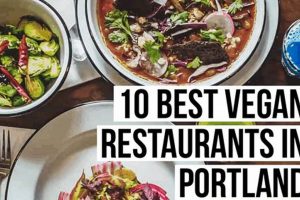
Establishments offering exclusively plant-based cuisine within a sophisticated ambiance are gaining prominence. These dining locations typically feature meticulously crafted menus, utilizing high-quality ingredients and advanced culinary techniques to deliver an elevated dining experience. A setting adorned with tasteful decor and attentive service is characteristic of this category, differentiating it from more casual vegan eateries.
The rise of these establishments reflects an increased demand for ethical and sustainable food choices. Patrons seeking refined dining experiences that align with their values now have access to venues previously unavailable. Historically, plant-based dining was often associated with simplicity; however, these refined venues challenge that perception, showcasing the potential of vegan cuisine to satisfy discerning palates. This trend also contributes to normalizing and broadening the appeal of plant-based diets.
Consequently, an investigation into the operational facets, menu development strategies, and marketing approaches employed by upscale plant-based eateries is warranted. Further analysis could explore the impact these businesses have on consumer perceptions of veganism and their contribution to the evolving culinary landscape. The following sections will delve into specific aspects of these dining locations, including ingredient sourcing and innovative cooking methods.
Operational Strategies for Upscale Plant-Based Establishments
This section offers guidance for individuals or entities seeking to establish or refine operations within the upscale plant-based culinary sector. The following recommendations are based on observed best practices and emerging trends in the industry.
Tip 1: Cultivate Strategic Sourcing Partnerships: Establish direct relationships with local and regional farmers specializing in organic and heirloom produce. This ensures access to premium ingredients, fosters sustainability, and provides unique menu differentiators. For example, partner with a farm cultivating rare mushroom varieties to create signature dishes.
Tip 2: Prioritize Menu Innovation and Refinement: Invest in continuous menu development, exploring global culinary traditions and avant-garde techniques to create dishes that are both visually appealing and gastronomically compelling. Regularly update the menu to reflect seasonal availability and evolving consumer preferences.
Tip 3: Implement Comprehensive Staff Training: Provide thorough training to all staff members on the intricacies of plant-based cuisine, including ingredient knowledge, preparation methods, and dietary considerations. Emphasize exceptional customer service and the ability to articulate the menu and its benefits effectively.
Tip 4: Emphasize Ambiance and Aesthetic Detailing: Create a sophisticated and inviting atmosphere through thoughtful design elements, including lighting, decor, and table settings. The objective is to establish a dining environment that aligns with the high-quality cuisine and service offered.
Tip 5: Leverage Digital Marketing and Social Media Engagement: Develop a robust digital marketing strategy that showcases the restaurant’s unique culinary offerings and commitment to sustainability. Engage with customers on social media platforms, highlighting seasonal dishes, special events, and chef profiles.
Tip 6: Focus on Wine and Beverage Pairings: Curate a wine list that complements the plant-based menu, featuring organic and biodynamic wines from reputable vineyards. Offer creative non-alcoholic beverage options, such as house-made kombucha, artisanal juices, and mocktails.
These strategies highlight the importance of quality, innovation, and customer experience in achieving success within the upscale plant-based dining market. By focusing on these key areas, businesses can establish a strong brand identity and cultivate a loyal customer base.
The subsequent sections will address strategies for managing operational costs and maintaining profitability in a competitive market.
1. Exquisite plant-based cuisine

The concept of exquisite plant-based cuisine serves as a cornerstone of the fancy vegan restaurant sector. The former is a necessary, though not solely sufficient, condition for the existence of the latter. The absence of meticulously crafted, high-quality, entirely plant-derived dishes would preclude any establishment from legitimately claiming the title of a refined vegan dining experience. The causal relationship is straightforward: the pursuit of culinary artistry using exclusively plant-based ingredients is a primary driver in the emergence and success of such establishments.
Consider, for example, the Alinea restaurant which offers a completely vegan tasting menu. While not exclusively vegan, their dedication to delivering an exceptional vegan experience demonstrates the integration of exquisite plant-based cuisine into a refined setting. This illustrates the crucial role ingredient quality, innovative culinary methods (such as molecular gastronomy applied to plant-based sources), and artistic presentation play in differentiating a fancy vegan restaurant from a standard vegan cafe. This understanding translates directly into practical operational considerations: ingredient sourcing, chef recruitment, and menu development strategies must all prioritize achieving culinary excellence.
In summary, exquisite plant-based cuisine is an indispensable component of any aspirational fancy vegan restaurant. Although sophisticated ambiance, attentive service, and ethical sourcing also contribute, the culinary offerings remain the central defining characteristic. The challenge lies in consistently delivering innovative and satisfying plant-based dishes that appeal to both vegan and non-vegan diners, thereby broadening the appeal and elevating the perception of plant-based dining as a whole.
2. Elegant, refined atmosphere

An elegant, refined atmosphere serves as a vital, synergistic element within a fancy vegan restaurant. It transcends mere decoration, contributing significantly to the overall dining experience and influencing customer perception of both the cuisine and the establishment’s brand.
- Architectural Design and Interior Decor
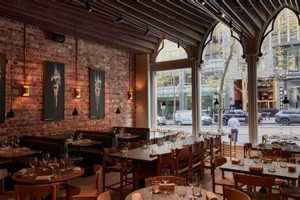
The physical design of the space, encompassing architectural elements and interior decor, establishes the initial impression. High-quality materials, thoughtful layout, and cohesive aesthetic choices are crucial. Examples include incorporating natural light through large windows, utilizing sustainable and ethically sourced furniture, and employing a color palette that evokes sophistication and calm. The architectural design should complement the culinary experience, reinforcing the restaurant’s commitment to quality and sustainability.
- Ambiance and Sensory Experience
Ambiance extends beyond visual elements to encompass sensory experiences. Carefully curated lighting, background music (often classical or jazz), and even subtle aromas contribute to the overall atmosphere. Low lighting levels create intimacy, while appropriate music volume allows for comfortable conversation. Attention to detail, such as the quality of the linens and tableware, further enhances the sensory experience. These elements work together to create a sense of exclusivity and refinement.
- Spatial Arrangement and Privacy
The spatial arrangement of tables and seating areas impacts both the aesthetics and the functionality of the dining space. Ample spacing between tables ensures privacy and minimizes noise disruption, allowing diners to engage in intimate conversation. Strategic placement of plants or screens can further delineate dining areas and enhance the sense of exclusivity. Thoughtful spatial planning balances aesthetic appeal with the practical needs of diners and staff.
- Art and Decorative Elements
Strategic use of artwork and decorative elements enhances the visual appeal of the space and reinforces the restaurant’s brand identity. Original artwork, sculptures, or curated photography collections can add a layer of sophistication and cultural value. Decorative elements, such as floral arrangements or unique lighting fixtures, should be chosen with care to complement the overall design aesthetic. The selection and placement of art and decorative elements reflect the restaurant’s attention to detail and its commitment to creating a visually stimulating environment.
The creation of an elegant, refined atmosphere is not merely cosmetic; it is an integral component of the value proposition offered by a fancy vegan restaurant. The aforementioned elements, working in concert, elevate the dining experience, transforming it from a simple meal into a memorable occasion. This holistic approach is essential for attracting a discerning clientele and establishing a strong brand reputation in the competitive culinary landscape.
3. Impeccable, attentive service

Within the framework of a fancy vegan restaurant, impeccable, attentive service is not a mere accessory, but a core pillar upon which the dining experience is built. It represents a commitment to exceeding expectations, transforming a meal into a carefully curated and memorable event. The quality of service directly influences customer satisfaction, brand perception, and ultimately, the restaurant’s success.
- Deep Product Knowledge and Dietary Expertise
Service staff must possess comprehensive knowledge of the menu, including ingredients, preparation methods, and potential allergens. In a vegan establishment, this extends to understanding various plant-based alternatives and accommodating specific dietary requirements or preferences. For example, a server should be able to articulate the sourcing of a specific ingredient or suggest suitable modifications for a customer with a particular sensitivity. Failure in this regard can lead to customer dissatisfaction or, in severe cases, allergic reactions.
- Proactive and Intuitive Guest Engagement
Attentive service goes beyond simply fulfilling requests. It involves anticipating guest needs and providing assistance before being asked. This might include offering water refills, providing recommendations based on observed preferences, or proactively addressing potential issues. For instance, a server might notice a guest struggling to select a dish and offer personalized suggestions based on their stated dietary restrictions or taste preferences. Such proactive engagement demonstrates a genuine commitment to guest satisfaction and enhances the overall dining experience.
- Graceful Handling of Challenges and Complaints
Even in the most meticulously planned environments, challenges can arise. The manner in which these challenges are addressed is a critical determinant of service quality. Staff must be trained to handle complaints with grace, empathy, and efficiency. A structured complaint resolution process, empowering staff to offer appropriate compensation or solutions, is essential. For example, if a dish is not prepared to a guest’s satisfaction, a server should promptly offer to replace it or provide an alternative, demonstrating a willingness to rectify the situation and maintain customer goodwill.
- Seamless Coordination and Teamwork
Impeccable service requires seamless coordination among all members of the restaurant staff, from the kitchen to the front-of-house. Clear communication channels and well-defined roles are crucial for ensuring smooth operations. For example, servers must communicate dietary restrictions or special requests to the kitchen accurately, and the kitchen must adhere to those requests diligently. This collaborative effort ensures that each guest receives a consistent and high-quality dining experience, regardless of individual preferences or needs.
These facets of impeccable, attentive service are interwoven, each contributing to the overall success of a fancy vegan restaurant. When executed effectively, attentive service reinforces the restaurant’s brand identity, cultivates customer loyalty, and elevates the entire dining experience, justifying the perceived value and encouraging repeat patronage.
4. Sustainable ingredient sourcing

Sustainable ingredient sourcing is intrinsically linked to the identity and success of a fancy vegan restaurant. The demand for plant-based cuisine often stems from ethical considerations, making the provenance and environmental impact of ingredients paramount. Therefore, the adoption of sustainable sourcing practices is not merely a desirable attribute, but a foundational requirement for credibility and market differentiation. Neglecting sustainable sourcing can undermine the ethical premise upon which the restaurant is based, alienating its target demographic. An example would be sourcing avocados from regions known for unsustainable water usage, directly contradicting the purported values of the establishment.
The practical implications of sustainable sourcing extend beyond ethical considerations. Traceability of ingredients, reduction of carbon footprint through local sourcing, and support for fair labor practices contribute to a demonstrable commitment to environmental and social responsibility. Restaurants achieving verifiable sustainability certifications gain a competitive advantage, attracting environmentally conscious consumers and potentially accessing favorable partnerships or subsidies. Furthermore, direct relationships with local farmers allow for access to unique, seasonal ingredients, fostering culinary innovation and menu diversification. For instance, a restaurant partnering with a local organic farm to cultivate rare vegetable varieties would gain access to ingredients unavailable to competitors, enhancing its culinary distinctiveness and appealing to discerning palates.
In conclusion, sustainable ingredient sourcing is not simply a trend, but a fundamental operating principle for upscale plant-based dining establishments. It directly impacts consumer perception, operational efficiency, and culinary creativity. Challenges include higher initial costs and the complexity of establishing reliable supply chains, yet the long-term benefitsenhanced brand reputation, access to premium ingredients, and contribution to a more sustainable food systemoutweigh these obstacles. This commitment aligns with the broader societal shift towards conscious consumerism, ensuring the long-term viability and positive impact of fancy vegan restaurants.
5. Innovative culinary techniques
The application of innovative culinary techniques is paramount to differentiating upscale plant-based dining establishments. These techniques elevate plant-based ingredients beyond traditional preparations, creating novel sensory experiences that justify the “fancy” designation. They represent a commitment to pushing the boundaries of vegan gastronomy.
- Molecular Gastronomy Applications
Molecular gastronomy, involving the scientific exploration of cooking processes, enables manipulation of textures and flavors in plant-based ingredients. Techniques like spherification, gelification, and the creation of foams allow chefs to transform familiar ingredients into visually striking and texturally surprising dishes. For instance, a tomato consomm transformed into a sphere bursting with flavor, or a carrot puree presented as a light and airy foam, offers a novel sensory experience distinct from conventional preparations. These techniques enhance the perception of luxury and culinary artistry.
- Fermentation and Culturing
Fermentation and culturing techniques, traditionally used in meat and dairy production, are increasingly applied to plant-based ingredients to develop complex flavors and textures. Utilizing processes like koji fermentation or lacto-fermentation on vegetables or legumes can yield umami-rich flavors and create textures that mimic those of cured meats or aged cheeses. This technique allows for the development of plant-based charcuterie alternatives or complex sauces, contributing to the sophistication of vegan cuisine. For example, fermenting cashews can produce a creamy, tangy cheese alternative with a depth of flavor comparable to dairy-based cheeses.
- Sous Vide and Controlled Cooking Methods
Sous vide, involving vacuum-sealed cooking in precisely controlled water baths, allows for precise control over the cooking process, preserving the integrity of plant-based ingredients and maximizing flavor retention. This technique is particularly useful for delicate vegetables or plant-based proteins, ensuring consistent results and preventing overcooking. Controlled cooking methods, such as slow roasting or dehydration, can also enhance the texture and flavor profile of vegetables, transforming them into sophisticated components of fine-dining dishes. An example is achieving perfectly tender asparagus or creating crispy vegetable chips using dehydration techniques.
- Advanced Plating and Presentation
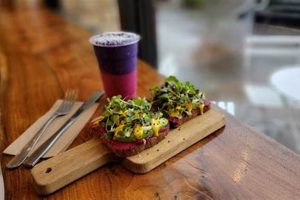
Beyond flavor and texture, the visual presentation of dishes plays a crucial role in the perception of quality and refinement. Advanced plating techniques, involving artistic arrangement of ingredients on the plate, elevate the dining experience and showcase the chef’s creativity. Utilizing elements like microgreens, edible flowers, and meticulously crafted sauces enhances the visual appeal of the dish, creating a multi-sensory experience. Examples include employing geometric arrangements of vegetables, utilizing contrasting colors and textures, and incorporating edible garnishes to create visually stunning and Instagrammable dishes.
These innovative culinary techniques are integral to the success of any establishment aspiring to be a fancy vegan restaurant. By pushing the boundaries of plant-based gastronomy, chefs can create unique and memorable dining experiences that appeal to discerning palates and justify the higher price point associated with fine dining. The investment in mastering these techniques is an investment in the restaurant’s brand, reputation, and long-term sustainability. This elevates plant-based cuisine to new culinary heights.
Frequently Asked Questions
This section addresses common inquiries regarding refined plant-based dining establishments, providing clear and concise information to enhance understanding of this evolving culinary sector.
Question 1: What distinguishes a “fancy vegan restaurant” from a standard vegan restaurant?
The primary differentiation lies in the overall dining experience. Beyond exclusively plant-based cuisine, a “fancy vegan restaurant” emphasizes a sophisticated ambiance, impeccable service, meticulous attention to detail, and the application of innovative culinary techniques. Price points are typically higher, reflecting the enhanced quality and experience.
Question 2: Are “fancy vegan restaurants” exclusively targeted towards vegans?
While catering to the needs and preferences of vegan diners is a core objective, these establishments also aim to attract a broader clientele, including omnivores seeking novel culinary experiences or those interested in exploring plant-based options without compromising on quality or ambiance.
Question 3: What types of ingredients are typically used in “fancy vegan restaurants”?
These establishments prioritize high-quality, often locally sourced, and seasonal ingredients. Organic produce, heirloom varieties, and ethically sourced specialty items are common. The emphasis is on maximizing flavor and nutritional value through careful selection and preparation.
Question 4: How does “sustainable sourcing” manifest in a “fancy vegan restaurant”?
Sustainable sourcing involves prioritizing suppliers with environmentally responsible practices, minimizing carbon footprint through local sourcing, supporting fair labor standards, and ensuring traceability of ingredients. Many such establishments cultivate direct relationships with local farmers and producers.
Question 5: What types of culinary techniques are employed to elevate plant-based cuisine in these restaurants?
Innovative techniques like molecular gastronomy, fermentation, sous vide cooking, and advanced plating are frequently used to transform plant-based ingredients into sophisticated and visually appealing dishes. The goal is to enhance flavor, texture, and presentation, offering a unique sensory experience.
Question 6: Are “fancy vegan restaurants” more expensive than standard restaurants?
Generally, yes. The higher price point reflects the elevated quality of ingredients, the complexity of culinary techniques, the sophisticated ambiance, and the enhanced level of service provided. The value proposition lies in the holistic dining experience offered.
In summary, upscale plant-based dining represents a significant evolution in the culinary landscape, showcasing the potential of vegan cuisine to satisfy discerning palates and providing a luxurious and ethical dining option.
The subsequent article sections will delve into the marketing strategies employed by these sophisticated establishments.
Conclusion
The preceding analysis has detailed the defining characteristics of the fancy vegan restaurant, underscoring its pivotal elements: exquisite plant-based cuisine, elegant ambiance, impeccable service, sustainable ingredient sourcing, and innovative culinary techniques. These components coalesce to form a dining experience that transcends mere sustenance, representing a sophisticated and ethical alternative within the culinary landscape. The exploration extended to operational strategies, addressing the importance of strategic sourcing partnerships, menu refinement, staff training, aesthetic detailing, and robust marketing initiatives. Further examination illuminated specific aspects such as the integration of molecular gastronomy, fermentation, and advanced plating methods.
The continued growth and evolution of the fancy vegan restaurant sector signals a significant shift in consumer preferences and culinary trends. Its capacity to appeal to both vegan and non-vegan diners positions it as a relevant and influential force, shaping perceptions of plant-based cuisine and contributing to a more sustainable food system. Further research and industry development are essential to maximize the potential of this sector and to solidify its role in the future of fine dining. Continued innovation and commitment to ethical practices are critical to ensure the long-term success and positive impact of this culinary movement.