



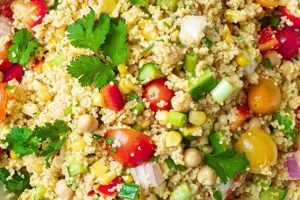
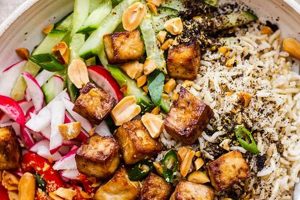
The phrase denotes a collection of dietary instructions and preparations that exclude all animal products, while prioritizing nutritional balance and overall well-being. Such meal plans emphasize whole, plant-based foods like fruits, vegetables, legumes, whole grains, nuts, and seeds, aiming to provide essential vitamins, minerals, and macronutrients through entirely plant-derived sources. An example might involve a lentil soup rich in fiber and protein, a quinoa salad abundant in vitamins and minerals, or a tofu stir-fry offering a substantial protein source.
Adopting these approaches to food preparation can yield significant advantages, potentially contributing to reduced risks of chronic diseases like heart disease, type 2 diabetes, and certain cancers. The emphasis on nutrient-dense, plant-based foods inherently provides a higher intake of fiber, antioxidants, and phytochemicals, all of which play crucial roles in maintaining optimal bodily function. Historically, various cultures have relied on plant-based diets for both sustenance and purported health benefits, showcasing the long-standing connection between plant consumption and wellness.
The following sections will explore various aspects of plant-based nourishment, including considerations for complete protein intake, strategies for ensuring adequate micronutrient consumption, and examples of complete meal plans designed to support a balanced and fulfilling nutritional intake.
Effective plant-based nourishment requires mindful planning and informed choices to ensure complete nutrition. The following guidelines offer practical strategies for optimizing such dietary practices.
Tip 1: Prioritize Whole, Unprocessed Foods: A foundation built upon minimally processed ingredients maximizes nutrient density and minimizes the intake of added sugars, unhealthy fats, and sodium. Examples include choosing brown rice over white rice, whole-wheat bread over white bread, and preparing meals from scratch using fresh produce.
Tip 2: Ensure Adequate Protein Intake: Plant-based protein sources include legumes (lentils, beans, chickpeas), tofu, tempeh, edamame, nuts, seeds, and quinoa. Combining different protein sources throughout the day is advised to achieve a complete amino acid profile.
Tip 3: Focus on Iron-Rich Foods: Plant-based iron (non-heme iron) is less readily absorbed than heme iron from animal sources. Enhance absorption by consuming iron-rich foods like spinach, lentils, and fortified cereals with vitamin C-rich foods like citrus fruits or bell peppers.
Tip 4: Incorporate Calcium-Rich Foods: Adequate calcium intake is crucial for bone health. Sources include fortified plant milks, tofu processed with calcium sulfate, leafy green vegetables (kale, collard greens), and almonds.
Tip 5: Supplement with Vitamin B12: Vitamin B12 is not reliably found in plant-based foods and should be supplemented to prevent deficiency. Consult with a healthcare professional to determine the appropriate dosage.
Tip 6: Consume Omega-3 Fatty Acids: Obtain omega-3 fatty acids through sources like flaxseeds, chia seeds, hemp seeds, and walnuts. Consider an algae-based DHA/EPA supplement for optimal intake of these essential fats.
Tip 7: Be Mindful of Portion Sizes: While plant-based foods are generally lower in calories, maintaining appropriate portion sizes is still important for weight management and overall health. Pay attention to satiety cues and avoid overconsumption of calorie-dense foods like nuts and seeds.
These guidelines provide a framework for informed decision-making regarding plant-based sustenance. Employing these strategies helps ensure sufficient intake of essential nutrients, thereby supporting overall well-being and promoting long-term health.
The subsequent section will explore sample meal plans that integrate these principles, providing practical examples for implementing plant-focused eating habits.
1. Nutrient Density

Nutrient density, defined as the concentration of micronutrients and macronutrients relative to caloric content, is a foundational principle in constructing plant-based meal plans. The correlation between nutrient density and plant-focused food preparation stems from the inherent properties of whole, unprocessed plant foods. For instance, vegetables, fruits, legumes, and whole grains provide vitamins, minerals, fiber, and phytonutrients with comparatively lower caloric values than processed foods or animal products. Consequently, a dietary regimen centered on these sources facilitates optimal intake of essential nutrients without contributing to excessive caloric consumption. Failure to prioritize nutrient density in plant-based diets can lead to deficiencies, despite adhering to the overarching principle of excluding animal products. Therefore, a focus on nutrient-rich sources is critical for ensuring a balanced nutritional profile.
The practical application of this understanding manifests in deliberate food selection. Opting for dark leafy greens, such as spinach and kale, over iceberg lettuce increases the intake of vitamins A, C, and K, along with iron and calcium. Similarly, choosing quinoa over white rice provides a more complete amino acid profile and a higher concentration of fiber and minerals. Another example is replacing processed snacks with whole fruits, nuts, and seeds, which offer sustained energy and essential nutrients rather than empty calories. These choices collectively contribute to enhanced nutritional status and promote overall wellness.
The pursuit of nutrient density in plant-focused sustenance, however, is not without potential challenges. Careful planning is required to ensure sufficient intake of nutrients commonly associated with animal products, such as vitamin B12, iron, and calcium. Supplementation and strategic food combinations may be necessary to address these concerns. Despite these considerations, the benefits of a nutrient-dense, plant-based dietary regimen outweigh the challenges. By prioritizing whole, unprocessed plant foods, individuals can effectively optimize their nutritional intake and support long-term health. This approach underscores the significance of informed decision-making in achieving a balanced and fulfilling dietary experience.
2. Protein Completeness

Protein completeness is a fundamental consideration when constructing plant-based dietary plans. Unlike many animal-derived protein sources, plant proteins are frequently “incomplete,” meaning they do not contain all nine essential amino acids in sufficient quantities. Essential amino acids are those that the human body cannot synthesize and must obtain from food. A failure to address protein completeness in a plant-based approach can result in amino acid deficiencies, hindering protein synthesis, impairing immune function, and negatively impacting overall health. Therefore, a thorough understanding of complementary protein sources is paramount for individuals adhering to or considering a vegan dietary pattern.
Achieving protein completeness within a plant-based framework typically involves strategically combining various protein sources throughout the day. This strategy, often termed “protein combining,” ensures that all essential amino acids are consumed in adequate amounts. For example, consuming legumes (such as beans, lentils, or chickpeas), which are typically low in the amino acid methionine, alongside grains (such as rice, quinoa, or wheat), which are comparatively high in methionine but lower in lysine, effectively creates a complete protein profile. Another illustrative example involves combining nuts or seeds with vegetables. Traditional dietary patterns in various cultures often reflect this principle, demonstrating an intuitive understanding of protein complementation. Furthermore, certain plant-based foods, such as quinoa and soy, are considered complete proteins in themselves, offering additional options for ensuring amino acid sufficiency.
In summary, protein completeness is an indispensable element of any thoughtfully designed plant-focused eating plan. Strategically combining complementary plant proteins, such as legumes with grains, or incorporating complete plant protein sources, like quinoa and soy, ensures adequate intake of all essential amino acids. By prioritizing protein completeness, individuals can mitigate potential deficiencies, support optimal physiological function, and derive the full nutritional benefits of a well-structured, plant-exclusive dietary pattern. This practice directly contributes to the overall health and sustainability of such eating habits.
3. Vitamin B12 Supplementation
Vitamin B12, a crucial nutrient for neurological function and DNA synthesis, presents a unique challenge in the context of plant-exclusive diets. Its primary sources are animal-derived foods, making supplementation or fortification an essential consideration for individuals adhering to, or developing, plant-based eating patterns.
- Metabolic Role of Vitamin B12
Vitamin B12 functions as a cofactor for enzymes involved in crucial metabolic pathways, including the conversion of homocysteine to methionine and the isomerization of methylmalonyl-CoA to succinyl-CoA. Deficiency can lead to elevated homocysteine levels, increasing the risk of cardiovascular disease, and impairing the production of red blood cells, resulting in megaloblastic anemia. Neurological symptoms, such as peripheral neuropathy and cognitive impairment, can also manifest due to B12 deficiency. In the context of recipes omitting animal products, understanding this metabolic role highlights the necessity of alternative B12 acquisition.
- Limited Natural Plant Sources
While trace amounts of vitamin B12 analogs may be present in some algae and fermented foods, these sources are often unreliable and may contain inactive forms of the vitamin that cannot be utilized by the human body. Relying solely on these sources is ill-advised and carries a substantial risk of deficiency. Consequently, plant-based recipes should not claim these food sources provide sufficient B12. The development and promotion of plant-focused dietary guidance must unequivocally recommend supplementation or consistent consumption of fortified foods.
- Fortified Foods and Supplement Options
Vitamin B12 supplementation is readily available in various forms, including cyanocobalamin, methylcobalamin, and adenosylcobalamin. Cyanocobalamin is the most stable and widely studied form, while methylcobalamin and adenosylcobalamin are coenzyme forms. Fortified foods, such as plant-based milk alternatives, breakfast cereals, and nutritional yeast, offer another avenue for B12 intake. When creating recipes, the inclusion of fortified nutritional yeast can offer a means of B12 consumption. The choice between supplementation and fortified foods depends on individual preferences and dietary habits, but consistent intake is paramount.
- Dosage Recommendations and Deficiency Risks
The recommended daily intake of vitamin B12 for adults is approximately 2.4 micrograms. However, absorption efficiency varies, and higher doses may be necessary to correct existing deficiencies or ensure adequate intake in individuals with impaired absorption. Symptoms of vitamin B12 deficiency can be subtle and may take months or years to manifest. Early detection and intervention are crucial to prevent irreversible neurological damage. Individuals following plant-centered dietary pattern should undergo periodic blood tests to monitor B12 levels and adjust supplementation accordingly.
In conclusion, vitamin B12 supplementation is an indispensable component of healthy plant-exclusive recipe construction. The lack of reliable plant-based sources necessitates proactive measures to prevent deficiency. Integrating B12-fortified foods into recipes or recommending appropriate supplementation ensures nutritional adequacy and promotes the long-term viability of plant-based dietary practices. The dissemination of accurate information regarding B12 is essential for fostering confidence and promoting responsible adoption of such eating habits.
4. Iron Absorption Enhancement

Iron absorption enhancement is a critical component of sound plant-exclusive recipe development, directly impacting the nutritional efficacy of these dietary plans. Plant-based iron, existing in the non-heme form, exhibits a lower bioavailability compared to heme iron found in animal tissues. Consequently, individuals following diets that exclude animal products must strategically employ methods to augment iron uptake. A deficiency in iron can lead to anemia, characterized by fatigue, weakness, and impaired cognitive function, thereby undermining the intended health benefits of plant-focused eating habits.
One well-established approach involves the co-consumption of vitamin C with iron-rich foods. Ascorbic acid, a potent reducing agent, converts ferric iron (Fe3+) to ferrous iron (Fe2+), the form more readily absorbed by the intestinal cells. For example, combining lentil soup (a source of non-heme iron) with a side of bell peppers (rich in vitamin C) significantly improves iron assimilation. Similarly, incorporating citrus fruits, such as lemon juice or orange segments, into salads containing spinach or kale (sources of iron) enhances iron absorption. Conversely, certain dietary constituents, such as phytates (found in grains and legumes) and tannins (present in tea and coffee), can inhibit iron absorption. Therefore, minimizing the consumption of these inhibitors around meal times or employing food preparation techniques that reduce their levels (e.g., soaking and sprouting grains and legumes) further optimizes iron status.
In summation, the intentional integration of strategies to enhance iron absorption is paramount in constructing nutritionally sound plant-based culinary preparations. Facilitating non-heme iron uptake through vitamin C co-consumption, while minimizing the influence of inhibitory factors, supports optimal iron levels and contributes to the overall well-being of individuals adopting these dietary patterns. The practical significance of this understanding extends to improved energy levels, enhanced cognitive function, and reduced risk of iron deficiency anemia. These benefits underscore the need for incorporating evidence-based iron absorption strategies into the design and promotion of plant-exclusive nutrition plans.
5. Calcium Source Identification

The selection of appropriate calcium sources is a crucial aspect of formulating plant-exclusive meal plans. The omission of dairy products, a primary source of calcium in many Western diets, necessitates a deliberate focus on alternative dietary sources to ensure adequate intake of this essential mineral. Inadequate calcium consumption can lead to compromised bone health, increasing the risk of osteoporosis and fractures, underscoring the importance of informed calcium source identification in plant-focused nutrition.
- Fortified Plant-Based Milks and Yogurts
Plant-based milk alternatives, such as those derived from soy, almond, rice, and oat, are frequently fortified with calcium to levels comparable to or exceeding those found in cow’s milk. Similarly, plant-based yogurt alternatives are often fortified with calcium and vitamin D. The consumption of these fortified products offers a readily accessible and convenient means of meeting calcium requirements within a plant-exclusive dietary regimen. Selection criteria should include assessment of the calcium content per serving and the presence of added sugars or other undesirable ingredients.
- Tofu Processed with Calcium Sulfate
Tofu, a soybean-derived food product, can serve as a significant source of calcium when processed with calcium sulfate. This calcium salt is incorporated during the coagulation process, resulting in a substantial calcium content in the final product. Labels should be carefully examined to confirm the use of calcium sulfate in the production of the tofu. Recipes utilizing tofu prepared in this manner can contribute significantly to daily calcium intake.
- Leafy Green Vegetables
Certain leafy green vegetables, such as kale, collard greens, and bok choy, contain appreciable amounts of calcium. However, the bioavailability of calcium from these sources can be lower compared to fortified foods due to the presence of oxalates, which can inhibit calcium absorption. Cooking these vegetables can reduce oxalate content and improve calcium bioavailability. Incorporating a variety of leafy green vegetables into meal plans can contribute to overall calcium intake, but should not be relied upon as the sole source.
- Calcium-Set Sea Vegetables
Certain sea vegetables, such as wakame, arame, and kelp, can be reasonable sources of calcium, especially if properly sourced. Like green vegetables, bioavailability can be a concern, but they can contribute when consumed in moderation. Care should be taken to ensure the source is safe for consumption and has a proper mineral profile. Certain set vegetables from local seas can be contaminated, and it is important to use caution.
In conclusion, the identification of diverse and bioavailable calcium sources is a cornerstone of constructing well-balanced plant-based recipe collections. Fortified plant-based milks and yogurts, tofu processed with calcium sulfate, and strategic incorporation of leafy green vegetables and calcium-set sea vegetables offer viable strategies for meeting calcium needs without relying on dairy products. Mindful attention to food selection and preparation techniques optimizes calcium absorption and supports bone health, thereby enhancing the long-term sustainability and health benefits of plant-focused eating patterns.
6. Omega-3 Inclusion
The incorporation of omega-3 fatty acids is a critical consideration in the design of plant-exclusive sustenance, impacting overall health and well-being. Given that primary sources of omega-3s, specifically EPA (eicosapentaenoic acid) and DHA (docosahexaenoic acid), are predominantly found in marine life, individuals following diets that eliminate animal products must actively seek alternative sources to prevent deficiency and maintain optimal physiological function.
- Alpha-Linolenic Acid (ALA) Conversion
Alpha-linolenic acid (ALA), a plant-derived omega-3 fatty acid, is present in foods such as flaxseeds, chia seeds, hemp seeds, and walnuts. ALA can be converted by the body into EPA and DHA. However, this conversion process is often inefficient, with a limited percentage of ALA being successfully transformed into these longer-chain fatty acids. Factors such as dietary intake of other fats, age, and genetics can influence the conversion rate. Therefore, relying solely on ALA-rich foods may not provide sufficient EPA and DHA for all individuals.
- Algae-Based EPA and DHA Supplements
Algae represent a direct source of EPA and DHA, as they are the primary producers of these omega-3 fatty acids in the marine food chain. Algae-based supplements offer a viable and sustainable means of obtaining EPA and DHA without relying on animal products. These supplements are typically available in capsule or oil form and provide a concentrated source of these essential fatty acids. Regular consumption of algae-based supplements can help maintain adequate EPA and DHA levels, supporting cardiovascular health, brain function, and reducing inflammation.
- Dietary Strategies for ALA Optimization
While ALA conversion may be limited, dietary strategies can be employed to optimize its utilization. Minimizing the intake of omega-6 fatty acids, which compete with ALA for conversion enzymes, can improve the efficiency of EPA and DHA production. Consuming ALA-rich foods in their whole form, such as ground flaxseeds rather than flaxseed oil, may also enhance absorption. Furthermore, ensuring adequate intake of micronutrients, such as zinc and iron, which are involved in the conversion process, can support optimal ALA metabolism.
- Monitoring Omega-3 Status
Given the variability in ALA conversion rates and individual needs, monitoring omega-3 status can be beneficial. Blood tests are available to assess EPA and DHA levels, providing insights into the effectiveness of dietary or supplementation strategies. Individuals can work with healthcare professionals to interpret test results and adjust their omega-3 intake accordingly. This personalized approach ensures that individual needs are met and potential deficiencies are addressed proactively.
In conclusion, the deliberate inclusion of omega-3 fatty acids, through ALA-rich foods, algae-based supplements, and strategic dietary practices, is essential for constructing nutritionally sound plant-exclusive dietary patterns. Understanding the limitations of ALA conversion and the benefits of direct EPA and DHA supplementation allows individuals to make informed choices that support optimal health and well-being. A proactive approach to omega-3 intake, including monitoring status and adjusting strategies as needed, ensures the long-term viability and efficacy of these dietary choices.
Frequently Asked Questions
The following questions address common inquiries and misconceptions regarding the formulation and maintenance of nutritionally sound plant-based dietary patterns. It is crucial to dispel misinformation to promote informed decision-making.
Question 1: Is a plant-exclusive diet inherently healthy?
No. While plant-based diets can offer significant health benefits, simply excluding animal products does not guarantee optimal nutrition. A diet comprised primarily of processed vegan foods, refined carbohydrates, and lacking in essential nutrients can be detrimental. Careful planning and emphasis on whole, unprocessed plant foods are essential.
Question 2: Is it possible to obtain sufficient protein from plant sources?
Yes, provided a diverse range of plant protein sources are consumed. Legumes, grains, nuts, seeds, and soy products all contribute to protein intake. Strategic combination of these foods ensures that all essential amino acids are obtained. A focus on varied consumption is more critical than obsessively calculating protein grams.
Question 3: How can iron deficiency be avoided on a plant-based diet?
Non-heme iron, the type of iron found in plant foods, is less readily absorbed than heme iron. Enhancing iron absorption can be achieved by consuming iron-rich foods alongside vitamin C-rich foods. Avoiding iron absorption inhibitors, such as tannins and phytates, around meal times is also advisable.
Question 4: Are plant-based diets suitable for all life stages?
Well-planned plant-based diets can be appropriate for all life stages, including infancy, childhood, adolescence, pregnancy, lactation, and older adulthood. However, special attention must be paid to nutrient needs during these periods. Consulting with a registered dietitian or healthcare professional is recommended to ensure adequate nutrition.
Question 5: What are the primary concerns associated with vitamin B12 deficiency on a plant-based diet?
Vitamin B12 is primarily found in animal products, making deficiency a significant risk for individuals following plant-exclusive diets. Symptoms of B12 deficiency can include fatigue, weakness, neurological problems, and megaloblastic anemia. Regular supplementation or consumption of fortified foods is crucial to prevent deficiency.
Question 6: Can plant-based diets be more expensive than conventional diets?
The cost of plant-based diets can vary depending on food choices. A diet centered around whole, unprocessed plant foods, such as beans, lentils, and seasonal produce, can be more affordable than a diet reliant on processed vegan products or specialty ingredients. Strategic meal planning and bulk purchasing can help minimize costs.
In conclusion, responsible adoption of plant-based eating patterns requires careful attention to nutrient adequacy and informed decision-making. Addressing common misconceptions and prioritizing whole, unprocessed plant foods can contribute to the successful implementation of these diets.
The subsequent section will provide sample meal plans that integrate the principles discussed herein.
healthy vegan eating recipes
The exploration of formulations omitting animal products while prioritizing well-being necessitates a comprehensive understanding of nutritional requirements. Key considerations include strategic food pairings for protein completeness, reliable vitamin B12 acquisition, techniques to improve iron absorption, deliberate identification of calcium sources, and ensuring sufficient omega-3 fatty acid intake. The absence of meticulous planning may undermine the health benefits associated with plant-focused dietary patterns.
The responsible adoption of formulations devoid of animal-derived components mandates a commitment to evidence-based nutritional practices. Continued research and education will further refine the understanding of optimal plant-based sustenance, promoting dietary choices that support long-term health and wellness. Individuals are encouraged to consult with qualified nutrition professionals to tailor dietary strategies to meet individual needs and promote informed, healthful decisions.

![Easy Vegan Recipes: Coconut Milk Creations [Dairy-Free] | Discover Delicious Vegan Food, Beauty Swaps, and Zero-Waste Tips for a Greener Life](https://thisvegangirl.com/wp-content/uploads/2026/05/th-591-300x200.jpg "Easy Vegan Recipes: Coconut Milk Creations [Dairy-Free] Discover Delicious Vegan Food, Beauty Swaps, and Zero-Waste Tips for a Greener Life")