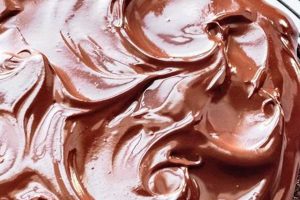
A culinary formulation replicating the traditional sweet confection using plant-derived ingredients is achievable. These typically replace gelatin, a key animal-based component in conventional versions, with alternatives such as aquafaba (chickpea brine), plant-based gums, or agar-agar. The resultant product mirrors the texture and sweetness of its non-vegan counterpart and is suitable for desserts, toppings, and fillings.
The development of plant-based alternatives addresses the growing demand for inclusive dietary options. It allows individuals adhering to vegan or vegetarian lifestyles to enjoy familiar treats without compromising ethical or dietary principles. This innovation extends access to a wider range of consumers and contributes to more sustainable food practices by reducing reliance on animal products. Early attempts to create similar recipes often faced challenges regarding texture and stability, but advances in plant-based ingredient technology have led to more successful and commercially viable options.
The following sections will delve into specific ingredient considerations, detailed preparation methods, and troubleshooting tips for achieving optimal results in the production of this plant-based dessert topping. Considerations will include evaluating different plant-based gelatin substitutes, mastering the aquafaba whipping technique, and achieving the characteristic fluffy consistency.
Essential Preparation Guidelines
Achieving the desired consistency and stability requires meticulous attention to detail and proper execution of each step. The following guidelines outline crucial considerations for success.
Tip 1: Aquafaba Reduction. Ensure the aquafaba is sufficiently reduced. Simmering it gently before whipping concentrates the proteins, resulting in a more stable and voluminous meringue. A reduction of approximately 25% is generally recommended.
Tip 2: Sugar Dissolution. Complete sugar dissolution is critical to avoid a grainy texture. A low simmer with continuous stirring is advisable until the sugar crystals are fully incorporated into the liquid.
Tip 3: Cream of Tartar Usage. Cream of tartar stabilizes the aquafaba meringue by increasing the acidity and preventing protein aggregation. Adding it early in the whipping process is recommended for optimal effect.
Tip 4: Gradual Sugar Addition. Introduce the sugar slowly and steadily while whipping the aquafaba. This prevents the meringue from collapsing and ensures even distribution, leading to a smoother texture.
Tip 5: Whipping Speed. Maintain a medium-high whipping speed throughout the process. This introduces air effectively, creating the signature fluffy consistency.
Tip 6: Temperature Control. Avoid extreme temperature fluctuations. Ingredients should be at or near room temperature to ensure proper emulsification and prevent separation.
Tip 7: Flavor Enhancement. Experiment with natural flavor extracts, such as vanilla bean paste or almond extract, added near the end of the whipping process to enhance the taste profile. However, avoid oil-based extracts, as they may destabilize the meringue.
Adherence to these guidelines significantly increases the likelihood of creating a stable and palatable plant-based dessert topping, suitable for various culinary applications.
The subsequent sections will explore potential variations on the original recipe and address common issues that may arise during preparation.
1. Aquafaba Suitability

Aquafaba, the liquid derived from cooked legumes, constitutes a foundational element in the creation of plant-based confections. Its suitability directly influences the resultant product’s textural integrity and stability. Specifically, the protein concentration within the aquafaba dictates its whipping capacity, a critical factor in achieving the characteristic light and airy consistency. If the aquafaba possesses insufficient protein, the meringue will fail to form adequately, yielding a dense and unappealing final product. Conversely, excessively concentrated aquafaba may lead to an overly stiff and less pliable result. The aquafaba’s source and processing influence its protein content. For instance, aquafaba derived from canned chickpeas typically exhibits greater protein concentration than that from home-cooked beans, due to the canning process concentrating the liquid. Therefore, selecting aquafaba with suitable protein levels is a critical determinant of the quality.
The importance is highlighted by instances where recipes fail due to suboptimal aquafaba quality. Reports indicate inconsistency can lead to issues such as curdling or liquid separation during the incorporation of sugar. Experienced confectioners often recommend reducing the aquafaba by simmering it before whipping, a process that increases protein concentration and improves its whipping properties. Furthermore, the addition of stabilizers, such as cream of tartar, functions synergistically with aquafaba to enhance the meringue’s structure and durability. It also provides additional tolerance to the recipe, minimizing the effect of small changes in the aquafaba protein concentration.
In summation, the inherent properties of aquafaba are crucial to achieving desired qualities in plant-based recipes. Careful assessment of aquafaba protein content, along with appropriate preparation techniques and the use of stabilizers, ensures optimal results. Understanding and addressing this fundamental component minimizes common challenges in vegan baking and promotes the successful creation of this plant-based dessert alternative.
2. Sugar Type

The selection of sugar significantly impacts the texture, stability, and overall sensory experience. Different sugar types possess varying crystal sizes, hygroscopic properties, and flavor profiles, each influencing the final characteristics.
- Granulated Sugar (Sucrose)
Granulated sugar, or sucrose, is the most common choice. Its larger crystal size requires careful dissolution to prevent graininess. Insufficient incorporation results in a gritty texture, detracting from the smooth consistency. Conversely, over-agitation during dissolution can lead to crystallization, also negatively impacting the texture. Proper technique, involving gentle heating and stirring, is crucial when using granulated sugar.
- Powdered Sugar (Icing Sugar)
Powdered sugar, or icing sugar, is finely ground sucrose with added cornstarch to prevent clumping. Its fine texture facilitates rapid dissolution, minimizing the risk of graininess. The cornstarch content, however, can slightly alter the flavor and may necessitate adjustments to liquid ratios to maintain optimal consistency. Additionally, the increased surface area of powdered sugar may lead to faster moisture absorption, impacting storage stability.
- Cane Sugar vs. Beet Sugar
Both cane sugar and beet sugar are sucrose, but subtle differences in their trace mineral content and processing methods can influence the flavor. Some individuals perceive beet sugar as having a slightly less refined taste compared to cane sugar. While the difference is often minimal, discerning palates may detect a subtle variation that affects the overall sweetness profile. In the absence of specific dietary restrictions, either cane or beet sugar can be employed with appropriate technique.
- Liquid Sweeteners (Syrups)
Liquid sweeteners such as corn syrup or agave nectar are sometimes employed to add moisture and prevent crystallization. However, their high water content can impact the stability. The increased liquid volume may require adjustments to the aquafaba reduction or the addition of thickening agents to maintain the desired consistency. The distinct flavors of different syrups can also influence the final taste, necessitating careful consideration during recipe formulation.
These facets highlight the nuanced relationship between sugar type and the plant-based confectionery. Selection should consider texture, stability, and flavor profile. Careful attention to these factors ensures a satisfactory final product.
3. Stabilizer usage

The inclusion of stabilizers is a crucial element in formulating a viable plant-based confection. Traditional recipes rely on gelatin, an animal-derived ingredient providing structure and preventing collapse. In its absence, alternative agents are required to perform these functions. The success of a plant-based formulation hinges on their effective application. Without proper stabilization, the aquafaba meringue, the base of this confection, lacks the necessary framework to maintain its form, resulting in a deflated, liquidy product. This underscores the vital role stabilizers play in replicating the characteristic texture of its animal-based counterpart.
Commonly employed stabilizers include cream of tartar, gums (such as xanthan or guar gum), and cornstarch. Cream of tartar, an acidic salt, aids in protein stabilization within the aquafaba meringue, promoting a finer air cell structure and increasing overall volume. Gums contribute viscosity and prevent syneresis (liquid separation), improving the product’s shelf life and textural consistency over time. Cornstarch, acting as a thickener, can provide additional body and prevent excessive moisture release. The selection and concentration of these additives are critical parameters. Excessive stabilizer use can yield an unpleasantly gummy or stiff product, while insufficient quantities result in instability. The optimal type and amount are determined through empirical testing and consideration of the specific ingredient ratios within the recipe. For instance, a formulation utilizing a higher aquafaba concentration might necessitate an increased stabilizer dosage to compensate for the greater liquid volume.
The understanding of stabilizer functionality is not merely academic; it translates directly to product quality and consumer satisfaction. Formulations lacking adequate stabilization suffer from textural defects and diminished aesthetic appeal. Knowledgeable application of stabilizers is a requisite skill for any seeking to produce commercially viable or high-quality plant-based dessert toppings. The strategic deployment of these agents transforms a potentially unstable mixture into a convincing analogue, ensuring a product that meets the expectations of both vegan and non-vegan consumers.
4. Whipping method

The method of whipping is a critical determinant of texture and stability in plant-based confectionary, specifically in the context of creating a product analogous to traditional versions. The process involves incorporating air into a liquid base, typically aquafaba, to create a foam structure. The stability of this foam hinges directly on the whipping technique, encompassing factors such as speed, duration, and the order of ingredient incorporation. Insufficient whipping leads to a lack of volume and a dense, unappealing texture. Conversely, over-whipping can destabilize the protein network, resulting in a curdled or separated mixture. A successful method relies on precise control and careful observation. For example, slowly increasing whipping speed allows for even air incorporation, fostering a stable foam.
The practical implications of this understanding are significant. Consider a scenario where a recipe calls for a specific whipping speed but the user deviates, employing a higher speed from the outset. The resulting product may exhibit an initial increase in volume, but the air cells will be large and unstable, leading to rapid collapse over time. Another example involves the premature addition of sugar. Adding sugar before a sufficient foam structure has formed inhibits air incorporation and weakens the protein network. Proper whipping entails gradually introducing sugar after the aquafaba has achieved a soft peak stage. This staged approach ensures that the sugar stabilizes the foam rather than hindering its formation.
In summary, the whipping method constitutes a core element of the plant-based confectionary process. Careful attention to whipping speed, duration, and the timing of ingredient additions is essential for achieving the desired texture and stability. Challenges arise from variations in aquafaba quality and equipment capabilities, but adherence to established best practices mitigates these risks. By understanding the underlying principles of foam formation and stabilization, one can consistently produce a plant-based alternative with comparable qualities.
5. Flavor additions
The incorporation of flavors represents a crucial element in the construction of a palatable plant-based dessert topping. While the base recipe provides a foundational sweetness and texture, strategic application of flavoring agents elevates the sensory experience. The cause-and-effect relationship is direct: the presence and nature of the flavor compounds drastically alter the perceived taste, aroma, and overall appeal. As a core component, these elements move a plant-based replica closer to a traditional formulation. Vanilla extract, for instance, is a common addition, contributing a warm, familiar note that complements the inherent sweetness of the confection. Citrus zest, conversely, introduces brightness and acidity, offsetting potential cloying sweetness. The selection of appropriate additions contributes significantly to consumer acceptance.
The practical significance of understanding flavor additions is exemplified by considering potential formulation challenges. Oil-based flavorings, while potent, can destabilize the aquafaba meringue due to the hydrophobic nature of the oils disrupting the foam structure. A more appropriate alternative involves using alcohol-based extracts or emulsions, where the flavoring compounds are dispersed in a more compatible medium. Furthermore, the timing of addition is critical. Adding flavorings too early in the whipping process can hinder foam formation, while late addition might result in uneven distribution. Precise control over concentration is equally vital; excessive flavoring can overwhelm the delicate balance of sweetness and texture, while insufficient amounts render the addition imperceptible. Achieving optimal results necessitates a careful balance between flavoring intensity and structural integrity.
In summary, the strategic integration of flavor is a critical aspect of the formulation, transforming a basic sweet base into a nuanced and appealing dessert component. Thoughtful selection, precise application, and awareness of potential destabilizing effects are essential. Effective utilization directly enhances palatability, expanding the potential market reach and acceptance. Overcoming these hurdles underscores the need for recipe refinement.
6. Storage impact

The storage conditions exert a significant influence on the structural integrity and sensory attributes of the plant-based confection. The inherent instability of aquafaba-based meringues, coupled with the absence of gelatin, renders this product particularly susceptible to degradation during storage. Understanding these impacts is essential for optimizing shelf life and maintaining quality.
- Temperature Sensitivity
Elevated temperatures accelerate the degradation of the foam structure. The air cells within the meringue coalesce, resulting in a loss of volume and a denser, less desirable texture. Conversely, freezing can cause ice crystal formation, disrupting the delicate protein network and leading to irreversible textural changes upon thawing. Refrigeration is generally recommended, but even under refrigerated conditions, gradual syneresis (liquid separation) may occur.
- Humidity Effects
High humidity promotes moisture absorption, causing the surface to become sticky and potentially leading to microbial growth. Conversely, low humidity can result in excessive drying, causing the surface to harden and crack. Optimal storage requires a controlled environment with moderate humidity levels to minimize these effects.
- Container Material
The container material influences the rate of moisture transfer and gas exchange, both of which impact product quality. Air-tight containers made of non-reactive materials, such as glass or food-grade plastic, are preferred to minimize oxidation and prevent the absorption of off-flavors from the surrounding environment. Porous materials, such as cardboard or paper, are generally unsuitable for prolonged storage.
- Ingredient Interactions over Time
Over time, interactions between ingredients can lead to undesirable changes in flavor and texture. For example, the breakdown of sugars can result in increased sweetness and a sticky consistency. The Maillard reaction, a chemical reaction between amino acids and reducing sugars, can lead to browning and the development of off-flavors. Proper formulation, including the use of stabilizers and preservatives, can help mitigate these effects.
These facets illustrate the interconnectedness of storage conditions and the long-term quality. Optimizing storage protocols, encompassing temperature control, humidity regulation, container selection, and ingredient stabilization, is critical. Addressing these vulnerabilities ensures that the final product retains its intended characteristics throughout its shelf life, thereby maximizing consumer satisfaction and minimizing waste.
7. Texture consistency

Texture consistency is a critical attribute directly affecting the perceived quality and overall success of the plant-based confection. It refers to the uniformity and stability of the product’s physical properties, encompassing aspects such as smoothness, fluffiness, and resistance to syneresis (liquid separation). This confection’s texture, ideally mimicking that of its traditional counterpart, is achieved through a delicate balance of ingredients and precise execution of preparation techniques. Deviations from the ideal texture, whether resulting in a grainy, runny, or overly firm product, negatively impact the consumer experience and can render the confection unpalatable. For example, insufficient whipping of the aquafaba component will result in a dense, syrup-like mixture lacking the characteristic airiness. Similarly, improper sugar dissolution can lead to a gritty texture that detracts from the overall mouthfeel. These textural defects directly undermine the product’s perceived value.
The achievement of texture consistency requires a thorough understanding of the functional properties of each ingredient and their interactions. Aquafaba, as the primary foaming agent, must be properly reduced and stabilized to ensure a stable and long-lasting meringue. Sugar, beyond its sweetening role, contributes to the meringue’s structure and prevents excessive liquid loss. Stabilizers, such as cream of tartar or xanthan gum, further enhance the meringue’s stability and prevent syneresis. The proper balance of these components, coupled with precise whipping and temperature control, is essential for achieving the desired texture. A practical application involves meticulously measuring and weighing each ingredient to ensure consistent ratios from batch to batch. Another important step is to closely monitor the whipping process, observing the meringue’s visual cues to determine when it has reached the optimal consistency.
In conclusion, texture consistency is a non-negotiable element in the creation of a successful plant-based dessert. It hinges on the precise manipulation of ingredients and techniques. Challenges in maintaining this consistency, such as aquafaba variability or storage-induced degradation, can be mitigated through careful recipe formulation, rigorous quality control measures, and appropriate storage protocols. Addressing this element is crucial for enhancing the overall consumer experience and ensuring the broader acceptance of this plant-based alternative within the confectionery market.
Frequently Asked Questions
The following addresses common inquiries regarding the preparation, ingredients, and storage of plant-based dessert toppings. Answers are provided to clarify the process and troubleshoot potential issues.
Question 1: Is aquafaba the only viable egg white substitute?
While aquafaba is a widely utilized and effective egg white replacement, other options exist. Modified potato starch and certain plant-based protein isolates can also function as foaming agents, although they may necessitate adjustments to the recipe and potentially affect the final flavor profile. Aquafaba remains the most accessible and commonly adopted substitute.
Question 2: Can any type of sugar be used interchangeably?
The type of sugar used significantly impacts the texture and stability. Granulated sugar requires thorough dissolution to prevent graininess, while powdered sugar dissolves more readily but contains cornstarch, which can influence moisture content. Liquid sweeteners like agave can destabilize the meringue. Therefore, the recipe should be followed closely regarding the type of sugar.
Question 3: What is the purpose of cream of tartar?
Cream of tartar acts as a stabilizer, assisting in maintaining the structural integrity of the aquafaba meringue. It promotes finer air cell formation, resulting in a more voluminous and stable product. Its absence can lead to a deflated and less desirable texture.
Question 4: How long can the dessert topping be stored, and what is the optimal method?
Refrigeration is essential for preserving it. Typically, it can be stored in an airtight container in the refrigerator for up to one week. Freezing is generally not recommended as it can alter the texture upon thawing. Examine it for signs of spoilage before consumption.
Question 5: What are potential reasons for a failed meringue?
Several factors can contribute to a failed meringue, including insufficient aquafaba reduction, inadequate whipping, premature addition of sugar, or the presence of oil-based ingredients. Careful adherence to the recipe and precise execution of each step are crucial for success.
Question 6: Can alternative flavorings be used in place of vanilla extract?
Other flavorings can be incorporated. Alcohol-based extracts and emulsions are less likely to destabilize the meringue compared to oil-based flavorings. The intensity and timing of addition should be carefully considered to prevent overwhelming the base flavor.
In conclusion, the creation of a satisfactory, plant-based formulation requires attention to detail and an understanding of the functional properties of each ingredient. Troubleshooting common issues involves careful evaluation of the recipe and precise execution of the preparation method.
The subsequent section will delve into advanced techniques for achieving specific textural characteristics.
Conclusion
The preceding exploration of vegan marshmallow fluff recipe details critical elements influencing its successful creation. It includes the importance of ingredient selection such as appropriate aquafaba and sugar types. Also, proper preparation methods were highlighted, with an emphasis on whipping techniques and the inclusion of stabilizers. Achieving the desired texture and maintaining product stability during storage require careful attention to these factors.
Formulations based on plant-derived ingredients demonstrate the capacity to replicate traditional confectionary textures and flavors. Refinement through continued experimentation and technique optimization is encouraged. Advancements in plant-based culinary techniques may ultimately result in the widespread availability and acceptance of similar alternatives in the broader market.