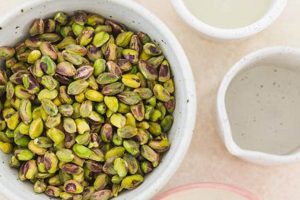
Dishes intended as plant-based accompaniments to a main course, commonly incorporating vegetables, grains, legumes, or fruits constitute a component of many meals. These creations exclude all animal products, including meat, dairy, eggs, and honey. A steamed green bean salad with toasted almonds serves as one example.
Offering nutritional diversity and catering to dietary preferences and ethical considerations, plant-based complements have gained increasing prominence. These offerings can reduce reliance on animal agriculture and promote sustainable eating habits. Historically, vegetable-centered culinary traditions in various cultures have provided the foundation for modern iterations.
The following sections will elaborate on diverse approaches to preparing these plant-based accompaniments, highlighting ingredient selection, preparation techniques, and potential flavor pairings to enhance the overall dining experience.
Enhancing Plant-Based Accompaniments
Optimizing the preparation of dishes complementing a central plant-based component requires careful consideration of ingredients, techniques, and flavor profiles.
Tip 1: Emphasize Seasonal Produce. The selection of ingredients when they are at their peak ensures optimal flavor and nutritional value. Summer squash provides a suitable example for warm-weather dishes, while root vegetables excel in colder months.
Tip 2: Master Cooking Techniques. Different preparation methods extract varying levels of flavor and texture. Roasting vegetables concentrates their natural sweetness, while steaming preserves nutrients and color.
Tip 3: Incorporate Healthy Fats. Avocados, nuts, seeds, and olive oil contribute to satiety and enhance the absorption of fat-soluble vitamins. A drizzle of toasted sesame oil over steamed greens can significantly elevate the dish.
Tip 4: Balance Flavors. Achieving a harmonious flavor profile involves balancing sweet, sour, salty, bitter, and umami elements. A squeeze of lemon juice can brighten a heavy dish, while a pinch of salt enhances existing flavors.
Tip 5: Pay Attention to Texture. Varying textures create a more satisfying culinary experience. The addition of toasted nuts, crunchy seeds, or crispy shallots introduces textural contrast.
Tip 6: Consider Visual Appeal. Presentation enhances the dining experience. Arranging ingredients artfully and utilizing vibrant colors can make plant-based creations more enticing.
Tip 7: Experiment with Herbs and Spices. Aromatic herbs and spices elevate flavor and contribute to the overall complexity of the finished dish. Fresh herbs such as parsley, cilantro, and basil add brightness, while spices like cumin, coriander, and paprika introduce warmth and depth.
Adhering to these guidelines allows for the creation of visually appealing, nutritionally balanced, and flavorful components that complement a variety of meals.
The following sections will explore specific exemplary creations for various dining occasions.
1. Vegetable Selection

Vegetable selection forms the cornerstone of plant-based accompaniments, directly influencing nutritional value, flavor profile, and textural diversity. Careful consideration of seasonal availability, desired characteristics, and culinary purpose is paramount.
- Nutrient Density
Different vegetables offer varying concentrations of vitamins, minerals, and antioxidants. Dark leafy greens such as kale and spinach provide substantial amounts of vitamins A, C, and K, while root vegetables like carrots and sweet potatoes are rich in beta-carotene and fiber. Diversifying vegetable selection ensures a broad spectrum of essential nutrients.
- Flavor Profiles
Vegetables exhibit a wide range of flavors, from the sweetness of corn and peas to the bitterness of broccoli and radicchio. Understanding these nuances allows for the creation of harmonious flavor combinations within plant-based dishes. Combining sweet and savory elements, for instance, can enhance the overall palatability of the dish.
- Textural Variation
Vegetables contribute to textural diversity through their varied structures and cooking properties. Crisp vegetables like cucumbers and bell peppers contrast with the creamy texture of avocados and the soft consistency of cooked eggplant. Incorporating a range of textures enhances the sensory experience of the plant-based accompaniment.
- Seasonal Availability
Selecting vegetables that are in season typically results in superior flavor and nutritional content. Seasonal produce is often more affordable and readily available from local sources, supporting sustainable agricultural practices. For example, using asparagus in spring or squash in autumn aligns with seasonal availability.
The careful selection of vegetables, taking into account nutrient density, flavor profiles, textural variation, and seasonal availability, is critical for creating nutritionally balanced, flavorful, and visually appealing dishes to complement a main course. The appropriate blend of these characteristics will enhance the dining experience.
2. Flavor Pairings

The artful combination of ingredients to create balanced and harmonious tastes is a crucial element in the successful execution of plant-based accompaniments. Considering the inherent flavors of individual components and their synergistic potential significantly impacts the overall dining experience.
- Complementary Flavors
Certain flavors inherently complement each other, creating a sense of balance and enhancing the overall taste profile. For example, the sweetness of roasted sweet potatoes is often enhanced by the addition of savory spices such as smoked paprika or cumin. The acidity of lemon juice cuts through the richness of avocado, preventing the dish from becoming overly heavy.
- Contrasting Flavors
The deliberate juxtaposition of contrasting flavors can create intrigue and complexity. The bitterness of radicchio or kale can be balanced by the sweetness of dried cranberries or maple syrup. The spiciness of chili peppers can be tempered by the coolness of cilantro or lime. Such pairings add depth and prevent flavor monotony.
- Textural Harmony
While not strictly a flavor pairing, the consideration of textural contrasts plays a vital role in the overall sensory experience. The addition of crunchy toasted nuts or seeds to a smooth puree or the inclusion of crisp raw vegetables alongside soft cooked elements enhances the dish. The textural element should complement and not detract from the flavor profile.
- Umami Enhancement
Umami, often described as savory or meaty, can be achieved in plant-based compositions through ingredients such as mushrooms, sun-dried tomatoes, or nutritional yeast. These ingredients can provide a depth of flavor that enhances the overall satisfaction of the side dish and allows it to stand alone with full flavor.
The conscious application of flavor pairing principlesconsidering complementary tastes, contrasting elements, textural harmonies, and umami enhancementis critical to crafting appealing and well-balanced plant-based accompaniments. These pairings contribute significantly to the overall nutritional profile and aesthetic quality of the dining experience.
3. Cooking Techniques
The selection and application of cooking techniques are fundamental to realizing the full potential of plant-based accompaniments. These methods directly influence texture, flavor, nutrient retention, and overall palatability. Proper execution elevates simple ingredients into complex and satisfying dishes.
- Roasting
Roasting utilizes dry heat to caramelize the natural sugars present in vegetables, enhancing their sweetness and deepening their flavor profile. Root vegetables such as carrots, potatoes, and beets benefit significantly from roasting, as do cruciferous vegetables like broccoli and Brussels sprouts. This technique also promotes a desirable textural contrast, creating a crisp exterior and a tender interior.
- Steaming
Steaming preserves the nutritional integrity of vegetables, minimizing the loss of water-soluble vitamins. Delicate greens like spinach and asparagus are ideally suited for steaming, as are vegetables that benefit from a tender, slightly crisp texture. Steaming also avoids the addition of fats, resulting in a lighter side dish. Blanching, a variant of steaming, can partially cook vegetables for later preparation, preserving their color and crispness.
- Sauting
Sauting involves cooking vegetables in a small amount of fat over medium-high heat, producing a slightly browned exterior and a tender interior. This technique is well-suited for a wide range of vegetables, including onions, garlic, bell peppers, and mushrooms. The addition of herbs and spices during sauting enhances flavor and creates aromatic complexity.
- Grilling
Grilling imparts a smoky flavor and visually appealing char marks to vegetables. Hearty vegetables such as eggplant, zucchini, and corn on the cob benefit from grilling, as their structure can withstand the high heat. Marinating vegetables prior to grilling enhances their flavor and prevents them from drying out. This technique lends itself well to outdoor cooking and offers a distinct culinary experience.
The selection of the optimal cooking technique is contingent upon the specific vegetables being utilized and the desired outcome. Each method offers unique advantages in terms of flavor development, texture modification, and nutrient preservation, ultimately contributing to the quality and appeal of plant-based accompaniments. Skillful application of these techniques transforms simple ingredients into memorable culinary experiences.
4. Nutritional Balance

The successful integration of nutritional balance into plant-based side dishes is a critical determinant of their health benefits and overall contribution to dietary adequacy. Plant-based diets, while offering numerous advantages, require careful planning to ensure sufficient intake of essential nutrients often associated with animal products. These nutrients include vitamin B12, iron, calcium, vitamin D, omega-3 fatty acids, and zinc. The omission of these essential elements from side-dish recipes can result in dietary deficiencies.
Real-world examples highlight the importance of this consideration. A side dish comprised solely of steamed green beans, while low in calories, provides limited nutritional value beyond vitamins K and C. Conversely, a side dish featuring quinoa, black beans, corn, bell peppers, and avocado supplies a complete protein source, complex carbohydrates, fiber, healthy fats, and a wide array of vitamins and minerals. Fortifying dishes with nutritional yeast, a source of vitamin B12, or including iron-rich foods like spinach or lentils can significantly improve the nutritional profile of plant-based side dishes. Similarly, incorporating flax seeds or walnuts can enhance omega-3 fatty acid intake.
Understanding the interplay between ingredient selection and nutritional content is paramount for those preparing plant-based meals. Challenges lie in the need for conscious meal planning and awareness of potential nutrient gaps. Failing to prioritize nutritional balance in plant-based recipes diminishes their potential health benefits and can ultimately compromise dietary health, underscoring the significance of informed recipe development and dietary planning.
5. Presentation
Presentation plays a critical role in the perception and enjoyment of plant-based accompaniments. Visual appeal directly influences initial acceptance and can significantly enhance the overall dining experience. A thoughtfully presented dish communicates care, attention to detail, and culinary intention, thereby elevating its perceived value. The arrangement, color palette, and garnishes contribute to this effect, prompting a more positive and receptive reaction from the diner. For example, a medley of roasted vegetables, artfully arranged on a platter with varying heights and colors, creates a more inviting impression than the same vegetables simply piled in a bowl.
Furthermore, presentation can compensate for or even mask perceived shortcomings in flavor or texture. A vibrant, well-composed salad, for instance, may be more readily accepted despite containing less preferred ingredients, whereas the same salad, carelessly tossed together, may be deemed unappetizing. The utilization of contrasting colors, such as dark greens against bright reds and yellows, is a simple but effective technique. Garnishes, such as fresh herbs, toasted nuts, or edible flowers, add visual interest and textural contrast, further enhancing the presentation. Consider, for example, a pure of sweet potato served in a shallow bowl, swirled with coconut milk, and garnished with a sprinkle of toasted pumpkin seeds; the visual interest elevates a simple dish.
In conclusion, the impact of presentation on the perceived quality and enjoyment of plant-based side dishes should not be underestimated. Attention to detail in arrangement, color, and garnishing is crucial for maximizing the positive reception of these culinary creations. Prioritizing aesthetic appeal transforms simple food into an experience, reinforcing the positive attributes and masking any potential detriments. Therefore, visual aesthetics are a key component in the success of plant-based accompaniments.
6. Seasonality

The integration of seasonality into plant-based accompaniments directly impacts flavor, nutritional value, economic feasibility, and environmental sustainability. Utilizing produce during its peak season ensures optimal culinary and nutritional qualities.
- Enhanced Flavor Profile
Produce exhibits its most pronounced flavor characteristics when harvested during its natural growing season. Tomatoes, for example, possess a significantly more intense sweetness and acidity when ripened on the vine in summer compared to those grown out of season. Incorporating these peak-season flavors into plant-based dishes elevates their palatability and overall culinary appeal. Examples include using stone fruits like peaches or plums in summer salads, or root vegetables in winter stews.
- Optimal Nutritional Value
Studies suggest that fruits and vegetables contain higher concentrations of vitamins, minerals, and antioxidants when harvested during their peak season. Exposure to optimal sunlight and growing conditions contributes to this enhanced nutritional profile. Utilizing seasonal ingredients in plant-based sides maximizes the nutritional benefits derived from the dish. Spinach harvested in early spring, for instance, offers a higher concentration of vitamins than spinach grown under less ideal conditions.
- Reduced Economic Costs
Seasonal produce typically experiences lower pricing due to increased availability and reduced transportation costs. Purchasing fruits and vegetables during their peak season allows for cost-effective meal planning and reduces the overall expense of preparing plant-based dishes. The greater availability also permits buying in larger quantities for preserving via methods such as pickling, drying, or freezing, for later use. Utilizing less popular seasonal produce, like squash in Autumn, can reduce prices further.
- Environmental Sustainability
Sourcing seasonal produce reduces reliance on long-distance transportation, minimizing carbon emissions and supporting local agricultural economies. Seasonal crops require less artificial irrigation and fertilization, contributing to more sustainable farming practices. Promoting seasonal eating aligns with environmentally conscious dietary choices and supports the reduction of the ecological footprint associated with food production. The promotion of local farmers markets and farm-to-table initiatives is directly linked to supporting the local economy and reducing ecological footprint.
In conclusion, integrating seasonality into the selection of ingredients for plant-based accompaniments yields multifaceted benefits. It enhances flavor and nutritional value, reduces economic costs, and promotes environmental sustainability. Conscious adherence to seasonal availability represents a responsible and rewarding approach to plant-based meal preparation. This principle elevates these creations beyond mere side dishes, transforming them into expressions of culinary and environmental awareness.
Frequently Asked Questions
The following section addresses common inquiries regarding the preparation and consumption of side dishes prepared without animal products. The aim is to provide clarity and dispel misconceptions concerning this culinary category.
Question 1: What constitutes a plant-based accompaniment?
A plant-based accompaniment is a dish prepared without any ingredients derived from animals. This includes, but is not limited to, meat, dairy, eggs, and honey. The focus is on utilizing fruits, vegetables, grains, legumes, nuts, and seeds to create dishes that complement a main course.
Question 2: Are plant-based accompaniments nutritionally adequate?
The nutritional adequacy of plant-based accompaniments depends entirely on ingredient selection and preparation methods. A side dish consisting solely of lettuce, for example, offers limited nutritional value. However, a diverse combination of vegetables, grains, and legumes can provide a wide range of vitamins, minerals, and macronutrients. Careful planning is essential to ensure a balanced nutritional profile.
Question 3: How can flavor be enhanced in plant-based side dishes?
Flavor enhancement can be achieved through the strategic use of herbs, spices, citrus juices, vinegars, and healthy fats. Roasting vegetables intensifies their natural sweetness, while sauting with garlic and onions creates a savory base. The addition of toasted nuts or seeds provides textural contrast and contributes to flavor complexity.
Question 4: Can plant-based side dishes be prepared in advance?
The feasibility of preparing plant-based side dishes in advance depends on the specific ingredients and preparation methods. Some dishes, such as grain salads or roasted vegetables, can be made a day or two ahead. However, delicate greens and certain vegetables may wilt or lose their texture if stored for extended periods. Proper storage in airtight containers is crucial to maintain freshness.
Question 5: Are plant-based accompaniments suitable for individuals with allergies?
Plant-based accompaniments can be suitable for individuals with certain allergies, as they inherently exclude common allergens such as dairy and eggs. However, careful attention must be paid to other potential allergens, such as nuts, soy, and gluten. Ingredient labels should be thoroughly reviewed, and cross-contamination should be avoided during preparation.
Question 6: How do plant-based sides contribute to environmental sustainability?
The inclusion of plant-based accompaniments in meals promotes environmental sustainability by reducing reliance on animal agriculture, which is a significant contributor to greenhouse gas emissions, deforestation, and water pollution. Sourcing seasonal and locally grown produce further minimizes environmental impact.
Plant-based side dishes, when thoughtfully planned and prepared, offer a nutritious, flavorful, and sustainable way to complement meals. Attention to ingredient selection, flavor enhancement, and preparation methods ensures optimal culinary and nutritional outcomes.
The next section will provide specific recipes for plant-based accompaniments, illustrating the principles discussed in previous sections.
Conclusion
This discourse has explored the multifaceted considerations essential to preparing superior vegan side recipes. Key elements, including ingredient selection, cooking techniques, nutritional balancing, presentation, and seasonality, have been examined for their individual and collective impact on the final product. These factors require careful evaluation to maximize flavor, nutrition, and overall appeal. Emphasis has been placed on understanding the interplay between these elements to create dishes that are both satisfying and health-promoting.
The continued exploration and refinement of vegan side recipes are vital to promote both dietary diversity and sustainable food practices. It is imperative to apply the knowledge presented to elevate the preparation and appreciation of plant-based cuisine. The intentional creation and thoughtful consumption of such dishes contribute to personal well-being and environmental responsibility.