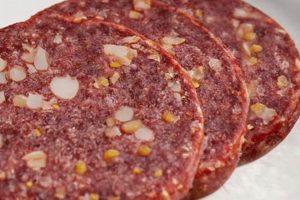
The central element represents a culinary formulation designed to replicate a traditional dish, adapted to exclude all animal-derived ingredients. This variation substitutes meat fillings with plant-based alternatives such as grains, legumes, vegetables, and plant-based protein sources, all encased within cabbage leaves and cooked in a sauce.
This adaptation offers several advantages, including a reduction in saturated fat and cholesterol content, while simultaneously increasing fiber intake. Furthermore, it aligns with ethical considerations regarding animal welfare and environmental sustainability. Historically, stuffed cabbage recipes have been a staple in various cultures, with this plant-based version providing a modern and conscientious interpretation.
The subsequent sections will explore key aspects relevant to preparing this dish, including ingredient selection, cooking techniques, and variations to suit diverse preferences.
Expert Guidance for Crafting Plant-Based Stuffed Cabbage
Achieving optimal results requires careful attention to specific techniques and ingredient choices. The following tips provide practical advice for successfully preparing this dish.
Tip 1: Cabbage Preparation is Crucial: Select a large, firm head of cabbage. To facilitate leaf removal, blanch the entire head in boiling water for several minutes, carefully peeling off softened leaves as they become pliable. Avoid tearing to maintain structural integrity for filling.
Tip 2: Optimize Filling Texture and Flavor: A well-balanced filling is essential. A blend of cooked grains (such as brown rice or quinoa), lentils, finely chopped vegetables (onions, carrots, bell peppers), and herbs provides a robust flavor and satisfying texture. Adjust the proportions based on personal preference.
Tip 3: Achieve Proper Filling Consistency: The filling should be moist enough to bind together but not so wet that it becomes mushy. Consider adding tomato paste, cooked tomato sauce, or a plant-based egg replacer to help bind the ingredients. Be mindful of the liquid content of individual components.
Tip 4: Secure and Compact Wrapping Technique: Place a spoonful of filling onto the base of each cabbage leaf. Fold the sides inward, then roll from the base to the tip, creating a compact and secure parcel. This prevents the filling from escaping during cooking.
Tip 5: Layering for Even Cooking: Arrange the filled cabbage rolls in a single layer in a large pot or Dutch oven. This promotes even cooking and prevents overcrowding. Add a layer of chopped cabbage to the bottom of the pot to prevent sticking.
Tip 6: Select a Flavorful Cooking Liquid: A tomato-based sauce is traditional, but vegetable broth or a combination of the two can also be used. Enhance the flavor with garlic, onions, herbs, and spices. Ensure the liquid covers the rolls completely.
Tip 7: Implement Gentle Cooking: Simmer the stuffed cabbage rolls over low heat for at least one to two hours, or until the cabbage is tender and the filling is heated through. Avoid boiling vigorously, as this can cause the rolls to fall apart. Check the liquid level periodically and add more as needed.
A successful outcome relies on careful planning and execution. By adhering to these recommendations, the final dish should exhibit appealing texture, rich flavor, and visual presentation.
The subsequent sections will detail possible variations and serving suggestions for this adapted classic.
1. Ingredient Substitution

Within the framework of plant-based stuffed cabbage, ingredient substitution is not merely an alteration but a foundational principle. The absence of animal products necessitates the strategic replacement of conventional components to replicate the desired taste, texture, and nutritional value. The effect of substituting ground meat, traditionally the central element, with alternatives such as cooked lentils, textured vegetable protein (TVP), or a combination of grains and vegetables, significantly impacts the dish’s overall character. For instance, lentils impart an earthy flavor and contribute dietary fiber, while TVP offers a meat-like texture. The choice of substitute directly influences the final flavor profile, requiring complementary adjustments in herbs, spices, and sauce composition. Thus, ingredient substitution becomes a careful balancing act, demanding a thorough understanding of the functional properties of each component.
Consider the specific example of replacing dairy-based sour cream, often served as a topping. Alternatives such as cashew cream, a blend of soaked cashews and water, or commercially available plant-based sour cream, offer similar richness and tanginess, albeit with distinct flavor nuances. Selecting the appropriate substitute requires consideration of the desired acidity level and fat content. Beyond flavor and texture, ingredient substitution also addresses nutritional considerations. Plant-based alternatives often provide lower saturated fat content and higher fiber levels compared to their animal-derived counterparts. The nutritional impact should be a key consideration when making substitutions, aligning with the health objectives of a plant-based diet. Effective substitutions require not only culinary knowledge but also an awareness of the nutritional profiles of various ingredients.
In conclusion, ingredient substitution is a critical determinant in the successful execution of plant-based stuffed cabbage. The choice of substitutes influences not only the flavor and texture but also the nutritional value of the dish. Mastering this aspect of the recipe involves a deep understanding of ingredient properties and careful consideration of their impact on the final product. While challenges exist in replicating the exact characteristics of traditional ingredients, thoughtful substitution offers a pathway to a delicious and nutritionally sound plant-based adaptation. This principle underscores the broader theme of adapting traditional recipes to align with contemporary dietary preferences and ethical considerations.
2. Flavor Profile

The Flavor Profile of any culinary creation dictates its overall palatability and defines its character. In the context of plant-based cabbage rolls, achieving a well-rounded and appealing flavor profile necessitates a strategic approach, given the absence of traditional meat-based elements. The flavor profile is not merely a sum of individual tastes but rather an intricate interplay of various components.
- Umami Enhancement
Umami, often described as savory, is a critical element often derived from meat in traditional recipes. In plant-based versions, achieving umami requires strategic incorporation of ingredients such as mushrooms (dried or fresh), soy sauce (or tamari for gluten-free versions), nutritional yeast, or roasted vegetables. These components provide depth and complexity, compensating for the absence of meat’s inherent umami notes. A carefully balanced umami presence can significantly enhance the overall satisfaction of the dish.
- Acidity and Brightness
Acidity contributes brightness and balance, preventing the dish from becoming overly heavy or monotonous. Tomato sauce forms the base for many cabbage roll recipes, providing a foundation of acidity. However, supplementing with additional acidic elements such as lemon juice, vinegar (balsamic or red wine), or fermented ingredients like sauerkraut can further enhance the flavor profile. The level of acidity should be carefully calibrated to complement the other flavors without overpowering them.
- Herbal and Spice Integration
Herbs and spices are essential for creating aromatic complexity and adding layers of flavor. Traditional recipes often incorporate herbs like dill, parsley, and thyme. In plant-based versions, experimenting with bolder spices such as smoked paprika, cumin, or coriander can add depth and warmth. Fresh herbs, added towards the end of cooking, retain their vibrancy and contribute a fresh aroma. The strategic use of herbs and spices elevates the flavor profile beyond simple taste, creating a more sensory experience.
- Sweetness and Caramelization
A subtle touch of sweetness can balance the savory and acidic elements, creating a more harmonious flavor profile. Caramelizing onions or adding a touch of maple syrup or brown sugar to the sauce can introduce this sweetness. The Maillard reaction, resulting from browning vegetables, also contributes to a more complex and appealing flavor. The interplay between sweet and savory notes is often crucial for creating a well-balanced and satisfying dish.
Achieving an optimized Flavor Profile in plant-based cabbage rolls necessitates a holistic approach, considering the interplay of umami, acidity, herbs, and sweetness. By carefully balancing these elements, it is possible to create a flavorful and satisfying dish that appeals to a wide range of palates. The goal is not simply to replicate the flavor of traditional recipes but to create a unique and compelling flavor profile that celebrates the potential of plant-based ingredients.
3. Texture Development

Texture development is a critical component in the creation of satisfying plant-based stuffed cabbage. The interaction of diverse ingredients during cooking dictates the final textural experience, influencing the overall palatability of the dish. The cabbage leaves, intended to provide a pliable and slightly yielding exterior, require proper blanching to avoid both excessive toughness and disintegration. Similarly, the filling, typically a combination of grains, vegetables, and legumes, must achieve a cohesive yet distinct texture. Overcooked grains result in a mushy filling, while undercooked vegetables offer an undesirable crunch. The appropriate balance is achieved through careful monitoring of cooking times and precise control of heat.
Consider, for example, the impact of lentil selection. Red lentils, known for their tendency to break down during cooking, contribute a smoother, almost creamy texture to the filling. Brown or green lentils, on the other hand, retain their shape, providing a more substantial, toothsome bite. The choice of lentil variety directly influences the overall textural profile, requiring compensatory adjustments in other ingredients. Furthermore, the addition of textured vegetable protein (TVP) can mimic the mouthfeel of ground meat, providing a textural element often absent in purely vegetable-based fillings. This underscores the importance of understanding how individual ingredients contribute to the final textural outcome. A well-executed plant-based recipe seeks to replicate the textural complexity of its traditional counterpart, acknowledging that texture plays a significant role in perceived flavor and satisfaction.
Achieving optimal texture in plant-based stuffed cabbage presents unique challenges. The absence of collagen-rich meat, responsible for much of the textural complexity in traditional versions, necessitates careful consideration of plant-based alternatives. The key insight is that successful texture development is not merely a matter of substituting ingredients, but rather understanding how those ingredients interact during the cooking process. This understanding allows for informed decisions that result in a cohesive and satisfying textural experience. While replicating the exact texture of traditional stuffed cabbage may prove difficult, the focus should remain on creating a dish that is both texturally diverse and palatable. This ultimately elevates the plant-based version beyond a mere substitute and establishes it as a flavorful and texturally compelling dish in its own right.
4. Nutritional Considerations

The nutritional profile of plant-based stuffed cabbage presents a compelling case for its integration into a balanced dietary regimen. Careful component selection and preparation methods can significantly influence the final nutritional outcome, making it imperative to consider various facets.
- Macronutrient Composition
The balance of macronutrientscarbohydrates, proteins, and fatsis a fundamental aspect of nutritional consideration. Plant-based stuffed cabbage, by virtue of its ingredients, typically exhibits a higher carbohydrate content derived from grains and vegetables. Protein sources, such as lentils or beans, contribute essential amino acids. Fat content depends largely on the oils used in cooking and the inclusion of ingredients like nuts or seeds. Optimizing this balance requires thoughtful selection of ingredients to ensure adequate protein intake and appropriate fat ratios.
- Fiber Content
Fiber plays a crucial role in digestive health and satiety. The abundance of vegetables, grains, and legumes in plant-based stuffed cabbage translates to a substantial fiber content. Dietary fiber aids in regulating blood sugar levels, promoting healthy bowel movements, and contributing to a feeling of fullness, which can assist in weight management. The inclusion of whole grains, rather than refined grains, further enhances the fiber profile of the dish.
- Micronutrient Profile
Plant-based diets are often rich in vitamins and minerals. Cabbage, a primary component, provides vitamin C and vitamin K. Other vegetables contribute various micronutrients depending on their type. Legumes are sources of iron and folate. Careful selection of diverse vegetables ensures a broad spectrum of micronutrients, contributing to overall health and well-being. Supplementation with fortified nutritional yeast can provide vitamin B12, which is not naturally abundant in plant-based sources.
- Sodium Content
The sodium content of plant-based stuffed cabbage can vary significantly depending on the ingredients used and the preparation methods. Processed ingredients, such as canned tomatoes or pre-made sauces, often contain high levels of sodium. Careful attention to ingredient selection and the use of fresh herbs and spices to enhance flavor can minimize sodium intake. Individuals with sodium-sensitive conditions should prioritize low-sodium options and consider preparing sauces from scratch.
These nutritional considerations highlight the potential of plant-based stuffed cabbage as a healthful and versatile dish. By carefully selecting ingredients and employing mindful preparation techniques, it is possible to create a nutritious meal that aligns with various dietary needs and preferences. Optimizing the macronutrient composition, fiber content, micronutrient profile, and sodium levels contributes to the overall nutritional value and promotes health benefits.
5. Culinary Technique

Culinary technique constitutes the foundational knowledge and skill set that underpins the successful execution of any recipe. In the context of plant-based stuffed cabbage, mastering these techniques is paramount to achieving the desired texture, flavor, and visual appeal, particularly given the absence of traditional animal-derived binders and flavor enhancers.
- Cabbage Leaf Preparation
Properly preparing the cabbage leaves is critical. The leaves must be pliable enough to be rolled without tearing, yet firm enough to maintain their structure during cooking. Blanching the entire cabbage head in boiling water is the standard method; however, the timing is crucial. Over-blanching renders the leaves too soft and fragile, while under-blanching leaves them too stiff and prone to cracking. Experienced practitioners often utilize a paring knife to thin the thickest part of the cabbage leaf rib to facilitate easier rolling. The skill lies in achieving a balance between suppleness and structural integrity.
- Filling Composition and Binding
The filling’s composition directly impacts the final texture and flavor. Plant-based fillings, unlike their meat-based counterparts, lack natural binders like collagen. Therefore, strategic selection and preparation of ingredients are necessary to create a cohesive filling. Overcooked grains become mushy, while undercooked vegetables retain an undesirable crunch. Common binding agents include tomato paste, cooked pured vegetables, or plant-based egg replacers. Achieving the optimal consistency, neither too dry nor too wet, requires careful judgment and precise ingredient proportions. An understanding of ingredient hydration properties is essential.
- Rolling and Shaping Technique
The method of rolling and shaping the cabbage rolls influences their structural integrity and cooking consistency. Improperly rolled cabbage rolls are prone to unraveling during simmering, causing the filling to spill out. A tight, compact roll is achieved by folding the sides of the cabbage leaf inward before rolling from the base towards the tip. This technique secures the filling and creates a consistent shape. Consistent size and shape contribute to even cooking throughout the batch. Seasoned cooks often employ a gentle pressing motion to compact the filling and remove excess air.
- Simmering and Sauce Management
The simmering process is vital for tenderizing the cabbage leaves and allowing the flavors to meld. A low and slow simmering ensures even cooking and prevents the rolls from falling apart. The choice of sauce and its consistency also plays a role. A thin sauce may not adequately coat the rolls, while a thick sauce may inhibit heat penetration. Periodically basting the rolls with the sauce during simmering enhances flavor and prevents drying. Monitoring the liquid level and adjusting heat accordingly is essential to prevent burning or sticking. Proper sauce management contributes significantly to the final flavor and texture of the dish.
These culinary techniques, when meticulously applied, elevate the plant-based stuffed cabbage beyond a mere imitation of the traditional dish. Mastery of cabbage leaf preparation, filling composition, rolling technique, and simmering management ensures a final product that is both visually appealing and texturally satisfying. Success stems from understanding ingredient properties and implementing precise cooking methods. The plant-based adaptation demands a heightened awareness of these techniques to compensate for the absence of animal-derived components.
Frequently Asked Questions
The following questions address common inquiries regarding the preparation and characteristics of a plant-based variation of stuffed cabbage.
Question 1: Is the flavor of plant-based stuffed cabbage comparable to traditional meat-filled versions?
While subtle differences exist, the flavor profile can be closely replicated through strategic use of umami-rich ingredients, such as mushrooms, roasted vegetables, and soy sauce. The incorporation of herbs and spices further enhances the overall taste, compensating for the absence of meat.
Question 2: What are suitable substitutes for the meat filling in a plant-based version?
Lentils, textured vegetable protein (TVP), and combinations of grains and vegetables serve as effective substitutes. Lentils provide a hearty texture and earthy flavor, while TVP offers a more meat-like consistency. The choice depends on the desired textural and flavor characteristics.
Question 3: How can the cabbage leaves be prevented from tearing during the rolling process?
Blanching the cabbage head in boiling water softens the leaves, making them more pliable. The duration of blanching is crucial; over-blanching results in excessively soft leaves, while under-blanching leaves them too rigid. Gentle handling during the rolling process is also essential.
Question 4: What can be used as a binder in the plant-based filling to prevent it from falling apart?
Tomato paste, cooked pureed vegetables, or plant-based egg replacers serve as effective binders. The key is to achieve a consistency that is neither too dry nor too wet. Precise ingredient proportions are essential to ensure proper binding.
Question 5: How long should plant-based stuffed cabbage be simmered?
A low and slow simmering for at least one to two hours is recommended. This allows the cabbage leaves to become tender and the flavors to meld. Monitoring the liquid level and adjusting heat as needed is essential to prevent burning or sticking.
Question 6: Can this recipe be adapted for gluten-free diets?
Yes, by using gluten-free grains, such as quinoa or brown rice, and substituting tamari for soy sauce. Ensure that all other ingredients are also gluten-free certified to avoid cross-contamination.
These answers provide insight into adapting traditional stuffed cabbage recipes to plant-based diets. Skillful execution and thoughtful ingredient selections are crucial.
The following section will offer various serving suggestions and creative variations for this plant-based adaptation.
Conclusion
The preceding analysis has detailed the intricacies of the “vegan stuffed cabbage recipe,” encompassing ingredient substitution, flavor profile optimization, texture development strategies, nutritional considerations, and essential culinary techniques. These elements, when meticulously addressed, contribute to a plant-based adaptation that retains the essence of the traditional dish while adhering to ethical and dietary guidelines.
Ultimately, the pursuit of culinary innovation necessitates a thorough understanding of fundamental principles. Continued experimentation and refinement of this “vegan stuffed cabbage recipe” will undoubtedly yield further advancements, promoting a more sustainable and health-conscious approach to gastronomic traditions.
![Easy Vegan Eggplant Parmesan Recipe [Classic Twist!] | Discover Delicious Vegan Food, Beauty Swaps, and Zero-Waste Tips for a Greener Life](https://thisvegangirl.com/wp-content/uploads/2026/04/th-78-300x200.jpg "Easy Vegan Eggplant Parmesan Recipe [Classic Twist!] Discover Delicious Vegan Food, Beauty Swaps, and Zero-Waste Tips for a Greener Life")