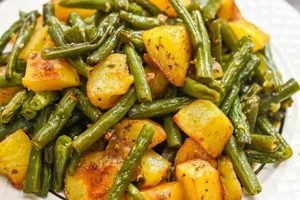
A culinary preparation involving cooked rice, typically stir-fried in a wok or pan, modified to exclude all animal products. Common variations incorporate vegetables, plant-based protein sources (such as tofu or tempeh), and seasonings to create a flavorful and satisfying meal. A specific example would be a preparation featuring brown rice, broccoli, carrots, peas, and cubed tofu, seasoned with soy sauce, ginger, and garlic.
This type of dish aligns with dietary choices prioritizing plant-based consumption, offering potential health advantages related to lower cholesterol and increased fiber intake. Furthermore, it supports sustainable eating practices by reducing reliance on animal agriculture. Its origins trace back to basic principles of utilizing leftover rice and available ingredients, evolving into a versatile and adaptable meal enjoyed across various cultures.
The following sections will detail specific techniques for creating this dish, outline essential ingredient substitutions, explore flavor profiles that complement its inherent characteristics, and present several variations to suit individual dietary needs and preferences.
Preparation Guidance
The subsequent recommendations aim to optimize the creation of a satisfying and nutritionally balanced meal, ensuring culinary success and adherence to plant-based dietary principles.
Tip 1: Rice Selection. Opt for day-old cooked rice. Freshly cooked rice tends to be too moist, resulting in a sticky and less desirable texture in the final preparation. Allowing the rice to dry slightly in the refrigerator overnight produces a more distinct grain separation during the stir-frying process.
Tip 2: Protein Integration. Tofu should be pressed thoroughly to remove excess water. This maximizes its ability to absorb flavors and achieve a firmer texture when stir-fried. Prior to addition, consider lightly coating the tofu with cornstarch for enhanced crispness.
Tip 3: Vegetable Pre-Treatment. Certain vegetables, such as broccoli or carrots, benefit from a brief blanching. This partial cooking softens them, ensuring they cook evenly with the rice and other ingredients in the wok or pan. Consider the relative cooking times of different vegetables when incorporating them.
Tip 4: Flavor Enhancement. Soy sauce forms a fundamental base for seasoning, but consider layering additional flavors with ingredients like sesame oil, ginger, garlic, and a touch of rice vinegar. Experiment with Umami-rich additions like nutritional yeast for depth.
Tip 5: High-Heat Cooking. Employ high heat during the stir-frying process to achieve optimal flavor development and texture. High heat promotes rapid cooking, preventing the vegetables from becoming soggy and allowing the rice to achieve a slight char, enhancing its overall taste.
Tip 6: Avoid Overcrowding. Cook in batches, if necessary. Overcrowding the wok or pan lowers the temperature and steams the ingredients instead of frying them, resulting in a less desirable texture and flavor.
Tip 7: Incorporate Fresh Herbs. Fresh herbs, such as cilantro or basil, added at the end of the cooking process, contribute a bright, aromatic element to the dish. They enhance the overall sensory experience and provide a visual appeal.
Adhering to these suggestions facilitates the creation of a balanced and palatable plant-based meal, maximizing its nutritional value and culinary appeal. Attention to ingredient preparation, cooking techniques, and flavor combinations contribute to a superior final product.
The subsequent sections will elaborate on ingredient substitutions and variations, enabling the adaptation of the dish to specific dietary requirements and flavor preferences.
1. Rice Variety Selection

The selection of rice fundamentally alters the texture, flavor profile, and nutritional composition of the dish. Different varieties possess varying starch contents and grain structures, impacting the final product’s consistency and palatability. For instance, long-grain rice, such as jasmine or basmati, remains relatively distinct after cooking, resulting in a lighter, less sticky preparation. Medium-grain rice, like calrose, exhibits a slightly stickier texture, while short-grain rice, typically used in sushi, possesses the highest starch content, leading to a cohesive and dense consistency. The choice between these options directly affects the stir-frying process and the overall mouthfeel of the dish. A preparation utilizing day-old brown rice, for example, will provide a chewier texture and a nuttier flavor profile compared to one made with freshly cooked white rice. This choice directly impacts the final recipe outcome.
The use of brown rice, a whole grain, offers nutritional advantages, including higher fiber content and a lower glycemic index compared to white rice. This can be significant for individuals managing blood sugar levels or seeking increased satiety. However, brown rice requires a longer cooking time and may yield a firmer texture, necessitating adjustments to the stir-frying process. Conversely, jasmine rice contributes a floral aroma and a softer texture, often preferred for its delicate flavor and ease of digestion. Therefore, the selection of a rice variety necessitates a consideration of both culinary and nutritional objectives. The influence on texture and flavor is a key consideration. Choosing the right type is paramount.
In conclusion, rice variety selection exerts a substantial influence on the outcome of the recipe. While no single “best” option exists, understanding the characteristics of different varieties enables informed decisions aligned with desired texture, flavor, and nutritional goals. Experimentation with various rice types allows for the discovery of personal preferences and the creation of tailored iterations of the recipe. Recognizing the interconnectedness between rice selection and the final product enhances culinary control and allows for consistent and predictable results, making it a crucial aspect of the dish.
2. Plant-Based Protein Source

The inclusion of a plant-based protein source is essential to the nutritional completeness and satiety of this preparation. The absence of animal products necessitates the incorporation of alternatives that provide amino acids necessary for human health. This consideration is not merely a substitution, but a deliberate effort to create a balanced meal. Tofu, for example, introduces a significant protein component, contributing to muscle maintenance and repair. Without a sufficient protein source, the dish may lack the sustained energy required for daily activities. A real-life example illustrates this point; a preparation consisting solely of rice and vegetables offers limited protein, potentially leading to feelings of hunger and decreased energy levels shortly after consumption. The protein component is not merely optional but a defining element of a balanced vegan diet. Omitting this consideration undermines the nutritional integrity of the dish. From a recipe standpoint, failure to incorporate adequate protein can result in a less satisfying culinary experience.
Beyond tofu, several other plant-based protein sources contribute effectively. Tempeh, derived from fermented soybeans, offers a firmer texture and a distinct flavor profile compared to tofu, providing an alternative for those seeking textural variety. Lentils, added either whole or pureed, introduce both protein and fiber, enhancing the dish’s nutritional value and textural complexity. Plant-based meat analogues, formulated from soy, pea, or other vegetable proteins, present another option, mimicking the taste and texture of traditional meat products. Seitan, made from wheat gluten, provides a chewy texture and a high protein content. Each of these alternatives offers unique nutritional and culinary attributes, allowing for flexibility in adapting the recipe to personal preferences and dietary needs. The choice depends on individual tastes and preferences.
In summary, the deliberate selection of a plant-based protein source is not simply a cosmetic addition; it is fundamental to the nutritional adequacy and overall satisfaction derived from this dish. Challenges may arise in balancing the flavor and texture contributions of the protein source with the other components of the dish, requiring careful consideration of preparation techniques and flavor pairings. Integrating high-quality protein is a core principle. The absence of proper protein undermines the dish. Incorporating an appropriate protein is paramount.
3. Vegetable Complement Integration

Vegetable complement integration is an essential component of preparations, influencing flavor, texture, and nutritional value. It describes the strategic selection and combination of vegetables to enhance the overall qualities of the dish. The absence of animal products necessitates a diverse and balanced array of vegetables to provide essential vitamins, minerals, and fiber. The inclusion of vegetables provides key nutrients, contributing to a balanced meal. Without them, the recipe would lack key micronutrients and fiber.
The integration impacts taste and texture. Consider a dish with only one or two vegetables; the flavor would lack depth and complexity. Example: carrot, peas, brocolli. Adding a variety of vegetables introduces a broader spectrum of flavors, from the sweetness of carrots to the earthy notes of mushrooms. Similarly, varying textures, such as the crunch of bell peppers and the softness of steamed spinach, contribute to a more engaging eating experience. Further consideration is given to ingredient interaction; some vegetables require longer cooking times, dictating the order of addition to the wok. The improper timing can result in unevenly cooked components, compromising the overall result.
In summary, thoughtful vegetable integration is a distinguishing element of this preparation. It addresses nutritional needs and shapes its sensory characteristics. Challenges arise in balancing different flavors and textures, requiring an understanding of cooking times and flavor pairings. Successfully done, vegetable integration distinguishes a meal. A nuanced approach creates a cohesive and satisfying final dish.
4. Flavor Profile Development
Flavor profile development is a critical component of any culinary creation, and its importance is magnified in plant-based cooking. In this dish, where animal-derived flavors are absent, the deliberate construction of a compelling flavor profile becomes essential to create a satisfying and memorable meal. It is the process of selecting, combining, and layering ingredients to achieve a harmonious and balanced taste experience. The flavor profile, in essence, dictates the overall appeal and memorability of the dish.
This development involves several interconnected elements. The base note, often derived from soy sauce or tamari, provides a savory foundation. Aromatic elements, such as ginger, garlic, and sesame oil, contribute complexity and depth. The addition of heat, through chili flakes or sriracha, introduces another dimension. Sweetness, often subtle, can be introduced with maple syrup or agave. Acidity, from rice vinegar or lime juice, balances the other flavors. Consider a scenario where the flavor profile is underdeveloped; the result could be a bland, uninspired preparation that fails to engage the palate. The careful balancing of these elements leads to a far more appealing end product.
Challenges in flavor profile development may arise from ingredient substitutions and personal preferences. Achieving umami is more complex with the absence of meat. A nuanced approach to seasonings and aromatics is necessary to replicate that savory sensation. Balancing diverse flavor pairings also necessitates careful attention. Some palates prefer a spicier profile, while others gravitate towards milder, sweeter tastes. Overcoming these requires an ability to adapt flavors. Understanding the principles of flavor profile development enables the creation of a satisfying, plant-based meal. It underscores the power of culinary creativity.
5. Cooking Technique Mastery
The successful execution of this recipe relies heavily on cooking technique mastery. The interplay of heat, timing, and ingredient manipulation directly influences the final product’s texture, flavor, and overall appeal. Insufficient command of fundamental cooking principles often results in a dish lacking the desired characteristics, such as correctly textured rice or properly cooked vegetables. Consider the stir-frying process itself; a failure to maintain a high and consistent temperature leads to steaming rather than frying, producing a soggy, less flavorful dish. Conversely, excessive heat can lead to burning, imparting a bitter taste and detracting from the other flavor components. Mastery is not merely about following instructions but about understanding and applying cooking principles effectively.
Specific techniques particularly relevant to this preparation include efficient stir-frying, proper moisture control, and effective seasoning distribution. Efficient stir-frying necessitates rapid and continuous movement of ingredients to ensure even cooking and prevent sticking. Moisture control is critical to achieving the desired texture; excessive moisture results in a mushy dish, while insufficient moisture can lead to dryness. Effective seasoning distribution ensures that flavors are evenly dispersed throughout the preparation, enhancing the overall taste experience. For example, the improper distribution of soy sauce can create pockets of overly salty flavor while leaving other areas bland. The connection between mastery and quality is clear. Superior technique results in a superior dish.
In summary, cooking technique mastery is a fundamental requirement for achieving culinary success in this recipe. Skillful execution directly impacts the texture, flavor, and overall appeal of the dish. Understanding and applying core cooking principles allows for predictable and repeatable results, while a lack of mastery often leads to inconsistent and unsatisfactory outcomes. Challenges may arise in maintaining proper heat control and moisture balance, necessitating practice and attention to detail. However, the commitment to developing cooking technique mastery yields significant rewards, transforming a simple collection of ingredients into a flavorful and satisfying plant-based meal.
6. Ingredient Substitution Proficiency

Ingredient substitution proficiency is paramount for successful preparation, particularly within the constraints of plant-based diets. The ability to modify the original formulation while maintaining desired flavor profiles and nutritional value reflects a deep understanding of culinary principles and ingredient properties. This capability extends the accessibility of the dish to individuals with allergies, dietary restrictions, or limited ingredient availability.
- Gluten-Free Alternatives
Traditional soy sauce contains gluten, posing a challenge for individuals with celiac disease or gluten sensitivities. Tamari, a Japanese soy sauce variant, often serves as a direct substitute, replicating the savory umami flavor without gluten. Coconut aminos offer another alternative, providing a slightly sweeter flavor profile. Understanding these options expands the recipe’s reach and accommodates diverse dietary needs.
- Egg Replacement Strategies
The absence of eggs, commonly used in traditional fried rice for binding and texture, necessitates alternative approaches. Plant-based egg substitutes, formulated from ingredients such as mung bean or soy protein, can mimic the textural properties of eggs. Alternatively, cornstarch slurry or mashed avocado can provide binding capabilities, albeit with slight alterations to the flavor and texture of the final product. This substitution showcases adapting textures for a specific outcome.
- Protein Source Flexibility
Tofu, tempeh, and plant-based meat alternatives serve as primary protein sources, each offering distinct textures and nutritional profiles. Substituting tofu with lentils or chickpeas alters the overall consistency and flavor, requiring adjustments to seasoning and cooking times. This flexibility enables individuals to tailor the recipe to their preferences and nutritional goals, further enhancing personalization.
- Vegetable Availability and Seasonality
Access to specific vegetables can vary based on geographic location and time of year. Substituting unavailable vegetables with readily accessible alternatives demonstrates practical adaptability. For example, if broccoli is unavailable, cauliflower or green beans can serve as viable replacements, maintaining the textural and nutritional diversity of the dish. This practice minimizes waste and promotes resourcefulness in the kitchen.
These facets collectively underscore the importance of ingredient substitution proficiency. This mastery expands the dish’s accessibility, accommodating diverse dietary needs, preferences, and resource constraints. A thorough understanding of ingredient properties empowers cooks to navigate challenges and create consistently satisfying preparations, irrespective of limitations. Adaptability is key, thus promoting sustainability.
7. Nutritional Balance Optimization
Nutritional balance optimization, when applied to preparations, involves a strategic approach to ingredient selection and portion control, aiming to maximize the intake of essential nutrients while minimizing potential deficiencies or excesses. Within the framework of a specifically plant-based preparation, this optimization becomes even more crucial due to the absence of animal-derived nutrients, which often serve as significant sources of protein, certain vitamins, and minerals in omnivorous diets. Therefore, the construction of this dish must prioritize the inclusion of a diverse array of plant-based ingredients to compensate for these omissions and ensure the provision of a complete and balanced nutritional profile. The impact of this optimized integration is observable in various aspects, from overall health benefits to the sustainability of meeting dietary requirements.
Effective nutritional balance optimization in this meal manifests through several specific strategies. A sufficient quantity of plant-based protein, derived from sources such as tofu, tempeh, or lentils, addresses the protein requirements. Incorporating a variety of colorful vegetables, including leafy greens, cruciferous vegetables, and root vegetables, ensures a broad spectrum of vitamins, minerals, and antioxidants. The inclusion of complex carbohydrates, preferentially from brown rice or quinoa, provides sustained energy release and dietary fiber. Healthy fats, derived from sources such as sesame oil or avocado, contribute to satiety and support the absorption of fat-soluble vitamins. Real-world examples emphasize this point. A preparation consisting primarily of white rice and a limited selection of vegetables lacks essential nutrients, whereas a more thoughtfully constructed version, incorporating the aforementioned elements, provides a significantly enhanced nutritional profile. The proper nutritional balance has direct implications. Without sufficient protein or nutrients, the dish loses many nutritional values.
In conclusion, nutritional balance optimization represents a cornerstone of successful preparations. It mitigates the risks of nutritional deficiencies inherent in restrictive dietary patterns. Successfully addressing the challenges of balancing macronutrient ratios and ensuring adequate micronutrient intake, a thoughtfully constructed dish can serve as a nutritious and satisfying meal, promoting long-term health and well-being. This optimization is not merely a theoretical consideration but a practical imperative, directly impacting the nutritional quality and overall health benefits of this widely consumed dish. Further analysis, such as calculating precise macronutrient ratios or examining the bioavailability of specific nutrients, can provide additional insights into refining the preparation’s nutritional profile.
Frequently Asked Questions
The following addresses common inquiries regarding the preparation and nutritional aspects of a plant-based version of a widely consumed dish. It aims to clarify potential misconceptions and provide evidence-based guidance.
Question 1: Is the nutritional value of a plant-based preparation comparable to that of a traditional version?
When prepared thoughtfully, a plant-based adaptation can achieve comparable or even superior nutritional value. Emphasizing diverse vegetables, plant-based protein sources, and whole grains ensures a comprehensive intake of vitamins, minerals, and fiber, often exceeding that of preparations reliant on animal products.
Question 2: How does one ensure sufficient protein intake in the absence of animal products?
Adequate protein intake can be readily achieved by incorporating protein-rich plant-based ingredients such as tofu, tempeh, lentils, chickpeas, or plant-based meat alternatives. Combining these ingredients with whole grains provides a complete amino acid profile, fulfilling protein requirements effectively.
Question 3: What strategies can be employed to enhance flavor in the absence of traditional flavor enhancers like fish sauce or oyster sauce?
Flavor enhancement can be achieved through the strategic use of umami-rich ingredients such as soy sauce, tamari, nutritional yeast, dried mushrooms, and seaweed. Experimentation with aromatic spices and herbs also contributes to a complex and satisfying flavor profile.
Question 4: Are there specific cooking techniques that optimize the texture and flavor of this dish?
High-heat stir-frying in a wok or large pan is crucial for achieving the desired texture and caramelization. Day-old cooked rice is preferred for its drier consistency, which prevents stickiness. Proper moisture control is also essential for avoiding a soggy result.
Question 5: How can the recipe be modified to accommodate specific dietary restrictions or allergies?
The recipe can be readily modified to address various dietary needs. Gluten-free versions can be created using tamari or coconut aminos in place of soy sauce. Individuals with soy allergies can substitute tofu or tempeh with lentils or chickpeas. The addition or exclusion of specific vegetables allows for further customization.
Question 6: What are some common pitfalls to avoid when preparing a plant-based version of this dish?
Common pitfalls include overcrowding the pan, using freshly cooked rice, skimping on flavor enhancers, and neglecting to incorporate a sufficient protein source. Avoiding these mistakes ensures a more flavorful and nutritionally balanced final product.
In conclusion, diligent attention to ingredient selection, cooking techniques, and flavor balancing allows for the creation of a nutritious and satisfying plant-based version of a widely enjoyed dish. Addressing common misconceptions and providing evidence-based guidance ensures accessibility for individuals with diverse dietary needs and preferences.
The following section will explore specific recipe variations, catering to different dietary needs and flavor preferences.
Recipe Vegan Fried Rice
The preceding analysis provides a comprehensive overview of crafting this specific culinary preparation. Key aspects, including rice selection, protein integration, flavor profile development, and nutritional optimization, have been thoroughly examined. Mastery of these elements is crucial for producing a palatable and nutritionally adequate plant-based meal. Failure to address these fundamental considerations compromises the final product’s quality and deviates from established dietary principles.
Further exploration and refinement of techniques remain essential. Continued emphasis on sustainable ingredient sourcing, innovative flavor combinations, and accessible preparation methods will solidify the role of this recipe as a viable and nutritious option. Commitment to culinary rigor and nutritional awareness will unlock its full potential, making it a staple for those seeking both health and culinary satisfaction.