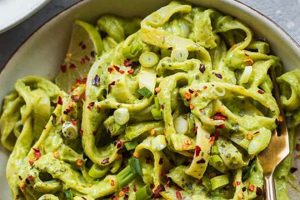
A plant-based alternative to traditional bone broth replicates the savory flavor and nutrient profile using vegetables, legumes, and other plant-derived ingredients. This preparation often involves simmering a combination of root vegetables like carrots and onions, mushrooms for umami, and seaweed for minerals, with herbs and spices to enhance the taste. For example, a typical preparation may include simmering vegetable scraps, lentils, and kombu with ginger and turmeric for an extended period to extract their flavors and nutrients.
The significance of this plant-based broth lies in its ability to provide a rich source of vitamins, minerals, and antioxidants without the use of animal products. Proponents suggest it offers similar benefits to traditional bone broth, such as supporting gut health, boosting the immune system, and providing essential nutrients. Historically, plant-based broths have been a staple in various cultures, valued for their nutritional properties and medicinal uses. The modern adaptation addresses the dietary needs of individuals following vegetarian or vegan lifestyles.
The following sections will delve into the specific ingredients commonly utilized in the production of a vegan broth, outlining their individual contributions to the overall nutritional value and flavor profile. Furthermore, a detailed preparation method will be presented, along with variations and suggestions for incorporating the broth into various culinary applications.
Tips for Crafting Superior Vegan Broth
Achieving a deeply flavorful and nutrient-rich vegan broth requires careful attention to ingredient selection, preparation techniques, and simmering time. The following guidelines aim to optimize the process for producing a high-quality plant-based broth.
Tip 1: Maximize Umami: Incorporate ingredients rich in glutamates, such as dried shiitake mushrooms, roasted tomatoes, or seaweed (kombu or nori). These components contribute a savory depth and complexity to the broth, mimicking the flavor profile of traditional bone broth.
Tip 2: Leverage Vegetable Scraps: Utilize vegetable trimmings, such as onion skins, carrot peels, and celery ends, to reduce waste and enhance the broth’s flavor. Ensure these scraps are thoroughly cleaned before use to remove any soil or contaminants.
Tip 3: Incorporate Legumes: Adding lentils or split peas to the broth provides protein and adds body. These legumes release starch during simmering, contributing to a richer, more substantial texture.
Tip 4: Embrace Herbs and Spices: Experiment with a variety of herbs and spices to create a complex flavor profile. Ginger, turmeric, bay leaves, thyme, and rosemary are excellent additions, providing both flavor and potential health benefits. Add delicate herbs later in the cooking process to preserve their volatile oils.
Tip 5: Extend Simmering Time: A longer simmering time allows for the extraction of more flavor and nutrients from the ingredients. Simmer the broth for at least 1-2 hours, or even longer for a deeper, more concentrated flavor. Monitor the water level and add more as needed to keep the ingredients submerged.
Tip 6: Adjust Acidity: A splash of apple cider vinegar or lemon juice can help to draw out minerals from the vegetables. Adding a small amount of acidity can also brighten the overall flavor of the broth.
Tip 7: Strain Thoroughly: After simmering, strain the broth through a fine-mesh sieve or cheesecloth to remove any solids. This will result in a clear and smooth final product.
These strategies provide guidance for producing a robust and nourishing plant-based broth. By focusing on ingredient quality and proper execution, a flavorful and beneficial alternative to traditional bone broth can be achieved.
The concluding sections will summarize the key points and address potential applications of this plant-based broth within various culinary settings.
1. Vegetable Selection

Vegetable selection is a fundamental determinant of the flavor profile, nutritional content, and overall quality of a vegan bone broth. The types and proportions of vegetables used directly impact the broth’s taste, aroma, and the concentration of vitamins, minerals, and antioxidants it contains. Improper vegetable selection can result in a bland, unbalanced, or even unpalatable final product, negating the desired benefits of consuming plant-based broth. Conversely, a carefully considered selection can produce a rich, flavorful, and nutritionally dense broth. For example, a combination of root vegetables like carrots and parsnips provides sweetness and depth, while alliums like onions and garlic contribute savory notes. Greens like kale or spinach add bitterness and a range of vitamins.
The specific vegetables chosen also influence the perceived health benefits of the final broth. For instance, incorporating ingredients such as ginger and turmeric introduces anti-inflammatory compounds. Mushrooms contribute umami flavor as well as potentially providing beta-glucans, which are known for immune-modulating effects. Furthermore, certain vegetables are more efficient at releasing their nutrients during the simmering process. Selecting a diverse range of vegetables ensures a broader spectrum of nutrients and a more complex and appealing flavor profile. The use of vegetable scraps, such as onion skins and carrot tops, is a common practice for enhancing flavor and minimizing waste, but requires careful consideration to avoid introducing undesirable tastes or contaminants.
In conclusion, the strategic vegetable selection is not merely an arbitrary step in the production of a vegan bone broth but rather a critical factor influencing both the sensory attributes and the nutritional value of the final product. A thoughtfully curated blend of vegetables, considering flavor profiles, nutrient content, and potential synergistic effects, is essential for creating a broth that is both palatable and beneficial. The selection directly contributes to the achievement of a successful and satisfying plant-based broth experience, mimicking the desirable characteristics of traditional bone broth.
2. Umami Enhancement

Umami enhancement is a crucial aspect of vegan broth formulation, aiming to replicate the savory depth inherent in traditional bone broth. The absence of animal-derived collagen and gelatin necessitates the strategic incorporation of plant-based ingredients that provide a similar glutamic acid-rich profile. Insufficient attention to umami results in a bland and less satisfying broth, failing to capture the desired savory complexity. For example, the addition of dried shiitake mushrooms, rich in glutamates, significantly amplifies the umami taste. Similarly, roasted tomatoes and seaweed, specifically kombu, contribute pronounced umami notes. The concentration of these ingredients directly correlates with the perceived savory intensity of the final broth.
Techniques for maximizing umami extraction include prolonged simmering and ingredient preparation methods such as roasting. Roasting vegetables concentrates their flavors, increasing the availability of glutamates. Extended simmering allows for the full release of these compounds into the broth. Practical applications of this understanding manifest in recipes that prioritize ingredients known for their umami content. For instance, a vegan broth recipe might call for sun-dried tomatoes, a source of concentrated umami, or nutritional yeast, which offers a cheesy, savory flavor. The inclusion of soy sauce or miso, fermented products high in glutamates, further enhances the umami profile. Proper integration and balance of these elements are essential for achieving a harmonious flavor profile.
Effective umami enhancement in vegan broth production presents challenges related to balancing flavors and avoiding excessive saltiness or overpowering individual ingredients. Overuse of any single umami source can lead to an unbalanced taste. The key is to create a synergistic blend of ingredients that complement each other. Understanding the role of umami within the overall flavor matrix is essential for creating a compelling plant-based broth. Ultimately, successful umami enhancement contributes significantly to achieving a broth that is both flavorful and satisfying, offering a viable alternative to traditional bone broth for vegan consumers.
3. Mineral Richness

Mineral richness is a critical component of a successful vegan bone broth recipe, directly impacting its nutritional value and purported health benefits. The inclusion of mineral-rich ingredients aims to mimic the nutrient profile of traditional bone broth, which derives its mineral content from animal bones. A deficiency in mineral content renders the plant-based broth less nutritious and undermines its potential to support bodily functions. For example, incorporating sea vegetables like kombu or wakame provides iodine, calcium, and magnesium. Root vegetables, such as carrots and potatoes, contribute potassium. Legumes, such as lentils and beans, offer iron and zinc. The strategic selection of these ingredients is vital for maximizing the mineral density of the final broth.
The practical significance of understanding mineral richness lies in its ability to inform ingredient choices and preparation methods. Extended simmering times, for instance, facilitate the release of minerals from vegetables into the broth. Adding a small amount of acidic ingredient, such as apple cider vinegar or lemon juice, can further enhance mineral extraction. Furthermore, the source and quality of the ingredients impact their mineral content. Organically grown vegetables, for example, may exhibit higher mineral levels compared to conventionally grown produce. Mineral supplementation, while not a traditional element of broth making, could be considered in specific circumstances to address nutritional deficiencies. The effective utilization of mineral-rich ingredients enhances the nutritional profile of the plant-based broth.
In summary, mineral richness is an indispensable characteristic of a well-formulated vegan bone broth recipe. It directly influences the broth’s nutritional value and its ability to support overall health. Through careful ingredient selection, optimized preparation techniques, and a thorough understanding of mineral sources, a plant-based broth can effectively replicate the mineral content and associated benefits of traditional bone broth, providing a nutritious and palatable alternative for those adhering to vegetarian or vegan diets. The absence of sufficient mineral content detracts from the broth’s health-promoting potential.
4. Simmering Duration
Simmering duration exerts a significant influence on the flavor profile, nutrient extraction, and overall quality of a vegan bone broth. The extended simmering process facilitates the breakdown of plant cell walls, releasing flavors and nutrients into the liquid medium. Insufficient simmering time results in a weak and underdeveloped broth, failing to capture the full potential of the ingredients. Conversely, excessive simmering can lead to a bitter or muddy flavor, particularly when cruciferous vegetables or certain herbs are overcooked. The optimal simmering duration depends on the specific ingredients used and the desired intensity of flavor. For example, a broth containing tougher root vegetables benefits from a longer simmering period compared to a broth based primarily on leafy greens. The careful management of simmering duration is, therefore, essential for achieving a balanced and flavorful final product.
The practical significance of understanding simmering duration manifests in the creation of effective vegan bone broth recipes. Recipes typically specify a simmering time ranging from one to several hours, depending on the ingredient composition. Shortening the simmering time significantly reduces the extraction of minerals and other nutrients. Prolonging the simmering duration beyond a certain point can result in the degradation of certain vitamins and the development of undesirable flavors. Adjusting simmering duration based on individual ingredient characteristics is critical; delicate herbs, for instance, are often added towards the end of the process to preserve their volatile oils. The visual appearance of the broth provides an indication of its readiness. A rich, golden color and a noticeable aroma suggest that sufficient flavor and nutrients have been extracted.
In summary, simmering duration serves as a crucial control variable in the creation of a vegan bone broth, directly influencing its flavor, nutritional content, and overall quality. Achieving the optimal simmering duration requires careful consideration of the specific ingredients used and the desired flavor profile. Over-simmering, as well as insufficient simmering, can have detrimental effects on the finished broth. Therefore, close monitoring and adherence to established simmering guidelines are vital for producing a palatable and nutritious plant-based broth. This careful attention to detail ensures that the final product effectively mimics the desired qualities of traditional bone broth in a vegan-friendly format.
5. Strain Efficiency

Strain efficiency, in the context of a plant-based broth preparation, refers to the thoroughness with which solid particulate matter is removed from the simmered liquid. The efficacy of this separation process directly impacts the clarity, texture, and overall palatability of the final product, and thus is of significant relevance to a high-quality vegan bone broth recipe.
- Clarity and Visual Appeal
Effective straining removes suspended solids, resulting in a translucent broth. This clarity enhances the visual appeal, contributing to a more desirable sensory experience. For example, a broth exhibiting a cloudy or murky appearance due to inadequate straining may be perceived as less refined, irrespective of its flavor profile. The clarity signals cleanliness and quality.
- Texture and Mouthfeel
Strain efficiency directly influences the broth’s texture. Removing small particles, such as vegetable fibers or sediment, results in a smoother mouthfeel. A broth that has not been adequately strained may contain gritty or pulpy remnants, detracting from its consumption experience. The targeted removal of solids contributes to a more pleasant sensory profile.
- Flavor Profile Refinement
While the simmering process extracts desired flavors from the ingredients, prolonged contact with solids can sometimes lead to the release of bitter or undesirable compounds. Efficient straining removes these solids, preventing the continued diffusion of these off-flavors into the broth. This refinement ensures a cleaner and more focused flavor profile, highlighting the intended tastes.
- Shelf Life Enhancement
The presence of particulate matter in a broth can accelerate spoilage. Bacteria and other microorganisms thrive on organic matter, and the presence of solids provides a greater surface area for microbial growth. By removing these solids through efficient straining, the shelf life of the vegan bone broth can be extended, reducing the risk of spoilage and preserving its quality over time.
The aforementioned aspects underscore the importance of meticulous straining techniques in the production of a palatable and visually appealing vegan bone broth. Whether employing fine-mesh sieves, cheesecloth, or specialized straining equipment, the emphasis on removing solids directly correlates with the refinement of both the sensory experience and the longevity of the product. Thus, strain efficiency stands as a critical consideration in any comprehensive plant-based broth preparation.
Frequently Asked Questions
This section addresses common inquiries regarding plant-based alternatives to traditional bone broth, providing clarity on ingredients, preparation, and nutritional aspects.
Question 1: Is a vegan bone broth recipe nutritionally comparable to traditional bone broth?
Nutritional similarity depends entirely on the ingredients used. A thoughtfully formulated vegan broth, incorporating mineral-rich vegetables, legumes, and seaweeds, can provide a range of vitamins, minerals, and antioxidants. However, traditional bone broth contains collagen and certain amino acids not readily available in plant-based sources. The vegan preparation offers a different, but potentially valuable, nutritional profile.
Question 2: What are the essential ingredients for a flavorful vegan bone broth recipe?
Key components include a base of root vegetables (carrots, onions, celery), umami-rich elements (mushrooms, roasted tomatoes, seaweed), herbs and spices (ginger, turmeric, bay leaves), and optionally, legumes (lentils, split peas) for added body. The specific proportions and combinations will influence the final flavor profile.
Question 3: How does simmering duration affect the outcome of a vegan bone broth recipe?
Extended simmering allows for greater extraction of flavor and nutrients from the ingredients. However, excessive simmering can lead to bitterness or a muddy flavor. A simmering time of 1-2 hours is generally recommended, with adjustments based on specific ingredient characteristics.
Question 4: Can vegetable scraps be safely used in a vegan bone broth recipe?
Vegetable scraps, such as onion skins, carrot peels, and celery ends, can be utilized to enhance flavor and reduce waste. However, thorough cleaning is essential to remove any soil or contaminants. Avoid using scraps from strong-tasting or bitter vegetables in excessive quantities.
Question 5: What is the best method for straining a vegan bone broth recipe?
Straining is crucial for achieving a clear and smooth broth. A fine-mesh sieve lined with cheesecloth is effective for removing even small particles. Specialized straining equipment can also be used. Thorough straining enhances the texture and palatability of the final product.
Question 6: How should a vegan bone broth recipe be stored to maintain its quality?
Once cooled, the broth should be stored in an airtight container in the refrigerator for up to 3-5 days. Alternatively, it can be frozen for longer-term storage. Proper storage practices minimize the risk of spoilage and preserve the flavor and nutritional value of the broth.
Vegan broth offers a plant-derived alternative to animal-based broths, requiring thoughtful ingredient selection and technique to achieve optimal results. Its nutritional profile, while different from traditional preparations, can still contribute to a balanced diet.
The following section will address common applications of this plant-based broth within various culinary settings.
Conclusion
This exploration of a vegan bone broth recipe has detailed its composition, nutritional considerations, and preparation techniques. Emphasis has been placed on ingredient selection, including vegetables, umami enhancers, and mineral sources, along with the importance of simmering duration and efficient straining. The objective has been to provide a comprehensive understanding of the key elements required to produce a palatable and potentially beneficial plant-based alternative to traditional bone broth.
The information presented should serve as a foundation for informed decision-making regarding dietary choices. Further research and experimentation are encouraged to refine individual recipes and optimize nutritional outcomes. The pursuit of knowledge in this area remains essential for promoting both culinary innovation and informed dietary practices.