Culinary preparations that adhere to both raw foodism and veganism exclude all animal products and are not heated above a specific temperature, typically around 104-118F (40-48C). This approach to food preparation prioritizes the preservation of enzymes and nutrients often diminished through cooking. A nut-based cheese alternative combined with sprouted seeds and fresh herbs, prepared without any cooking process, serves as a practical example of this dietary principle.
The integration of these practices presents several advantages, including increased consumption of plant-based fiber and a potentially higher intake of certain vitamins and minerals that are heat-sensitive. Historically, proponents have argued that consuming foods in their uncooked state promotes optimal digestion and overall well-being, although scientific evidence to fully support all such claims is still evolving.
The following sections will delve into specific aspects of this plant-focused, uncooked dietary style, addressing common ingredients, essential equipment, meal planning considerations, and strategies for successful implementation and adherence. Further discussion will consider potential nutritional considerations and relevant health aspects.
Essential Guidance
Optimal outcomes from plant-based uncooked diet plans require diligent planning and adherence to dietary principles. The following guidelines facilitate a successful transition and long-term compliance.
Tip 1: Focus on Soaking and Sprouting: Prioritize the soaking and sprouting of nuts, seeds, and legumes. These processes enhance digestibility and nutrient bioavailability, mitigating potential digestive discomfort.
Tip 2: Employ High-Speed Blenders: Invest in a high-speed blender to achieve desired textures for smoothies, sauces, and creamy soups. This tool is indispensable for achieving culinary versatility.
Tip 3: Utilize Dehydrators for Preservation: A food dehydrator allows for the preservation of seasonal produce and the creation of snacks like fruit leathers and vegetable chips. Maintaining a supply of dehydrated goods ensures dietary variety throughout the year.
Tip 4: Master Nut Milk Preparation: Learn to create nut milks from scratch using almonds, cashews, or other nuts. These milks serve as a base for smoothies, desserts, and savory sauces, avoiding processed alternatives.
Tip 5: Plan Meals in Advance: Develop a weekly meal plan to ensure adequate nutrient intake and minimize impulsive dietary choices. This proactive approach is crucial for sustained adherence.
Tip 6: Diversify Ingredient Selection: Incorporate a wide range of fruits, vegetables, nuts, seeds, and herbs to obtain a complete spectrum of vitamins, minerals, and phytonutrients. Monotony can lead to nutritional deficiencies.
Tip 7: Observe Food Combining Principles: Research and apply basic food combining guidelines to optimize digestion and nutrient absorption. This involves strategic pairings of different food groups.
Diligent application of these tips contributes significantly to the nutritional adequacy, palatability, and sustainability of this particular culinary approach.
Further sections will explore specific recipe categories, address potential challenges, and provide resources for continued learning and support.
1. Nutrient Bioavailability

Nutrient bioavailability, the degree to which a nutrient is absorbed and utilized by the body, is of paramount importance in uncooked, plant-based regimens. The absence of cooking can affect the release and subsequent absorption of certain micronutrients. For example, phytic acid, present in nuts, seeds, and legumes, can bind to minerals like iron and zinc, reducing their bioavailability. Strategies like soaking, sprouting, and fermentation are crucial as they reduce phytic acid levels, thereby enhancing mineral absorption. Without these steps, individuals following such diets are at increased risk of nutrient deficiencies.
Consider the practical example of iron. Iron from plant sources (non-heme iron) is inherently less bioavailable than iron from animal sources (heme iron). This difference is further exacerbated when plant-based foods are not properly prepared. Soaking pumpkin seeds overnight before incorporating them into a salad, or sprouting lentils before adding them to a soup, significantly improves the bioavailability of the iron and other minerals they contain. Furthermore, combining these iron-rich components with vitamin C-rich foods, such as lemon juice or bell peppers, further enhances iron absorption.
In conclusion, ensuring adequate nutrient bioavailability is not merely a peripheral consideration but a foundational principle. Overlooking this aspect can undermine the nutritional adequacy and potential health benefits of this diet. Conscious application of techniques to enhance bioavailability, combined with careful dietary planning and, when necessary, strategic supplementation, is essential for long-term health and well-being.
2. Enzyme Preservation

Enzyme preservation is a core tenet, predicated on the belief that naturally occurring enzymes in food support digestion and overall metabolic processes. This is based on the idea that heating foods above a certain temperature, typically 104-118F (40-48C), can denature or destroy these enzymes, thereby reducing their potential benefits. The uncooked dietary structure therefore, aims to retain these enzymes in their active state.
- Digestive Assistance
Proponents suggest that consuming enzyme-rich foods eases the digestive burden on the body. For instance, fruits like papayas and pineapples contain proteolytic enzymes (papain and bromelain, respectively) that aid in protein digestion. Preparing a smoothie utilizing these fruits without heating maintains the enzymatic activity, theoretically reducing the need for the body to produce as many digestive enzymes itself. This is claimed to conserve energy and improve nutrient absorption, although scientific consensus on the magnitude of this effect remains a subject of ongoing debate.
- Nutrient Availability Enhancement
It is hypothesized that intact food enzymes may play a role in liberating nutrients from food matrices. The enzymatic breakdown of complex carbohydrates, proteins, and fats may facilitate their absorption in the digestive tract. For example, amylases present in sprouted grains may pre-digest starches, making glucose more readily available. However, the extent to which plant enzymes significantly contribute to nutrient absorption in the presence of endogenous human digestive enzymes is a complex question.
- Food Quality and Spoilage
Enzymes are not only relevant to digestion; they also impact food quality and spoilage. In uncooked preparations, enzymatic activity can contribute to desired outcomes, such as the fermentation of vegetables, or undesired effects, such as browning of fruits. Understanding and controlling enzymatic reactions is crucial for maintaining the quality and shelf life of products. Employing techniques like acidulation (adding lemon juice) or anaerobic conditions (fermentation) helps manage enzymatic activity effectively.
- Limitations and Considerations
While enzyme preservation is a guiding principle, its practical significance is subject to scientific scrutiny. The human body naturally produces a vast array of powerful digestive enzymes. The extent to which ingested plant enzymes survive the acidic environment of the stomach and contribute meaningfully to digestion is a matter of ongoing research. Individuals considering this dietary approach should understand these limitations and potential benefits while recognizing that a balanced and varied diet remains the cornerstone of good health.
In summary, the emphasis on enzyme preservation highlights the unique characteristics of a plant-based, uncooked regimen. While the precise role of plant enzymes in human digestion is still being investigated, the focus on retaining these enzymes underscores the intent to consume foods in their most natural and unadulterated state. Further, that underscores the belief in the inherent vitality and nutritional completeness of such foods. This belief underpins many of the principles and practices inherent in uncooked, plant-based culinary approaches.
3. Texture Enhancement

In uncooked, plant-based cuisine, texture enhancement assumes a significant role due to the absence of traditional cooking methods that alter the structural properties of ingredients. Unlike cooked dishes, which often rely on heat to soften, caramelize, or bind elements, uncooked preparations must achieve desirable mouthfeel and structural integrity through alternative means. The success of such dietary plans hinges, in part, on the ability to create appealing and satisfying textural experiences. Ingredients in their natural state often present challenges regarding palatability and overall appeal. A simple carrot, for instance, while nutritious, lacks the textural complexity of a roasted carrot with caramelized edges or a pureed carrot soup with a smooth, velvety consistency.
High-speed blending and food processing are crucial for creating creamy sauces, smooth soups, and finely ground nut butters. Dehydration transforms fruits and vegetables into chewy, concentrated snacks. Marinating vegetables in acidic dressings can soften their fibers and enhance their flavor. Sprouting seeds and grains not only improves nutrient bioavailability but also alters their texture, rendering them more palatable and easier to digest. The strategic use of hydrocolloids, derived from seaweed or plant fibers, can act as thickening or gelling agents, mimicking the effects of traditional cooking techniques. A raw vegan cheesecake, for example, relies on blended cashews and coconut oil for its creamy base, while dates and nuts provide a dense, chewy crust. This demonstrates how textural expectations can be met without heat, using innovative ingredient combinations and processing methods.
Achieving appealing textures in uncooked vegan cuisine requires both creativity and technical skill. Overcoming the limitations imposed by the absence of cooking necessitates a deep understanding of ingredient properties and the application of specialized techniques. The ability to create diverse and satisfying textures is paramount for long-term adherence and overall enjoyment. The focus on texture is not merely an aesthetic consideration; it directly impacts the perceived quality and desirability of the food, influencing both its nutritional value and overall appeal.
4. Ingredient Sourcing
Ingredient sourcing constitutes a critical aspect of uncooked, plant-based culinary practices. The selection and procurement of ingredients directly impact the nutritional profile, ethical considerations, and overall sustainability of the dietary approach. The specific constraints imposed by the absence of cooking magnify the importance of selecting high-quality, fresh, and ethically produced foods.
- Seasonality and Locality
Prioritizing seasonal and locally sourced ingredients maximizes nutrient density and minimizes environmental impact. Consuming produce during its peak season ensures optimal flavor and nutritional content. Sourcing from local farms and producers reduces transportation distances, lowering carbon emissions and supporting regional economies. For example, selecting locally grown tomatoes in summer, compared to importing them out of season, provides superior flavor and minimizes the environmental footprint.
- Organic and Sustainable Practices
Opting for organically grown produce minimizes exposure to synthetic pesticides and herbicides. Sustainable farming practices, such as crop rotation and reduced tillage, promote soil health and biodiversity. The selection of certified organic or sustainably grown ingredients aligns with the ethical considerations often associated with plant-based dietary choices. For instance, choosing certified organic avocados ensures the absence of harmful chemical residues and supports farming practices that protect the environment.
- Ethical Considerations and Fair Trade
The procurement of ingredients should consider ethical implications, particularly regarding fair labor practices and the welfare of agricultural workers. Selecting fair trade certified products ensures that producers receive fair compensation for their labor and that ethical standards are upheld throughout the supply chain. For example, sourcing fair trade certified cashews guarantees that farmers receive a fair price for their crops and are working in safe conditions.
- Storage and Preservation
Appropriate storage and preservation techniques are essential for maintaining the quality and nutritional integrity of ingredients in uncooked preparations. Proper storage conditions, such as refrigeration and controlled humidity, prevent spoilage and extend the shelf life of fresh produce. Methods like dehydration and fermentation offer additional means of preserving seasonal ingredients for year-round use. For example, dehydrating surplus tomatoes in the summer allows for their incorporation into uncooked sauces and dressings during the winter months.
Ingredient sourcing is, therefore, not merely a logistical consideration but an integral component of the entire dietary approach. The choices made regarding ingredient selection reflect a commitment to nutritional quality, ethical practices, and environmental stewardship. Careful consideration of seasonality, locality, organic practices, fair trade, and proper storage ensures the integrity and sustainability of this culinary approach.
5. Digestive Optimization

Digestive optimization, encompassing the processes by which food is efficiently broken down, nutrients are absorbed, and waste is eliminated, assumes heightened significance within the context of predominantly uncooked, plant-based diets. The inherent characteristics of uncooked plant matter, including its fiber content and enzymatic activity, necessitate careful consideration to maximize digestive efficiency and minimize potential adverse effects.
- Fiber Modulation
Uncooked plant materials are characteristically high in dietary fiber, both soluble and insoluble. While fiber is essential for promoting gut motility and regulating blood sugar levels, excessive intake, particularly without adequate hydration, can lead to digestive discomfort, including bloating and gas. Strategies such as gradually increasing fiber intake, incorporating fermented plant foods, and ensuring sufficient water consumption are crucial for mitigating these effects. The inherent fiber content requires an adaptive approach that prioritizes digestibility.
- Enzyme Contribution
The consumption of uncooked plant matter is often predicated on the belief that naturally occurring enzymes within these foods aid in the digestive process. While endogenous human digestive enzymes are primarily responsible for nutrient breakdown, plant-derived enzymes, such as those found in fruits like papaya and pineapple, may supplement these processes. However, the extent to which these enzymes survive the acidic environment of the stomach and contribute significantly to digestion remains a subject of scientific debate. Their potential role cannot be disregarded, especially in the absence of cooking, which can denature enzymes.
- Food Combining Principles
Some practitioners advocate for specific food combining strategies to optimize digestion. These strategies often involve separating certain food groups, such as fruits and starches, to allegedly enhance digestive efficiency. While scientific evidence supporting these claims is limited, anecdotal reports suggest that certain individuals experience improved digestive comfort through careful food pairing. The impact of food combining on digestive optimization requires empirical validation through controlled studies.
- Potential Anti-Nutrient Mitigation
Uncooked plant foods may contain anti-nutrients, such as phytates and oxalates, which can inhibit the absorption of certain minerals. Techniques such as soaking, sprouting, and fermenting can reduce the levels of these compounds, thereby enhancing nutrient bioavailability and digestive comfort. The application of these techniques represents a proactive approach to mitigating the potential negative effects of anti-nutrients present in certain plant foods.
Digestive optimization within an uncooked, plant-based dietary framework necessitates a multifaceted approach, encompassing fiber modulation, consideration of enzyme contributions, exploration of food combining principles, and mitigation of potential anti-nutrients. Each facet plays a role in determining the overall digestive experience and nutritional outcomes. A nuanced understanding of these factors is essential for maximizing the benefits and minimizing the potential drawbacks of this culinary style.
6. Culinary Versatility

Culinary versatility, the capacity to create a diverse and appealing range of dishes, directly impacts the long-term viability and acceptance of uncooked, plant-based eating practices. The absence of cooking, a transformative process in traditional cuisine, imposes constraints that necessitate resourceful and inventive approaches to achieve diverse flavor profiles and textures. Without culinary versatility, adherence to this specific dietary approach becomes difficult, resulting in nutritional imbalances or abandonment of the diet. Recipes must extend beyond simple salads and fruit platters to encompass a variety of meal types, flavors, and culinary styles to maintain interest and provide a balanced nutrient intake.
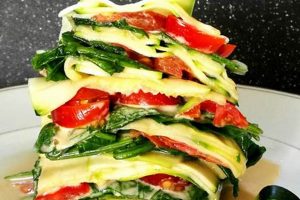
Consider the practical example of creating a “raw” lasagna. Traditional lasagna relies on cooked pasta, a rich meat sauce, and creamy cheese. A “raw” version necessitates ingenuity: thinly sliced zucchini or cucumber can substitute for pasta sheets, a nut-based “ricotta” cheese alternative is made from blended cashews and herbs, and a sun-dried tomato and vegetable pure replaces the cooked meat sauce. This example illustrates how culinary versatility transforms familiar dishes into uncooked, plant-based alternatives, broadening the appeal and demonstrating the potential for diverse meals. Further examples include the transformation of common foods like pizza, burgers, and various desserts utilizing ingredients and techniques such as nut-based cheeses, dehydrated vegetable crusts, sprouted grain breads, and frozen fruit desserts. These show that creative application of raw vegan principles can mirror the variety offered in conventional diets.
The importance of culinary versatility in uncooked, plant-based diets cannot be overstated. It extends beyond mere replication of familiar dishes; it necessitates the development of new techniques, flavor combinations, and ingredient pairings to create meals that are both nutritionally complete and gastronomically satisfying. Overcoming these challenges requires a deep understanding of food science principles and a willingness to experiment with unconventional ingredients and methods. In summary, culinary versatility is a critical determinant of long-term adherence, nutritional adequacy, and overall success in uncooked, plant-based dietary approaches.
Frequently Asked Questions
The following addresses prevalent inquiries regarding uncooked, plant-based preparations, providing clear and concise responses to common concerns.
Question 1: Is a diet consisting solely of uncooked, plant-based preparations nutritionally complete?
Achieving nutritional completeness on such a diet requires meticulous planning and attention to detail. Certain nutrients, such as vitamin B12, are not readily available in plant-based sources and may necessitate supplementation. Additionally, strategies to enhance mineral bioavailability, like soaking nuts and seeds, are crucial for mitigating potential deficiencies. A registered dietitian experienced in plant-based nutrition can provide personalized guidance.
Question 2: What are the primary challenges associated with adhering to an uncooked, plant-based dietary approach?
Common challenges include social constraints, time commitment for food preparation, and potential digestive discomfort. Social situations often involve limited options, requiring pre-planning or selective participation. The preparation of elaborate, uncooked dishes can be time-consuming. High fiber content may initially cause digestive issues; gradual adaptation and adequate hydration are recommended.
Question 3: How can palatability be enhanced in uncooked, plant-based preparations?
Palatability can be improved through strategic use of flavor enhancers, varied textures, and creative ingredient combinations. Marinating vegetables, incorporating herbs and spices, and blending nuts and seeds into creamy sauces contribute to enhanced flavor profiles. Utilizing techniques such as dehydration and fermentation can also introduce new and appealing textures.
Question 4: Are there specific health conditions that contraindicate an uncooked, plant-based diet?
Individuals with pre-existing digestive disorders, nutrient deficiencies, or compromised immune systems should exercise caution and consult with a healthcare professional before adopting this dietary approach. Certain medical conditions may necessitate modifications or contraindicate the diet altogether. Professional guidance is essential to ensure safety and avoid adverse health outcomes.
Question 5: What equipment is essential for preparing uncooked, plant-based meals?
Essential equipment includes a high-speed blender, food processor, and dehydrator. A high-speed blender facilitates the creation of creamy sauces and smoothies. A food processor is useful for chopping vegetables and grinding nuts. A dehydrator allows for the preservation of produce and creation of snacks. Investment in quality equipment streamlines preparation and expands culinary possibilities.
Question 6: How can social and cultural barriers to uncooked, plant-based eating be overcome?
Overcoming social and cultural barriers involves education, communication, and proactive planning. Educating friends and family about the dietary approach can foster understanding and support. Communicating dietary needs in social settings ensures accommodation. Preparing and sharing dishes with others demonstrates the appealing nature of the cuisine. This approach transforms potential obstacles into opportunities for education and positive engagement.
In conclusion, while uncooked, plant-based preparations offer potential benefits, their successful implementation requires informed decision-making, careful planning, and attention to individual needs. Professional guidance is recommended to ensure nutritional adequacy and address potential health concerns.
Further discussion will address resources available for continued learning and support in adopting this dietary approach.
Conclusion
This exploration of uncooked, plant-based culinary practices has highlighted key considerations for nutritional adequacy, culinary versatility, and long-term adherence. The careful selection of ingredients, the application of techniques to enhance nutrient bioavailability and optimize digestion, and the conscious effort to achieve varied and appealing textures are all essential components of this dietary approach. “Raw recipes vegan”, therefore, represent more than a set of culinary instructions; they embody a comprehensive philosophy centered on the consumption of whole, unprocessed plant foods.
Adoption of “raw recipes vegan” principles demands a commitment to informed decision-making and ongoing education. The potential benefits, while compelling, must be weighed against the potential challenges and the need for meticulous planning. Individuals considering this dietary path are encouraged to seek professional guidance to ensure optimal health outcomes and sustainable implementation. The ongoing evolution of nutritional science will undoubtedly continue to refine our understanding of the long-term impacts of uncooked, plant-based diets, underscoring the importance of continuous learning and adaptation.