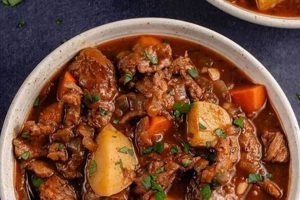
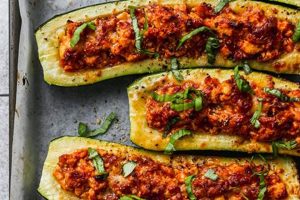
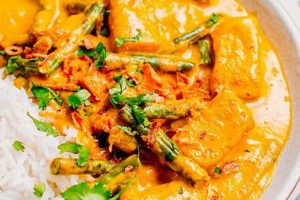
Recipes featuring Swiss chard that are also entirely plant-based offer a flavorful and nutritious culinary experience. Such dishes exclude all animal products, relying instead on vegetables, grains, legumes, fruits, nuts, seeds, herbs, and spices to create satisfying and wholesome meals. A simple example includes sauted chard with garlic, lemon juice, and a sprinkle of red pepper flakes, served alongside quinoa.
The significance of developing plant-based dishes lies in their potential health benefits, environmental sustainability, and ethical considerations. Plant-rich diets are often associated with lower risks of heart disease, type 2 diabetes, and certain cancers. Furthermore, reducing reliance on animal agriculture can lessen the environmental impact related to greenhouse gas emissions and land usage. Historically, plant-based cuisines have been integral to many cultures worldwide, reflecting a deep connection to the land and its bounty.
The subsequent sections will explore various approaches to preparing Swiss chard in a plant-based manner, covering different cooking methods, flavor profiles, and nutritional considerations. Emphasis will be placed on techniques to maximize the vegetable’s inherent flavor and texture while ensuring a balanced and satisfying meal.
Preparation Strategies for Plant-Based Swiss Chard Dishes
The following guidelines offer practical advice for individuals seeking to create flavorful and nutritionally complete plant-based meals centered around Swiss chard.
Tip 1: Stalk Utilization. Do not discard the stalks. These often-overlooked parts of the chard possess a distinct flavor and can be prepared similarly to celery or asparagus. Dice and saut them before adding the leaves to ensure even cooking.
Tip 2: Blanching for Tenderness. Blanching the chard leaves briefly in boiling water can help reduce bitterness and improve texture, particularly for individuals sensitive to the vegetable’s inherent sharpness. Immediately transfer the blanched leaves to an ice bath to halt the cooking process and preserve their vibrant color.
Tip 3: Flavor Pairing Considerations. Swiss chard pairs well with a variety of plant-based flavors. Consider incorporating ingredients such as garlic, lemon juice, olive oil, toasted nuts (pine nuts, walnuts), sun-dried tomatoes, and vegetable broth to enhance the overall taste profile.
Tip 4: Nutritional Enhancement. To increase the nutritional value of the dish, combine the chard with other nutrient-rich ingredients. Legumes (chickpeas, lentils), whole grains (quinoa, brown rice), and seeds (pumpkin seeds, sunflower seeds) contribute additional protein, fiber, and essential minerals.
Tip 5: Cooking Method Adaptation. Swiss chard can be prepared using various cooking methods, including sauting, steaming, braising, and baking. Adjust the cooking time based on the chosen method to prevent overcooking, which can result in a mushy texture.
Tip 6: Proper Storage Techniques. To maintain freshness, store unwashed Swiss chard in a plastic bag in the refrigerator for up to five days. Wash the chard thoroughly just before use to remove any dirt or debris.
Tip 7: Creative Dish Integration. Explore incorporating Swiss chard into diverse culinary applications beyond simple side dishes. Consider adding it to plant-based soups, stews, stir-fries, wraps, or even using it as a filling for vegan ravioli or enchiladas.
By implementing these strategies, individuals can successfully incorporate Swiss chard into their plant-based diets, creating flavorful, nutritious, and sustainable meals.
The subsequent section will present specific recipes that showcase the versatility of Swiss chard in plant-based cuisine.
1. Flavor Combinations

Flavor combinations are paramount in developing palatable and satisfying plant-based chard dishes. The inherent characteristics of chard, including its slightly earthy and sometimes bitter notes, necessitate careful selection of complementary ingredients to achieve a harmonious taste profile.
- Acidic Balancing Agents
Acidity effectively cuts through the natural bitterness of chard. Ingredients such as lemon juice, vinegar (balsamic, apple cider), and tomatoes provide this necessary balance. For example, a simple saut of chard with garlic and a squeeze of lemon juice creates a bright and refreshing dish, mitigating any perceived bitterness. The omission of such agents often results in a less palatable final product, particularly for individuals sensitive to bitter flavors.
- Umami-Rich Components
Incorporating umami-rich ingredients adds depth and complexity to plant-based chard preparations. Options include mushrooms (shiitake, cremini), nutritional yeast, sun-dried tomatoes, and miso paste. A chard and white bean stew flavored with sauted mushrooms and a touch of miso offers a savory and substantial meal, providing a sense of satiety that is often desired in plant-based cuisine. These ingredients contribute glutamates, compounds that enhance the savory dimension of the dish.
- Aromatic Herbs and Spices
Aromatic herbs and spices enhance the overall sensory experience and complement the flavor profile of chard. Garlic, onions, shallots, ginger, red pepper flakes, and smoked paprika are effective choices. A chard stir-fry with ginger and garlic imparts a warm and fragrant quality, transforming a simple vegetable into a flavorful and aromatic dish. Proper utilization of herbs and spices can mask undesirable flavors and accentuate desirable ones.
- Fatty Elements
The addition of healthy fats improves the mouthfeel and satiety of plant-based chard dishes. Options include olive oil, avocado, nuts (pine nuts, walnuts), and seeds (sunflower seeds, pumpkin seeds). Sauting chard in olive oil with a sprinkle of toasted pine nuts creates a luxurious and satisfying side dish. The fat molecules contribute to a smoother texture and enhance the absorption of fat-soluble vitamins present in the chard.
The judicious combination of acidic, umami-rich, aromatic, and fatty elements is critical for crafting appealing “chard recipe vegan” that address both the inherent flavors of the vegetable and the overall nutritional and sensory goals of plant-based cuisine. Experimentation with these elements is encouraged to develop unique and satisfying culinary creations. The goal is to achieve a balanced and complex flavor profile that elevates the chard beyond a simple vegetable side dish.
2. Nutrient Density

The intersection of nutrient density and plant-based Swiss chard preparations underscores a crucial aspect of healthy vegan cuisine. Nutrient density refers to the concentration of micronutrients (vitamins, minerals) and macronutrients (protein, carbohydrates, healthy fats) per calorie in a given food. Swiss chard, inherently rich in vitamins A, C, and K, as well as minerals like magnesium and potassium, serves as an ideal base for nutrient-dense vegan meals. When crafted into plant-based recipes, chard can form the cornerstone of dishes that offer significant nutritional value without excessive caloric intake. An example is combining chard with lentils, brown rice, and spices, creating a dish high in fiber, protein, and various micronutrients. The deliberate inclusion of such complementary ingredients effectively amplifies the overall nutritional profile of the dish, promoting optimal health.
The strategic combination of chard with other plant-based foods can further enhance its nutrient density. For instance, pairing chard with nuts and seeds contributes healthy fats, while incorporating legumes provides essential amino acids for complete protein synthesis. Moreover, cooking methods influence nutrient retention. Steaming or lightly sauting chard, rather than boiling it, minimizes the loss of water-soluble vitamins. Understanding these interactions allows for the creation of recipes that not only taste appealing but also maximize the bioavailability of nutrients. The omission of nutrient-rich components, or improper cooking techniques, reduces the benefits derived from the consumption of the chard and its accompaniments.
In conclusion, the conscious prioritization of nutrient density in plant-based Swiss chard dishes is paramount for achieving optimal health outcomes. By carefully selecting complementary ingredients and employing appropriate cooking methods, the inherent nutritional value of chard can be amplified, resulting in meals that are both satisfying and beneficial. A failure to recognize and implement these principles undermines the potential health advantages of adopting plant-based eating patterns. Therefore, understanding and actively promoting nutrient density are fundamental tenets of effective plant-based culinary practice.
3. Preparation Techniques
The successful execution of “chard recipe vegan” hinges significantly on the selection and application of appropriate preparation techniques. These techniques directly influence the final product’s texture, flavor profile, and nutrient retention, ultimately determining the dish’s overall palatability and nutritional value. Proper techniques mitigate the inherent challenges associated with chard, such as its potential bitterness or fibrous texture.
- Blanching and Shocking
Blanching involves briefly immersing chard leaves in boiling water followed by immediate transfer to an ice bath (shocking). This process serves to tenderize the leaves, reduce bitterness, and preserve their vibrant color. Within the context of “chard recipe vegan,” blanching is particularly useful when the chard is to be incorporated into salads, wraps, or other dishes where a slightly softer texture is desired. Failure to properly blanch can result in an unpleasantly bitter or tough final product.
- Sauting with Aromatics
Sauting, a dry-heat cooking method, involves cooking chard in a skillet with a small amount of oil, often alongside aromatic ingredients such as garlic, onions, and ginger. This technique allows the chard to develop a slightly caramelized flavor while retaining some of its inherent crispness. In “chard recipe vegan” preparations, sauting is commonly employed as a method for creating flavorful side dishes or components of larger meals, such as stir-fries or grain bowls. The strategic use of aromatics enhances the overall flavor profile, masking any residual bitterness and adding depth to the dish.
- Stem Preparation
Chard stems, often discarded, possess a distinct flavor and texture that can be utilized effectively in “chard recipe vegan” recipes. Due to their longer cooking time, stems should be separated from the leaves and prepared separately. Common techniques include dicing the stems and sauting or steaming them until tender. Properly prepared stems can add a textural element and a mild, celery-like flavor to dishes such as soups, stews, and vegetable medleys. Neglecting the stems represents a missed opportunity to maximize ingredient utilization and reduce food waste.
- De-Ribbing and Chopping
De-ribbing refers to removing the thick central rib of the chard leaf. This step is crucial for achieving a more uniform texture, particularly when the chard is to be eaten raw or incorporated into dishes with delicate flavors. Chopping, the process of cutting the chard into smaller pieces, also influences the final product’s texture and cook time. In “chard recipe vegan” applications, the size and shape of the chopped chard should be tailored to the specific recipe requirements, ensuring even cooking and optimal flavor distribution. Inconsistent chopping can lead to uneven cooking and an undesirable textural contrast.
These preparation techniques, when applied thoughtfully, unlock the full potential of chard in plant-based cuisine. By mastering these methods, individuals can create flavorful, nutritious, and visually appealing “chard recipe vegan” that cater to diverse culinary preferences and dietary needs. The omission of these crucial preparation steps often leads to suboptimal results, highlighting the importance of technique mastery in achieving culinary success.
4. Ingredient Sourcing

Ingredient sourcing constitutes a foundational element in the creation of compelling and ethically sound “chard recipe vegan” offerings. The origin, quality, and production methods of ingredients exert a substantial influence on the dish’s nutritional profile, environmental impact, and overall flavor.
- Local and Seasonal Procurement
Prioritizing locally and seasonally sourced chard enhances freshness and reduces transportation-related environmental impacts. Purchasing chard from local farmers’ markets or community-supported agriculture (CSA) programs supports regional economies and often ensures access to varieties bred for flavor rather than shelf life. For example, a late summer “chard recipe vegan” might feature chard grown within a 50-mile radius, paired with other seasonal produce from the same locale. The alternative, relying on chard transported long distances, diminishes flavor and increases the carbon footprint of the meal.
- Organic Certification and Sustainable Farming Practices
Selecting organically certified chard and other ingredients minimizes exposure to synthetic pesticides and herbicides. Farmers employing sustainable practices focus on soil health, water conservation, and biodiversity, contributing to a more resilient and ecologically sound food system. A “chard recipe vegan” incorporating organic chard signals a commitment to environmental stewardship and reduces potential health risks associated with chemical residues. In contrast, conventional farming methods often rely on practices detrimental to long-term soil fertility and environmental health.
- Fair Trade Considerations
While chard itself is not typically associated with Fair Trade certification, many complementary ingredients commonly used in “chard recipe vegan”, such as olive oil, spices, and nuts, are available under Fair Trade agreements. Choosing Fair Trade certified ingredients ensures that producers in developing countries receive fair prices for their products and operate under ethical labor standards. For instance, using Fair Trade certified olive oil in a “chard recipe vegan” vinaigrette supports equitable trade practices and contributes to the economic empowerment of farmers.
- Minimizing Food Waste through Whole Vegetable Utilization
Effective ingredient sourcing also encompasses minimizing food waste. Utilizing the entirety of the chard plant, including the stems and leaves, reduces the volume of discarded material. The stems can be diced and sauteed, while the leaves can be used in various preparations. A “chard recipe vegan” featuring both the leaves and stems demonstrates a commitment to resource efficiency and reduces environmental impact. Conversely, discarding usable portions of the chard contributes to unnecessary waste and diminishes the overall sustainability of the dish.
In summation, the principles of ingredient sourcing are inextricably linked to the quality and ethical implications of “chard recipe vegan” recipes. By prioritizing local, seasonal, organic, and Fair Trade ingredients, and by minimizing food waste, individuals can create plant-based meals that are not only delicious and nutritious but also aligned with principles of environmental sustainability and social responsibility. The selection and origin of each ingredient reflect a conscious decision to support a more equitable and ecologically sound food system.
5. Texture Variation

The incorporation of diverse textures constitutes a critical aspect of successful “chard recipe vegan” formulations. Monotony in texture can detract from the overall culinary experience, potentially rendering even the most flavorful dishes unappealing. The judicious manipulation of textures introduces complexity and heightens sensory satisfaction. The inherent characteristics of chard, with its tender leaves and firmer stalks, present an opportunity to create textural contrast. For example, a dish combining sauted chard leaves with crisped chickpeas and toasted pine nuts offers a multi-layered textural experience. The smooth, slightly wilted leaves contrast with the crunchy chickpeas and the delicate crispness of the pine nuts. The omission of such textural elements can lead to a perceived lack of depth and sophistication in the dish.
The techniques employed in preparing “chard recipe vegan” significantly influence the final texture. Blanching chard leaves, followed by immediate cooling, results in a tender yet slightly firm texture. Sauting the stalks separately, due to their higher fiber content, ensures they become tender without overcooking the leaves. Adding toasted breadcrumbs or a sprinkle of nutritional yeast flakes to a chard dish introduces a contrasting crispness. Incorporating creamy elements, such as a cashew-based sauce, provides a smooth counterpoint to the slightly fibrous texture of the chard. A practical application of these principles can be seen in a vegan chard and white bean gratin. The chard leaves provide a tender base, the white beans contribute a creamy texture, and the toasted breadcrumb topping adds a satisfying crunch. Without this careful consideration of textural interplay, the gratin could easily become a homogenous, less engaging dish.
In summary, the deliberate manipulation of texture is indispensable for creating compelling “chard recipe vegan” dishes. The strategic combination of soft, crisp, and creamy elements elevates the dining experience and enhances the perceived flavor profile. Ignoring the textural dimension can result in dishes that, while potentially nutritious, lack the sensory appeal necessary for widespread acceptance. The ability to craft dishes with varied and contrasting textures is a hallmark of skilled plant-based cuisine. The challenges lie in accurately assessing the inherent textures of each ingredient and applying cooking techniques that effectively enhance or modify those textures to achieve a harmonious and satisfying final product.
Frequently Asked Questions
The following section addresses common inquiries and misconceptions regarding the preparation and consumption of Swiss chard within a plant-based dietary framework.
Question 1: Is blanching Swiss chard always necessary in plant-based recipes?
Blanching is not invariably required but is recommended to mitigate potential bitterness and soften the leaves’ texture, particularly when consumed raw or in lightly cooked dishes. The necessity for blanching depends on individual taste preferences and the specific cultivar of chard utilized.
Question 2: How can sufficient protein be ensured when building a plant-based meal around Swiss chard?
Swiss chard itself is not a significant protein source. Protein needs are met by combining chard with legumes (lentils, chickpeas), tofu, tempeh, nuts, seeds, or quinoa. A balanced meal incorporates multiple sources to provide a complete amino acid profile.
Question 3: What are the best cooking methods to preserve the nutritional value of Swiss chard?
Steaming, light sauteing, and minimal boiling are optimal for preserving nutrients. Overcooking can lead to the loss of water-soluble vitamins. Retaining some firmness is preferable to cooking until completely soft.
Question 4: Can the stalks of Swiss chard be used in vegan recipes, or should they be discarded?
The stalks are entirely edible and should not be discarded. They possess a celery-like flavor and can be diced and sauteed, steamed, or added to soups and stews. Utilizing the stalks reduces food waste and adds textural diversity.
Question 5: Are there any specific flavor pairings that are particularly well-suited to plant-based Swiss chard dishes?
Chard pairs favorably with garlic, lemon juice, olive oil, toasted nuts, and spices such as red pepper flakes and nutmeg. Umami-rich ingredients like sun-dried tomatoes and mushrooms also complement its flavor profile.
Question 6: How should Swiss chard be stored to maintain its freshness and prevent spoilage?
Unwashed chard should be stored in a plastic bag in the refrigerator for up to five days. Washing should occur immediately before use. Wilting is a sign of deterioration, indicating the need for prompt consumption.
Key takeaways emphasize the versatility of chard in plant-based cuisine, alongside the importance of balanced nutritional composition, appropriate cooking techniques, and resourceful ingredient utilization.
The subsequent section provides sample recipes showcasing plant-based preparations of Swiss chard.
Conclusion
The preceding discussion has elucidated the multifaceted nature of plant-based Swiss chard preparations. Key aspects include optimal flavor pairings, nutrient density considerations, appropriate cooking methodologies, ethical ingredient sourcing, and deliberate textural variation. These elements, when thoughtfully integrated, culminate in nutritionally complete and sensorially appealing dishes.
The creation and adoption of “chard recipe vegan” reflect a broader commitment to sustainable dietary practices and ethical consumption. Further research and culinary innovation are encouraged to expand the repertoire of plant-based options and enhance the accessibility of wholesome, environmentally conscious meals. The sustained emphasis on plant-based culinary approaches promises improved public health outcomes and reduced environmental impact.