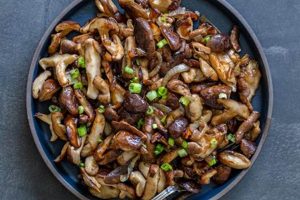
The culinary traditions of China offer a wealth of plant-based dishes adaptable to vegan dietary needs. These dishes encompass a range of flavors and textures, often relying on fresh vegetables, tofu, mushrooms, and plant-based protein alternatives. A stir-fry featuring bok choy, shiitake mushrooms, and marinated tofu, seasoned with soy sauce and ginger, exemplifies the core elements of this style of cuisine.
Adopting this dietary approach allows individuals to experience the diverse tastes of Chinese gastronomy while adhering to ethical and health-conscious principles. Historically, Buddhist monasteries influenced the development of vegetarian and vegan options in Chinese cuisine, emphasizing simplicity, balance, and the use of seasonal ingredients. The emphasis on fresh produce also provides numerous health benefits, promoting a balanced intake of vitamins, minerals, and fiber.
Further exploration into this culinary realm reveals diverse cooking techniques and regional variations, including sourcing ingredients and preparing meals that are both flavorful and nutritious.
Crafting Authentic Plant-Based Chinese Meals
Achieving authentic flavors while adhering to vegan principles requires careful consideration of ingredients, techniques, and regional nuances.
Tip 1: Source High-Quality Tofu and Plant-Based Proteins: Select firm or extra-firm tofu for stir-fries and braised dishes, ensuring proper pressing to remove excess water for optimal texture and flavor absorption. Experiment with plant-based meat alternatives like seitan or tempeh for protein-rich entrees.
Tip 2: Master Flavorful Sauces and Marinades: Develop a repertoire of vegan-friendly sauces using soy sauce, rice vinegar, sesame oil, ginger, garlic, and chili paste. Marinate plant-based proteins to infuse them with depth and complexity before cooking.
Tip 3: Embrace Seasonal Vegetables and Herbs: Utilize fresh, seasonal vegetables for optimal flavor and nutritional value. Incorporate aromatic herbs like cilantro, scallions, and basil to enhance the overall taste profile.
Tip 4: Utilize Cooking Techniques to Enhance Texture: Employ techniques such as stir-frying over high heat to create crispy vegetables and perfectly cooked tofu. Steaming and braising are excellent methods for retaining moisture and developing deeper flavors.
Tip 5: Explore Regional Variations and Specialties: Investigate regional dishes from Sichuan, Cantonese, and other Chinese cuisines to discover unique plant-based options and adapt them to vegan needs.
Tip 6: Incorporate Umami-Rich Ingredients: Enhance savory flavors using ingredients like dried mushrooms, seaweed, or vegetable broth to achieve a balanced and satisfying umami taste.
Tip 7: Pay Attention to Balance and Presentation: Consider the balance of flavors (sweet, sour, salty, bitter, umami) and textures in each dish. Present the finished product in an aesthetically pleasing manner to enhance the dining experience.
By following these guidelines, individuals can successfully create authentic and delicious plant-based Chinese meals that cater to both vegan dietary needs and culinary preferences.
The principles outlined provide a strong foundation for further exploration and experimentation in the realm of this culinary art form.
1. Ingredient Substitution

Ingredient substitution forms a cornerstone in adapting conventional Chinese culinary practices to align with vegan dietary principles. This involves systematically replacing animal-derived components with plant-based alternatives while preserving, to the extent possible, the integrity of flavors, textures, and nutritional profiles inherent in traditional dishes.
- Tofu as a Meat Analogue
Tofu, particularly firm or extra-firm varieties, serves as a versatile substitute for meat in stir-fries, braised dishes, and other applications. Its ability to absorb flavors through marination makes it a key component in mimicking the savory character of meat-based recipes. Proper preparation, including pressing to remove excess water, is crucial to achieve optimal texture and prevent sogginess.
- Plant-Based Proteins for Dumplings and Fillings
Beyond tofu, plant-based protein alternatives like seitan, tempeh, and textured vegetable protein (TVP) can be employed as fillings for dumplings, buns, and other savory preparations. These ingredients offer diverse textural options and, when seasoned appropriately, can replicate the taste and mouthfeel of ground meat. Experimentation with different protein sources allows for nuanced adaptation across various regional styles.
- Egg Replacers in Noodles and Baked Goods
Traditional Chinese noodles often incorporate eggs, contributing to their elasticity and texture. Vegan alternatives include the use of alkaline water or modified starches to achieve a similar effect. In baked goods, ingredients like flaxseed meal, applesauce, or commercial egg replacers can provide binding and moisture, maintaining the structure and consistency of items such as mooncakes or sesame balls.
- Umami Enhancers to Mimic Animal Broths
Many Chinese dishes rely on animal-based broths for depth of flavor. In vegan adaptations, umami-rich ingredients such as dried mushrooms (shiitake, wood ear), seaweed (kombu, nori), and fermented bean curd can be used to create savory and complex broths that replicate the taste profile of traditional meat or bone broths. Careful consideration of ratios and cooking times is essential to achieve a balanced and authentic flavor.
The success of ingredient substitution hinges on understanding the functional properties of both the original and replacement ingredients. Through careful selection and skillful preparation, it becomes possible to craft plant-based Chinese dishes that honor culinary heritage while adhering to ethical and dietary requirements. Further exploration of regional specialties reveals an ever-expanding array of substitution possibilities and creative adaptations.
2. Flavor Balancing

Flavor balancing is paramount to the success of any culinary endeavor, and in the context of plant-based Chinese cuisine, it assumes even greater importance. Achieving harmonious combinations of sweet, sour, salty, bitter, and umami tastes is essential to replicating the complexity and satisfaction of traditional dishes without relying on animal-derived ingredients. Precise manipulation of these elements can transform simple vegetable preparations into memorable culinary experiences.
- The Strategic Use of Sweetness
Sweetness, often derived from ingredients like sugar, honey (if not strictly vegan), or fruit syrups, serves to temper the intensity of other flavors and create a rounded profile. In Chinese vegan recipes, a touch of sweetness can balance the sharpness of vinegar in sweet and sour dishes or enhance the umami character of soy sauce. Care should be taken to avoid excessive sweetness, which can mask the nuances of other ingredients.
- The Application of Acidity
Acidity, typically contributed by vinegars (rice vinegar, black vinegar), citrus juices, or fermented ingredients, provides a counterpoint to richness and adds brightness to dishes. In vegan Chinese preparations, acidity can cut through the richness of plant-based oils or nut-based sauces, creating a more refreshing and balanced experience. The type of acid used significantly affects the final flavor profile.
- The Role of Salinity
Saltiness, primarily provided by soy sauce, sea salt, or fermented bean pastes, acts as a foundational flavor element, enhancing other tastes and creating a sense of depth. In vegan Chinese cuisine, soy sauce is a critical ingredient, contributing both saltiness and umami. The quality and type of soy sauce used can dramatically influence the overall flavor, with aged or traditionally brewed varieties offering greater complexity.
- The Incorporation of Bitterness and Umami
Bitterness, often derived from vegetables like bitter melon or certain greens, and umami, the savory flavor associated with glutamate, contribute complexity and depth. In vegan Chinese recipes, bitter elements can provide a counterpoint to sweetness and richness, while umami, often achieved through mushrooms, seaweed, or fermented products, replicates the savory satisfaction of meat-based broths. Careful integration of these elements is crucial to achieving a well-rounded flavor profile.
The art of flavor balancing in plant-based Chinese cooking involves a nuanced understanding of how these elements interact and complement one another. Skillful manipulation of sweetness, acidity, salinity, bitterness, and umami allows for the creation of vegan dishes that are not only ethically sound but also deeply satisfying and authentically flavorful. Experimentation and careful tasting are essential to mastering this delicate balance.
3. Regional Variation

Regional variation profoundly influences approaches to creating Chinese plant-based dishes. Culinary traditions across China differ significantly, resulting in diverse ingredient preferences, cooking methods, and flavor profiles. Understanding these regional distinctions is crucial for authentically adapting recipes to vegan dietary needs.
- Sichuan Cuisine: Bold Flavors and Plant-Based Adaptation
Sichuan cuisine, known for its spicy and numbing sensations from chili peppers and Sichuan peppercorns, offers numerous vegetable-centric dishes that can be readily adapted. Mapo tofu, traditionally made with ground meat, can be prepared using marinated and crumbled tofu or a plant-based meat substitute. The reliance on fermented ingredients, such as doubanjiang (fermented broad bean paste), adds depth of flavor without animal products. The challenge lies in replicating the richness typically derived from animal fats using alternative oils and seasonings.
- Cantonese Cuisine: Emphasis on Freshness and Subtle Flavors
Cantonese cuisine prioritizes fresh, seasonal ingredients and light, delicate flavors. Many Cantonese vegetable dishes can naturally be vegan, featuring steamed or stir-fried greens with minimal sauces. However, traditional Cantonese cooking often uses oyster sauce or XO sauce, which must be replaced with mushroom-based alternatives or carefully crafted vegetable broths to maintain the umami profile. The focus remains on highlighting the natural flavors of the produce.
- Northern Chinese Cuisine: Wheat-Based Staples and Hearty Dishes
Northern Chinese cuisine emphasizes wheat-based staples like noodles, dumplings, and steamed buns. Vegan versions of these dishes require egg substitutes in noodle dough and plant-based fillings for dumplings and buns. Options include vegetable and tofu mixtures seasoned with soy sauce, ginger, and sesame oil. The heartier nature of Northern cuisine lends itself well to plant-based proteins like seitan or tempeh, which can stand up to the robust flavors and textures.
- Eastern Chinese Cuisine: Sweet and Savory Combinations and Seafood Influences
Eastern Chinese cuisine, particularly Shanghai cuisine, often features sweet and savory flavor combinations and a historical reliance on seafood. Adapting these dishes to vegan principles involves replicating the sweet-savory balance using ingredients like sugar, vinegar, and plant-based umami sources. Seaweed and other marine vegetables can be incorporated to mimic the subtle ocean flavors traditionally derived from seafood, while tofu and mushrooms serve as protein substitutes.
These regional variations demonstrate the adaptable nature of Chinese cuisine and the myriad possibilities for creating diverse and flavorful vegan dishes. By understanding the key characteristics of each regional style and employing appropriate ingredient substitutions and techniques, one can explore the vast culinary landscape and create authentic plant-based meals. The conscious selection and preparation of plant-based elements allows for exploration within this varied cuisine.
4. Technique Adaptation

Technique adaptation is a critical process in the creation of authentic plant-based Chinese cuisine. It addresses the modifications necessary to traditional cooking methods when animal-derived ingredients are removed and replaced with plant-based alternatives, ensuring that the resulting dishes maintain desirable textures, flavors, and visual appeal.
- Stir-Frying without Animal Fats
Traditional stir-frying often employs lard or other animal fats to impart richness and flavor. In plant-based adaptations, vegetable oils with high smoke points, such as peanut oil or avocado oil, are used. To replicate the depth of flavor, techniques such as infusing the oil with aromatics like ginger and garlic before adding the vegetables are employed. Attention to heat control and timing is crucial to achieving properly seared textures without the browning effects of animal fats.
- Achieving Umami in Vegan Broths
Traditional Chinese broths frequently rely on meat or bones for their savory umami character. Vegan broths require the extraction of umami from plant-based sources through specific techniques. Simmering dried shiitake mushrooms, kombu seaweed, and roasted vegetables for extended periods allows for the release of glutamates, creating a rich and flavorful base. The careful selection of complementary ingredients, such as fermented black beans or soy sauce, further enhances the umami profile.
- Texturizing Tofu and Plant-Based Proteins
Tofu, a primary protein source in plant-based Chinese cuisine, often requires specific preparation to achieve desirable textures. Pressing tofu to remove excess water before cooking is essential for creating a firm and absorbent texture. Techniques such as pan-frying, baking, or deep-frying can be used to create crispy or chewy surfaces. Plant-based meat alternatives may require different cooking methods, such as pre-soaking or marinating, to optimize their texture and flavor.
- Adapting Dough Preparation for Vegan Dumplings and Noodles
Traditional Chinese dumplings and noodles often incorporate eggs, which contribute to the dough’s elasticity and texture. In vegan adaptations, alternatives like alkaline water or modified starches are used to achieve a similar effect. Kneading techniques may require adjustments to compensate for the absence of egg proteins. Resting the dough is critical for allowing gluten development, resulting in a pliable and workable dough for wrapping dumplings or cutting noodles.
The successful adaptation of cooking techniques is crucial for creating authentic and satisfying plant-based Chinese meals. The meticulous application of these methods ensures that vegan dishes replicate the flavors, textures, and visual appeal of their traditional counterparts, contributing to a comprehensive and enjoyable culinary experience. The continued innovation in plant-based cooking offers ongoing refinements to these techniques.
5. Nutritional Completeness

Attaining nutritional completeness within the framework of a Chinese plant-based diet necessitates meticulous planning and ingredient selection. This dietary approach, while offering numerous health benefits, requires careful consideration to ensure adequate intake of all essential nutrients, particularly those commonly associated with animal products.
- Protein Adequacy
Protein, essential for tissue repair and various physiological functions, requires careful sourcing in vegan diets. Chinese plant-based dishes can incorporate tofu, tempeh, seitan, and edamame to provide sufficient protein. Combining different plant-based protein sources, such as rice and beans, can further optimize amino acid profiles, ensuring all essential amino acids are consumed.
- Iron Bioavailability
Iron, crucial for oxygen transport, presents a bioavailability challenge in plant-based diets due to the presence of non-heme iron. Incorporating iron-rich foods like dark leafy greens, lentils, and tofu into Chinese plant-based meals can increase iron intake. Consuming these foods with vitamin C-rich ingredients, such as bell peppers or citrus fruits, enhances iron absorption. Avoiding coffee or tea with meals can also improve iron bioavailability.
- Vitamin B12 Supplementation
Vitamin B12, primarily found in animal products, is often deficient in vegan diets. Chinese plant-based individuals must obtain vitamin B12 through fortified foods, such as nutritional yeast or plant-based milk alternatives, or through supplementation. Regular monitoring of vitamin B12 levels is recommended to prevent deficiency-related health issues.
- Omega-3 Fatty Acids
Omega-3 fatty acids, particularly EPA and DHA, are essential for brain health and reducing inflammation. Chinese plant-based diets can incorporate ALA-rich foods, such as flaxseeds, chia seeds, and walnuts, which the body can convert to EPA and DHA, albeit inefficiently. Supplementation with algal oil, a direct source of EPA and DHA, may be considered to ensure adequate intake.
Integrating these nutritional considerations into the preparation and consumption of Chinese plant-based cuisine allows individuals to enjoy the flavors and cultural heritage of this cuisine while maintaining optimal health. A proactive approach to nutrient sourcing and, when necessary, supplementation is essential to achieve nutritional completeness and prevent potential deficiencies.
Frequently Asked Questions
This section addresses common inquiries and misconceptions regarding the preparation and consumption of plant-based Chinese dishes, offering clarification based on culinary principles and nutritional considerations.
Question 1: Is it possible to replicate authentic Chinese flavors without using traditional animal-based ingredients?
Achieving authentic flavors in Chinese vegan recipes is indeed possible through strategic ingredient substitution and skillful application of cooking techniques. The key lies in utilizing plant-based alternatives that mimic the umami and textural characteristics of animal products, such as dried mushrooms for broths and tofu for meat. Careful attention to flavor balancing, using ingredients like soy sauce, ginger, and garlic, further contributes to authentic profiles.
Question 2: What are the primary protein sources in a Chinese vegan diet?
The main protein sources in a Chinese vegan diet include tofu, tempeh, seitan, edamame, and various legumes. Tofu, in particular, is a versatile ingredient that can be prepared in numerous ways to provide sufficient protein. Combining different plant-based protein sources throughout the day ensures a complete amino acid profile.
Question 3: How can one ensure adequate iron intake on a Chinese vegan diet?
Ensuring adequate iron intake requires the consumption of iron-rich plant-based foods, such as dark leafy greens, lentils, and fortified cereals. Pairing these foods with vitamin C-rich ingredients, like bell peppers or citrus fruits, enhances iron absorption. Avoiding the consumption of coffee or tea with meals can also improve iron bioavailability.
Question 4: Are there specific regional Chinese dishes that are naturally vegan or easily adaptable?
Certain regional Chinese cuisines offer dishes that are naturally vegan or easily adaptable. Cantonese cuisine, with its emphasis on fresh vegetables and light sauces, provides numerous vegetable-based options. Sichuan cuisine, while often spicy, includes tofu dishes and vegetable stir-fries that can be readily made vegan. Northern Chinese cuisine offers dumplings and noodles that can be filled with plant-based ingredients.
Question 5: What are the common nutritional deficiencies to be aware of when following a Chinese vegan diet?
Common nutritional deficiencies to be aware of include vitamin B12, iron, omega-3 fatty acids, and calcium. Vitamin B12, primarily found in animal products, requires supplementation or consumption of fortified foods. Iron bioavailability can be a concern, requiring strategic food combinations. Omega-3 fatty acids can be obtained from flaxseeds, chia seeds, and walnuts, but supplementation with algal oil may be necessary for optimal intake. Calcium can be sourced from fortified plant-based milks and leafy green vegetables.
Question 6: Can dietary restrictions, such as gluten intolerance, be accommodated in Chinese vegan recipes?
Dietary restrictions, such as gluten intolerance, can be accommodated in Chinese vegan recipes by utilizing gluten-free alternatives like rice noodles, tamari (gluten-free soy sauce), and gluten-free flour blends for thickening sauces or making dumplings. Careful attention to ingredient labels is essential to avoid cross-contamination.
In summary, the successful implementation of a plant-based approach to Chinese cuisine necessitates a well-informed understanding of ingredient substitutions, flavor balancing, regional variations, and nutritional considerations. The meticulous application of these principles ensures both culinary enjoyment and optimal health.
The following section explores resources available for further learning.
Chinese Vegan Recipes
This exploration has demonstrated that plant-based adaptations of Chinese cuisine are not merely imitations but a synthesis of culinary tradition and ethical considerations. The meticulous application of ingredient substitution, flavor balancing, and technique adaptation enables the creation of authentic and nutritionally complete meals. Regional variations provide a diverse palette for experimentation, further enriching the culinary landscape.
The continued evolution of these recipes reflects a growing awareness of both dietary needs and environmental sustainability. Further research and innovation in plant-based ingredients will undoubtedly expand the possibilities within this culinary domain, fostering greater accessibility and appreciation for this harmonious fusion of tradition and innovation.