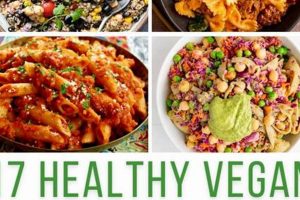
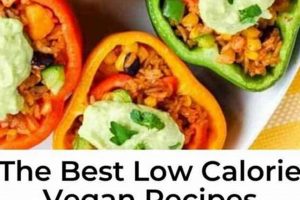
Farro, a hearty and nutritious grain, serves as a versatile base for plant-based culinary creations. The combination of this ancient wheat with exclusively plant-derived ingredients results in dishes that are both flavorful and aligned with vegan dietary principles. A multitude of preparations exist, ranging from simple salads to more elaborate stews and grain bowls, all adhering to vegan standards.
Incorporating this grain into a vegan diet offers several advantages. It is a good source of fiber, which aids in digestion and promotes satiety. Furthermore, it provides essential nutrients such as iron and protein, crucial for maintaining energy levels and overall health in individuals following a plant-based lifestyle. Its historical usage dates back to ancient civilizations, demonstrating its long-standing role as a staple food crop.
The following sections will explore diverse methods of preparing this grain in accordance with plant-based guidelines, offering specific recipe suggestions and practical tips for successful culinary outcomes.
Tips for Vegan Farro Preparation
Successful integration of farro into plant-based meals requires attention to detail. The following suggestions enhance flavor and texture when creating vegan dishes.
Tip 1: Utilize Vegetable Broth. Cooking farro in vegetable broth, rather than water, imparts a more complex and savory flavor profile, complementing the plant-based ingredients it accompanies. Ensure the broth is sodium-conscious, if dietary considerations dictate.
Tip 2: Toasting Before Cooking. Dry-toasting the uncooked grain in a skillet for a few minutes enhances its nutty taste. This step adds depth and complexity to the final dish.
Tip 3: Proper Rinsing. Rinsing uncooked farro under cold water removes excess starch, preventing the grains from becoming sticky or clumpy during cooking. This is particularly crucial for achieving a desirable texture.
Tip 4: Consider the Variety. Pearled farro cooks faster than semi-pearled or whole grain varieties. Adjust cooking times accordingly to avoid overcooking or undercooking. Inspect packaging for specific instructions.
Tip 5: Infuse with Aromatics. While cooking, introduce aromatics such as bay leaves, garlic cloves, or sprigs of thyme to the cooking liquid. This subtle infusion enhances the overall flavor and aroma of the prepared grain.
Tip 6: Emphasize Fresh Herbs. Integrating fresh herbs like parsley, cilantro, or dill after cooking brightens the flavor and adds a visual appeal to the final creation. Employing herbs strategically enhances the overall sensory experience.
Effective adherence to these guidelines yields plant-based dishes that are both nutritious and palatable, showcasing the grain’s versatility within vegan culinary applications.
The subsequent sections will offer specific recipe applications demonstrating these techniques in practice.
1. Nutritional Benefits
The integration of farro into vegan recipes significantly enhances their nutritional profile. This connection stems from farro’s inherent nutritional attributes and its capacity to complement other plant-based ingredients. For instance, farro contributes a substantial amount of dietary fiber, which aids in digestive health and promotes a feeling of fullness. This is especially valuable in vegan diets, where ensuring adequate fiber intake is crucial. Furthermore, farro provides a source of protein, an essential macronutrient often emphasized in discussions surrounding plant-based nutrition. Its protein content, while not as high as some legumes, contributes to the overall protein adequacy of a meal when combined with other vegan protein sources.
Real-world applications of this connection are evident in various vegan dishes. A salad incorporating farro, leafy greens, and beans exemplifies this synergy. The farro contributes complex carbohydrates and fiber, the leafy greens offer vitamins and minerals, and the beans provide additional protein and fiber. The resulting dish is not only nutritionally balanced but also sustainable and aligned with ethical vegan principles. Moreover, due to its rich nutrient profile it supports increased levels of energy. Another example is farro-based vegan stew. Here the stew provides the necessary nutritional benefits and farro makes it a hearty dish.
In summary, recognizing the nutritional benefits of farro within the context of vegan recipes provides a strategic advantage for optimizing dietary intake. Understanding this relationship allows for the creation of meals that are not only delicious and satisfying but also contribute to overall health and well-being. The inclusion of farro in a vegan diet is an excellent way to obtain more fiber, protein, and vitamins. The challenge lies in consistently incorporating farro into meal planning and preparation to reap its full potential.
2. Preparation Techniques

The successful execution of plant-based dishes hinges significantly on appropriate preparation techniques. With regards to farro, specific methodologies directly impact the texture, flavor, and overall palatability of dishes aligned with vegan principles. Improper preparation can result in a farro component that is either undercooked and unpleasantly chewy or overcooked and mushy, detracting from the intended culinary experience. Conversely, correct techniques elevate the grain, enabling it to serve as a compelling and satisfying base for diverse plant-derived ingredients. For example, toasting dry grains prior to boiling enhances their nutty flavor, while utilizing vegetable broth instead of water during cooking infuses the farro with a savory depth. These adjustments are pivotal in achieving optimal results.
Consider a scenario where farro is incorporated into a cold vegan salad. If the farro is not properly rinsed before cooking, excess starch can result in a sticky texture that compromises the overall composition of the salad. In contrast, rinsing the grains removes excess starch, leading to a light and separate texture. Similarly, for a warm vegan stew, employing a longer simmering time with aromatic herbs such as thyme and rosemary infuses the grain with flavor, transforming it from a simple carbohydrate source into a nuanced element within the larger dish. Furthermore, varying the cooking time based on the specific type of farro (pearled, semi-pearled, or whole grain) is crucial for attaining the desired level of doneness. Each of these processes directly affects the sensory qualities.
In summation, mastering appropriate preparation techniques is not merely a procedural detail but a prerequisite for creating successful dishes. Consistent adherence to these methods ensures that the farro component contributes positively to the final product. While sourcing high-quality ingredients is important, the impact of proper cooking cannot be overstated. Skillful preparation transforms a potentially bland grain into a versatile and flavorful element, demonstrating the critical connection between technique and taste within this culinary domain. The consistent application of these techniques requires dedication, but enhances the overall experience in vegan cooking.
3. Flavor pairings

Flavor pairings within the context of vegan recipes featuring farro play a pivotal role in determining the success and overall appeal of the dish. The relatively neutral flavor of farro provides a versatile canvas for complementary ingredients, thereby allowing for a diverse range of culinary creations.
- Earthy Vegetables and Herbs
Roasted root vegetables such as carrots, parsnips, and beets exhibit an inherent sweetness that pairs well with the nutty undertones of farro. Herbs like thyme, rosemary, and sage enhance this earthy profile, creating a harmonious blend of flavors suitable for warm salads or grain bowls. The addition of roasted vegetables balances the grain and improves dietary fiber.
- Mushrooms and Umami-Rich Ingredients
The umami-rich character of mushrooms, particularly varieties like shiitake or cremini, complements the subtle flavor of farro. Sauting mushrooms with garlic and a touch of soy sauce, tamari, or miso paste introduces a savory depth that elevates the overall taste. These combinations are frequently used in vegan farro risottos and stir-fries, creating rich and savory dishes.
- Citrus and Bright Dressings
The tanginess of citrus fruits, such as lemons, oranges, or grapefruits, provides a refreshing contrast to the heartiness of farro. Dressings incorporating citrus juice, olive oil, and herbs like parsley or mint brighten the overall flavor profile and are well-suited for cold farro salads. These lighter preparations are particularly appealing during warmer seasons.
- Legumes and Protein-Rich Additions
Combining farro with legumes such as chickpeas, lentils, or beans creates nutritionally complete meals that are rich in both protein and fiber. These pairings offer a substantial and satisfying base for vegan dishes, providing a balance of textures and flavors. Spices like cumin, coriander, and smoked paprika further enhance the flavor synergy.
The strategic selection and implementation of flavor pairings is critical when preparing dishes featuring farro. Whether incorporating roasted vegetables, umami-rich elements, citrus dressings, or protein-rich legumes, the thoughtful combination of flavors allows for culinary offerings that are both nutritionally sound and aesthetically pleasing. In vegan cooking, this balance is particularly important for satisfying diverse palates and dietary preferences.
4. Ingredient Sourcing

Ingredient sourcing constitutes a foundational element in the successful execution of plant-based dishes featuring farro. The provenance and quality of ingredients directly influence the flavor profile, nutritional value, and overall sustainability of vegan recipes. Therefore, a strategic approach to sourcing is paramount for both culinary outcomes and ethical considerations.
- Traceability and Transparency
Understanding the origin of farro and other ingredients allows for informed decisions regarding farming practices and environmental impact. Seeking out suppliers who provide transparent information about their growing methods, such as organic certification or commitment to sustainable agriculture, ensures that the ingredients align with vegan values and promote ecological responsibility. This involves verifying claims and understanding the supply chain from farm to table.
- Seasonality and Locality
Prioritizing seasonal and locally sourced ingredients enhances both flavor and freshness in recipes. Incorporating produce that is in season reduces transportation costs and supports local farmers, contributing to a more sustainable food system. This approach not only improves the culinary experience but also minimizes the carbon footprint associated with food production and distribution. Local farm farro often produces a better taste in comparison to international product.
- Ethical Considerations
Veganism extends beyond dietary choices to encompass ethical considerations regarding animal welfare and labor practices. Sourcing ingredients from suppliers who adhere to fair labor standards and prioritize humane treatment of animals (even indirectly, by avoiding animal-derived fertilizers or pesticides) reflects a commitment to ethical consumption. This aspect requires careful consideration of certifications and supply chains.
- Impact of Processing
The degree of processing applied to ingredients influences their nutritional content and environmental footprint. Opting for minimally processed ingredients, such as whole grains and unrefined oils, preserves their nutritional integrity and reduces the environmental impact associated with intensive processing methods. Understanding the processing techniques used is important when considering the overall health benefits of the product.
In summary, the practice of sourcing ingredients for recipes demands a comprehensive approach that considers traceability, seasonality, ethical concerns, and processing levels. Prioritizing transparency, local suppliers, fair labor practices, and minimally processed options ensures that are not only delicious and nutritious but also aligned with environmental and ethical values. Through informed sourcing decisions, it’s possible to enhance the quality and sustainability of farro-based dishes while supporting a more equitable and ecologically sound food system.
5. Culinary Applications

The diverse culinary applications of farro within vegan gastronomy underscore its versatility as a staple ingredient. Its adaptability to various cooking methods and flavor profiles allows for a wide range of dishes, enhancing the potential of plant-based menus. The following facets detail these applications.
- Salads and Grain Bowls
Farro serves as a substantial base for both cold and warm salads, offering a chewy texture and nutty flavor that complements a variety of vegetables, legumes, and dressings. In grain bowls, its integration provides a complex carbohydrate source, contributing to a balanced and satiating meal. Example: Farro salad with roasted vegetables, chickpeas, and lemon vinaigrette, or a grain bowl with black beans, avocado, and salsa.
- Soups and Stews
The grain’s ability to retain its shape during prolonged cooking renders it suitable for soups and stews. It adds body and texture to these preparations, enhancing their overall heartiness and nutritional value. Example: Vegan minestrone soup with farro, or a vegetable stew with farro and lentils.
- Risotto and Pilaf Variations
Farro can be prepared using methods similar to risotto or pilaf, providing a gluten-free alternative to traditional rice-based dishes. Its capacity to absorb flavors from the cooking liquid allows for creative adaptations using various plant-based broths, herbs, and vegetables. Example: Vegan farro risotto with mushrooms and saffron, or a farro pilaf with dried fruits and nuts.
- Stuffed Vegetables
Cooked farro serves as an excellent filling for stuffed vegetables such as bell peppers, tomatoes, or zucchini. Its mild flavor and granular texture combine well with other ingredients, such as beans, vegetables, and herbs, creating a satisfying and visually appealing meal. Example: Stuffed bell peppers with farro, black beans, corn, and salsa, or stuffed zucchini boats with farro, mushrooms, and herbs.
The aforementioned examples highlight the expansive range of culinary applications. From light salads to hearty stews, it adapts readily to different cuisines and dietary requirements. Its versatility positions the grain as a fundamental component within the realm of vegan cooking, offering numerous opportunities for culinary innovation and nutritional enrichment. The proper execution of each application depends on mindful recipe selection and adherence to established cooking methods.
6. Dietary Considerations
Dietary considerations play a crucial role in the creation and adaptation of farro-based meals aligned with vegan principles. These considerations encompass various factors that influence food choices and meal planning, including allergies, intolerances, and specific nutritional requirements. Effective management of these factors is essential for ensuring that meals are not only palatable but also safe and nutritionally adequate.
- Gluten Content and Alternatives
Farro is a wheat product and contains gluten, which poses a challenge for individuals with celiac disease or gluten intolerance. In such cases, recipes necessitate modification or substitution with gluten-free grains such as quinoa, brown rice, or buckwheat. Clear labeling of recipes to indicate gluten content is also critical, enhancing accessibility and reducing the risk of adverse reactions. The substitution of grains maintains the texture and nutritional value of the dish.
- Fiber Intake and Digestive Health
The high fiber content of farro offers benefits for digestive health, but it can also cause discomfort for some individuals, particularly those unaccustomed to high-fiber diets. Gradual introduction of farro into the diet and adequate hydration are advisable to mitigate potential digestive issues such as bloating or gas. Recipe adjustments may also involve using pearled farro, which contains less fiber than whole-grain varieties. Proper chewing is also recommended to aid digestion.
- Nutrient Density and Balance
Ensuring nutrient density and balance is paramount in vegan diets, where certain nutrients, such as vitamin B12, iron, and omega-3 fatty acids, may be less readily available. Recipes should incorporate nutrient-rich ingredients like leafy greens, legumes, nuts, and seeds to complement farro’s nutritional profile. Supplementation may also be necessary to address potential deficiencies. Balanced diets help minimize risk of deficiencies and ensure optimal health.
- Sodium Content and Blood Pressure
The sodium content of recipes, particularly those incorporating processed ingredients or seasonings, should be carefully monitored, especially for individuals with hypertension or those following low-sodium diets. Choosing low-sodium alternatives for broth, sauces, and seasonings, and emphasizing fresh herbs and spices for flavor enhancement, can help to reduce sodium intake. Regular monitoring of blood pressure is recommended for those with hypertension.
Consideration of the enumerated factors promotes the development of vegan which are both palatable and safe. Each dietary needs can modify the recipes, ensuring that the nutritional value and enjoyment of this ancient grain can be shared by all. These considerations should form an integral component of recipe development.
7. Texture Variations

The textural component exerts a significant influence on the overall palatability and acceptance of dishes, particularly within plant-based applications. When preparing farro-based vegan recipes, the ability to manipulate and control texture is essential for achieving desirable sensory outcomes. Variations in texture can arise from multiple factors, including the type of farro employed (pearled, semi-pearled, or whole grain), cooking methods, and the integration of diverse ingredients. The interplay of these factors dictates the final mouthfeel of the dish and its success in satisfying culinary expectations. Under ideal conditions the texture of farro should be both plump and chewy.
For example, in a vegan salad, the texture is frequently contrasted with the addition of raw vegetables and crunchy nuts. The plump, firm chew of the grain contrasts with the crispness of the vegetables and the crunch of the nuts, creating a dynamic textural experience. Cooking the grain “al dente” is crucial for retaining the optimal chewiness, preventing it from becoming mushy. Conversely, for a vegan farro risotto, the texture is designed to be creamy and cohesive, achieved through gradual addition of warm broth and continuous stirring. In this application, a shorter-grain farro variety that releases more starch may be preferable to contribute to the desired creamy consistency. The addition of roasted vegetables enhances the texture of vegan dishes.
In conclusion, the deliberate manipulation of texture is an indispensable element in creating plant-based farro recipes. Understanding the impact of different cooking methods and ingredient pairings on the final product allows for conscious control over the sensory experience. Mastering textural variations increases the range of culinary possibilities. Achieving balance between a wide array of texture variations enriches the dining experience. Proper use of texture is an integral component in this field.
Frequently Asked Questions
This section addresses common inquiries regarding plant-based preparations, offering clear and concise responses to enhance comprehension.
Question 1: Is all farro inherently vegan?
Farro is a grain and is inherently plant-based. However, preparations may include non-vegan ingredients. Scrutinize ingredient lists to ensure recipes adhere to vegan standards.
Question 2: Can farro be substituted for other grains in vegan recipes?
Yes, farro may often be interchanged with grains like quinoa or brown rice, considering adjustments to cooking times. Note that the flavor and texture profiles will differ.
Question 3: Does cooking method influence the nutritional value of farro?
While boiling is a common method, steaming or pressure cooking may retain more nutrients. Excessive cooking times can lead to nutrient loss, regardless of the cooking method.
Question 4: How does pearled farro differ from whole-grain farro in plant-based applications?
Pearled farro lacks the bran layer, resulting in faster cooking times and a softer texture. Whole-grain farro offers more fiber and nutrients but requires longer cooking. The choice depends on desired texture and nutritional goals.
Question 5: What are some common flavor pairings for farro in vegan cuisine?
Farro complements earthy flavors such as mushrooms, roasted vegetables, and herbs. Citrus-based dressings and protein-rich legumes also pair well, enhancing the overall culinary experience.
Question 6: How should farro be stored to maintain freshness?
Uncooked farro should be stored in an airtight container in a cool, dry place. Cooked farro should be refrigerated promptly and consumed within a few days to prevent spoilage.
These inquiries and answers provide a foundation for navigating the realm of plant-based culinary arts, facilitating informed decisions regarding preparation and consumption.
The subsequent discussion transitions to advanced recipe modifications and creative applications.
Conclusion
This exploration has illuminated the multifaceted nature, emphasizing the grain’s nutritional benefits, versatile preparation techniques, and diverse culinary applications within plant-based diets. Successful integration relies on meticulous ingredient sourcing, thoughtful flavor pairings, and keen attention to individual dietary considerations. Manipulating the texture, whether for salads, soups, or risottos, contributes significantly to the overall success of the culinary endeavor.
The continued exploration and refinement of applications will undoubtedly expand its role in sustainable and health-conscious eating. Embrace the potential of this ancient grain to create innovative and satisfying meals, while adhering to ethical and nutritional principles. Further research will solidify and enhance a place within the vegan lifestyle.