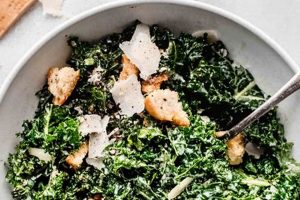
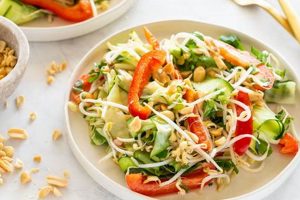
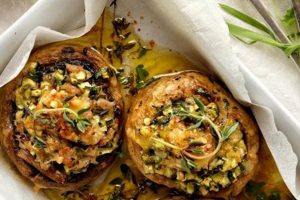
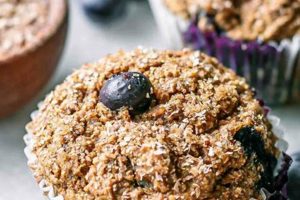
The convergence of dietary requirements and ethical choices has led to an increasing demand for culinary options that exclude both animal products and gluten-containing grains. These specialized dishes cater to individuals with conditions like celiac disease, gluten sensitivity, or those who adhere to a plant-based lifestyle. Examples range from lentil-based stews to baked goods made with alternative flours.
The appeal of these dietary solutions lies in their potential health benefits, including improved digestion, reduced inflammation, and the ethical consideration of avoiding animal exploitation. Historically, adapting recipes to meet these criteria required significant culinary innovation and access to specialized ingredients. The development of widely available gluten-free flours and a greater understanding of plant-based protein sources has contributed to its increased accessibility.
Subsequent sections will delve into various approaches for crafting flavorful and nutritious meals, covering ingredient substitutions, recipe adaptations, and meal planning strategies that align with both plant-based and gluten-free dietary needs.
Crafting Plant-Based and Gluten-Free Dishes
This section provides practical guidance for preparing dishes that are both plant-based and devoid of gluten. These strategies aim to maximize flavor and nutritional value while adhering to specific dietary restrictions.
Tip 1: Master Alternative Flours: Familiarize oneself with gluten-free flours such as almond, rice, tapioca, and cassava. Each possesses unique properties affecting texture and taste. Blending flours often yields optimal results in baked goods.
Tip 2: Embrace Plant-Based Protein Sources: Incorporate a variety of legumes, nuts, seeds, tofu, and tempeh to ensure adequate protein intake. Properly prepared and seasoned, these ingredients can form the foundation of satisfying meals.
Tip 3: Utilize Natural Thickeners: Replace gluten-based thickeners with alternatives like cornstarch, arrowroot powder, or tapioca starch. These ingredients provide similar thickening properties without introducing gluten.
Tip 4: Prioritize Fresh Produce: Build meals around seasonal fruits and vegetables. These provide essential vitamins, minerals, and fiber, contributing to overall health and well-being.
Tip 5: Explore Flavor Enhancers: Compensate for potential flavor deficiencies by utilizing herbs, spices, citrus zest, and vinegars. Experimentation is key to developing flavorful and satisfying dishes.
Tip 6: Read Labels Carefully: Scrutinize ingredient lists to identify hidden sources of gluten, such as modified food starch or malt extract. Awareness of potential contaminants is crucial for maintaining a gluten-free diet.
Tip 7: Plan Meals in Advance: Careful meal planning helps ensure adequate nutrient intake and reduces the likelihood of relying on less-nutritious processed foods. Consider weekly meal prep sessions to streamline the cooking process.
By incorporating these strategies, individuals can successfully create a diverse and flavorful range of culinary offerings that align with both plant-based and gluten-free dietary requirements. This ensures both dietary compliance and overall well-being.
The following section will explore specific recipe adaptations and provide resources for further exploration.
1. Ingredient Substitutions

Ingredient substitutions are fundamental to preparing dishes that are both plant-based and devoid of gluten. This practice involves replacing ingredients containing animal products or gluten with suitable alternatives to maintain the desired flavor, texture, and nutritional profile of a dish. Successful substitutions are critical for individuals adhering to these dietary restrictions.
- Gluten-Containing Grain Replacements
Wheat, barley, and rye are commonly replaced with gluten-free grains and flours. Examples include rice flour, almond flour, tapioca starch, and sorghum flour. The choice of replacement depends on the desired texture and application. For instance, rice flour provides a neutral base for many baked goods, while almond flour contributes a slightly nutty flavor and denser texture. Careful selection is crucial to achieve the desired outcome.
- Animal Product Alternatives
The substitution of animal products necessitates considering both flavor and nutritional aspects. For example, eggs can be replaced with flaxseed meal or aquafaba (chickpea brine) in baking. Dairy milk can be substituted with almond, soy, or oat milk. Meat substitutes often include tofu, tempeh, or seitan (though seitan is not gluten-free). These alternatives provide protein and contribute to the overall flavor profile of the dish.
- Binding Agent Replacements
Gluten acts as a binding agent in many recipes, particularly in baked goods. When removing gluten, alternative binding agents are required. Common substitutes include xanthan gum, guar gum, and psyllium husk. These ingredients help to provide structure and prevent crumbling, ensuring the final product holds its shape. Proper measurement and application are essential for achieving the desired consistency.
- Fat Source Adaptations
Animal-derived fats like butter and lard are replaced with plant-based oils and fats. Coconut oil, olive oil, and avocado oil are common substitutes. Each oil imparts a unique flavor and influences the final texture of the dish. For example, coconut oil adds richness to baked goods, while olive oil lends a savory flavor to sauted vegetables. Careful consideration of the fat source is necessary for optimal results.
These ingredient substitutions are essential for creating plant-based, gluten-free options. The success of these dishes relies on a thorough understanding of the properties of each alternative and its effect on the overall outcome. Experimentation and adaptation are often necessary to achieve the desired results, allowing for a diverse range of flavorful and nutritious meal choices.
2. Nutritional Adequacy

The combination of plant-based and gluten-free diets presents specific challenges to achieving nutritional adequacy. Eliminating animal products and gluten-containing grains restricts the intake of certain nutrients, potentially leading to deficiencies if not carefully addressed. Nutritional adequacy in this context is not merely the absence of deficiency but the attainment of optimal health through balanced nutrient intake. The restrictions inherent in these diets necessitate careful planning and informed food choices to ensure sufficient intake of essential vitamins, minerals, and macronutrients. For instance, iron deficiency can be a concern on a vegan diet, and the exclusion of gluten-containing grains may further limit iron sources. This requires conscious inclusion of iron-rich plant-based foods and potentially supplementation.
Further contributing to these challenges, the reliance on processed gluten-free products can introduce unintended consequences. Many commercially available gluten-free alternatives are often higher in refined carbohydrates and lower in fiber compared to their gluten-containing counterparts. The effect is a potential reduction in satiety and an increase in blood sugar levels. The replacement of animal products with plant-based alternatives must also consider protein quality and completeness. While plant-based proteins are abundant, they may lack one or more essential amino acids, necessitating the strategic combination of different plant-based protein sources to ensure a complete amino acid profile. Examples include combining legumes with grains or nuts and seeds throughout the day. Therefore, informed menu planning is vital.
The practical significance of understanding these nutritional considerations cannot be overstated. Without deliberate effort, individuals adhering to these combined dietary restrictions risk compromising their overall health. Addressing these challenges requires education, awareness, and a proactive approach to meal planning. Regular monitoring of nutrient intake and consultation with a registered dietitian or nutritionist is highly recommended to mitigate potential deficiencies and promote long-term well-being. The successful implementation of plant-based, gluten-free dietary practices depends on prioritizing nutritional adequacy and making informed food choices.
3. Flavor Development

Flavor development assumes heightened importance in plant-based, gluten-free cuisine. The absence of animal fats and gluten, both contributors to richness and texture, necessitates strategic approaches to create satisfying and palatable meals. Insufficient flavor can render these dishes unappealing, potentially leading to dietary non-compliance. Effective flavor development requires a comprehensive understanding of ingredient interactions and culinary techniques. For instance, the Maillard reaction, a chemical reaction between amino acids and reducing sugars, is crucial for browning and developing complex flavors in many dishes. Since gluten-free flours often behave differently than wheat flour, achieving similar browning and flavor depths may require adjustments to cooking times, temperatures, or the addition of ingredients that promote the Maillard reaction.
The use of herbs, spices, and umami-rich ingredients is also paramount. Herbs and spices provide aromatic compounds that enhance the sensory experience of a dish. Umami, often described as a savory taste, can be derived from ingredients like mushrooms, sun-dried tomatoes, and seaweed. These ingredients contribute depth and complexity, compensating for the absence of animal-derived umami sources. Roasting vegetables also intensifies their natural sweetness and enhances their flavor profile. Marinating plant-based proteins like tofu or tempeh in flavorful sauces allows them to absorb these flavors, improving their overall palatability. Acidic elements such as lemon juice, vinegar, or fermented ingredients can also brighten dishes, preventing them from tasting bland or one-dimensional.
Achieving flavorful plant-based, gluten-free dishes requires a conscious and multifaceted approach. It involves understanding the scientific principles behind flavor development, utilizing a diverse range of ingredients, and employing appropriate culinary techniques. Successfully navigating these challenges ensures that meals are not only nutritionally adequate but also enjoyable, thereby promoting adherence to these dietary restrictions and improving the overall quality of life.
4. Textural Balance

Textural balance represents a critical element in the formulation of plant-based, gluten-free culinary offerings. Achieving a desirable range of textures enhances the overall eating experience and contributes to the satisfaction derived from the meal. The absence of gluten, a protein composite known for its elastic properties, and the avoidance of animal products, which often contribute to creaminess or chewiness, present unique challenges in achieving textural equilibrium.
- The Role of Alternative Flours
Different gluten-free flours possess varying textural characteristics. Rice flour tends to produce a slightly gritty texture, while tapioca starch can result in a gummy consistency if not used judiciously. Almond flour contributes a moist, dense texture. Blending various gluten-free flours is often necessary to mimic the textural properties of wheat flour. For example, a combination of rice flour, tapioca starch, and potato starch may be used to create a light and airy cake.
- Incorporating Textural Contrast
Strategic inclusion of ingredients with contrasting textures can elevate the sensory experience of a dish. Adding toasted nuts, seeds, or crispy vegetables provides a counterpoint to softer components. A creamy soup can be enhanced by the addition of crunchy croutons made from gluten-free bread. This contrast prevents the dish from becoming monotonous and increases its appeal.
- Manipulating Moisture Content
Moisture content significantly impacts the perceived texture of plant-based, gluten-free dishes. Overly dry dishes can be unpalatable, while excessively moist dishes may lack structural integrity. Proper hydration of grains and legumes, careful control of baking times, and the use of moisture-retentive ingredients like pured fruits or vegetables are essential for achieving a balanced moisture level.
- Emulsification and Stabilization Techniques
Emulsification, the process of combining two immiscible liquids, and stabilization are important for creating creamy sauces and dressings without dairy. Plant-based alternatives like cashew cream or avocado can be used to create rich, smooth emulsions. Stabilizing agents, such as xanthan gum or lecithin, prevent separation and maintain the desired texture over time.
The successful creation of culinary dishes adhering to both plant-based and gluten-free requirements necessitates a conscious awareness of textural balance. By understanding the textural properties of various ingredients and employing appropriate techniques, it is possible to overcome the challenges posed by these dietary restrictions and create meals that are not only nutritious and flavorful but also texturally pleasing.
5. Cross-Contamination
Cross-contamination presents a significant concern when preparing plant-based, gluten-free dishes, particularly for individuals with celiac disease or severe gluten sensitivities. This occurs when gluten, even in trace amounts, unintentionally transfers from gluten-containing foods or surfaces to gluten-free ingredients or finished dishes. The resulting consumption can trigger adverse health reactions, undermining the intended benefits of the diet. In the context of plant-based, gluten-free cooking, the risk is compounded by the potential for cross-contamination at various stages, from sourcing ingredients to food preparation and storage. For instance, shared cutting boards, utensils, or cooking surfaces previously used with gluten-containing foods can become sources of contamination.
The implications of cross-contamination extend beyond individual health impacts. Food safety protocols in commercial kitchens and manufacturing facilities must explicitly address these risks. For example, a restaurant offering plant-based, gluten-free options must implement stringent procedures to prevent cross-contamination during food preparation. This includes using separate cooking equipment, designated preparation areas, and rigorous cleaning practices. Failure to adhere to these protocols can lead to mislabeling and potential harm to consumers relying on accurate dietary information. A real-life scenario involves a bakery that produces both gluten-containing and gluten-free items. Without strict separation and cleaning procedures, gluten particles can become airborne and contaminate the gluten-free products, rendering them unsafe for individuals with celiac disease.
Therefore, mitigating cross-contamination requires a comprehensive approach that encompasses careful ingredient selection, meticulous food handling practices, and strict adherence to sanitation standards. Individuals following plant-based, gluten-free diets should prioritize purchasing certified gluten-free products, thoroughly cleaning kitchen equipment before use, and preparing gluten-free meals separately from gluten-containing ones. In restaurants, individuals should inquire about the establishment’s cross-contamination protocols and communicate their dietary needs clearly. Successfully managing cross-contamination is essential for maintaining the integrity of plant-based, gluten-free diets and safeguarding the health and well-being of those who rely on them.
Frequently Asked Questions
The following section addresses common queries and concerns regarding the formulation and consumption of dietary options that exclude both animal products and gluten. The information provided is intended to clarify prevailing misconceptions and provide guidance for individuals adhering to these dietary restrictions.
Question 1: Is it possible to obtain sufficient protein from plant-based, gluten-free sources?
Adequate protein intake is achievable through strategic combination of plant-based protein sources, such as legumes, nuts, seeds, and certain vegetables. Varied consumption ensures a complete amino acid profile.
Question 2: Are commercially produced vegan, gluten-free products always healthy choices?
Not necessarily. Some commercially available products may be high in refined carbohydrates, added sugars, and unhealthy fats. Careful review of nutritional labels is advised.
Question 3: How can one effectively prevent cross-contamination when preparing these types of dishes at home?
Dedicated kitchen equipment, thorough cleaning practices, and separate preparation areas are essential to minimize the risk of gluten contamination.
Question 4: What are some common nutrient deficiencies associated with these diets, and how can they be addressed?
Potential deficiencies include iron, vitamin B12, calcium, and vitamin D. Supplementation and consumption of fortified foods may be necessary under the guidance of a healthcare professional.
Question 5: Can these dietary restrictions accommodate individuals with additional food allergies or sensitivities?
Yes, with careful planning. Additional allergen restrictions, such as soy or nut allergies, require further ingredient substitutions and diligent label reading.
Question 6: What resources are available for individuals seeking further information and guidance on this approach?
Registered dietitians, nutritionists, and reputable online resources offer comprehensive information, meal planning assistance, and recipe ideas.
In summary, successful adherence to these diets requires a proactive approach, informed decision-making, and a commitment to balanced nutrition. Consultation with healthcare professionals is recommended to address individual needs and concerns.
The concluding section provides additional resources and final thoughts on the subject.
Conclusion
The preceding exploration of “vegan non gluten recipes” has illuminated critical aspects ranging from ingredient substitutions to the mitigation of cross-contamination risks. Effective implementation of these dietary practices requires a comprehensive understanding of nutritional adequacy, flavor development, and textural balance. The information provided emphasizes the importance of informed decision-making and proactive strategies to ensure both dietary compliance and overall well-being.
The continued evolution of culinary techniques and the increased availability of specialized ingredients hold the potential to enhance the accessibility and palatability of such dietary options. Further research and education are warranted to address remaining challenges and optimize the nutritional outcomes for individuals adhering to these combined dietary restrictions. The principles outlined herein serve as a foundation for continued exploration and refinement in this evolving culinary domain.