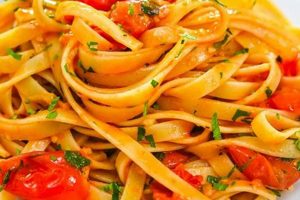
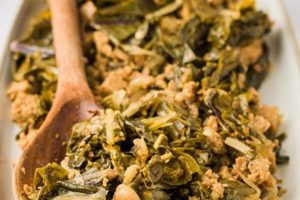
Dietary approaches focusing on plant-based foods with the potential to mitigate inflammation are gaining recognition. These culinary creations emphasize whole, unprocessed ingredients known for their antioxidant and phytonutrient properties. Examples include dishes featuring leafy greens, cruciferous vegetables, berries, nuts, seeds, and healthy fats like olive oil and avocado, all prepared without animal products.
The significance of such dietary strategies lies in their potential to support overall health and well-being. Chronic inflammation is implicated in a wide range of health conditions, and nutritional interventions may play a crucial role in managing this. Historically, cultures with predominantly plant-based diets have demonstrated lower rates of certain inflammatory diseases, suggesting a link between food choices and health outcomes.
Subsequent sections will delve into specific ingredients and preparation methods commonly employed to harness the anti-inflammatory potential of plant-based eating. This includes exploring the scientific rationale behind ingredient selection, practical tips for meal planning, and modifications for individual dietary needs and preferences.
Culinary Strategies for Plant-Based Inflammation Management
The following recommendations provide guidance on how to effectively incorporate anti-inflammatory principles into plant-based meal planning.
Tip 1: Prioritize Colorful Produce: A diverse range of colors in fruits and vegetables indicates a broader spectrum of phytonutrients. Incorporate berries, dark leafy greens, and brightly colored peppers for enhanced antioxidant intake.
Tip 2: Emphasize Omega-3 Fatty Acids: Include sources of omega-3 fatty acids such as flaxseeds, chia seeds, and walnuts. These fats are known to modulate inflammatory responses.
Tip 3: Utilize Anti-Inflammatory Spices: Turmeric, ginger, and garlic possess potent anti-inflammatory properties. Incorporate them generously into sauces, soups, and other dishes.
Tip 4: Choose Whole Grains Carefully: Opt for whole grains like quinoa, brown rice, and oats. Limit or avoid refined grains, which can contribute to inflammation in some individuals.
Tip 5: Hydrate Adequately: Water is crucial for overall health and can aid in reducing inflammation. Aim for sufficient daily fluid intake, supplemented with herbal teas known for anti-inflammatory properties, such as green tea.
Tip 6: Minimize Processed Foods: Focus on whole, unprocessed ingredients. Limit consumption of vegan processed foods high in sugar, unhealthy fats, and artificial additives.
Tip 7: Manage Stress Levels: Chronic stress can exacerbate inflammation. Incorporate stress-reducing practices such as meditation, yoga, or spending time in nature.
By implementing these strategies, individuals can potentially mitigate inflammation and promote overall well-being through a carefully planned plant-based diet.
The concluding section will explore practical considerations for adapting these strategies to individual lifestyles and dietary needs.
1. Ingredient Selection

Ingredient selection stands as a foundational determinant in the efficacy of plant-based approaches to manage inflammation. The link is causative; certain ingredients possess inherent biochemical properties that influence inflammatory pathways within the human body. For example, the curcuminoids present in turmeric have demonstrated the ability to inhibit the activity of inflammatory enzymes, such as cyclooxygenase-2 (COX-2). Therefore, the inclusion of turmeric in culinary preparations directly contributes to the potential anti-inflammatory effect of the overall dish. The importance of selecting ingredients with known anti-inflammatory qualities is paramount; failure to do so undermines the purpose of the dietary intervention.
Further illustrating the point, consider the incorporation of omega-3 fatty acid sources, such as flaxseed or chia seeds, into a vegan diet. These seeds provide alpha-linolenic acid (ALA), a precursor to eicosapentaenoic acid (EPA) and docosahexaenoic acid (DHA). While the conversion rate of ALA to EPA and DHA can vary, the inclusion of these seeds can still provide benefit. The choice to use these ingredients, as opposed to relying solely on saturated fats or refined carbohydrates, significantly alters the inflammatory profile of the diet. The practical application lies in conscious menu planning, prioritizing ingredients with established anti-inflammatory profiles while minimizing those known to promote inflammation. This includes avoiding highly processed foods, which often contain additives and refined oils that can exacerbate inflammatory processes.
In summary, the thoughtful selection of ingredients is critical for translating the concept of “vegan anti inflammatory recipes” into a tangible and effective dietary strategy. Ignoring this fundamental aspect risks negating the potential benefits. Understanding the mechanisms by which specific plant-based foods impact inflammation empowers individuals to make informed dietary choices that support overall health and well-being. The challenge lies in maintaining consistency and adapting these principles to individual dietary needs and preferences.
2. Nutrient Density

Nutrient density, the concentration of micronutrients relative to caloric content, assumes critical importance within the context of plant-based dietary approaches aimed at mitigating inflammation. A diet lacking in essential vitamins, minerals, and antioxidants may inadvertently exacerbate inflammatory processes, even when adhering to a vegan framework.
- Micronutrient Sufficiency
Adequate intake of vitamins (e.g., Vitamin D, Vitamin C) and minerals (e.g., magnesium, zinc) is essential for optimal immune function and the resolution of inflammatory responses. A vegan diet, if not carefully planned, may be deficient in certain micronutrients, necessitating strategic food choices or supplementation. For example, a lack of selenium, a trace mineral involved in antioxidant defense, can compromise the body’s ability to neutralize free radicals, thereby contributing to inflammation.
- Antioxidant Capacity
Plant-based foods are inherently rich in antioxidants, compounds that neutralize free radicals and protect cells from oxidative damage. However, not all vegan diets are equally antioxidant-rich. Processed vegan foods often lack the phytonutrients present in whole, unprocessed fruits, vegetables, and legumes. A diet abundant in colorful produce provides a diverse array of antioxidants, supporting the body’s natural anti-inflammatory mechanisms.
- Fiber Content and Gut Health
Dietary fiber, abundant in plant-based foods, plays a crucial role in promoting gut health. A healthy gut microbiome is increasingly recognized as a key modulator of systemic inflammation. Fiber supports the growth of beneficial gut bacteria, which produce short-chain fatty acids (SCFAs) with anti-inflammatory properties. Conversely, a diet low in fiber can lead to gut dysbiosis and increased inflammation.
- Macronutrient Balance
While micronutrients are essential, macronutrient balance also influences inflammation. An excessive intake of refined carbohydrates or unhealthy fats, even within a vegan diet, can promote inflammation. Prioritizing complex carbohydrates, healthy fats (e.g., from avocados, nuts, and seeds), and adequate protein intake from sources such as legumes and tofu contributes to a more balanced and anti-inflammatory dietary profile.
The pursuit of nutrient density within the context of “vegan anti inflammatory recipes” necessitates a deliberate and informed approach. It requires a focus on whole, unprocessed foods, strategic micronutrient sourcing, and a careful consideration of macronutrient balance. By prioritizing nutrient density, individuals can maximize the anti-inflammatory potential of their plant-based dietary choices and support long-term health.
3. Preparation Methods

The choice of food preparation method significantly influences the retention of nutrients and the formation of potentially harmful compounds, directly impacting the anti-inflammatory potential of plant-based dishes.
- Steaming and Light Sauting
These techniques preserve heat-sensitive vitamins and antioxidants, such as vitamin C and certain phytonutrients, which are critical for mitigating inflammation. Excessive heat can degrade these compounds, diminishing their beneficial effects. Light sauting with healthy oils, like olive oil, can enhance the bioavailability of certain nutrients, such as fat-soluble vitamins, while avoiding the formation of harmful advanced glycation end products (AGEs) associated with high-heat cooking.
- Raw Consumption
Consuming certain vegetables and fruits raw maximizes their nutrient content, particularly enzymes and water-soluble vitamins that can be lost during cooking. Salads, smoothies, and raw vegetable preparations offer a means to obtain these nutrients in their most bioavailable form. However, it is important to consider food safety and proper cleaning to minimize the risk of contamination.
- Slow Cooking and Stewing
Prolonged, low-temperature cooking, such as in stews or slow-cooked dishes, can enhance the digestibility of certain plant-based foods and release beneficial compounds. For instance, cooking legumes improves their digestibility and reduces the levels of antinutrients, which can interfere with nutrient absorption. However, it’s crucial to avoid excessive cooking times and temperatures, which can still lead to nutrient loss.
- Minimizing High-Heat Techniques
Deep-frying, grilling, and roasting at high temperatures can lead to the formation of advanced glycation end products (AGEs) and heterocyclic amines (HCAs), compounds linked to inflammation and increased disease risk. While occasional grilling or roasting may be acceptable, minimizing these techniques is advisable when prioritizing anti-inflammatory outcomes. When grilling, using marinades can reduce the formation of HCAs.
The selection of appropriate preparation methods constitutes a vital aspect of formulating “vegan anti inflammatory recipes.” By prioritizing techniques that preserve nutrients and minimize the formation of harmful compounds, individuals can optimize the health benefits of their plant-based dietary choices. A nuanced understanding of these methods facilitates the creation of meals that are not only palatable but also actively contribute to reducing inflammation within the body.
4. Spice Utilization
Spice utilization within culinary applications targeted at mitigating inflammation represents a strategic approach to enhancing the inherent properties of plant-based ingredients. The judicious incorporation of specific spices leverages their concentrated bioactive compounds to influence physiological pathways associated with inflammatory responses.
- Curcuminoid Modulation
Turmeric, containing curcuminoids, exemplifies the direct influence of spices on inflammation. Curcuminoids interfere with multiple signaling pathways involved in inflammation, including NF-B and COX-2. In the context of dishes without animal products, turmeric not only contributes flavor but also serves as a functional component aimed at reducing inflammatory markers. For instance, adding turmeric to lentil soups or vegetable curries can enhance their anti-inflammatory capacity.
- Gingerol Influence
Ginger, containing gingerol, exhibits anti-inflammatory properties through mechanisms distinct from those of curcuminoids. Gingerol modulates prostaglandin synthesis and exhibits antioxidant activity, thereby contributing to the reduction of oxidative stress, a key contributor to inflammation. The inclusion of ginger in stir-fries, teas, or baked goods complements the anti-inflammatory profile of other plant-based ingredients.
- Capsaicin Impact
Capsaicin, the active compound in chili peppers, exerts a complex influence on inflammatory processes. Initially, capsaicin may induce a transient inflammatory response. However, chronic exposure to capsaicin can lead to desensitization of pain receptors and a reduction in the overall inflammatory burden. The strategic application of chili peppers, in controlled quantities, can contribute to a long-term reduction in inflammation. For example, using small amounts of chili in vegetable-based sauces.
- Synergistic Effects
The combination of different spices can result in synergistic effects, wherein the combined anti-inflammatory activity exceeds the sum of their individual contributions. For example, combining turmeric with black pepper enhances the bioavailability of curcuminoids, thereby amplifying their anti-inflammatory impact. Likewise, combining ginger with garlic can provide a broader range of bioactive compounds with complementary mechanisms of action.
The effective utilization of spices in plant-based culinary endeavors requires an understanding of their respective mechanisms of action, optimal dosages, and potential interactions. By strategically incorporating spices with proven anti-inflammatory properties, individuals can enhance the therapeutic potential of their dietary choices and support overall well-being.
5. Dietary Diversity
The incorporation of a wide variety of plant-based foods is a critical element in optimizing the anti-inflammatory potential of a vegan diet. Limiting food choices can restrict the intake of essential nutrients and phytonutrients, potentially compromising the body’s ability to manage inflammation.
- Micronutrient Breadth
A diverse plant-based diet ensures a broader intake of vitamins, minerals, and trace elements, each playing a unique role in regulating inflammatory processes. For example, relying solely on a limited selection of leafy greens may provide adequate vitamin K but neglect the need for other micronutrients found in brightly colored vegetables like bell peppers or sweet potatoes. A broad spectrum of micronutrients supports optimal immune function and antioxidant defense.
- Phytonutrient Range
Different plant families contain distinct phytonutrients with varying anti-inflammatory properties. Cruciferous vegetables, such as broccoli and kale, contain sulforaphane, while berries are rich in anthocyanins. A diet incorporating foods from multiple plant families maximizes exposure to these beneficial compounds, providing a more comprehensive approach to inflammation management. Consuming a “rainbow” of plant-based foods daily is a practical guideline for achieving phytonutrient diversity.
- Gut Microbiome Support
The composition and function of the gut microbiome are significantly influenced by dietary diversity. Different types of plant fibers promote the growth of distinct bacterial species, each contributing to the production of beneficial short-chain fatty acids (SCFAs) with anti-inflammatory effects. A diet lacking in diversity can lead to gut dysbiosis, potentially exacerbating inflammation. Including a variety of fiber-rich foods, such as legumes, whole grains, fruits, and vegetables, supports a healthy and balanced gut microbiome.
- Reduced Risk of Sensitivities
Over-reliance on a limited number of foods can increase the risk of developing food sensitivities or intolerances. Repeated exposure to the same foods may trigger immune responses, leading to inflammation and digestive discomfort. Rotating food choices and incorporating a wider variety of ingredients can help minimize the risk of developing such sensitivities.
By prioritizing dietary diversity within a plant-based framework, individuals can maximize the intake of essential nutrients and phytonutrients, support a healthy gut microbiome, and reduce the risk of food sensitivities. This multifaceted approach contributes to a more robust and effective anti-inflammatory dietary strategy. Focusing solely on eliminating animal products without addressing the diversity of plant-based food choices may not fully realize the potential benefits of “vegan anti inflammatory recipes”.
Frequently Asked Questions
The subsequent queries and responses address common concerns and misconceptions regarding the implementation of plant-based strategies aimed at mitigating inflammatory conditions through dietary means.
Question 1: Is a plant-based diet inherently anti-inflammatory?
While plant-based diets often contain anti-inflammatory compounds, the diet’s overall effect depends on food choices. A diet high in processed vegan foods, refined carbohydrates, and unhealthy fats may not provide the intended benefit and could even exacerbate inflammation.
Question 2: Are specific supplements necessary to achieve anti-inflammatory effects on a vegan diet?
Supplementation needs vary depending on individual circumstances. Vitamin B12 supplementation is typically recommended. Omega-3 fatty acid supplementation may be considered if dietary sources, such as flaxseeds and walnuts, are insufficient. Vitamin D levels should be monitored, particularly in individuals with limited sun exposure.
Question 3: How quickly can one expect to see results from a plant-based anti-inflammatory diet?
The timeframe for noticeable results varies depending on individual factors, including the severity of inflammation, underlying health conditions, and adherence to the dietary plan. Some individuals may experience improvements within weeks, while others may require several months.
Question 4: Are all plant-based protein sources equally anti-inflammatory?
No. While legumes, tofu, tempeh, and nuts are generally considered anti-inflammatory, certain processed plant-based protein sources may contain additives and unhealthy fats that can counteract the benefits. Prioritize whole, unprocessed protein sources.
Question 5: Can a plant-based anti-inflammatory diet be effective for autoimmune conditions?
Plant-based diets have shown promise in managing autoimmune conditions due to their anti-inflammatory properties and potential to modulate the gut microbiome. However, it is crucial to consult with a healthcare professional to tailor the diet to individual needs and monitor disease activity.
Question 6: How can individuals ensure adequate iron intake on a plant-based anti-inflammatory diet?
Iron is found in various plant-based foods, including lentils, spinach, and fortified cereals. Consuming these foods with vitamin C-rich sources, such as citrus fruits or bell peppers, enhances iron absorption. Monitoring iron levels may be necessary, particularly for individuals at risk of iron deficiency.
A well-planned plant-based diet can be a valuable tool in managing inflammation, but individualized considerations are crucial for optimal outcomes. Prioritizing whole foods, addressing potential nutrient deficiencies, and seeking guidance from healthcare professionals are essential steps.
The subsequent segment will present example menus and recipes that embody the principles outlined above.
Vegan Anti Inflammatory Recipes
The preceding exploration has detailed the multifaceted nature of creating dietary protocols that mitigate inflammation through plant-based culinary practices. Emphasis has been placed on ingredient selection, nutrient density, preparation methodologies, spice utilization, and the imperative of dietary diversity. These elements, when implemented cohesively, represent a systematic approach to dietary intervention.
Adherence to the principles outlined herein demands diligence and informed decision-making. The potential benefits, while substantial, are contingent upon a sustained commitment to dietary modification and a thorough understanding of the interplay between food choices and physiological responses. Future research will likely further elucidate the specific mechanisms by which plant-based diets influence inflammation, thereby enabling increasingly targeted and effective dietary interventions. Continued investigation into these areas remains paramount.