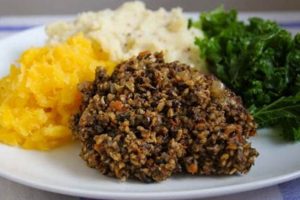
The pursuit of plant-based meals that are both rapid to prepare and uncomplicated is a growing trend. This approach to cooking emphasizes efficiency and accessibility, allowing individuals to incorporate veganism into their lives without significant time investment or advanced culinary skills. Common examples include one-pot pasta dishes, simple stir-fries using pre-cut vegetables, and salads featuring easily sourced ingredients.
Adopting a streamlined method for plant-based eating offers numerous advantages. It enables busy individuals to maintain a healthy diet despite time constraints. Furthermore, it reduces the perceived barriers to entry for those interested in exploring veganism. Historically, complex recipes and long preparation times have been obstacles for some; simplified approaches overcome these challenges, promoting wider adoption and long-term adherence to a plant-based lifestyle.
The subsequent sections will explore specific meal ideas, time-saving techniques, and readily available resources that facilitate the creation of satisfying and efficient vegan meals.
Streamlining Plant-Based Meal Preparation
The following recommendations are designed to optimize the process of creating plant-based meals, emphasizing speed and simplicity without compromising nutritional value.
Tip 1: Prioritize Batch Cooking: Prepare larger quantities of staples such as grains (quinoa, rice) or legumes (beans, lentils) in advance. These can then be incorporated into multiple meals throughout the week, significantly reducing daily preparation time.
Tip 2: Utilize Pre-Cut Vegetables: Purchasing pre-cut or frozen vegetables can eliminate a substantial portion of meal preparation time. While potentially more expensive, the convenience can be worthwhile for those with limited time.
Tip 3: Embrace One-Pot or One-Pan Meals: Recipes that minimize the number of dishes required can save both cooking and cleaning time. Examples include pasta dishes where all ingredients are cooked together or roasted vegetable medleys prepared on a single baking sheet.
Tip 4: Keep a Well-Stocked Pantry: Maintaining a supply of essential ingredients such as canned beans, whole grains, nuts, seeds, and plant-based sauces allows for spontaneous meal creation without requiring a trip to the grocery store.
Tip 5: Master a Few Core Recipes: Identifying and perfecting a small number of versatile and satisfying plant-based recipes can provide a reliable foundation for meal planning. These recipes can then be adapted and modified as desired.
Tip 6: Leverage Prepared Sauces and Dressings: Using commercially available vegan sauces and dressings, such as hummus, tahini-based dressings, or pre-made marinades, can enhance flavor profiles and reduce preparation steps.
Tip 7: Plan Meals in Advance: A few minutes spent planning meals for the week can save significant time and reduce the likelihood of resorting to less healthy or less efficient options.
By implementing these strategies, individuals can successfully integrate nutritionally sound and palatable plant-based meals into their daily routines, even when faced with time constraints.
The subsequent section will explore specific example recipes that exemplify these principles of efficiency and simplicity.
1. Efficiency

Efficiency, within the context of plant-based meal preparation, directly correlates with the feasibility and sustainability of incorporating veganism into modern lifestyles. It addresses the common constraint of limited time, transforming what might be perceived as a complex undertaking into an accessible daily practice.
- Optimized Ingredient Selection
Efficient plant-based recipes prioritize ingredients that require minimal preparation. This encompasses pre-cut vegetables, canned legumes, and readily available whole grains. For example, a black bean salsa recipe utilizing canned black beans, pre-chopped onions, and jarred salsa significantly reduces preparation time compared to a recipe requiring the preparation of each individual ingredient from scratch.
- Streamlined Cooking Techniques
Efficient methods favor cooking techniques that minimize active involvement. One-pot meals, stir-fries, and sheet pan dinners exemplify this. These techniques reduce both cooking and cleaning time. A lentil soup prepared entirely in a single pot, from sauting aromatics to simmering the lentils, is a practical application of this concept.
- Strategic Meal Planning and Preparation
Planning meals in advance and preparing components in bulk contribute significantly to efficiency. Batch cooking grains or roasting vegetables on the weekend provides readily available ingredients for quick assembly of meals during the week. Preparing a large batch of quinoa on Sunday evenings allows for quick incorporation into salads, bowls, or side dishes throughout the week.
- Minimized Equipment Usage
Efficient recipes utilize fewer pieces of cooking equipment and minimize complex steps. This reduces both cooking time and clean-up effort. A smoothie prepared in a single blender, requiring no cooking, represents a highly efficient application of this principle.
These facets of efficiency converge to create plant-based meals that can be prepared quickly and easily, even with limited time or culinary experience. The combined impact of optimized ingredients, streamlined techniques, strategic planning, and minimized equipment usage translates into a more accessible and sustainable adoption of a plant-based diet.
2. Simplicity

Simplicity, when applied to plant-based recipe development, is paramount to its practical implementation and widespread adoption. It reduces the perceived complexity of vegan cooking, making it more approachable for individuals regardless of their culinary experience or time constraints.
- Reduced Ingredient Lists
Recipes emphasizing simplicity feature a minimal number of ingredients, typically focusing on whole, unprocessed foods. This minimizes shopping time and preparation complexity. A basic bean and vegetable chili, comprised of canned beans, diced tomatoes, onions, and spices, exemplifies this approach.
- Straightforward Preparation Methods
Simplistic recipes prioritize straightforward preparation methods, avoiding complicated techniques or specialized equipment. Boiling, steaming, roasting, and blending are common methods employed. A simple steamed broccoli dish requires minimal skill and equipment, making it an accessible option for any individual.
- Minimal Culinary Expertise Required
Simplicity removes the barrier of advanced culinary skills. Recipes are designed to be easily followed, even by those with limited cooking experience. A peanut butter and banana sandwich, requiring no cooking and minimal assembly, represents an extreme example of this principle.
- Adaptability and Customization
Recipes designed for simplicity are often easily adaptable to individual preferences or available ingredients. This flexibility encourages experimentation and personalization. A basic vegetable stir-fry can be modified with different vegetables, sauces, or proteins to suit various tastes.
By incorporating these facets, plant-based meals become less daunting and more appealing to a wider audience. A simple approach allows for easier integration into daily routines, promoting long-term adherence to a plant-based lifestyle, thereby reinforcing the core principles of swift and un complicated vegan recipe design.
3. Ingredients

The selection and utilization of ingredients are fundamental determinants in the creation of rapid and uncomplicated plant-based meals. Strategic ingredient choices can significantly reduce preparation time and complexity, while also ensuring nutritional adequacy and palatability. Ingredient selection, preparation methods, and sourcing all play a critical role.
- Accessibility and Availability
Ingredients commonly found in quick and easy vegan recipes are typically readily available in most grocery stores or pantries. This minimizes the need for specialized shopping trips or ordering from niche suppliers. Examples include canned beans, pasta, rice, frozen vegetables, and common spices. The ease of procurement contributes directly to the overall speed and simplicity of meal preparation. The utilization of ingredients with broad availability ensures that the preparation of vegan meals remains attainable for a wider range of individuals, irrespective of geographic location or access to specialized food markets.
- Minimal Preparation Requirements
The emphasis on ingredients requiring minimal preparation is central to the concept. Pre-cut vegetables, canned legumes, and ready-to-eat grains are frequently incorporated. This eliminates time-consuming tasks such as chopping, soaking, or lengthy cooking processes. For instance, the use of pre-cooked quinoa or canned chickpeas in a salad reduces preparation time significantly. This strategic approach to ingredient selection underscores the commitment to expediting the cooking process without sacrificing nutritional integrity or culinary appeal.
- Versatility and Adaptability
Ingredients chosen for their versatility allow for their inclusion in a diverse range of dishes, minimizing the need for specialized ingredients for each individual meal. Items like lentils, tofu, and assorted vegetables can be utilized in soups, stews, stir-fries, and salads. The versatility facilitates a streamlined approach to meal planning and preparation. The ability to adapt a small set of base ingredients to create a variety of dishes enhances both efficiency and resourcefulness in the context of plant-based meal preparation.
- Nutritional Completeness
While prioritizing speed and simplicity, ingredient selection must also consider the nutritional profile of the resulting meals. Ingredients should contribute a range of essential nutrients, including protein, fiber, vitamins, and minerals. Examples include the combination of beans and grains to provide complete protein, or the inclusion of leafy greens for vitamins and minerals. This ensures that time-efficient meals are also nutritionally sound. The integration of nutrient-dense ingredients is paramount, promoting both well-being and adherence to dietary guidelines.
The principles of accessibility, minimal preparation, versatility, and nutritional completeness underpin the selection of ingredients in quick and easy vegan recipes. By adhering to these guidelines, individuals can create meals that are both efficient and nutritionally satisfying, promoting the long-term sustainability of a plant-based lifestyle. The interplay of these factors ultimately defines the feasibility and attractiveness of adopting a plant-based diet.
4. Time-Saving

Time-saving represents a critical element in the design and adoption of uncomplicated plant-based recipes. The efficacy of such recipes hinges upon their capacity to minimize preparation and cooking durations, thereby facilitating their integration into time-constrained schedules.
- Strategic Use of Convenience Foods
The incorporation of pre-processed or partially prepared foods significantly reduces the temporal demands of meal preparation. Examples include pre-cut vegetables, canned beans, frozen grains, and ready-made sauces. These items curtail the time spent on ingredient preparation, thereby accelerating the overall cooking process. A meal constructed around pre-cooked rice and canned black beans can be assembled far more rapidly than one requiring the soaking and cooking of dried beans and the preparation of rice from its raw state.
- Batch Cooking Techniques
Preparing larger quantities of food during periods of lower time constraint, and subsequently utilizing the leftovers in subsequent meals, represents an efficient time-saving strategy. Cooking a large batch of lentils or roasting a tray of vegetables on a weekend allows for their incorporation into multiple meals throughout the week. This reduces the daily time investment required for meal preparation and promotes a more streamlined approach to plant-based cooking.
- One-Pot or One-Pan Methods
Recipes designed to be cooked in a single pot or on a single baking sheet minimize both cooking time and cleaning efforts. These methods consolidate multiple steps into a single operation, reducing the overall duration required for meal preparation. A pasta dish where all ingredients are cooked together in a single pot exemplifies this approach, eliminating the need for separate cooking of the pasta and sauce.
- Emphasis on Rapid Cooking Techniques
Prioritizing cooking methods that inherently require less time, such as stir-frying, sauting, or steaming, contributes to the overall time-saving nature of the recipes. These methods allow for the rapid cooking of ingredients while preserving their nutritional value and flavor. A vegetable stir-fry, for instance, can be prepared in a matter of minutes, making it a practical option for individuals with limited time.
These time-saving strategies collectively enhance the practicality and appeal of rapid and uncomplicated plant-based recipes. By minimizing the time investment required for meal preparation, these methods facilitate the integration of plant-based eating into busy lifestyles, thereby promoting the long-term sustainability of a vegan diet. The reduction of temporal constraints is a key factor in overcoming barriers to entry and promoting the broader adoption of plant-based dietary patterns.
5. Nutritional Value
Nutritional value, in the context of swift and uncomplicated plant-based recipes, represents a crucial consideration. It addresses the need to ensure that speed and simplicity do not compromise the overall health benefits associated with a vegan dietary pattern. The objective is to design recipes that are both efficient to prepare and nutritionally complete.
- Macronutrient Balance
Effective rapid vegan recipes prioritize a balanced distribution of macronutrients. Protein sources, such as legumes, tofu, or tempeh, are essential for satiety and tissue repair. Complex carbohydrates, derived from whole grains and vegetables, provide sustained energy. Healthy fats, sourced from avocados, nuts, and seeds, contribute to overall health and nutrient absorption. A lentil soup, combining lentils (protein), vegetables (carbohydrates), and a drizzle of olive oil (fats), exemplifies this balance. The maintenance of macronutrient equilibrium is vital for sustaining energy levels and promoting overall well-being.
- Micronutrient Density
Ingredients are selected to maximize micronutrient content, ensuring adequate intake of vitamins and minerals. Leafy greens, cruciferous vegetables, and colorful fruits are frequently incorporated. These provide essential vitamins, minerals, and antioxidants. A spinach salad with berries and a vinaigrette dressing offers a concentrated source of vitamins, minerals, and antioxidants. The focus on micronutrient density addresses potential deficiencies and supports optimal bodily functions.
- Fiber Content
Rapid vegan meals often emphasize fiber-rich ingredients, promoting digestive health and satiety. Whole grains, legumes, and vegetables are excellent sources of fiber. A whole-wheat pasta dish with vegetables and a tomato-based sauce provides a significant amount of dietary fiber. Adequate fiber intake contributes to digestive regularity, blood sugar control, and weight management.
- Minimizing Processed Foods
While convenience is a priority, reliance on highly processed vegan foods is minimized. Emphasis is placed on whole, unprocessed ingredients whenever possible. This reduces the intake of added sugars, unhealthy fats, and artificial additives. A stir-fry made with fresh vegetables, tofu, and a simple soy-based sauce is preferable to a pre-packaged vegan meal containing numerous processed ingredients. Prioritizing whole foods maximizes the nutritional value and minimizes potential health risks associated with processed foods.
The strategic integration of macronutrient balance, micronutrient density, fiber content, and minimal processed foods ensures that swift and uncomplicated plant-based recipes can effectively contribute to overall health and well-being. By prioritizing nutritional considerations alongside efficiency, these recipes provide a sustainable and healthful approach to vegan eating. They provide accessible means for individuals to maintain proper nutrition, reinforcing the value of quick and easy vegan recipes for long-term health.
6. Accessibility

The accessibility of plant-based recipes directly influences the adoption and sustainability of a vegan lifestyle. Readily available ingredients, straightforward preparation methods, and minimal required culinary skill contribute to enhanced accessibility. The causal relationship is clear: increased accessibility leads to greater adoption rates. The presence of complicated recipes or ingredients requiring specialized knowledge acts as a deterrent. Therefore, accessibility is not merely a desirable feature but a core component of any effective strategy promoting veganism.
Consider the impact of online recipe databases and smartphone applications. These platforms offer a wealth of plant-based recipes, often categorized by preparation time, ingredient availability, and skill level. These resources remove barriers previously encountered by individuals unfamiliar with vegan cooking. As an example, a person with limited cooking experience can easily find and follow a simple recipe for a lentil soup using ingredients available at their local supermarket. These digital tools provide accessibility through knowledge dissemination and ease of use.
Prioritizing accessibility also serves broader public health goals. By making plant-based meals more readily available and easy to prepare, the nutritional benefits of a vegan diet can be extended to a wider population, potentially mitigating chronic diseases associated with less healthy eating patterns. The understanding of this connection has practical significance for policymakers, educators, and health professionals seeking to promote dietary changes on a population level. Overcoming financial, educational, or geographical access barriers to plant-based eating creates a more equitable and sustainable food system.
Frequently Asked Questions About Swift and Uncomplicated Plant-Based Recipes
The following questions address common inquiries regarding the creation and implementation of plant-based meals that prioritize efficiency and simplicity.
Question 1: Are rapid plant-based recipes nutritionally adequate?
When properly designed, rapid plant-based recipes can provide complete nutritional profiles. Emphasis must be placed on incorporating a variety of whole foods, including legumes, whole grains, vegetables, fruits, nuts, and seeds, to ensure adequate intake of protein, fiber, vitamins, and minerals. Meal planning should consider daily recommended intakes of essential nutrients.
Question 2: What are some common ingredients utilized in expedited plant-based meals?
Frequently utilized ingredients include canned beans, lentils, pre-cut vegetables, frozen fruits, whole grains such as quinoa or brown rice, tofu, and a variety of spices. These ingredients offer convenience, nutritional value, and versatility, facilitating the swift assembly of nutritionally sound meals.
Question 3: How can batch cooking contribute to streamlined meal preparation?
Batch cooking involves preparing larger quantities of food components, such as grains, beans, or roasted vegetables, in advance. These components can then be incorporated into multiple meals throughout the week, significantly reducing daily preparation time. This strategy promotes both efficiency and variety in meal planning.
Question 4: Are pre-packaged or processed vegan foods recommended for time-efficient cooking?
While some pre-packaged vegan foods can offer convenience, emphasis should be placed on prioritizing whole, unprocessed ingredients whenever possible. Frequent consumption of highly processed foods may contribute to increased intake of sodium, added sugars, and unhealthy fats. The focus should remain on maximizing the nutritional value of meals while minimizing preparation time.
Question 5: What are some strategies for maintaining variety in rapid plant-based meals?
Variety can be achieved through strategic ingredient selection and meal planning. Experimenting with different spices, sauces, and cooking methods can transform basic ingredients into diverse and appealing meals. Utilizing a variety of vegetables, legumes, and grains can also contribute to nutritional diversity.
Question 6: How can individuals with limited culinary experience successfully implement fast vegan recipes?
Beginning with simple recipes involving minimal preparation and straightforward cooking techniques is recommended. Mastering a few core recipes and gradually expanding one’s repertoire can build confidence and competence. Online resources and cookbooks offer a wealth of beginner-friendly recipes and guidance.
Key takeaways emphasize the importance of nutritional planning, strategic ingredient selection, and streamlined cooking techniques in creating effective and sustainable plant-based meals. Individuals can successfully integrate these meals into their daily routines, irrespective of their time constraints or culinary expertise.
The subsequent section will address potential challenges and provide solutions for overcoming common obstacles to implementing a plant-based diet.
Conclusion
The preceding analysis has explored the multifaceted benefits and practical considerations surrounding the implementation of quick and easy vegan recipes. Emphasis has been placed on the critical aspects of nutritional adequacy, ingredient accessibility, time-saving techniques, and the reduction of complexity, highlighting their interconnectedness in promoting the successful integration of plant-based diets. These strategies ensure that individuals can efficiently and effectively adopt vegan eating patterns without compromising nutritional needs or encountering undue time constraints.
The consistent application of these strategies can contribute to the broader adoption of sustainable dietary practices. The findings herein should serve as a valuable resource for individuals seeking to transition to or maintain a plant-based lifestyle. Further research and innovation in recipe development are encouraged to continuously improve the accessibility and appeal of quick and easy vegan recipes, thereby maximizing their potential to promote both individual and planetary well-being.