This dish is a plant-based adaptation of a classic American side, typically featuring green beans in a creamy sauce, often topped with crispy fried onions. The standard version traditionally includes dairy products and sometimes meat-based ingredients, which are substituted with plant-derived alternatives in the vegan preparation. A common example includes using a cashew-based cream sauce instead of one made with dairy milk and cream of mushroom soup, along with plant-based fried onions or a homemade crispy topping crafted from breadcrumbs and nutritional yeast.
The significance of this culinary adaptation lies in its ability to provide a familiar and comforting dish that aligns with vegan dietary principles. It allows individuals following a plant-based lifestyle to participate fully in holiday meals and other gatherings where the traditional version is often served. Historically, the conventional recipe gained popularity due to its simplicity and use of readily available canned ingredients; the vegan version maintains the convenience factor while addressing ethical and health considerations associated with animal products.
The following sections will explore various aspects of creating this plant-based dish. This includes outlining ingredient substitutions, detailing preparation methods, and offering tips for achieving optimal flavor and texture in the vegan version. Discussions regarding sourcing vegan-friendly components and customizing the recipe based on individual preferences will also be addressed.
Tips for a Superior Plant-Based Green Bean Casserole
Achieving a successful plant-based rendition of this classic dish requires careful attention to ingredient selection and preparation techniques. The following tips aim to elevate the final product, ensuring a flavorful and texturally satisfying experience.
Tip 1: Prioritize Fresh Green Beans: While canned green beans offer convenience, fresh green beans provide superior flavor and texture. Blanching or lightly steaming fresh green beans before incorporating them into the casserole ensures a tender-crisp consistency, preventing a mushy final product.
Tip 2: Craft a Rich Cashew Cream Sauce: A cashew-based cream sauce serves as an excellent dairy-free alternative. Soaking raw cashews in hot water for at least 30 minutes, or preferably longer, softens them for optimal blending. High-speed blending with vegetable broth, nutritional yeast, and seasonings will yield a smooth and savory sauce.
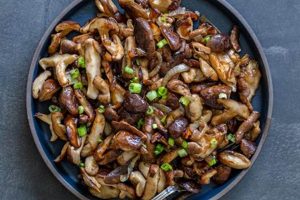
Tip 3: Experiment with Mushroom Varieties: Enhance the umami flavor of the casserole by using a blend of mushroom varieties in the sauce. Shiitake, cremini, and oyster mushrooms offer distinct textures and flavor profiles that complement the green beans. Sauting the mushrooms before adding them to the sauce concentrates their flavor.
Tip 4: Prepare a Homemade Crispy Topping: Store-bought fried onions often contain non-vegan ingredients. A homemade topping crafted from panko breadcrumbs, nutritional yeast, garlic powder, and melted vegan butter provides a flavorful and customizable alternative. Toasting the breadcrumb mixture in a dry skillet or oven ensures optimal crispness.
Tip 5: Season Generously: Plant-based dishes often require more seasoning than their traditional counterparts. Experiment with herbs, spices, and condiments to achieve a well-balanced and flavorful profile. Garlic powder, onion powder, smoked paprika, and Dijon mustard are excellent additions to the cream sauce.
Tip 6: Achieve Optimal Baking Temperature: Bake the casserole at a moderate temperature (350F/175C) to prevent the topping from burning before the sauce is heated through. Cover the casserole with foil during the initial baking period and remove it during the final minutes to allow the topping to brown and crisp.
Tip 7: Consider Adding Acid: A squeeze of lemon juice or a dash of apple cider vinegar added to the cashew cream can brighten the flavors and add another layer of complexity to the dish. Be sure to add gradually and adjust to taste.
Implementing these techniques will contribute to a flavorful, texturally pleasing, and authentically vegan experience. The utilization of fresh ingredients and thoughtful preparation methods will elevate the dish beyond a simple substitution, creating a standout contribution to any meal.
The following section will address common challenges encountered during the recipe development and solutions for overcoming them.
1. Cashew cream substitute

The cashew cream substitute serves as a cornerstone component in the plant-based adaptation of the green bean casserole. Its primary function is to replicate the creamy texture and richness traditionally provided by dairy-based ingredients, without compromising the vegan principles of the dish.
- Functionality as a Dairy Replacement
The cashew cream’s primary role is to mimic the texture and mouthfeel of dairy-based cream sauces commonly found in conventional green bean casseroles. Through proper preparation, specifically soaking and blending, cashews transform into a smooth, rich base capable of emulating the creaminess associated with milk or cream. This allows the dish to maintain its familiar comforting qualities while adhering to dietary restrictions.
- Nutritional Considerations
Cashew cream offers a distinct nutritional profile compared to dairy cream. While cashews provide healthy fats and some protein, they lack the lactose present in dairy. The cashew cream substitute allows for a reduction in saturated fat and cholesterol content, which is often a concern with dairy-based sauces. Furthermore, cashew cream can contribute to a higher fiber content, contingent on the inclusion of the cashew pulp in the final sauce.
- Flavor Profile and Customization
The flavor of cashew cream is relatively neutral, allowing it to readily absorb and complement other flavors within the casserole. Ingredients such as vegetable broth, nutritional yeast, garlic powder, and herbs can be incorporated to enhance the savoriness and complexity of the cream sauce. This adaptability allows for customization based on individual preferences and regional variations of the dish.
- Preparation Techniques and Consistency Control
Achieving the desired consistency of the cashew cream requires specific preparation techniques. Soaking the cashews in hot water is crucial for softening them and ensuring a smooth blend. High-powered blenders are recommended for achieving a completely homogenous texture. The ratio of cashews to liquid directly impacts the thickness of the cream, allowing for adjustments to suit the intended use in the casserole.
The successful integration of cashew cream substitute into the green bean casserole demonstrates the feasibility of recreating classic dishes within the parameters of a vegan diet. Through careful preparation and flavor enhancement, the cashew cream effectively replaces dairy, providing a similar culinary experience without animal products.
2. Crispy onion alternatives

The presence of a crispy topping is integral to the textural and flavor profile of a traditional green bean casserole. In the context of a plant-based adaptation, “crispy onion alternatives” become a crucial element to replicate this characteristic component without relying on conventional fried onions, which often contain non-vegan ingredients or are processed using animal-derived substances. Their absence fundamentally alters the sensory experience of the dish; therefore, their substitution is not merely cosmetic but essential for maintaining the intended culinary effect. For example, many commercial fried onions utilize milk-derived ingredients, rendering them unsuitable for a vegan diet. Thus, the viability of a plant-based interpretation of this dish hinges on finding suitable substitutes.
Several strategies exist for achieving the desired crispness and onion flavor without utilizing traditional fried onions. One approach involves creating a homemade topping from thinly sliced and baked or air-fried onions, often seasoned with salt, pepper, and garlic powder. Another involves using panko breadcrumbs toasted with nutritional yeast, which provides a savory, umami flavor reminiscent of onions. Crispy shallots can also be deployed. These options not only satisfy dietary requirements but also offer opportunities to enhance the nutritional value of the dish by reducing reliance on processed ingredients. A notable example includes the use of seasoned breadcrumbs incorporating smoked paprika to mimic the flavor of conventionally fried onions, while simultaneously contributing fiber and micronutrients absent in the original product.
Successfully employing “crispy onion alternatives” in a “green bean casserole vegan recipe” addresses both ethical and dietary concerns. The use of homemade or carefully sourced toppings ensures adherence to vegan principles while mitigating potential health drawbacks associated with heavily processed, commercially available fried onions. The selection of a specific alternative should consider both flavor profile and textural contribution to ensure a cohesive and satisfying final product. The application of these alternatives maintains the integrity of the dish, ensuring it remains recognizable and enjoyable to those familiar with the traditional version while accommodating plant-based dietary needs.
3. Umami flavor enhancement

Umami flavor enhancement plays a crucial role in creating a palatable and satisfying plant-based green bean casserole. The absence of animal-derived ingredients, which naturally contribute umami, necessitates strategic additions to achieve a comparable depth of flavor.
- Mushroom Utilization
Mushrooms are potent sources of umami due to their high glutamate content. Incorporating various mushroom types, such as shiitake, cremini, or oyster mushrooms, can significantly enhance the savory notes of the casserole. For instance, sauting sliced shiitake mushrooms and adding them to the cashew cream sauce introduces a rich, earthy umami that complements the green beans.
- Nutritional Yeast Application
Nutritional yeast, a deactivated yeast product, imparts a cheesy, nutty flavor, which contributes substantially to umami. Adding nutritional yeast to the cashew cream sauce or the crispy topping provides a savory depth that compensates for the absence of dairy. As an example, a blend of toasted panko breadcrumbs, nutritional yeast, garlic powder, and melted vegan butter creates a topping that offers both texture and umami.
- Soy Sauce Incorporation
Soy sauce is a concentrated source of glutamates and contributes a salty, savory flavor. A small amount of soy sauce added to the cashew cream sauce intensifies the umami, creating a more complex and satisfying flavor profile. Lightly salting with soy sauce helps balance the sweetness in cashews.
- Vegetable Broth Base
Utilizing a high-quality vegetable broth as the base for the cashew cream sauce provides a foundation of umami. A well-made vegetable broth, particularly one simmered with vegetables rich in glutamates (e.g., tomatoes, seaweed), adds depth and complexity to the casserole. For example, a homemade vegetable broth simmered with kombu seaweed can infuse the sauce with a subtle marine umami.
These techniques for umami flavor enhancement are essential for ensuring a plant-based green bean casserole achieves a balanced and flavorful profile that is comparable to, or even surpasses, its traditional counterpart. By strategically incorporating umami-rich ingredients, the resulting dish offers a satisfying culinary experience that aligns with vegan dietary principles.
4. Texture variation importance

Texture variation is a critical component of a successful plant-based green bean casserole. The textural contrast between the creamy sauce, the tender green beans, and the crispy topping elevates the eating experience beyond a homogenous mush, which can be a risk in casserole dishes. The absence of varied textures can lead to a dish that is perceived as bland or unappetizing, even if the flavor profile is well-developed. This principle holds particular significance in vegan adaptations, where the emulation of familiar textures often contributes to the overall satisfaction and acceptance of the plant-based alternative.
The incorporation of contrasting textures can be achieved through several methods. The green beans themselves should retain a slight crispness, achieved by blanching rather than overcooking. The cashew cream sauce should be smooth and velvety, providing a counterpoint to the firmer beans. The most impactful textural element is the crispy topping. Examples include toasted panko breadcrumbs, crispy fried shallots, or a combination of both. The contrast these provide prevents the dish from becoming monotonous. Furthermore, adding toasted nuts, such as pecans or walnuts, can introduce additional textural complexity. The effect of proper texture variation results in an eating experience far superior to that of a uniformly soft casserole.
The practical significance of understanding and implementing texture variation lies in creating a more appealing and enjoyable plant-based dish. While flavor is paramount, texture plays a pivotal role in overall perception and acceptance. Addressing this element can significantly improve the success of the dish, especially when serving individuals unfamiliar with vegan cuisine. Neglecting texture can lead to a less satisfying experience, diminishing the appeal of the vegan alternative. By consciously incorporating textural contrasts, a plant-based adaptation becomes a more compelling and successful representation of the classic green bean casserole.
5. Fresh ingredient sourcing
The successful creation of a plant-based green bean casserole hinges significantly on the quality and origin of its constituent ingredients. Fresh ingredient sourcing, therefore, becomes a pivotal consideration, influencing not only the final taste and texture of the dish but also its nutritional profile and overall appeal. Prioritizing fresh, locally sourced ingredients aligns with principles of sustainability and often results in a superior culinary outcome.
- Green Bean Quality and Impact
The selection of fresh green beans directly affects the texture and flavor of the casserole. Fresh green beans, as opposed to canned or frozen varieties, offer a crisper texture and a more vibrant flavor. Locally sourced green beans, often harvested at peak ripeness, maximize these qualities, leading to a more appealing and flavorful final product. Conversely, using older or lower-quality green beans can result in a mushy and less flavorful dish, detracting from the overall experience.
- Mushroom Variety and Flavor Depth
Fresh mushrooms contribute significantly to the umami flavor profile of a plant-based green bean casserole. Selecting a variety of fresh mushrooms, such as cremini, shiitake, or oyster mushrooms, adds depth and complexity to the dish. Sourcing these mushrooms from local farms or farmers’ markets ensures their freshness and quality, resulting in a more pronounced and nuanced flavor. Using dried or pre-packaged mushrooms may diminish the intensity of the umami flavor.
- Cashew Cream Component and Texture
While cashews themselves are not typically sourced locally, the quality of the cashews used to create the cream sauce affects the final texture and flavor. Using fresh, raw cashews, as opposed to older or roasted cashews, results in a smoother and creamier sauce. Sourcing cashews from reputable suppliers that prioritize quality ensures a better outcome. The freshness of the cashews influences the overall texture of the casserole.
- Herb and Spice Freshness and Aroma
Fresh herbs and spices contribute aromatic complexity to the casserole. Using fresh herbs, such as thyme or parsley, in the cashew cream sauce or as a garnish enhances the overall flavor profile. Similarly, using freshly ground spices, as opposed to pre-ground varieties, maximizes their aroma and flavor. Sourcing herbs and spices from local gardens or specialty stores ensures their freshness and potency, resulting in a more flavorful and aromatic dish.
The emphasis on fresh ingredient sourcing directly impacts the success of creating a flavorful and texturally appealing plant-based green bean casserole. By prioritizing fresh, locally sourced ingredients whenever possible, individuals can elevate the dish to a new level of culinary satisfaction. This approach not only enhances the taste and texture but also supports sustainable practices and contributes to a more wholesome and nutritious meal.
Frequently Asked Questions
The following addresses common inquiries regarding the preparation, ingredients, and potential challenges associated with crafting a plant-based adaptation of the traditional green bean casserole.
Question 1: Is the taste of a plant-based version comparable to the traditional green bean casserole?
The taste profile can be remarkably similar if prepared with attention to ingredient selection and flavor enhancement techniques. Using umami-rich ingredients like mushrooms, nutritional yeast, and soy sauce helps replicate the savory depth found in the original recipe. Texture variations, such as a crispy topping, also contribute to a comparable sensory experience.
Question 2: What are the key ingredient substitutions in a plant-based version?
The primary substitutions involve replacing dairy-based ingredients with plant-derived alternatives. Cream of mushroom soup is typically replaced with a homemade cashew cream sauce, while traditional fried onions are often substituted with crispy shallots or a homemade breadcrumb topping. Butter is replaced with vegan butter.
Question 3: Are there any potential nutritional benefits to a plant-based green bean casserole?
A plant-based version can offer several nutritional advantages. It is typically lower in saturated fat and cholesterol compared to the traditional recipe. Additionally, it can provide a higher fiber content, depending on the ingredients used, and may be a source of plant-based protein and micronutrients.
Question 4: What are common challenges encountered when making this dish and how can they be avoided?
A common challenge is achieving the right creamy texture in the sauce. This can be overcome by properly soaking and blending the cashews. Another challenge is replicating the crispy topping; using a combination of panko breadcrumbs, nutritional yeast, and vegan butter, and toasting it separately, helps achieve optimal crispness. Ensuring green beans are not overcooked during preparation is also important to avoid a mushy texture.
Question 5: Can the plant-based version be prepared in advance?
Yes, the casserole can be assembled in advance and refrigerated. However, it is recommended to add the crispy topping just before baking to prevent it from becoming soggy. This ensures the desired textural contrast is maintained.
Question 6: What are suitable variations to accommodate other dietary restrictions, such as gluten intolerance?
To accommodate gluten intolerance, the crispy topping can be made with gluten-free breadcrumbs or a mixture of almond flour and nutritional yeast. Ensure that all other ingredients, such as soy sauce or vegetable broth, are certified gluten-free. Verify there are no hidden gluten ingredients.
Creating a palatable and satisfying plant-based green bean casserole requires mindful ingredient selection and meticulous execution. By addressing these common concerns and employing appropriate techniques, a delicious and ethical alternative to the traditional dish can be achieved.
The subsequent section will delve into potential serving suggestions and complementary dishes to further enhance the overall dining experience.
Conclusion
The preceding exploration of “green bean casserole vegan recipe” elucidates the critical elements involved in replicating a classic dish within the constraints of a plant-based diet. Successful execution hinges on strategic ingredient substitutions, skillful flavor enhancement, and careful attention to textural contrasts. The application of cashew cream, homemade crispy toppings, and umami-rich components are essential for achieving a comparable sensory experience.
The information provided serves as a guide for those seeking to create a plant-based rendition of this traditional casserole, enabling individuals to enjoy a familiar dish while adhering to ethical and dietary considerations. Further experimentation with alternative ingredients and techniques may lead to innovative variations, expanding the possibilities within plant-based cuisine. The continued refinement of such recipes contributes to the growing accessibility and appeal of vegan dietary options.