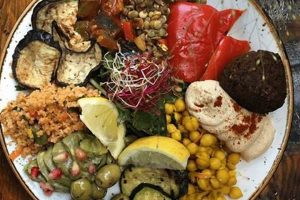
Plant-based adaptations of traditional Colombian cuisine offer a diverse range of flavors and dishes, providing options that align with vegan dietary principles. These culinary creations maintain the essence of Colombian gastronomy while omitting animal products. Examples include variations of ajiaco using plant-based proteins, bandeja paisa constructed with legumes and vegetables, and empanadas filled with savory vegetable mixtures.
The significance of these adaptations lies in their ability to cater to a growing demographic seeking ethical and health-conscious food choices. Benefits include reduced saturated fat intake, increased fiber consumption, and a lower environmental impact compared to meat-heavy meals. Historically, Colombian cuisine has incorporated a significant amount of plant-based ingredients, making it conducive to vegan reinterpretations. The utilization of local produce like potatoes, plantains, beans, and arepas provides a strong foundation for crafting satisfying and culturally relevant dishes.
The following sections will delve into specific recipes, regional variations, and the cultural impact of plant-based culinary innovations derived from Colombia. These innovations are impacting both traditional Colombian cuisine and the perception of what constitutes authentic and satisfying dining experiences.
Culinary Guidance
The following guidelines are designed to assist in the preparation and enjoyment of plant-based versions of Colombian dishes, respecting traditional flavors while adhering to vegan principles.
Tip 1: Embrace Regional Staples. Utilize readily available Colombian staples such as potatoes, plantains, cassava, and beans as the foundational elements for plant-based meals. These ingredients form the backbone of many traditional dishes and are easily adaptable.
Tip 2: Explore Plant-Based Protein Alternatives. Experiment with incorporating tofu, tempeh, lentils, or textured vegetable protein (TVP) to replicate the protein components traditionally found in dishes like bandeja paisa or ajiaco.
Tip 3: Recreate Iconic Sauces and Stews. Focus on accurately recreating the flavor profiles of sauces such as hogao (tomato and onion base) and stews like sancocho using vegetable broths and traditional Colombian spices.
Tip 4: Master the Art of Arepas. Perfect the preparation of arepas, a versatile corn-based flatbread, which can be filled with a variety of plant-based ingredients. Consider fillings such as black beans, avocado, or sauteed vegetables.
Tip 5: Substitute Dairy with Plant-Based Alternatives. Employ plant-based milks (almond, soy, or oat) and creams (cashew or coconut-based) to replace dairy products in desserts and drinks such as arroz con leche (rice pudding).
Tip 6: Leverage the Flavor of Herbs and Spices. Colombian cuisine relies heavily on fresh herbs and spices like cilantro, cumin, achiote, and garlic. Utilize these generously to enhance the taste of plant-based creations.
Tip 7: Adapt and Innovate Traditional Desserts. Reimagine classic Colombian desserts such as obleas (thin wafers) and cocadas (coconut candies) using plant-based sweeteners and ingredients.
These guidelines aim to provide a framework for recreating authentic Colombian flavors within a plant-based context, allowing individuals to experience the richness of the cuisine while adhering to their dietary preferences.
The subsequent sections will examine practical applications of these tips through detailed recipes and culinary explorations.
1. Ingredients

The selection and utilization of ingredients are paramount in adapting Colombian cuisine to vegan principles. The success of these adaptations hinges on understanding the properties of traditional components and identifying suitable plant-based alternatives that maintain flavor, texture, and nutritional value. This exploration delves into critical ingredient categories and their significance in crafting authentic plant-based dishes.
- Legumes and Grains as Protein Sources
Legumes such as beans, lentils, and chickpeas, along with grains like rice and quinoa, serve as primary protein sources in vegan Colombian food. Replacing meat in dishes like bandeja paisa or sancocho, these ingredients provide essential amino acids and contribute to a satisfying and balanced meal. The specific type of bean used (e.g., frijoles cargamanto) influences the final flavor profile.
- Vegetables and Tubers: The Foundation of Flavors
A wide array of vegetables and tubers, including potatoes, plantains, yuca (cassava), and corn, form the backbone of Colombian cuisine and are naturally suited for vegan adaptations. These ingredients contribute essential carbohydrates, vitamins, and fiber, while also providing distinct flavors and textures. For example, plantains can be prepared in various ways (ripe, green, boiled, fried) to create diverse dishes or side dishes such as patacones and pltanos maduros.
- Herbs, Spices, and Flavor Enhancers
Colombian cuisine relies heavily on fresh herbs and spices like cilantro, cumin, achiote, garlic, and onions to create signature flavor profiles. These ingredients are crucial for replicating the authentic taste of traditional dishes in their vegan forms. For example, hogao, a sauce made from tomatoes, onions, garlic, and spices, serves as a base for numerous dishes and must be meticulously recreated using plant-based ingredients to achieve the desired flavor.
- Plant-Based Substitutes for Dairy and Eggs
Dairy and eggs, while present in some Colombian dishes, require careful substitution to achieve a fully vegan result. Plant-based milks (almond, soy, oat) and creams (cashew, coconut) can replace dairy in desserts and beverages. Tofu, aquafaba (chickpea brine), or flaxseed meal can be used as egg replacements in recipes like arepas or baked goods. The choice of substitute influences the final texture and flavor, necessitating experimentation to find the optimal replacement for each dish.
The careful selection and preparation of these ingredient categories are paramount to crafting authentic and flavorful plant-based Colombian meals. Understanding the role each component plays in traditional dishes allows for informed substitutions that preserve the essence of the cuisine while adhering to vegan principles. By focusing on utilizing local produce and plant-based alternatives, vegan Colombians food can be created while minimizing the environmental impact.
2. Techniques
The successful adaptation of Colombian dishes into plant-based versions relies heavily on employing specific culinary techniques that compensate for the absence of animal products. These methods are crucial for maintaining the desired textures, flavors, and overall culinary experience. Proper execution ensures that plant-based alternatives are not merely substitutes but rather contribute positively to the final outcome.
- Mastering Plant-Based Protein Preparation
Techniques for preparing tofu, tempeh, lentils, and other plant-based proteins are crucial. Pressing tofu to remove excess water allows it to absorb flavors more effectively. Marinating these proteins in traditional Colombian spice blends before cooking enhances their taste and replicates the savory qualities of meat. For example, marinating crumbled tempeh in hogao and then pan-frying or baking creates a flavorful substitute for ground beef in empanadas or arepas.
- Emulsification and Thickening with Plant-Based Ingredients
Achieving desired textures in sauces and stews often requires techniques for emulsification and thickening. Utilizing ingredients like blended cashews, coconut milk, or potato starch can create creamy textures similar to those achieved with dairy. Carefully adjusting the ratios of liquids to solids ensures proper consistency without relying on animal-based thickeners. Blended plantains can thicken sancocho without altering the core flavor profile.
- Smoke Infusion and Flavor Layering
Replicating the smoky flavors traditionally imparted by meats requires employing techniques like using smoked paprika, liquid smoke, or grilling vegetables over charcoal. Layering flavors through careful addition of herbs, spices, and vegetable broths contributes to the complexity of plant-based dishes. Roasting vegetables before adding them to a stew intensifies their sweetness and adds depth of flavor. For instance, smoked paprika can enhance the flavor of plant-based chorizo in a bandeja paisa reimagining.
- Optimizing Texture through Cooking Methods
Specific cooking methods can significantly impact the texture of plant-based ingredients. Sauting vegetables at high heat retains their crispness while simmering legumes gently ensures they become tender without becoming mushy. Understanding the effects of different cooking times and temperatures is essential for achieving optimal results. Grilling or searing plant-based proteins such as seitan will create a satisfying exterior crust, similar to grilled meats.
These techniques are essential for recreating the essence of Colombian cuisine within a plant-based framework. By understanding the properties of plant-based ingredients and applying appropriate methods, one can ensure that plant-based alternatives not only substitute for but also elevate the overall dining experience. Careful execution of these methods facilitates the creation of dishes that are both authentic in flavor and satisfying in texture.
3. Flavor Profiles

The distinctive character of Colombian gastronomy arises from a complex interplay of ingredients and preparation techniques, culminating in characteristic flavor profiles. Achieving authentic plant-based versions requires a deep understanding of these profiles and the strategies for replicating them using vegan ingredients.
- Replicating Savory Umami Notes
Umami, often associated with meat, can be achieved in vegan Colombian food through careful ingredient selection and preparation. Mushrooms, sundried tomatoes, and vegetable broths simmered for extended periods can provide the depth of flavor typically derived from animal products. Fermented ingredients, like soy sauce (ensure gluten-free if necessary) or miso, introduce complex savory notes, mimicking the richness found in traditional meat-based stews. The skillful use of these elements is essential for a satisfying umami experience.
- Balancing Sweet and Acidic Elements
The interplay of sweetness and acidity is a hallmark of many Colombian dishes. Plantains, when ripened and caramelized, contribute a natural sweetness that complements savory elements. Similarly, the acidity from limes, tomatoes, or vinegar cuts through richness and brightens the overall flavor profile. Maintaining this balance is crucial. Adjusting sweetness with panela (unrefined cane sugar) or acidity with fresh lime juice allows the dish to remain balanced, mirroring the complexity of traditional preparations.
- Harnessing the Power of Aromatic Herbs and Spices
Colombian cuisine is defined by its use of aromatic herbs and spices. Cilantro, cumin, achiote, and garlic are cornerstone ingredients that contribute distinct flavors. These ingredients are not merely seasonings but integral components that shape the overall flavor profile. Precise quantities and proper bloom techniques (e.g., toasting spices to release their aromatic oils) are essential. The application of these herbs and spices should be strategic to enhance the natural flavors of the plant-based ingredients, replicating the complex aroma and taste of non-vegan counterparts.
- Achieving Textural Complexity
Flavor extends beyond taste to encompass texture. Varying textures enhance the sensory experience of a meal. Crisp fried plantains, creamy avocado slices, and tender beans contribute to a satisfying mouthfeel. Techniques such as flash-frying vegetables or using a combination of cooked and raw elements creates intrigue and prevents monotony. The interplay of contrasting textures is critical to achieving a balanced and engaging vegan Colombian culinary experience.
The creation of compelling plant-based adaptations of Colombian food necessitates a nuanced understanding of these flavor profiles. By carefully selecting ingredients, mastering preparation techniques, and attending to the interplay of flavors and textures, one can successfully capture the essence of Colombian cuisine in a vegan format. The strategic application of these principles leads to dining experiences that respect culinary tradition while embracing plant-based innovation.
4. Regional Variations

Colombian cuisine exhibits significant regional diversity, directly impacting the possibilities and characteristics of its plant-based adaptations. The availability of specific ingredients, traditional cooking methods, and culinary preferences vary considerably across geographical areas. Consequently, the creation of authentic plant-based dishes necessitates a contextual understanding of regional culinary practices. For instance, coastal regions favor seafood and coconut-based preparations; plant-based adaptations in these areas often substitute seafood with heart of palm or jackfruit, maintaining the textural and flavor profiles. Conversely, Andean regions utilize potatoes, beans, and corn extensively; plant-based versions capitalize on these inherent plant-based staples. Failure to acknowledge these regional variations results in homogenized dishes lacking authenticity.
The practical significance of understanding regional nuances is illustrated by specific examples. Consider ajiaco, a traditional chicken and potato soup from Bogot. A vegan adaptation requires not only replacing the chicken with plant-based proteins, like mushrooms, but also adjusting the potato varieties and herbs to accurately reflect the Bogot style. Similarly, bandeja paisa, a platter from the Antioquia region, features various meats. Recreating a vegan version necessitates understanding the specific cuts and preparations of each meat component to accurately substitute them with plant-based alternatives. The absence of accurate regional understanding dilutes the culinary heritage of the dish.
In conclusion, regional variations are an indispensable component of crafting authentic plant-based Colombian cuisine. Ignoring these nuances leads to a loss of culinary heritage and diminishes the overall dining experience. Acknowledging these regional subtleties enhances the creativity and fidelity of plant-based adaptations, allowing individuals to experience the richness and complexity of Colombian food while adhering to vegan principles. The challenge lies in balancing respect for tradition with innovation in ingredient substitution, demanding a careful and informed approach.
5. Nutritional Adequacy

Nutritional adequacy within the context of plant-based Colombian cuisine is paramount. A well-planned diet is necessary to ensure individuals obtain all essential nutrients typically derived from animal products, necessitating careful attention to dietary composition.
- Protein Completeness and Bioavailability
Colombian cuisine traditionally relies on meat as a primary protein source. Vegan adaptations require combining various plant-based proteins, such as legumes, grains, and seeds, to ensure the intake of all essential amino acids. Bioavailability, or the degree to which protein is absorbed and utilized, can be enhanced through proper food preparation techniques like soaking legumes or fermenting grains. Neglecting protein completeness can lead to deficiencies in essential amino acids, impacting muscle mass and overall health.
- Iron and Vitamin B12 Considerations
Iron, particularly heme iron found in animal products, is readily absorbed. Plant-based iron (non-heme iron) absorption can be increased by consuming iron-rich foods alongside vitamin C sources, such as citrus fruits or bell peppers. Vitamin B12 is not naturally found in plant-based foods; therefore, supplementation or consumption of fortified foods is crucial to prevent neurological damage. Reliance solely on traditional Colombian ingredients without supplementation or fortified products is insufficient to meet Vitamin B12 requirements.
- Calcium and Vitamin D Intake
Dairy products are a common source of calcium in many diets. Vegan versions of Colombian cuisine must incorporate calcium-rich plant-based foods, like fortified plant milks, tofu processed with calcium sulfate, and dark leafy greens. Vitamin D, essential for calcium absorption, may be obtained through sunlight exposure or supplementation, particularly in regions with limited sunlight. Inadequate calcium and vitamin D intake can compromise bone health.
- Omega-3 Fatty Acids Sourcing
Omega-3 fatty acids, particularly EPA and DHA, are important for brain health. While ALA, a precursor to EPA and DHA, is found in plant-based sources like flaxseeds and walnuts, its conversion rate to EPA and DHA is limited. Therefore, supplementation with algal oil, a direct source of EPA and DHA, is recommended to ensure adequate intake. Neglecting omega-3 fatty acid intake may impact cognitive function.
Achieving nutritional adequacy within plant-based Colombian cuisine requires conscious meal planning and awareness of potential nutrient deficiencies. Supplementation and fortified foods play a vital role in ensuring individuals obtain all essential nutrients. A balanced approach, incorporating diverse plant-based ingredients and strategic nutrient supplementation, is essential for long-term health and well-being.
6. Cultural Preservation

The intersection of cultural preservation and plant-based adaptations of Colombian cuisine presents a complex dynamic. Traditional culinary practices are inextricably linked to cultural identity, with specific dishes and preparation methods representing a tangible connection to ancestral heritage. The adaptation of these dishes to align with vegan principles necessitates a careful negotiation between respecting tradition and embracing innovation. Ill-considered alterations risk severing the connection to cultural roots, while thoughtful adaptations can serve to revitalize and broaden the appeal of Colombian cuisine to a more diverse audience. The preservation of culinary heritage requires a conscious effort to maintain the essence of traditional dishes while utilizing plant-based substitutes.
Specific examples illustrate this negotiation. Bandeja Paisa, a traditionally meat-heavy platter, represents the culinary identity of the Antioquia region. Recreating a vegan version demands meticulous attention to flavor profiles and textures. Substituting meat components with plant-based alternatives requires understanding the specific tastes and preparations that define each meat product. Using jackfruit seasoned with traditional spices to mimic shredded beef, or creating plant-based chorizo, are examples of adaptations that strive to maintain the authenticity of the dish. In contrast, simply omitting the meat components without thoughtful substitution alters the dish fundamentally, diminishing its cultural significance. Similarly, Ajiaco, a chicken and potato soup, needs careful plant-based protein replacements, like mushrooms and specific herbs, to preserve its unique flavor profile, maintaining its cultural importance to Bogot. Therefore, each dish must be approached with an understanding of its cultural context and a commitment to preserving its defining characteristics.
In conclusion, cultural preservation constitutes a critical component of adapting Colombian cuisine to vegan principles. The challenge lies in finding a balance between respecting traditional flavors and techniques and embracing plant-based ingredients. Successful adaptations preserve the cultural significance of the dishes, ensuring they remain recognizable and connected to their ancestral roots. This approach allows for the continuation of culinary traditions while simultaneously catering to evolving dietary preferences, ensuring that plant-based Colombian food remains a vibrant expression of cultural identity for future generations. The ongoing dialogue between tradition and innovation is essential for ensuring the long-term sustainability of Colombian culinary heritage in a changing world.
Frequently Asked Questions About Vegan Colombian Food
This section addresses common inquiries regarding plant-based adaptations of Colombian cuisine, providing concise and factual answers to enhance understanding.
Question 1: Is it possible to authentically replicate the flavors of Colombian cuisine using only plant-based ingredients?
Achieving authentic flavor replication requires careful selection of plant-based substitutes that mimic the taste, texture, and aroma of traditional animal products. This involves utilizing a combination of herbs, spices, and specific cooking techniques to create a comparable sensory experience.
Question 2: Are there significant nutritional differences between traditional Colombian dishes and their vegan counterparts?
Yes, nutritional differences exist, primarily in protein sources, iron bioavailability, and vitamin B12 content. Plant-based versions necessitate strategic planning to ensure adequate intake of essential nutrients often derived from animal products.
Question 3: How can traditional Colombian dishes, known for their meat content, be adapted without compromising cultural significance?
Adaptations require a deep understanding of the dish’s cultural context and flavor profile. Plant-based substitutes must be chosen carefully to preserve the dish’s essence and maintain its connection to Colombian culinary heritage.
Question 4: What are the primary plant-based protein sources used in vegan Colombian food?
Legumes (beans, lentils), grains (quinoa, rice), tofu, tempeh, and textured vegetable protein (TVP) serve as the primary protein sources. Combinations of these sources are often necessary to ensure a complete amino acid profile.
Question 5: Are specific regions of Colombia more conducive to vegan adaptations due to ingredient availability?
Yes, regions with a greater prevalence of plant-based staples, such as potatoes, plantains, and beans, facilitate easier and more authentic vegan adaptations of local dishes.
Question 6: What are some common challenges encountered when preparing vegan versions of traditionally meat-heavy Colombian dishes?
Challenges include replicating the umami flavor, achieving desired textures, and ensuring nutritional completeness. These challenges can be overcome through strategic ingredient selection, culinary techniques, and nutritional planning.
In summary, the successful creation of satisfying, nutritious, and culturally relevant vegan Colombian food requires a multifaceted approach encompassing culinary expertise, nutritional awareness, and a deep appreciation for Colombian culinary heritage.
The next section will explore specific recipes, providing practical guidance for creating plant-based versions of iconic Colombian dishes.
Conclusion
The preceding exploration of “vegan colombian food” has illuminated the intricacies involved in adapting a traditionally meat-centric cuisine to plant-based principles. From meticulous ingredient selection and culinary technique adjustments to ensuring nutritional adequacy and preserving cultural heritage, the creation of authentic vegan versions of Colombian dishes requires a comprehensive and informed approach. Regional variations further complicate the process, demanding nuanced understanding and tailored adaptation strategies. The successful integration of plant-based elements into Colombian gastronomy represents a testament to culinary innovation and adaptability.
The continued development and promotion of plant-based Colombian food offers a pathway towards more sustainable and ethical dietary choices without sacrificing cultural identity. Further research and experimentation are essential to refine techniques, optimize nutritional profiles, and expand the repertoire of available dishes. The future of Colombian cuisine may well depend on its ability to embrace plant-based innovation, ensuring its continued relevance and accessibility for generations to come.


![Find Vegan Food Near Me Open Now: [City] Guide | Discover Delicious Vegan Food, Beauty Swaps, and Zero-Waste Tips for a Greener Life](https://thisvegangirl.com/wp-content/uploads/2026/04/th-392-300x200.jpg "Find Vegan Food Near Me Open Now: [City] Guide Discover Delicious Vegan Food, Beauty Swaps, and Zero-Waste Tips for a Greener Life")