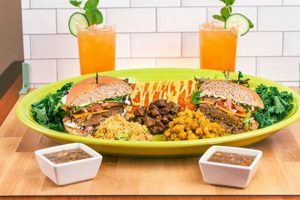
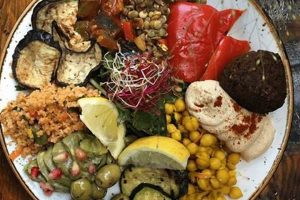
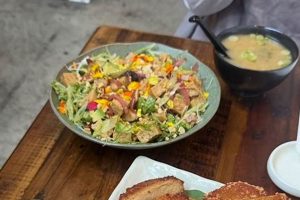
Plant-based dining options within the Universal Studios theme parks provide sustenance that aligns with vegan dietary principles. This encompasses meals and snacks devoid of any animal products, including meat, dairy, eggs, and honey. For instance, a guest seeking a vegan lunch might opt for a modified veggie burger, ensuring the patty, bun, and toppings are entirely plant-derived.
The presence of such choices caters to a growing segment of the population adhering to veganism for ethical, environmental, or health-related reasons. Their availability ensures inclusivity within the park’s culinary offerings, allowing individuals with specific dietary requirements to fully participate in the Universal Studios experience. Historically, theme park dining has often lacked diverse options, making the provision of accessible plant-based meals a significant advancement.
The subsequent sections detail specific locations within Universal Studios parks where plant-based meals are available, common ingredient modifications necessary to ensure vegan compliance, and strategies for effectively navigating the park’s culinary landscape to secure suitable dining choices.
Optimizing the experience of finding and enjoying plant-based cuisine within Universal Studios requires careful planning and proactive engagement. The following tips aim to provide a comprehensive framework for successfully securing suitable meals within the park’s diverse culinary landscape.
Tip 1: Advance Research is Paramount: Prior to arrival, consult Universal Studios’ official website or mobile application for published menus and dietary information. Identify restaurants offering dishes that appear readily adaptable to vegan requirements. For example, assess whether a pasta dish can be prepared without cheese or if a burger can be modified with a plant-based patty and vegan condiments.
Tip 2: Engage Directly with Culinary Staff: Upon arrival at a selected dining location, communicate dietary needs clearly and directly to a server or chef. Request detailed ingredient lists or inquire about potential modifications to existing menu items. Examples include requesting a pizza without cheese, specifying olive oil instead of butter, or ensuring that bread products do not contain eggs or dairy.
Tip 3: Scrutinize Ingredient Composition: Exercise caution when relying solely on menu descriptions. Hidden animal products can be present in sauces, dressings, and even seemingly innocuous items. For instance, vegetable broth may contain chicken or beef derivatives, and certain vegetable oils may be clarified with animal-based filtering agents.
Tip 4: Explore Ethnic Cuisine Offerings: Certain ethnic cuisines, such as Asian or Mediterranean, frequently feature dishes that are inherently plant-based or easily adaptable. Consider exploring options like vegetable stir-fries (ensure no fish sauce is used), hummus platters (verify no dairy is present in the accompaniments), or lentil soups (confirm the broth is plant-based).
Tip 5: Pack Supplemental Provisions: To mitigate potential limitations in park offerings, consider bringing a selection of shelf-stable plant-based snacks. These might include energy bars, nuts, seeds, dried fruit, or pre-packaged vegan meals. Such provisions can serve as backup options or supplemental nourishment throughout the day.
Tip 6: Utilize Mobile Ordering Systems: Where available, leverage mobile ordering platforms to clearly specify dietary restrictions and request modifications. These systems often include a “notes” or “special instructions” section that can be used to convey detailed requirements to the culinary staff preparing the order.
These strategies empower visitors to navigate the Universal Studios dining experience confidently, ensuring their dietary needs are met without compromising the enjoyment of their visit. Proactive planning and clear communication are essential components of a successful plant-based dining experience within the park.
The subsequent sections address specific restaurant recommendations and potential pitfalls to avoid when sourcing plant-based options within Universal Studios.
1. Accessibility

Accessibility, in the context of plant-based dining at Universal Studios, signifies the ease with which visitors adhering to vegan dietary guidelines can locate, understand, and acquire suitable meals. It is a critical component of ensuring inclusivity and catering to the diverse needs of park attendees. A lack of accessibility manifests as limited or nonexistent plant-based options on menus, unclear labeling of ingredients, insufficient staff knowledge regarding veganism, and inconvenient locations for plant-based offerings. For instance, if only one restaurant within the entire park offers a single modified vegan dish, the overall accessibility score is demonstrably low. This restricts choice and potentially necessitates long walks or waits, diminishing the park experience for vegan visitors.
The presence of readily available information is paramount. Accessible dining also requires easily discoverable information both online (website, app) and on-site (menus, signage) clearly outlining the plant-based choices. The information must accurately describe ingredients and preparation methods to eliminate ambiguity. Furthermore, staff training is vital. Employees must be equipped to answer questions, suggest modifications, and prevent cross-contamination during food preparation. A practical example of enhanced accessibility is a dedicated vegan section on restaurant menus with detailed descriptions, allergen information, and preparation details. Another would be prominently displayed signs directing patrons to locations with vegan offerings. A mobile app featuring a filter for plant-based dishes contributes significantly to accessibility as well.
Ultimately, the accessibility of plant-based cuisine within Universal Studios reflects a commitment to accommodating diverse dietary requirements. Addressing limitations in accessibility requires a multi-pronged approach that includes menu expansion, transparent labeling, comprehensive staff training, and proactive communication. Enhanced accessibility not only benefits vegan visitors but also promotes a welcoming and inclusive environment for all park attendees. The implications of poor accessibility extend beyond mere inconvenience, potentially influencing visitor satisfaction and overall perception of the park’s inclusivity.
2. Ingredient verification

Ingredient verification constitutes a fundamental aspect of securing plant-based meal options within Universal Studios. Rigorous examination of components is necessary to confirm the absence of animal-derived ingredients, ensuring adherence to vegan dietary standards.
- Hidden Animal Derivatives
Animal products frequently exist as concealed components within sauces, broths, and seemingly innocuous items. Vegetable broths may incorporate animal fats, and certain sauces may contain honey or dairy. Verification necessitates direct inquiry with culinary staff to ascertain the true composition of these elements. For example, requesting confirmation that a marinara sauce is free from meat stock is essential. The implication of failing to verify such details is the potential consumption of unintended animal products.
- Cross-Contamination Concerns
Food preparation practices can introduce animal products into otherwise plant-based dishes. Shared cooking surfaces, utensils, or frying oil can result in cross-contamination. Requesting that meals be prepared in a dedicated space or with separate utensils is crucial. For instance, a plant-based burger cooked on the same grill as meat products is no longer strictly vegan. Addressing this risk requires proactive communication with kitchen staff and, when possible, observation of food preparation procedures.
- Ambiguous Labeling Practices
Menu descriptions may lack specificity regarding ingredients or preparation methods. Terms such as “vegetarian” do not guarantee the absence of dairy or eggs. Direct clarification is required to determine if an item meets vegan standards. For example, a “vegetable medley” might be cooked in butter, rendering it unsuitable. Relying solely on menu descriptions without verification carries the risk of consuming non-vegan components. Ingredient transparency is vital.
- Supplier Transparency
Even with diligent inquiry, the ultimate guarantee of ingredient integrity resides with the transparency of the suppliers providing ingredients to Universal Studios’ culinary outlets. Understanding the sourcing and processing of ingredients, particularly for plant-based alternatives, is essential. Inquiries regarding the vegan certification status of plant-based meat substitutes, for instance, can provide additional assurance. This level of verification often requires engagement with managerial staff or specialized dietary personnel within the park.
These facets of ingredient verification underscore the proactive role required of visitors seeking plant-based options at Universal Studios. Thorough questioning, attention to detail, and a willingness to engage with culinary staff are crucial to navigating potential pitfalls and ensuring adherence to vegan dietary principles. The success of maintaining a vegan diet within the park hinges on a commitment to rigorous verification practices.
3. Menu Adaptability

Menu adaptability, in the context of plant-based dining at Universal Studios, refers to the degree to which existing menu items can be modified to meet vegan dietary requirements. This characteristic profoundly influences the accessibility and variety of plant-based meal options available to park visitors. A menu exhibiting high adaptability offers numerous opportunities for ingredient substitutions and omissions, effectively expanding the selection of viable plant-based choices. Conversely, a menu with limited adaptability restricts options and necessitates reliance on a small number of designated vegan dishes. The availability of plant-based choices depends on it.
The importance of menu adaptability stems from its ability to create a more inclusive dining experience without requiring extensive overhauls of existing menus. For example, a pasta dish that can be prepared without cheese or a burger that can be modified with a plant-based patty significantly increases the number of plant-based options without demanding the creation of entirely new menu items. Specific examples of adaptation include: requesting pizza without cheese, substituting vegetable broth for chicken broth in soups, utilizing plant-based milk alternatives in beverages, and omitting non-vegan sauces or dressings. Restaurants willing to accommodate such requests demonstrate a commitment to menu adaptability, consequently enhancing the dining experience for plant-based patrons. A non-adaptive menu leads to a more rigid and less versatile experience for the Vegan Community.
The practical significance of menu adaptability lies in its potential to transform standard theme park fare into suitable plant-based meals. Successfully navigating dining at Universal Studios often hinges on the ability to request modifications to existing dishes. Overlooking this potential adaptation limits choice and may lead to reliance on less desirable or nutritionally balanced alternatives. Effectively leveraging menu adaptability necessitates proactive communication with restaurant staff and a clear understanding of common ingredient substitutions. In conclusion, menu adaptability serves as a crucial determinant in the availability and diversity of plant-based dining options within Universal Studios, requiring proactive engagement and informed decision-making from visitors adhering to vegan dietary guidelines.
4. Restaurant variety

Restaurant variety within Universal Studios directly influences the availability, diversity, and quality of plant-based dining options for vegan visitors. The number of distinct culinary establishments offering vegan-compatible meals dictates the breadth of choices and the potential for satisfying diverse palates.
- Culinary Diversity and Choice
A greater number of restaurants translates to a broader spectrum of culinary styles and flavors. This mitigates dietary monotony and offers visitors the opportunity to explore diverse plant-based cuisines. For example, a park with only one restaurant offering vegan options limits choice, whereas a park with multiple restaurants serving different vegan dishes enhances the overall dining experience. This allows adherence to diverse palates and nutritional needs.
- Geographic Distribution and Accessibility
The spatial distribution of restaurants impacts accessibility. A concentrated cluster of restaurants offering vegan options is less convenient than a dispersed network across the park. Convenient access reduces travel time and potential inconvenience, particularly for families or individuals with mobility limitations. Uneven distribution impacts the experience.
- Potential for Specialization and Innovation
A competitive restaurant environment fosters specialization and innovation in plant-based cuisine. Restaurants may strive to differentiate themselves by offering unique or higher-quality vegan dishes. This benefits consumers through access to improved flavors, ingredients, and preparation techniques. Increased Variety can lead to a competitive environment.
- Impact on Service Quality and Staff Training
Increased restaurant variety can stimulate competition, leading to enhanced service quality and improved staff training regarding vegan dietary requirements. Well-trained staff are better equipped to address inquiries, suggest modifications, and prevent cross-contamination, contributing to a more positive and informed dining experience. Better service quality can increase customer satisfaction.
In summary, restaurant variety plays a pivotal role in shaping the vegan dining landscape within Universal Studios. A greater number of restaurants, strategically distributed, specializing in diverse cuisines, and supported by well-trained staff, directly enhances the quality, accessibility, and overall satisfaction of vegan visitors.
5. Cross-contamination risks

The presence of cross-contamination risks represents a significant challenge in securing strictly plant-based meals within Universal Studios. These risks arise from the potential transfer of animal-derived substances during food preparation, even in dishes designed to be vegan. Understanding these risks is essential for individuals adhering to vegan dietary guidelines.
- Shared Cooking Surfaces
Grills, stovetops, and other cooking surfaces used for both animal and plant-based items can facilitate the transfer of animal fats or residues. For instance, vegetables grilled on a surface previously used for meat may absorb traces of animal fat. This compromises the vegan status of the meal. Requesting separate cooking surfaces or thorough cleaning protocols minimizes this risk. The implications of ignoring this risk include inadvertent consumption of animal products.
- Shared Utensils and Equipment
The use of the same utensils for handling both animal and plant-based ingredients can introduce cross-contamination. Spatulas, knives, and cutting boards can transfer trace amounts of animal products. Requesting the use of clean or dedicated utensils for vegan meal preparation is crucial. For example, a knife used to cut cheese should not be used to prepare a vegan salad without proper cleaning. Ignoring this carries contamination.
- Frying Oil Contamination
Frying oil used for animal products can contaminate plant-based items cooked in the same oil. French fries, vegetable tempura, or other fried items may absorb animal fats from the oil. Inquiring about the dedicated use of frying oil for plant-based items is necessary. If shared, the oil represents a source of cross-contamination. This can impact the intended choice.
- Airborne Contamination
In certain instances, airborne particles from cooking animal products can settle on plant-based dishes. This is particularly relevant in open-kitchen environments. While less common, this type of contamination poses a risk. Selecting dining locations with separate cooking areas or enclosed kitchens may mitigate this risk. The implications of this contamination are low.
These facets of cross-contamination highlight the importance of proactive communication and diligent inquiry when ordering plant-based meals at Universal Studios. Addressing these risks requires a collaborative effort between visitors and culinary staff to ensure adherence to vegan dietary standards. The failure to mitigate these risks undermines the integrity of vegan food at Universal Studios.
6. Nutritional balance

Maintaining nutritional balance presents a notable consideration for individuals adhering to vegan diets within Universal Studios. The selection of plant-based options, coupled with the demands of a physically active theme park visit, necessitates careful attention to dietary composition.
- Macronutrient Adequacy
Securing sufficient protein, carbohydrates, and fats within the parks plant-based offerings requires strategic meal planning. Many standard theme park meals, even when modified to be vegan, may lack adequate protein or healthy fats. For instance, a modified veggie burger without cheese may be predominantly carbohydrate-based, necessitating the addition of supplemental protein sources like nuts or seeds. The consistent consumption of imbalanced meals can lead to energy fluctuations and compromised satiety.
- Micronutrient Sufficiency
Vegan diets require diligent attention to micronutrient intake, particularly vitamin B12, iron, calcium, and vitamin D. The availability of fortified foods or naturally rich plant-based sources within Universal Studios may be limited. A lack of these essential nutrients can result in deficiencies over time, impacting overall health and well-being. Pre-planning, including the consumption of fortified foods prior to the visit or the inclusion of supplemental vitamins, can mitigate this risk.
- Fiber Intake Regulation
Plant-based diets are typically high in fiber, which promotes digestive health and satiety. However, highly processed vegan options, such as certain imitation meats or refined carbohydrate-based snacks, may be lower in fiber. Maintaining a balance between whole, unprocessed plant foods and convenience options is crucial for optimal digestive function. Prioritizing fruits, vegetables, and whole grains within the parks offerings supports adequate fiber intake.
- Hydration Management
Theme park visits often involve prolonged periods of physical activity and exposure to varying weather conditions, increasing the risk of dehydration. Adequate hydration is essential for nutrient absorption, energy levels, and overall physiological function. While beverages are readily available within Universal Studios, selecting water or unsweetened options is preferable to sugary drinks, which can negatively impact blood sugar levels and contribute to nutrient imbalances. Vigilant attention to fluid intake throughout the day is paramount.
Addressing the challenges of nutritional balance within Universal Studios requires proactive planning and informed food choices. While plant-based options are becoming increasingly available, ensuring a nutritionally complete diet necessitates careful consideration of macronutrient ratios, micronutrient sufficiency, fiber intake, and hydration status. Supplementation and pre-planning are viable strategies for mitigating potential deficiencies and supporting optimal health during the visit.
Frequently Asked Questions
The following questions address common inquiries and concerns regarding plant-based dining options within Universal Studios theme parks. Answers are provided to assist visitors in making informed decisions and navigating the culinary landscape effectively.
Question 1: Is a comprehensive list of vegan-certified menu items available for Universal Studios parks?
Currently, a single, universally accessible list of certified vegan items is not maintained. Individual restaurants may provide ingredient lists or allergy information upon request. Direct inquiry at each dining location is recommended to verify vegan compliance.
Question 2: Are dedicated vegan preparation areas common in Universal Studios restaurants?
Dedicated vegan preparation areas are not standard practice in most Universal Studios restaurants. Cross-contamination risks may exist due to shared cooking surfaces and utensils. Proactive communication with kitchen staff to request specific preparation protocols is essential.
Question 3: Can modifications to existing menu items reliably guarantee vegan status?
Modifications can enhance vegan options; however, complete assurance is not always possible. Hidden animal products may exist in sauces, dressings, or other components. Thorough ingredient verification is crucial, and reliance on menu descriptions alone is discouraged.
Question 4: Are plant-based protein sources readily available in Universal Studios meals?
Plant-based protein sources may be limited in some Universal Studios meals. Veggie burgers, tofu-based dishes, and bean-based options may exist, but their prevalence varies by restaurant. Supplementing with nuts, seeds, or protein bars may be necessary to ensure adequate protein intake.
Question 5: How frequently are menu items updated to reflect vegan-friendly options?
Menu updates regarding vegan options vary in frequency across Universal Studios restaurants. Seasonal menus and ongoing culinary developments may introduce new plant-based choices. Regularly checking the Universal Studios website or app for updates is recommended.
Question 6: What strategies mitigate cross-contamination risks during food preparation?
Mitigating cross-contamination requires direct communication with restaurant staff. Requesting clean cooking surfaces, separate utensils, and confirmation regarding frying oil usage are essential. When possible, observing food preparation procedures can provide additional assurance.
Plant-based dining within Universal Studios necessitates proactive planning, thorough ingredient verification, and clear communication with culinary staff. While challenges exist, informed choices and diligent inquiry can facilitate a successful vegan dining experience.
The subsequent sections address specific restaurant recommendations within Universal Studios, highlighting establishments known for accommodating vegan dietary needs.
Concluding Assessment
This exploration of vegan food at Universal Studios underscores both the progress made and the challenges remaining for plant-based diners. Access to suitable meals necessitates proactive planning, diligent ingredient verification, and consistent communication with culinary staff. While menu adaptability exists, reliance on modifications alone carries inherent risks of unintended animal product consumption. Restaurant variety and geographic distribution of plant-based choices require improvement to enhance accessibility. Furthermore, attention to cross-contamination risks and nutritional balance remains paramount to ensure a satisfactory and healthful dining experience.
The future viability of vegan food at Universal Studios hinges on continued menu expansion, improved transparency in ingredient labeling, and enhanced staff training. A commitment to accommodating diverse dietary needs is essential for fostering an inclusive park environment. As plant-based diets gain wider acceptance, Universal Studios has the opportunity to become a leader in providing accessible, nutritious, and reliably vegan culinary options. Failure to address existing limitations will continue to present challenges for vegan visitors seeking to fully enjoy the Universal Studios experience.

![Find Vegan Food Near Me Open Now: [City] Guide | Discover Delicious Vegan Food, Beauty Swaps, and Zero-Waste Tips for a Greener Life](https://thisvegangirl.com/wp-content/uploads/2026/04/th-392-300x200.jpg "Find Vegan Food Near Me Open Now: [City] Guide Discover Delicious Vegan Food, Beauty Swaps, and Zero-Waste Tips for a Greener Life")