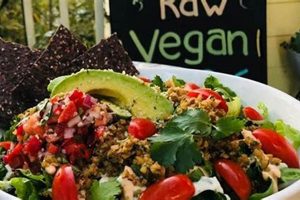
Culinary offerings served at nuptial celebrations that adhere to vegan principles exclude all animal products. This encompasses meat, poultry, fish, dairy, eggs, and honey. Consequently, menus focus on plant-based ingredients such as fruits, vegetables, legumes, grains, nuts, and seeds, crafted into diverse and flavorful dishes suitable for a formal event.
The increasing adoption of plant-based diets contributes to the rising prevalence of these menus. Offering such options allows couples to align their values with their celebration, accommodating guests with dietary restrictions or preferences while also presenting an ethical and environmentally conscious choice. Historically, conventional wedding fare often centered on meat-heavy dishes; the inclusion of plant-based alternatives represents a significant shift in culinary trends and inclusivity.
Subsequent sections will explore specific menu ideas, considerations for sourcing ingredients, creative presentation techniques, and strategies for ensuring guest satisfaction. The goal is to provide a thorough overview of creating a memorable and enjoyable dining experience centered around plant-based cuisine.
Essential Considerations for Plant-Based Wedding Cuisine
Careful planning ensures the successful execution of a plant-based wedding menu. Attention to detail throughout the process contributes to a positive and memorable dining experience for all attendees.
Tip 1: Engage a Caterer with Plant-Based Expertise: Selecting a caterer possessing a demonstrated understanding of vegan cuisine is paramount. This expertise ensures not only the absence of animal products but also a sophisticated approach to flavor development and presentation.
Tip 2: Prioritize Seasonal and Locally Sourced Ingredients: Emphasizing seasonal produce maximizes flavor and freshness. Sourcing from local farms minimizes environmental impact and supports regional agriculture.
Tip 3: Offer Diverse and Appealing Menu Options: Providing a range of dishes, from appetizers to desserts, accommodates varying tastes and preferences. Creative presentations and thoughtful flavor combinations are crucial to showcasing the versatility of plant-based cuisine.
Tip 4: Clearly Label Menu Items: Transparent labeling prevents confusion and ensures guests with dietary restrictions can easily identify suitable options. Include detailed ingredient lists for those with allergies or specific concerns.
Tip 5: Conduct a Tasting Prior to the Event: A tasting allows for menu adjustments and ensures the final selection meets the couple’s expectations and satisfies quality standards. This also allows for assessing the caterer’s ability to execute the planned menu consistently.
Tip 6: Consider Dietary Restrictions Beyond Veganism: Inquire about other dietary needs of guests, such as gluten intolerance or nut allergies, and incorporate options to accommodate these restrictions. This demonstrates inclusivity and attentiveness to guest well-being.
Tip 7: Ensure Adequate Protein Sources: Plant-based protein sources, such as legumes, tofu, tempeh, and nuts, should be incorporated into dishes to provide satiety and nutritional balance. A well-planned menu will avoid any perception of lacking substance.
Tip 8: Focus on Flavorful Sauces and Condiments: Sauces and condiments play a vital role in enhancing the overall flavor profile of plant-based dishes. Employing herbs, spices, and creative culinary techniques elevates the dining experience.
By adhering to these guidelines, a plant-based wedding menu can be both elegant and satisfying, reflecting a commitment to ethical eating and providing a memorable culinary experience for all guests.
The subsequent section will delve into common misconceptions about plant-based diets and address strategies for allaying concerns among guests unfamiliar with this culinary approach.
1. Menu diversity

Menu diversity is paramount in vegan wedding cuisine. It ensures a broad appeal to guests with varying palates and addresses the common misconception that plant-based meals are limited in scope. A diverse menu avoids monotony and showcases the versatility of vegan culinary options.
- Variety of Courses
A comprehensive vegan wedding menu should extend beyond a single entre option. Offering a range of appetizers, salads, main courses, side dishes, and desserts prevents culinary fatigue and provides guests with a complete dining experience. Examples include passed hors d’oeuvres like miniature vegetable skewers with balsamic glaze, followed by a vibrant salad with seasonal fruits and nuts, a choice of main courses such as mushroom Wellington or a hearty lentil shepherd’s pie, and a selection of vegan desserts like chocolate avocado mousse or fruit tarts.
- Global Culinary Influences
Incorporating dishes inspired by different culinary traditions expands the flavor profile and adds an element of excitement. Options could include Indian-inspired vegetable curries, Mediterranean mezze platters, or Asian-inspired stir-fries with tofu or tempeh. This approach demonstrates the global applicability of plant-based cuisine and caters to diverse preferences.
- Textural Contrasts
Effective menu diversity includes a consideration of textures. Offering a combination of creamy, crunchy, soft, and firm elements enhances the sensory experience of the meal. For instance, a smooth butternut squash soup could be paired with crispy fried sage leaves, or a chewy wild rice pilaf could be served alongside roasted vegetables with a firm bite.
- Seasonal Adaptability
Leveraging seasonal ingredients not only maximizes flavor but also contributes to menu diversity throughout the year. A summer wedding might feature light and refreshing dishes with grilled vegetables and fruit salsas, while a winter wedding could showcase hearty soups, stews, and root vegetable roasts. This adaptability ensures the menu remains fresh and relevant, regardless of the season.
The integration of these facets into the planning of plant-based wedding feasts demonstrates that menu diversity is not merely about offering a variety of options, but about strategically crafting a cohesive and engaging culinary experience that celebrates the versatility and potential of vegan cuisine. This thoughtful approach can significantly enhance guest satisfaction and challenge preconceived notions about plant-based dining.
2. Flavorful Ingredients

Flavorful ingredients are essential to crafting a successful plant-based wedding menu. Their careful selection and skillful application are paramount to ensuring a satisfying and memorable dining experience, particularly for guests who may not be familiar with vegan cuisine.
- Herbs and Spices
The judicious use of herbs and spices can transform simple plant-based ingredients into complex and aromatic dishes. Fresh herbs like basil, cilantro, and mint add brightness and vibrancy, while spices such as cumin, coriander, and turmeric provide depth and warmth. Blends like garam masala and ras el hanout can impart exotic flavors. In the context of vegan wedding cuisine, thoughtful seasoning compensates for the absence of animal fats and proteins, delivering enhanced taste and satisfaction.
- High-Quality Oils and Vinegars
The choice of oils and vinegars significantly impacts the flavor profile of a dish. Extra virgin olive oil adds richness and fruitiness to salads and dressings, while toasted sesame oil lends a nutty aroma to Asian-inspired dishes. Balsamic vinegar offers a sweet and tangy contrast, and sherry vinegar provides a complex, nutty flavor. Employing high-quality oils and vinegars elevates the overall taste experience, contributing to the sophistication of the vegan wedding menu.
- Umami-Rich Components
Umami, the fifth basic taste, adds a savory depth that is crucial in vegan cooking. Ingredients like mushrooms, seaweed (especially nori), sun-dried tomatoes, nutritional yeast, and soy sauce are rich in glutamates, compounds that contribute to umami. Utilizing these components enhances the savory aspects of dishes, replicating the satisfying qualities often associated with meat-based cuisines. Incorporating umami ensures that plant-based offerings are full-bodied and flavorful.
- Fresh and Seasonal Produce
The quality and flavor of produce directly impact the overall taste of a meal. Sourcing ingredients that are in season guarantees optimal flavor and freshness. Ripe, juicy tomatoes in summer, earthy root vegetables in winter, and vibrant berries in spring each offer unique flavor profiles that enhance the dining experience. Integrating seasonal produce into the menu demonstrates a commitment to both taste and sustainability, further elevating the plant-based wedding food.
The strategic application of these flavorful ingredients is crucial for creating a plant-based wedding menu that is both satisfying and memorable. Skillful blending of herbs, spices, oils, vinegars, and umami-rich components, combined with the use of fresh, seasonal produce, can transform vegan cuisine into a culinary experience that delights and impresses even the most discerning palates.
3. Ethical Sourcing
Ethical sourcing is intrinsically linked to the concept of vegan wedding food. The principles underpinning veganismavoiding animal exploitation and promoting environmental sustainabilityextend directly to the procurement of ingredients. A wedding centered around vegan cuisine loses its ethical foundation if the sourcing practices involve unfair labor practices, environmentally damaging agriculture, or unsustainable transportation methods. Consequently, the origin and production of ingredients become as crucial as their plant-based nature.
The practical implications of ethical sourcing are multifaceted. Opting for locally grown produce, for example, reduces the carbon footprint associated with long-distance transportation and supports local farmers who may adhere to stricter environmental standards. Similarly, choosing fair-trade certified ingredients, such as coffee or chocolate, ensures that producers in developing countries receive fair wages and operate under safe working conditions. A real-life example would be selecting quinoa grown by cooperatives that prioritize community development and environmental stewardship, instead of from large-scale industrial farms with questionable labor practices. Furthermore, considering the packaging and waste generated by the sourcing process is essential. Prioritizing suppliers who use minimal and recyclable packaging minimizes environmental impact.
In conclusion, ethical sourcing is not merely a supplementary consideration but an integral component of a genuinely vegan wedding. Its adoption ensures that the culinary choices align with the ethical and environmental values at the core of veganism. While navigating the complexities of supply chains and verifying ethical claims can be challenging, the commitment to responsible sourcing reinforces the wedding’s message and contributes to a more sustainable and just food system.
4. Guest Satisfaction
Guest satisfaction is a critical determinant of the overall success of any wedding celebration, and this holds particularly true when a vegan menu is featured. The selection of plant-based cuisine introduces the potential for diverse reactions, necessitating careful planning and execution to ensure all attendees, regardless of their dietary preferences, experience a positive culinary encounter. A primary cause of dissatisfaction stems from unfamiliarity with vegan food, often associated with perceived limitations in flavor or substance. The effect of poorly managed expectations can result in negative feedback and detract from the event’s celebratory atmosphere.
Achieving guest satisfaction involves proactively addressing potential concerns. Open communication about the menu’s composition prior to the event can help manage expectations. Providing detailed descriptions of dishes, highlighting the diverse flavors and textures, and emphasizing the use of high-quality, seasonal ingredients can allay anxieties. The presence of familiar dishes reimagined in plant-based versions can also serve as a bridge for guests less accustomed to vegan cuisine. A real-life example of this is offering a vegan “cheese” board with cashew-based cheeses alongside conventional crackers and fruits, creating a familiar and accessible starting point. The practical significance of this approach lies in its ability to demonstrate that vegan food is not synonymous with deprivation but rather offers a rich and varied culinary experience. Moreover, attentive service and the availability of knowledgeable staff to answer questions about the menu contribute significantly to ensuring guests feel catered for and informed.
Ultimately, ensuring guest satisfaction with vegan wedding food requires a combination of thoughtful menu planning, clear communication, and attentive service. While some guests may initially express reservations, a well-executed vegan menu can surprise and delight, demonstrating the versatility and appeal of plant-based cuisine. Successfully achieving guest satisfaction not only enhances the wedding celebration but also contributes to a broader understanding and appreciation of veganism as a viable and satisfying culinary option. The challenge lies in overcoming preconceived notions and presenting plant-based food in an innovative and approachable manner, reinforcing the idea that dietary choices do not compromise enjoyment or celebration.
5. Creative presentation

Creative presentation is intrinsically linked to the successful reception of plant-based wedding meals. Visual appeal significantly influences the dining experience, and a well-presented dish enhances the perceived quality and palatability of vegan options. A visually stunning presentation can counteract preconceived notions that vegan cuisine is inherently bland or uninspired, transforming skepticism into appreciation.
The practical application of creative presentation involves various techniques. Employing vibrant colors through the strategic use of vegetables and fruits, such as colorful beet and carrot ribbons or artful arrangements of berries, creates visual interest. Plating techniques, such as vertical stacking, layering, and the use of edible garnishes, elevate the dish beyond simple sustenance. For instance, a vegan chocolate tart can be enhanced with a dusting of cocoa powder, fresh raspberries, and a sprig of mint. Furthermore, attention to detail in the tableware and serving vessels contributes to the overall aesthetic. Serving miniature appetizers on elegant spoons or presenting salads in glass jars adds a touch of sophistication. Consider a meticulously arranged vegan charcuterie board featuring homemade nut cheeses, colorful pickled vegetables, and edible flowers, contrasted against a rustic wooden board. This level of visual appeal reinforces the intentionality and artistry behind the vegan menu.
In summation, creative presentation is not merely an aesthetic embellishment but an integral aspect of vegan wedding food. It serves to elevate the dining experience, challenge misconceptions, and demonstrate the culinary possibilities of plant-based ingredients. Overcoming the challenge of preconceived notions relies heavily on transforming the visual perception of the food, making presentation a key component to achieving a successful and memorable vegan wedding celebration.
Frequently Asked Questions about Plant-Based Wedding Meals
The following questions address common concerns and misconceptions regarding the incorporation of plant-based cuisine into wedding celebrations. These answers aim to provide clarity and informed guidance for couples considering vegan options.
Question 1: Is vegan wedding food inherently more expensive than traditional catering?
The cost of plant-based cuisine depends largely on the ingredients selected and the complexity of the menu. While some specialized vegan ingredients may command a premium, utilizing seasonal produce and focusing on whole foods can offer cost savings. Comparing quotes from multiple caterers specializing in plant-based cuisine is advisable.
Question 2: Can a vegan menu satisfy guests who are not vegan?
A thoughtfully designed plant-based menu can indeed satisfy diverse palates. Emphasizing flavor, texture, and creative presentation is key. Providing a variety of dishes, including familiar comfort foods reimagined in vegan versions, can broaden appeal.
Question 3: How can potential concerns from non-vegan guests be addressed?
Open communication is paramount. Clearly communicating the menu in advance and offering detailed descriptions of each dish allows guests to understand the culinary offerings. Providing options to accommodate other dietary restrictions (e.g., gluten-free) further demonstrates inclusivity.
Question 4: Are there limitations on the types of dishes that can be served at a vegan wedding?
The culinary possibilities within vegan cuisine are vast and continually expanding. Skilled chefs can create plant-based versions of nearly any dish, from classic comfort food to gourmet creations. The limitations are often more about imagination and culinary skill than ingredient availability.
Question 5: How important is it to select a caterer with specific experience in vegan cuisine?
Experience in vegan cuisine is crucial. A caterer with specific expertise will possess the knowledge to create balanced, flavorful, and visually appealing plant-based menus. This experience minimizes the risk of poorly executed dishes or a lack of understanding of vegan dietary needs.
Question 6: What considerations should be made for the wedding cake when planning a vegan wedding?
Vegan wedding cakes can be just as delicious and visually stunning as traditional cakes. Numerous bakeries specialize in vegan baking and can create custom cakes using plant-based ingredients. Taste tests are essential to ensure the cake meets expectations in terms of flavor and texture.
In summary, incorporating plant-based options into a wedding requires careful planning, thoughtful communication, and the selection of experienced professionals. Addressing potential concerns proactively and emphasizing the culinary possibilities of vegan cuisine can lead to a positive and memorable dining experience for all.
The subsequent section will provide resources for finding vegan caterers and bakers, along with inspiration for plant-based wedding menus.
Vegan Wedding Food
The preceding exploration has detailed the multifaceted considerations involved in selecting plant-based options for nuptial celebrations. From emphasizing ethical sourcing and ensuring guest satisfaction to prioritizing menu diversity and creative presentation, the creation of a successful vegan wedding feast requires meticulous planning. The quality of ingredients, the expertise of the caterer, and the level of communication with guests are critical determinants of the overall dining experience.
The decision to offer vegan wedding food represents a significant commitment to ethical and sustainable principles. Prospective couples are encouraged to approach this choice with diligence and intentionality, recognizing the potential to create a memorable and meaningful celebration that aligns with their values. The informed selection of plant-based cuisine has the power to reshape perceptions and contribute to a more compassionate and environmentally conscious culinary landscape. Explore this option thoroughly to make the most of the day.