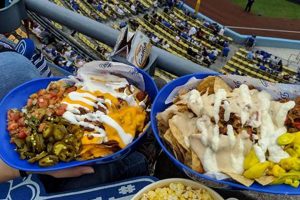
Plant-based fare suitable for sports-watching gatherings presents a flavorful and ethical alternative to traditional offerings. It encompasses a diverse range of snacks, meals, and desserts prepared without animal products, appealing to a broader audience while adhering to specific dietary preferences. An example includes a platter of loaded nachos featuring cashew-based cheese, black beans, and guacamole.
The rise in popularity of these culinary options reflects a growing awareness of the environmental and health advantages associated with plant-based diets. Choosing these alternatives can contribute to reduced environmental impact and provide an inclusive culinary experience for all attendees. Historically, game day menus were heavily reliant on meat and dairy; however, evolving dietary consciousness has prompted a shift toward more diverse and sustainable choices.
The following sections will delve into specific recipes, ingredient considerations, and preparation techniques for creating appealing and satisfying options, ensuring a successful and inclusive viewing party experience.
Tips for Successful Preparation
The creation of appetizing dishes for sports-viewing events requires careful planning and execution to ensure satisfaction among diverse palates. The following guidelines offer strategies for optimal results.
Tip 1: Prioritize Flavor Profiles: Implement robust seasoning and spice blends to compensate for the absence of animal-derived fats. Experiment with umami-rich ingredients such as mushrooms, sun-dried tomatoes, and nutritional yeast.
Tip 2: Emphasize Texture: Incorporate a variety of textures to enhance the eating experience. Crispy components, such as toasted nuts or fried onions, can add dimension to softer dishes.
Tip 3: Utilize Plant-Based Protein Sources: Feature legumes, tofu, tempeh, or seitan as primary protein sources. These can be marinated, grilled, or incorporated into various dishes to provide satiety.
Tip 4: Prepare in Advance: Many components can be made ahead of time to minimize stress on the day of the event. Dips, sauces, and marinades often benefit from resting overnight.
Tip 5: Offer Diverse Options: Cater to varying preferences by providing a range of dishes, including both familiar comfort foods and innovative creations. Consider offering both spicy and mild options.
Tip 6: Master Plant-Based Cheese Alternatives: Explore recipes and techniques for creating creamy, flavorful “cheese” sauces and dips using cashews, potatoes, or other plant-based ingredients. The texture and flavor should closely mimic dairy cheese for enhanced appeal.
Tip 7: Focus on Fresh Ingredients: The selection of high-quality, fresh produce is crucial for optimal flavor and visual appeal. Source locally whenever possible to ensure ripeness and seasonality.
Adhering to these recommendations enhances the likelihood of creating dishes that are both palatable and satisfying, broadening the appeal of plant-based cuisine in a traditionally meat-centric environment.
The subsequent sections will elaborate on specific recipes and provide further guidance for successfully implementing these strategies.
1. Flavorful substitutions

Flavorful substitutions are a critical component of successful dishes designed for sports-viewing events, directly impacting the acceptance and enjoyment of plant-based options. The absence of familiar meat-based flavors necessitates the strategic use of alternative ingredients and techniques to achieve comparable taste profiles. For instance, smoked paprika and liquid smoke can impart a smoky characteristic often associated with barbecued meats, while umami-rich ingredients like mushrooms or roasted vegetables can deepen the savory aspects of a dish. Without these considered replacements, dishes may lack the desired intensity, potentially leading to dissatisfaction among consumers accustomed to conventional options.
The effective implementation of these alternatives extends beyond mere replacement; it requires an understanding of flavor layering and balancing. Spices, herbs, and sauces must be carefully combined to create complex and satisfying tastes. Consider the use of jackfruit, a fruit with a neutral flavor, which when seasoned appropriately, mimics the texture and taste of pulled pork. Similarly, cashew-based sauces can provide a creamy richness similar to dairy-based cheeses. These examples illustrate the transformative potential of skillful ingredient substitution in achieving desired taste outcomes.
In summary, the strategic application of flavorful substitutions is not simply a matter of replacing ingredients; it is a fundamental element for bridging the gap between traditional and plant-based cuisine. Success in this area directly correlates with the overall appeal of these options, making it a cornerstone of the culinary experience. Furthermore, careful consideration of flavor helps to dispel the misconception that dishes are inherently bland or unfulfilling, broadening their acceptance among diverse palates.
2. Nutritional adequacy

Nutritional adequacy represents a critical factor in the context of plant-based cuisine served during sports-viewing gatherings. Unlike traditional menus, which often rely heavily on animal products for protein and certain micronutrients, planning requires meticulous attention to ensure all nutritional needs are met. Failure to address nutritional deficiencies can lead to inadequate energy levels and compromised health among individuals consuming these offerings. For instance, a plant-based spread lacking sufficient protein sources may leave participants feeling unsatisfied and prone to overconsumption of less nutritious items.
Careful planning to incorporate diverse ingredients addresses concerns about protein, iron, vitamin B12, and omega-3 fatty acids. Legumes, tofu, tempeh, nuts, and seeds serve as excellent sources of plant-based protein, while fortified plant-based milks and cereals provide vitamin B12. Iron-rich foods like spinach and lentils, when paired with vitamin C-rich ingredients, enhance iron absorption. Flaxseeds and chia seeds offer a means of incorporating omega-3 fatty acids. A practical example involves preparing a chili loaded with beans, lentils, and vegetables, served alongside whole-grain bread and a side salad to ensure a balanced intake of macronutrients and micronutrients.
In summary, nutritional adequacy should be a primary consideration when preparing culinary options. By prioritizing nutrient-dense ingredients and employing strategies to enhance nutrient absorption, it is possible to create plant-based menus that are not only flavorful and satisfying but also contribute to the overall health and well-being of attendees. Overlooking this aspect may lead to unintended nutritional shortcomings, thereby diminishing the value of these alternatives. The integration of careful planning and informed choices ensures a beneficial and complete culinary experience.
3. Texture variety

Texture variety plays a crucial role in the success of culinary offerings, especially within the context of plant-based choices served during sports-viewing events. The absence of traditionally expected textures from meat and dairy necessitates a conscious effort to incorporate diverse mouthfeel experiences to enhance overall satisfaction. The proper manipulation of textures can significantly elevate the palatability and appeal of these offerings, overcoming potential prejudices against plant-based cuisine.
- Crispness and Crunch
Achieving crispness and crunch in plant-based options often involves techniques such as frying, baking, or air-frying. Examples include crispy fried tofu skins, toasted nuts and seeds, or baked tortilla chips. The presence of these elements provides a satisfying contrast to softer components, adding complexity and enjoyment to the dining experience. The application of these techniques helps to replicate the satisfying crunch often found in fried chicken or crispy bacon.
- Creaminess and Smoothness
Replicating the creaminess and smoothness of dairy-based sauces and dips requires the utilization of plant-based ingredients such as cashews, avocados, or silken tofu. These ingredients, when blended properly, can produce textures that closely mimic those of traditional dairy products. Guacamole, cashew-based cheese sauces, and creamy dips made with white beans are examples. The integration of these elements provides a luxurious mouthfeel often associated with richer, more indulgent dishes.
- Chewiness and Firmness
Plant-based proteins, such as seitan, tempeh, and properly prepared tofu, offer chewiness and firmness to dishes. Seitan, made from wheat gluten, can be manipulated to create textures similar to meat, while tempeh, made from fermented soybeans, offers a hearty and substantial bite. Firm tofu, when pressed and marinated, can also provide a satisfyingly chewy texture. These options serve as excellent substitutes for meat-based proteins, contributing substance and interest to the dish.
- Softness and Tenderness
The use of well-cooked vegetables, soft legumes, and tender grains contributes to the overall balance of textures. Roasted vegetables, such as sweet potatoes or butternut squash, provide a naturally soft and tender element, while cooked lentils and quinoa offer a pleasant contrast to firmer ingredients. Integrating these components ensures a well-rounded and satisfying eating experience, appealing to a broad range of palates.
The deliberate manipulation of these diverse textures elevates the culinary experience, demonstrating the potential of plant-based cuisine to transcend traditional expectations. By strategically incorporating crisp, creamy, chewy, and soft elements, creates offerings that are both satisfying and appealing, encouraging greater acceptance and enjoyment of plant-based cuisine.
4. Accessibility

The concept of accessibility, in the context of plant-based culinary options for sports-viewing events, encompasses the ease with which individuals, regardless of dietary restrictions or preferences, can partake in and enjoy the offered fare. This includes not only the availability of suitable dishes but also considerations for allergies, budget constraints, and culinary familiarity. Maximizing inclusivity through conscious planning is essential for a successful gathering.
- Dietary Restrictions and Allergies
The primary facet of accessibility pertains to accommodating specific dietary needs, such as gluten intolerance, nut allergies, or soy sensitivities, alongside veganism. Clear labeling of ingredients and offering dishes free from common allergens are critical. For instance, a nut-free cashew cream sauce or a gluten-free crust for a vegetable pizza ensures wider participation. Failure to address these restrictions results in exclusion, limiting the social enjoyment of the event.
- Ingredient Availability and Affordability
The feasibility of preparing culinary options hinges on the availability of ingredients at local grocery stores and their associated costs. Utilizing readily accessible and affordable plant-based staples, such as beans, lentils, rice, and seasonal vegetables, makes preparing these options more practical for a broader range of hosts. Recipes relying on obscure or expensive ingredients may inadvertently create a barrier to entry. A bean-based chili or lentil soup exemplify accessible and budget-friendly choices.
- Culinary Familiarity and Simplicity
The complexity of recipes directly impacts the willingness of individuals to prepare and experiment with plant-based options. Offering dishes that align with familiar flavor profiles and employ straightforward cooking techniques increases the likelihood of adoption. A veganized version of a classic chili or a simple guacamole recipe is more approachable than an elaborate, multi-step preparation. Simplifying culinary processes promotes accessibility for cooks of varying skill levels.
- Clear Communication and Labeling
Effective communication about ingredients and preparation methods is vital for building trust and ensuring informed consumption. Clearly labeling all dishes with their respective ingredients, potential allergens, and nutritional information empowers individuals to make informed choices. This transparency fosters inclusivity and demonstrates a commitment to accommodating diverse needs. A simple sign indicating that a dish is “Vegan, Gluten-Free” provides valuable information at a glance.
These facets of accessibility collectively determine the degree to which individuals can participate in and enjoy plant-based food at sports-viewing events. By consciously addressing dietary restrictions, ingredient availability, culinary familiarity, and communication, hosts can create inclusive environments that celebrate diversity and promote a shared culinary experience. Prioritizing these considerations broadens the appeal of options, ensuring that everyone feels welcomed and catered to.
5. Presentation

Presentation serves as a critical element in the perception and acceptance of plant-based options during sports-viewing events. It directly influences initial impressions and sets the stage for the overall culinary experience. Well-presented dishes can overcome potential biases and encourage attendees to explore alternatives, transforming perceptions and promoting wider adoption.
- Color and Visual Appeal
The strategic use of color enhances the visual appeal and perceived freshness of plant-based dishes. Incorporating vibrant hues from fresh vegetables, fruits, and herbs creates an inviting presentation. For example, a colorful platter featuring red bell peppers, green avocados, and purple cabbage elevates the visual interest of a simple vegetable crudit. A monochromatic or dull presentation can detract from the perceived quality, regardless of the flavor profile.
- Plating and Arrangement
Thoughtful plating and arrangement contribute significantly to the perceived value and quality of offerings. Organizing elements with attention to symmetry, balance, and visual hierarchy can transform a simple dish into an appealing culinary experience. For instance, artfully arranging veggie burgers on a platter, garnished with fresh herbs and accompanied by colorful dipping sauces, enhances their appeal. A haphazard arrangement, conversely, can diminish the overall impression.
- Garnish and Finishing Touches
Garnishes and finishing touches provide an opportunity to add visual interest and enhance the flavor profile of plant-based items. Fresh herbs, edible flowers, toasted nuts, and creative sauces can elevate the presentation and signal attention to detail. Sprinkling toasted sesame seeds on edamame or drizzling balsamic glaze over roasted vegetables demonstrates a commitment to quality and aesthetics. The omission of such details can result in a dish that appears incomplete or uninspired.
- Serving Vessels and Utensils
The selection of appropriate serving vessels and utensils complements the overall presentation. Using attractive bowls, platters, and serving spoons enhances the visual appeal and adds a touch of elegance to the occasion. Glass bowls showcasing layers of a dip or attractive platters displaying arranged appetizers contribute to a more sophisticated presentation. In contrast, using mismatched or unattractive servingware can detract from the overall dining experience.
In summary, presentation is not merely an aesthetic consideration; it represents a strategic means of enhancing the appeal and acceptance of plant-based options. By prioritizing color, plating, garnishing, and appropriate serving vessels, hosts can transform simple options into visually appealing culinary experiences, encouraging broader participation and positive perceptions. Thoughtful presentation demonstrates a commitment to quality, inclusivity, and the overall enjoyment of the event.
6. Advance Preparation

The correlation between advance preparation and the successful execution of plant-based culinary offerings at sports-viewing events is significant. Adequate forward planning mitigates potential logistical challenges and ensures a smoother, more enjoyable experience for both the host and the attendees. Insufficient preparation often leads to compromised quality, increased stress levels, and a diminished capacity to cater to diverse dietary needs. A well-structured plan encompasses ingredient sourcing, component pre-assembly, and strategic timing to optimize resource allocation. Without this foresight, the likelihood of successfully delivering appealing and nutritious dishes within the constraints of a game-day setting diminishes considerably.
Practical applications of advance preparation include the pre-making of dips, sauces, and marinades several days in advance. This allows flavors to meld and deepen, enhancing the overall taste profile. Vegetable chopping and ingredient portioning can also be completed ahead of time, streamlining the final cooking process. Plant-based proteins, such as tofu or tempeh, benefit from marinating overnight to maximize flavor absorption. A real-life example would be the preparation of a cashew-based cheese sauce a day before, allowing it to thicken and develop a richer taste, thereby simplifying the assembly of loaded nachos on game day. This proactive approach reduces time constraints and minimizes the risk of last-minute errors.
In summation, the implementation of advance preparation techniques is paramount for successfully providing plant-based culinary options at sports-viewing events. Addressing logistical hurdles, maximizing flavor development, and streamlining the cooking process contribute to a more efficient and enjoyable experience for all involved. Overlooking this aspect can lead to compromised quality and increased stress, underscoring the essential role of proactive planning in ensuring a positive outcome. This proactive approach ultimately ensures a more inclusive and stress-free experience for hosts and attendees.
Frequently Asked Questions
This section addresses common inquiries and misconceptions surrounding the provision of plant-based culinary options for sports-viewing events. It aims to provide clear and concise answers to ensure informed decision-making and promote broader acceptance.
Question 1: Is specialized equipment required to prepare these dishes?
Specialized equipment is generally not required. Standard kitchen tools, such as knives, cutting boards, pots, pans, and blenders, are typically sufficient. Certain recipes may benefit from a food processor or high-speed blender, but these are not essential.
Question 2: Are ingredients readily available at most grocery stores?
The majority of ingredients are commonly available at most well-stocked grocery stores. Some specialized items, such as nutritional yeast or tempeh, may require a visit to a health food store or specialty grocer, but substitutes often exist.
Question 3: How can one ensure sufficient protein intake without meat?
Sufficient protein intake is achievable through the inclusion of legumes, tofu, tempeh, nuts, seeds, and plant-based protein powders. Diversifying protein sources and ensuring adequate portion sizes are essential strategies.
Question 4: Can these offerings appeal to individuals who are not vegan?
Yes, well-prepared and flavorful dishes can appeal to a broad range of palates, regardless of dietary preferences. Emphasizing robust flavors, diverse textures, and appealing presentation increases the likelihood of acceptance.
Question 5: How does the cost compare to traditional game day fare?
The cost can vary depending on the ingredients selected. Some plant-based staples, such as beans and lentils, are generally more economical than meat. However, specialized items or premium ingredients may increase the overall cost. Strategic planning and ingredient selection can help manage expenses.
Question 6: What are some common mistakes to avoid?
Common mistakes include insufficient seasoning, inadequate texture variation, and neglecting to accommodate dietary restrictions. Prioritizing flavor, texture, and inclusivity is crucial for success.
In summary, providing plant-based options for sports-viewing events is both feasible and rewarding. Addressing common concerns and employing strategic planning promotes inclusivity and ensures a positive culinary experience.
The following section will provide a selection of recipes.
Conclusion
The foregoing exploration of “vegan game day food” demonstrates that the creation and implementation of plant-based menus for sports-viewing events necessitates careful consideration of flavor, nutrition, accessibility, presentation, and preparation. Strategic ingredient selection, meticulous planning, and thoughtful execution are essential for ensuring both palatability and inclusivity.
As dietary awareness evolves, the integration of these culinary options represents a significant opportunity to broaden the appeal of such gatherings and promote a more sustainable and compassionate approach to food consumption. Continued innovation and refinement in this domain hold the potential to reshape traditional culinary norms and foster greater inclusivity in social settings.