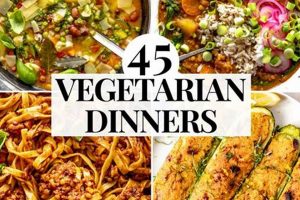
Culinary traditions of Iran offer a rich tapestry of flavors, often built around meat, dairy, and eggs. However, the foundational elementslegumes, grains, vegetables, and aromatic herbs and spiceslend themselves readily to plant-based adaptations. Dishes traditionally featuring animal products can be re-imagined using innovative substitutions, creating wholly plant-sourced renditions of classics. For instance, a hearty stew typically containing lamb can be replicated using mushrooms or lentils, maintaining the depth of flavor and textural complexity.
A diet centered on plants provides numerous advantages, including a lower intake of saturated fats and cholesterol, and a higher consumption of fiber and vitamins. This dietary approach aligns with sustainability goals, reducing reliance on animal agriculture and its associated environmental impact. Historically, Iranian cuisine has incorporated meatless meals, particularly during religious observances or due to economic necessity, demonstrating the cuisine’s innate flexibility.
The following sections will explore the breadth of opportunities available to those seeking plant-based Iranian culinary experiences, covering recipe adaptations, ingredient substitutions, regional variations, and considerations for maintaining authentic flavors in the absence of animal products. The aim is to provide both inspiration and practical guidance for creating meals that are flavorful, nutritious, and respectful of culinary heritage.
Tips for Preparing Plant-Based Iranian Cuisine
Adopting a plant-based approach to Iranian cooking requires thoughtful ingredient selection and careful attention to technique to replicate the authentic flavors and textures of traditional dishes.
Tip 1: Utilize Legumes Extensively: Legumes such as lentils, chickpeas, and beans are foundational in many Iranian dishes and serve as excellent protein sources in plant-based adaptations. Incorporate them into stews, soups, and rice dishes to add substance and nutritional value.
Tip 2: Master Tofu and Tempeh: These soy-based protein sources can mimic the texture and appearance of meat in certain recipes. Marinate tofu or tempeh in traditional Iranian spices and sauces before incorporating them into dishes such as kebabs or stews.
Tip 3: Embrace Eggplant: Eggplant is a versatile vegetable commonly used in Iranian cuisine. Its rich flavor and meaty texture make it an ideal substitute for meat in dishes like khoresht bademjan (eggplant stew).
Tip 4: Employ Dried Limes (Limoo Amani): Dried limes are a crucial ingredient in many Iranian stews, providing a distinctive sour and slightly fermented flavor. Do not omit them in plant-based versions of these dishes to maintain authenticity.
Tip 5: Experiment with Mushrooms: Mushrooms offer a savory umami flavor and a texture that can resemble meat. Use them as a substitute for beef or lamb in stews or as a filling for dolmas (stuffed grape leaves).
Tip 6: Leverage Fresh Herbs and Spices: Iranian cuisine is characterized by its generous use of fresh herbs and spices. Parsley, cilantro, dill, mint, and saffron are essential for creating authentic flavors. Use them liberally in plant-based dishes.
Tip 7: Substitute Dairy with Plant-Based Alternatives: Replace dairy yogurt with plant-based yogurt made from soy, almond, or coconut milk. These can be used in sauces, dips, and as a topping for rice dishes.
By implementing these tips, individuals can successfully navigate the creation of plant-based Iranian meals that are both flavorful and true to the culinary traditions of Iran.
The next section will delve into specific recipes, showcasing the practical application of these tips in creating satisfying and authentic plant-based Iranian dishes.
1. Legume Integration

Legume integration is a cornerstone of plant-based Iranian cuisine, serving as a primary source of protein and contributing significantly to the texture and flavor profiles of numerous dishes. The absence of meat necessitates a reliance on plant-based protein sources, and legumes including lentils, chickpeas, beans, and split peas effectively fulfill this nutritional role. For example, in a plant-based adaptation of khoresh gheimeh, traditionally a lamb stew, yellow split peas become the protein base, maintaining the dish’s hearty character while providing a meat-free alternative. This substitution demonstrates the causal relationship between the need for protein in a plant-based diet and the utilization of legumes to meet that need.
The importance of legume integration extends beyond mere protein provision. Legumes offer a variety of textures, from the creamy consistency of pureed lentils in soups to the firm bite of chickpeas in stews. This textural diversity is crucial for replicating the satisfying mouthfeel of meat-based dishes. Furthermore, legumes absorb and carry the complex flavors of Iranian spices and herbs, contributing to the overall depth of taste. Dishes such as adas polo (lentil rice) showcase this capability, where lentils are infused with saffron and cinnamon, enhancing the aromatic and flavorful experience. Practically, understanding the specific textural and flavor contributions of different legumes allows cooks to strategically select and prepare them, optimizing the plant-based culinary outcome.
In summary, legume integration is not simply a dietary accommodation in Iranian plant-based cooking, but rather an essential element that shapes its nutritional value, texture, and flavor. Mastering the use of legumes is paramount for those seeking to create authentic and satisfying renditions of classic Iranian dishes without animal products. The challenge lies in selecting the appropriate legumes and employing cooking techniques that maximize their potential within the context of each individual recipe, thereby ensuring a flavorful and nutritionally balanced outcome.
2. Herb Abundance

Iranian culinary traditions prominently feature fresh herbs, playing a vital role in defining the distinct flavors and aromas of many dishes. In the context of plant-based Iranian cooking, an abundance of herbs becomes even more critical, compensating for the absence of meat-derived umami and adding layers of complexity to the flavor profiles.
- Flavor Enhancement
Fresh herbs serve as primary flavoring agents, providing brightness and depth to plant-based dishes. Herbs like parsley, cilantro, dill, mint, and tarragon are incorporated in generous quantities, adding nuanced notes that enhance the overall sensory experience. For instance, in sabzi polo (herb rice), the abundance of fresh herbs transforms a simple rice dish into an aromatic and flavorful centerpiece.
- Textural Contribution
Beyond flavor, fresh herbs contribute to the texture of dishes. Finely chopped herbs create a delicate counterpoint to the softer textures of cooked legumes and vegetables, adding a pleasant mouthfeel. Consider kuku sabzi (herb frittata, often adapted plant-based with chickpea flour), where the herbs provide a light and airy texture that contrasts with the denser base.
- Nutritional Value
Fresh herbs are rich in vitamins, minerals, and antioxidants, contributing to the nutritional profile of plant-based Iranian meals. Incorporating a variety of herbs increases the intake of essential nutrients, enhancing the health benefits of the diet. This is particularly important in the absence of meat, as herbs provide additional micronutrients that may be otherwise lacking.
- Aromatic Complexity
The aromas of fresh herbs significantly contribute to the overall dining experience. The fragrant oils released from herbs during cooking create a complex and inviting aroma that stimulates the appetite. Saffron, while technically a spice, is often used alongside fresh herbs to further enhance the aromatic profile of dishes such as tahchin (baked rice cake).
The strategic and generous use of fresh herbs is indispensable in plant-based Iranian cooking. They serve not only to replace the flavors and textures typically provided by animal products but also to enhance the nutritional value and overall sensory experience of the meals. Through careful selection and preparation, herbs elevate plant-based dishes to meet, and potentially exceed, the standards of traditional Iranian cuisine.
3. Spice Complexity

The intricate use of spices is a defining characteristic of Iranian cuisine, and its significance amplifies in plant-based adaptations. In the absence of meat and dairy, spices assume a more prominent role in creating depth, warmth, and complexity of flavor. The strategic layering of spices, rather than reliance on a single dominant note, replicates the umami and richness traditionally associated with animal products. For instance, a vegan fesenjan, traditionally made with duck or chicken, necessitates careful balancing of warming spices like cinnamon and nutmeg alongside tart pomegranate molasses to achieve a similarly nuanced flavor profile. The omission or misapplication of key spices directly diminishes the dish’s authenticity and palatability.
A prime example of this complexity is saffron, arguably the most prized Iranian spice. While its distinctive color is visually appealing, its subtle yet profound flavor is crucial in elevating dishes like tahchin (rice cake) and various stews. Turmeric, cumin, coriander, cardamom, and dried limes are also integral to Iranian spice blends, each contributing distinct characteristics. The practical application of this knowledge involves understanding not only which spices to use but also when and how to incorporate them during the cooking process. Some spices, like saffron, are best infused in liquid prior to use, while others, such as turmeric, benefit from being toasted lightly to enhance their aroma. Furthermore, the quality and freshness of the spices directly impact the final result; using freshly ground spices whenever possible maximizes flavor potency.
In summary, spice complexity is indispensable in creating authentic and satisfying plant-based Iranian meals. It addresses the challenge of replicating the depth and richness found in traditional dishes by strategically layering flavors and aromas. This requires a deep understanding of individual spice characteristics and their synergistic interactions, highlighting the critical role of the cook’s knowledge and skill in achieving optimal results. Ultimately, mastering spice complexity is key to unlocking the full potential of vegan Persian food, allowing for the creation of dishes that are both flavorful and true to culinary heritage.
4. Fruit Incorporation

The integration of fruits, both fresh and dried, represents a defining element of Iranian cuisine, a characteristic that is especially pertinent in plant-based adaptations. Fruits contribute sweetness, acidity, and textural contrast, enriching the complexity of flavors in the absence of animal products. This incorporation is not merely a supplementary addition, but rather an integral component that shapes the overall gustatory experience.
- Sweetness Enhancement
Fruits provide natural sweetness, often offsetting the savory and spicy elements in Iranian dishes. Dried fruits like apricots, dates, and raisins introduce concentrated sweetness, lending a balanced profile to stews and rice dishes. In a vegan version of fesenjan, pomegranate molasses, derived from pomegranate fruit, provides the signature sweet and sour flavor, replacing the richness typically contributed by duck or chicken.
- Acidity and Tartness
Tart fruits such as barberries, sour cherries, and dried limes offer acidity that cuts through richness and balances flavors. Barberries, for example, are frequently used in zereshk polo (barberry rice), adding a vibrant tartness that complements the fluffy rice and saffron. Dried limes, a staple in many stews, impart a unique sourness that cannot be replicated by other ingredients.
- Textural Variety
Fruits contribute diverse textures, ranging from the soft chewiness of dried apricots to the plump juiciness of fresh grapes. This textural contrast enhances the overall sensory experience of a dish, adding interest and complexity. In plant-based dolma (stuffed grape leaves), the combination of soft cooked rice, herbs, and spices with the tender grape leaves creates a harmonious blend of textures.
- Flavor Layering
Fruits introduce complex flavor layers, contributing nuanced notes that elevate the overall flavor profile. The use of fruits, either as the primary flavor component (e.g., pomegranate in fesenjan) or as a subtle accent (e.g., dates in adas polo), enhances the depth and complexity of Iranian dishes. Their inclusion contributes to a well-rounded and satisfying culinary experience, particularly crucial in plant-based adaptations where the absence of animal products necessitates innovative flavor layering.
The strategic incorporation of fruits is therefore essential in achieving authentic and flavorful vegan Persian food. By skillfully leveraging the sweetness, acidity, texture, and complex flavors of fruits, plant-based Iranian meals can replicate and even enhance the richness and depth traditionally associated with non-vegan preparations. The careful selection and preparation of fruits is a key component in ensuring a balanced and satisfying culinary outcome.
5. Rice Variations

Rice constitutes a dietary cornerstone in Iranian cuisine, and the diverse preparations thereof significantly influence the landscape of plant-based options. Understanding these variations is crucial for crafting authentic and satisfying vegan Persian food, as rice often serves as the central element of a meal or a critical accompaniment to stews and other dishes.
- Basmati Preparation (Polow vs. Kateh)
Basmati rice, prized for its aroma and long grains, is prepared in two primary styles: polow and kateh. Polow involves parboiling the rice and then steaming it, resulting in distinct, separate grains. Kateh, on the other hand, is cooked by simmering in water until all liquid is absorbed, producing a softer, stickier texture. The choice between these preparations impacts the dish’s overall character; polow is often preferred for festive meals and complex dishes where grain definition is desired, while kateh is suitable for simpler meals and for infants and elderly because it’s softer.
- Herb-Infused Rice (Sabzi Polow)
Sabzi polow represents a category of rice dishes where fresh herbs are incorporated during the cooking process. The specific herbs used vary, but typically include parsley, cilantro, dill, and sometimes fenugreek. The abundance of fresh herbs imparts a vibrant green color and aromatic complexity to the rice. In a plant-based context, sabzi polow can be paired with various vegetable-based stews or simply enjoyed on its own, offering a complete and flavorful meal. This dish exemplifies how seemingly simple ingredients can be transformed into a culinary highlight through careful preparation and thoughtful seasoning.
- Fruited Rice (Zereshk Polow & Shirin Polow)
The integration of fruits into rice dishes is a hallmark of Iranian cuisine. Zereshk polow features tart barberries, providing a contrasting flavor that complements savory dishes. Shirin polow, on the other hand, incorporates candied orange peel, pistachios, and almonds, creating a sweet and visually appealing rice dish. Both offer textural and flavor complexity that enhance the dining experience, and serve as compelling components of a festive, plant-based menu.
- Rice with Crust (Tahdig)
Tahdig, the crispy rice crust that forms at the bottom of the pot, is highly valued in Iranian cuisine. Achieving a perfect tahdig requires skill and attention to detail. Various methods can be employed to enhance the crust, including the addition of saffron, yogurt (easily substituted with plant-based yogurt), or potatoes. A well-executed tahdig provides a satisfying textural contrast to the softer rice above and adds a layer of flavor depth to the entire dish. It’s highly regarded in Iranian meals.
The variations in rice preparation within Iranian cuisine extend beyond these examples, encompassing regional specialties and individual preferences. The strategic selection and preparation of rice, taking into account the specific context of each dish, is essential for achieving a satisfying and authentic plant-based Persian culinary experience. A deep understanding of these nuances enables the creation of meals that are not only flavorful and nutritious but also true to the cultural heritage of Iran. The adaptability of these rice dishes to plant-based diets underscores the versatility and richness of Iranian cuisine.
Frequently Asked Questions
The following addresses common inquiries and misconceptions surrounding the preparation and consumption of plant-based Iranian cuisine.
Question 1: Is authentic Iranian flavor achievable without meat or dairy?
Authentic Iranian flavors are achievable through strategic ingredient substitution and a deep understanding of traditional spice profiles. The foundational elements of Iranian cuisine, such as aromatic herbs, spices, legumes, and fruits, remain central. Careful attention to technique and flavor layering compensates for the absence of animal products.
Question 2: What are the primary protein sources in vegan Persian food?
Legumes, including lentils, chickpeas, beans, and split peas, serve as the primary protein sources. Tofu and tempeh, marinated with traditional Iranian spices, can also be employed to mimic the texture and protein content of meat.
Question 3: How is the creamy texture of dairy-based sauces replicated in plant-based versions?
Plant-based yogurts, derived from soy, almond, or coconut milk, offer a suitable alternative to dairy yogurt in sauces and dips. Pureed nuts, such as cashews or almonds, can also provide creaminess and richness.
Question 4: Can saffron’s unique flavor be adequately substituted?
Saffron’s unique flavor is difficult to replicate precisely. While some alternatives exist, none offer the same complexity and aroma. Therefore, genuine saffron, used judiciously, remains the most authentic choice. Quality saffron is crucial; avoid imitations.
Question 5: Are there regional variations in plant-based Iranian cuisine?
Regional variations exist, reflecting the diverse agricultural landscapes and culinary traditions throughout Iran. Coastal regions may emphasize seafood alternatives (although not strictly vegan), while inland regions may feature a greater variety of legumes and grains. Adaptations of regional specialties to accommodate plant-based diets are both possible and encouraged.
Question 6: Is it possible to recreate traditional textures, such as the crispy “tahdig” rice crust, without animal products?
Replicating tahdig without animal products requires careful technique and experimentation. Plant-based yogurt or thinly sliced potatoes can be layered at the bottom of the rice pot to promote crisping. Attention to heat control and cooking time is essential.
The successful creation of plant-based Iranian dishes hinges on a commitment to quality ingredients, a mastery of traditional techniques, and a willingness to experiment with flavors. While animal products play a role in conventional Iranian cuisine, they are not indispensable for achieving authentic and satisfying results.
The following section provides resources for further exploration and recipe inspiration.
Conclusion
This exploration of plant-based Iranian cuisine reveals a rich culinary landscape adaptable to dietary preferences without sacrificing authenticity. Key elements such as legume integration, herb abundance, spice complexity, fruit incorporation, and rice variations allow for the creation of flavorful and nutritionally complete meals. Strategic ingredient substitutions and a deep understanding of traditional techniques ensure the preservation of essential flavors and textures, demonstrating that compelling plant-based versions of classic dishes are achievable.
The increasing interest in plant-based diets presents an opportunity to broaden the appeal of Iranian cuisine while aligning with contemporary health and environmental concerns. Continued exploration and refinement of plant-based Iranian recipes will further solidify its place as a versatile and culturally significant culinary tradition. Dissemination of knowledge and accessible recipes will empower individuals to embrace a fulfilling and sustainable way to experience this cuisine.