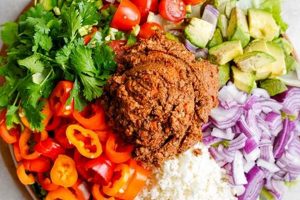
Plant-based cuisine, prepared with the infusion of smoke, offers a unique culinary experience. Dishes range from smoked tofu and tempeh to vegetables and even fruits, resulting in enhanced flavor profiles and textures. The smoking process imparts a depth of taste that transforms simple ingredients into complex and satisfying meals. For instance, smoked eggplant can become a convincing substitute for pulled pork, while smoked paprika-dusted cauliflower can mimic the heartiness of traditionally smoked meats.
The appeal lies in several factors, including the innovative flavor possibilities it unlocks for plant-based eating, addressing the craving for umami and savory tastes often associated with meat. Furthermore, it offers a method of preservation and adds a layer of complexity appreciated by both vegans and those exploring plant-centric diets. Historically, smoking was a method of preserving food, and its application to plant-based ingredients represents a modern adaptation of age-old techniques.
This exploration will delve into the techniques, equipment, and specific ingredients that lend themselves well to this particular style of cooking. Subsequent sections will address the health considerations and flavor pairings that can elevate the creation of dishes.
Culinary Guidelines for Plant-Based Foods Infused with Smoke
The following recommendations aim to enhance the quality and safety of culinary endeavors, emphasizing the integration of smoking techniques.
Tip 1: Ingredient Selection: Opt for firm vegetables and protein alternatives that can withstand the smoking process without becoming overly soft or mushy. Tofu, tempeh, portobello mushrooms, and certain root vegetables like carrots and potatoes are well-suited for this purpose.
Tip 2: Wood Choice: Employ wood chips that complement the inherent flavors of the ingredients. Fruit woods like apple or cherry impart a subtle sweetness, while hardwoods such as hickory or mesquite offer a more intense, smoky profile. Conduct small-scale tests to ascertain the optimal wood type for specific flavor preferences.
Tip 3: Pre-Smoking Preparation: Brining or marinating food items before smoking enhances moisture retention and flavor penetration. A simple brine consisting of water, salt, and sugar can significantly improve the final product’s texture and taste. Consider incorporating herbs, spices, or liquid smoke into the brine or marinade for added complexity.
Tip 4: Temperature Control: Maintain a consistent smoking temperature within the range of 200-250F (93-121C) to ensure even cooking and smoke absorption. Employ a reliable thermometer to monitor both the smoker’s internal temperature and the food’s internal temperature.
Tip 5: Smoke Management: Avoid excessive smoke, which can result in a bitter or acrid taste. Aim for a thin, blue smoke, which indicates efficient combustion and optimal flavor transfer. Regulate airflow within the smoker to control smoke density.
Tip 6: Monitoring Internal Temperature: Use a meat thermometer to accurately measure the internal temperature of larger food items. Tofu and tempeh, for example, should reach an internal temperature of at least 165F (74C) to ensure proper cooking and safety.
Tip 7: Resting Period: Allow smoked food items to rest for a short period after smoking to allow the flavors to meld and the juices to redistribute. This resting period will enhance the overall texture and taste.
Tip 8: Experimentation and Documentation: Maintain detailed records of each smoking session, including ingredient weights, wood types, smoking temperatures, and cooking times. This documentation will facilitate the replication of successful results and the refinement of techniques.
Adhering to these guidelines promotes the production of high-quality, flavorful, and safe plant-based meals, demonstrating the potential of culinary techniques to elevate the plant-based dining experience.
The subsequent discussion will address specific recipes and serving suggestions, demonstrating practical applications.
1. Flavor Enhancement

Flavor enhancement is a cornerstone of culinary arts, and its application to plant-based cuisine utilizing smoke is particularly significant. It allows for the development of complex and satisfying profiles that can broaden the appeal of vegan options. This process moves beyond mere substitution, creating unique sensory experiences centered on carefully controlled aromatics and tastes.
- Wood Smoke Infusion
The type of wood used directly influences the flavor imparted. Hardwoods such as hickory and mesquite provide strong, smoky notes often associated with traditional smoked meats, offering a familiar taste to those transitioning to plant-based diets. Fruitwoods like apple or cherry contribute a sweeter, more subtle smokiness, complementing delicate vegetables or tofu. Understanding the characteristics of different woods is crucial for achieving the desired flavor outcome.
- Maillard Reaction Amplification
The heat from smoking promotes the Maillard reaction, a chemical process that occurs between amino acids and reducing sugars. This reaction generates hundreds of different flavor compounds, resulting in enhanced savory, nutty, and caramelized notes. The Maillard reaction is particularly effective on ingredients with higher protein and sugar content, such as tempeh or certain root vegetables, intensifying their inherent flavors.
- Umami Development
Umami, often described as a savory or meaty taste, is a key element in creating satisfying dishes. Smoking can enhance the umami notes in plant-based foods by breaking down proteins and releasing glutamates. Ingredients naturally high in glutamates, such as mushrooms and tomatoes, are particularly well-suited for smoking, as the process intensifies their savory qualities.
- Aromatic Compound Integration
Smoke carries hundreds of aromatic compounds that penetrate the surface of foods, creating a complex and layered flavor profile. These compounds can interact with the inherent flavors of the ingredients, creating new and unexpected taste combinations. The controlled introduction of smoke, coupled with the careful selection of herbs, spices, or marinades, allows for the creation of unique and memorable dishes.
Ultimately, flavor enhancement through smoking transforms familiar plant-based ingredients into sophisticated and satisfying culinary creations. By carefully considering the wood type, temperature, and ingredient selection, chefs can unlock a wide range of flavor possibilities, expanding the potential of plant-based dining and appealing to a broader audience.
2. Texture Transformation

Texture transformation is a critical element in the creation of compelling dishes, especially within plant-based cuisine where conventional expectations are often challenged. The application of smoke fundamentally alters the tactile qualities of vegan ingredients, moving beyond simple flavor addition to create novel and satisfying culinary experiences.
- Dehydration and Concentration
Smoking, particularly hot smoking, involves a degree of dehydration. This process concentrates the inherent flavors and alters the structural integrity of the food. For instance, smoking tofu removes moisture, yielding a firmer, chewier texture akin to that of cured meats. Similarly, vegetables like eggplant undergo a reduction in water content, resulting in a denser, more substantial mouthfeel.
- Surface Development
The interaction of smoke and heat fosters the development of a distinct surface texture. A pellicle, a sticky film, forms on the exterior of the food, enhancing smoke adhesion and creating a slightly chewy or crisp outer layer. This contrast between the exterior and interior textures is a key factor in the overall sensory experience. Examples include the slightly crisp skin of smoked bell peppers or the firm exterior of smoked tempeh.
- Protein Denaturation
For protein-rich plant-based foods such as tofu and tempeh, smoking induces protein denaturation, a process where proteins unfold and re-coagulate. This results in a firmer, more resilient texture that better withstands further cooking or preparation. The denaturation process also contributes to improved moisture retention, preventing the food from becoming dry or crumbly.
- Cell Wall Breakdown
In vegetables and fruits, the smoking process can lead to the breakdown of cell walls. This softening effect enhances the palatability of certain ingredients and allows for easier incorporation into various dishes. For example, smoked tomatoes become more easily pureed into sauces, and smoked onions develop a smoother, more caramelized texture.
The texture transformations induced by smoking significantly contribute to the appeal of plant-based cuisine. By understanding and manipulating these changes, chefs can create dishes that are not only flavorful but also texturally satisfying, addressing a key aspect of culinary expectations and broadening the acceptance of plant-centered diets.
3. Ingredient Compatibility

The selection of appropriate components is paramount to successful plant-based dishes involving smoke infusion. The suitability of an ingredient for smoking hinges on its ability to absorb smoke flavors effectively, withstand the cooking process without textural degradation, and complement the desired flavor profile.
- Water Content Considerations
Ingredients with high water content, such as leafy greens, may become excessively wilted or mushy when smoked. Denser vegetables like root vegetables (e.g., carrots, potatoes) and firmer protein sources (e.g., tofu, tempeh) are better suited due to their ability to retain structural integrity during the smoking process. The water content influences smoke penetration and overall texture.
- Fat Content Enhancement
While many plant-based foods are inherently low in fat, the addition of oils or fat-containing ingredients prior to smoking can improve smoke adherence and flavor absorption. A light coating of olive oil or the inclusion of ingredients like nuts or avocados can enhance the overall sensory experience by providing a medium for smoke molecules to dissolve and adhere to the food surface.
- Flavor Profile Complementarity
The inherent flavors of ingredients should complement the type of wood used for smoking. For instance, the subtle sweetness of fruit woods (e.g., apple, cherry) pairs well with delicate vegetables like bell peppers or mushrooms, while the robust flavor of hickory is better suited for heartier protein sources like seitan or jackfruit. Careful consideration of flavor pairings is essential for creating a harmonious and balanced dish.
- Structural Integrity Retention
Ingredients must possess sufficient structural integrity to withstand the duration of the smoking process. Delicate ingredients like berries or soft fruits may disintegrate under prolonged exposure to heat and smoke. Hardier fruits and vegetables like pineapple or plantains are better choices due to their ability to maintain their shape and texture during smoking. The cellular structure plays a critical role in preserving the final product’s form and palatability.
The interplay of these elements determines the success of dishes. Appropriate ingredient selection, considering water and fat content, flavor profiles, and structural attributes, is thus essential for achieving optimal results. The subsequent steps of preparation and execution are also important. An understanding of these considerations enables chefs to transform simple components into sophisticated offerings, extending the possibilities of flavor-infused cuisine.
4. Smoking Techniques
The method of smoke application is a critical determinant in the final character of plant-based meals. Varying techniques impact flavor intensity, texture, and overall sensory experience. Controlled application of these methods optimizes the outcome.
- Hot Smoking
Hot smoking involves cooking the food at the same time as it is smoked. Temperatures typically range from 165F to 250F (74C to 121C). This method is suitable for ingredients requiring cooking, such as tofu or tempeh. The resulting food is fully cooked and infused with smoke flavor. Hot smoking is practical for quickly preparing meals, combining cooking and flavoring in a single process. An example is smoking tofu for several hours until it reaches an internal temperature of 165F, resulting in a firm texture and a smoky flavor.
- Cold Smoking
Cold smoking applies smoke at temperatures below 85F (29C), effectively flavoring the food without cooking it. This technique is used to impart a smoky flavor to ingredients that are already safe to consume or will be cooked later. It is employed to add flavor and extend shelf life. An example is cold smoking salt or spices, which then can be added to dishes. The salt absorbs the smoky flavor without undergoing any significant change in texture or chemical composition.
- Smoke Roasting
Smoke roasting combines elements of smoking and roasting, typically performed in a smoker or grill with indirect heat and wood chips. The temperature is generally higher than in hot smoking, around 250F to 350F (121C to 177C). This method produces a crisp exterior and a smoky interior. It is appropriate for larger vegetables or plant-based roasts. A practical example involves smoke roasting a cauliflower head, resulting in a tender interior and a smoky, slightly charred exterior.
- Liquid Smoke Application
Liquid smoke is a concentrated product made by condensing the smoke from burning wood. It provides a smoky flavor without the need for a smoker. It is used as a flavoring agent in marinades, sauces, or directly applied to the food. While it is a quick way to add smoky flavor, it lacks the complexity and depth of flavor achieved through traditional smoking methods. Liquid smoke can be brushed onto plant-based burgers before grilling to mimic the taste of traditionally smoked meats. However, reliance on liquid smoke may not yield the nuances found in actual smoked preparations.
The choice of smoking technique hinges on the desired outcome, taking into account considerations of texture, flavor intensity, and cooking requirements. These techniques are valuable in creating a range of dishes. The selection of a specific technique enhances the appeal.
5. Health Considerations

The intersection of culinary techniques and nutritional science necessitates a careful evaluation of plant-based cuisine. The application of smoke raises specific health-related concerns that require attention, from potential carcinogens to nutrient preservation.
- Polycyclic Aromatic Hydrocarbons (PAHs) Formation
Smoking processes, particularly those involving incomplete combustion, can generate PAHs. These compounds are known carcinogens. The extent of PAH formation is influenced by factors such as smoking temperature, wood type, and distance between the food and the heat source. Mitigation strategies include using indirect heat, selecting hardwoods with lower PAH production potential, and maintaining a clean smoking environment. For example, using an electric smoker may reduce PAH formation compared to traditional wood-fired smokers due to more consistent temperature control and cleaner combustion. The presence of PAHs is a key health consideration.
- Acrylamide Development
Acrylamide, another potential carcinogen, can form when carbohydrate-rich foods are exposed to high temperatures. While primarily associated with fried or baked foods, acrylamide formation is possible in smoked plant-based products, particularly if they contain sugars or starches. Controlling temperature and avoiding excessive charring can minimize acrylamide development. For instance, marinating tofu in a low-sugar mixture before smoking can reduce the formation of acrylamide during the process. Monitoring and minimizing acrylamide is essential.
- Sodium Content Management
Many smoking recipes incorporate brining or marinating processes, often involving substantial amounts of sodium. Excessive sodium intake is a risk factor for hypertension and cardiovascular disease. Employing low-sodium brines or marinades, using alternative flavor enhancers, and carefully monitoring sodium levels in finished products are crucial for mitigating these risks. For example, using potassium chloride as a partial substitute for sodium chloride in brines can reduce sodium content without significantly impacting flavor. Careful management of sodium is necessary.
- Nutrient Retention Optimization
The application of heat during smoking can affect the nutrient content of plant-based foods. Certain vitamins and minerals are heat-sensitive and may degrade during the smoking process. Utilizing lower smoking temperatures, minimizing smoking time, and selecting ingredients with naturally high nutrient density can help preserve nutritional value. For example, choosing nutrient-rich vegetables like sweet potatoes or kale for smoking, and minimizing smoking time, can help retain a greater proportion of their vitamins and minerals. Preserving nutrients is crucial.
The preparation of dishes requires a balanced consideration of health risks and nutritional benefits. Awareness of the potential for PAH and acrylamide formation, careful management of sodium content, and strategies for nutrient retention are essential for maximizing the healthfulness of flavor-infused meals.
Frequently Asked Questions
The following questions address common inquiries and misconceptions regarding the preparation, safety, and nutritional aspects of plant-based cuisine infused with smoke.
Question 1: Does smoking vegan food pose the same health risks as smoking meat?
The primary health risks associated with smoking any type of food, including plant-based options, stem from the formation of polycyclic aromatic hydrocarbons (PAHs) and acrylamide. While the specific levels may vary depending on factors such as smoking technique, wood type, and ingredient composition, the fundamental risks remain similar. Mitigation strategies, such as using indirect heat and avoiding excessive charring, are applicable to both vegan and non-vegan preparations.
Question 2: What types of wood are safest for smoking vegan food?
Hardwoods, such as oak, hickory, and fruitwoods like apple and cherry, are generally considered safer for smoking food. Softwoods, such as pine, contain resins that can produce undesirable flavors and potentially harmful compounds when burned. Selecting hardwoods that burn cleanly and produce minimal smoke is crucial for minimizing health risks. Some woods provide subtle sweetness while others produce bold smoky notes.
Question 3: Can smoking vegan food truly replicate the taste of smoked meat?
While smoking can impart a savory and smoky flavor to plant-based foods, it is important to recognize that the taste profile will not be an exact replica of smoked meat. Factors such as the inherent composition of the ingredients and the Maillard reaction contribute to distinct differences. However, smoking can significantly enhance the palatability and complexity of vegan dishes, offering a satisfying alternative.
Question 4: How can sodium content be controlled when smoking vegan food?
Many smoking recipes involve brining or marinating, which can contribute to high sodium levels. To control sodium content, one can use low-sodium brines or marinades, substitute a portion of the sodium chloride with potassium chloride, or avoid brining altogether. Careful monitoring of sodium levels in the final product is also essential. Utilizing herbs and spices also enhances the flavor.
Question 5: What vegan ingredients are best suited for smoking?
Ingredients with firm textures and the ability to absorb smoke flavors are well-suited for smoking. Tofu, tempeh, seitan, mushrooms (especially portobello), and root vegetables (carrots, potatoes) are good choices. The ideal ingredients must be prepared to retain flavor.
Question 6: How long can smoked vegan food be safely stored?
The storage duration of smoked food depends on factors such as the initial condition of the ingredients, the smoking method used, and the storage temperature. In general, smoked vegan food should be stored in the refrigerator and consumed within 3-4 days. For longer storage, freezing is an option, but may impact the texture.
The considerations discussed above collectively emphasize that the culinary methods involving smoke require a well-informed approach. A synthesis of culinary technique and health-conscious implementation will yield quality cuisine.
The subsequent section transitions to preparation guidance and further nutritional insight.
Conclusion
The preceding analysis underscores the multi-faceted nature of plant-based cuisine when subjected to smoking processes. Exploration encompasses ingredient selection, technique application, and health considerations. Optimizing flavor enhancement, understanding texture transformation, and managing potential risks represent crucial areas for successful and responsible culinary practice.
The continued development of techniques and further research into the mitigation of health risks associated with smoke preparation will shape the future trajectory. Such progress will permit the expansion of culinary options while ensuring public health protection. Ongoing diligence and critical evaluation will remain central to these ongoing efforts.