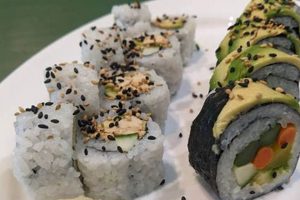
Plant-based cuisine in Savannah offers a diverse range of culinary experiences, catering to individuals who abstain from animal products. This includes meals prepared without meat, dairy, eggs, or honey, utilizing fruits, vegetables, grains, legumes, nuts, and seeds. Restaurants and eateries adapt traditional Southern dishes and create innovative new options that adhere to these dietary guidelines.
The availability of animal-free fare supports both personal health and environmental sustainability. It provides options for those with ethical considerations regarding animal welfare and can contribute to reduced carbon footprints associated with food production. Historically, vegetarian-leaning dishes have always been present in Southern cooking; the current emphasis offers wider choices and specialized culinary approaches.
This exploration will delve into specific establishments, menu highlights, culinary trends, and the broader impact this food segment has on the local dining landscape.
Savannah Plant-Based Dining Guidance
The following guidance aims to assist individuals in navigating Savannah’s culinary scene while adhering to plant-based dietary choices. Considerations include restaurant selection, menu analysis, and ingredient awareness.
Tip 1: Research Establishments in Advance: Prior to visiting a restaurant, consult online resources, menus, and reviews. Identify establishments with dedicated plant-based options or those known for accommodating dietary requests. Verify ingredient lists when possible.
Tip 2: Inquire About Ingredient Substitution: When a menu item is not inherently plant-based, inquire about substituting animal-derived ingredients. Common substitutions include tofu, tempeh, plant-based milk, and vegetable broths.
Tip 3: Examine Side Dish Offerings: Side dishes can often provide unexpected plant-based choices. Many restaurants offer vegetable-based sides prepared without animal fats or dairy. Confirm preparation methods with waitstaff.
Tip 4: Explore Ethnic Cuisine Options: Certain ethnic cuisines, such as Indian, Ethiopian, and Thai, frequently include a wide variety of inherently plant-based dishes. Seek out restaurants specializing in these culinary traditions.
Tip 5: Request Modified Preparations: Politely request modifications to cooking methods. Ask for vegetables to be steamed or grilled without butter or oil, or for sauces to be prepared without dairy.
Tip 6: Consider Local Farmers’ Markets: Explore local farmers’ markets for fresh produce and plant-based ingredients. This provides an opportunity to support local agriculture and prepare meals at home.
Tip 7: Confirm Vegan Designations: Be aware that “vegetarian” does not necessarily mean “vegan.” Confirm that items designated as vegetarian do not contain dairy, eggs, or honey before consumption. Request clarification from staff if unsure.
Adhering to these guidelines enables a more informed and successful experience within the Savannah dining environment.
The subsequent section will examine specific restaurants and their contributions to the plant-based culinary landscape.
1. Availability

The presence of plant-based culinary options within Savannah directly influences the accessibility and feasibility of adhering to a plant-based lifestyle within the city. Limited availability restricts dietary choices, potentially requiring individuals to compromise their preferences or prepare meals exclusively at home. Conversely, a wider range of plant-based offerings, across various restaurant types and geographical locations within Savannah, improves the ease with which individuals can maintain their dietary commitments.
The connection between availability and plant-based options manifests in several ways. Establishments offering dedicated plant-based menus, or those clearly marking options, reduce the time and effort required for consumers to identify suitable meals. Grocery stores stocking a wider variety of plant-based ingredients empower individuals to prepare their own food. The presence of plant-based food trucks or pop-up events further increases the overall availability, offering more spontaneous and diverse culinary experiences.
Improved availability of plant-based options in Savannah impacts not only the existing plant-based community but also attracts new adherents and supports tourism. Restaurants which cater to dietary needs can expand their consumer base and demonstrate inclusivity. The trend encourages innovation within the culinary sector, fostering creative dishes and a diverse dining culture. Ultimately, sustained availability transforms the perceived difficulty of maintaining plant-based choices within the city into an easy and welcoming experience.
2. Ingredients

The foundation of Savannah’s plant-based culinary landscape rests upon the quality, variety, and sourcing of ingredients. The availability of diverse and fresh produce is critical to the success and appeal of this sector, directly influencing menu options and overall culinary creativity.
- Local and Seasonal Produce
Reliance on local and seasonal produce significantly enhances the flavor profiles and nutritional value of plant-based dishes. Farmers’ markets and local farms provide access to just-harvested fruits and vegetables, reflecting the region’s agricultural heritage. Dishes emphasizing seasonal ingredients minimize environmental impact through reduced transportation and support local economies.
- Plant-Based Protein Sources
Protein alternatives such as tofu, tempeh, and seitan play a crucial role in replacing meat-based protein sources. Restaurants utilize these ingredients in innovative ways to recreate traditional Southern dishes or create novel plant-based entrees. The quality and preparation of these protein sources can dramatically influence the texture and taste, essential for satisfying the consumer.
- Specialty Plant-Based Products
The availability of specialized ingredients, such as plant-based cheeses, milks, and butters, enables the creation of more complex and familiar dishes for individuals transitioning to plant-based lifestyles. These products serve as effective substitutes in traditional recipes, broadening the scope of available menu options within Savannah.
- Ethical and Sustainable Sourcing
The ethical sourcing of plant-based ingredients contributes to the overall sustainability and integrity of the Savannah plant-based food scene. Considerations of fair labor practices, minimal environmental impact, and responsible farming methods are crucial to the values of many consumers seeking plant-based options. Transparency in ingredient sourcing builds trust and reinforces the commitment to a more sustainable food system.
Savannah’s commitment to plant-based offerings hinges on these ingredients. By prioritizing quality, locality, sustainability, chefs within Savannah can create diverse and appealing plant-based meals which contributes to the growth of the plant based cuisine.
3. Restaurants

Restaurants serve as the primary interface between consumers and plant-based cuisine within Savannah, directly influencing accessibility, perception, and overall satisfaction. The prevalence and nature of these establishments define the viability of a plant-based lifestyle in the city.
- Dedicated Vegan Establishments
Restaurants exclusively offering plant-based menus provide assurance and convenience for individuals adhering to strict dietary guidelines. These establishments showcase the breadth and creativity of plant-based cuisine, eliminating ambiguity and simplifying dining choices. Examples include specialized vegan cafes, bakeries, and formal dining experiences.
- Restaurants with Vegan Options
Establishments offering a selection of clearly marked plant-based items broaden accessibility beyond dedicated vegan venues. The presence of these options demonstrates inclusivity and accommodates diverse dietary needs within mixed groups. Effective labeling and knowledgeable staff are crucial for ensuring informed decision-making.
- Menu Adaptability and Customization
The willingness of restaurants to accommodate modifications and substitutions enhances the plant-based dining experience. Chefs who are open to creating bespoke dishes based on available ingredients empower customers and foster a personalized culinary interaction. Clear communication between diners and kitchen staff is paramount.
- Atmosphere and Presentation
The overall dining experience, including ambiance, service, and presentation, contributes significantly to the perception of plant-based cuisine. Restaurants that elevate plant-based meals through thoughtful plating, dcor, and attentive service dispel preconceived notions and enhance consumer enjoyment. A positive and welcoming environment encourages repeat patronage.
The collective impact of these restaurant-related factors shapes the plant-based culinary landscape of Savannah. A thriving ecosystem of diverse and accommodating establishments transforms plant-based dietary choices from a limitation into an opportunity for culinary exploration and enjoyment. Restaurants, therefore, are foundational pillars in the advancement and acceptance of this cuisine.
4. Community
The community surrounding plant-based cuisine within Savannah plays a pivotal role in its growth and sustainability. This encompasses not only those who adhere to plant-based diets but also local farmers, restaurant owners, chefs, and advocacy groups. A supportive and engaged community directly contributes to increased awareness, accessibility, and acceptance of plant-based options.
Community involvement fosters the proliferation of plant-based options through various avenues. Organized gatherings such as vegan potlucks, cooking classes, and farmers’ market partnerships promote the sharing of recipes, culinary techniques, and local resources. Online forums and social media groups create platforms for information exchange, restaurant recommendations, and community building. Moreover, active advocacy efforts can influence local policies and encourage restaurants to expand their plant-based offerings. For example, a local Savannah organization may partner with a restaurant to host a vegan night, thereby attracting new customers and showcasing plant-based dishes.
Ultimately, a strong community network fosters resilience and drives innovation within the plant-based culinary scene of Savannah. It provides essential support for local businesses, encourages culinary creativity, and promotes a more inclusive and sustainable food system. Challenges may arise from lack of awareness, limited access to resources, or conflicting dietary philosophies, but a unified and proactive community can effectively address these hurdles and solidify the presence of plant-based cuisine within Savannah’s cultural fabric.
5. Creativity

Creativity is a central driving force behind the evolution and acceptance of plant-based cuisine in Savannah. Plant-based cooking necessitates innovative approaches to replicate traditional flavors and textures without the use of animal products. Savannah chefs are challenged to reimagine Southern classics and devise novel culinary creations, relying on inventive techniques and ingredient combinations. A direct consequence of this creative process is an expansion of the plant-based menu options available, catering to diverse tastes and preferences. The success of any restaurant in this sector is determined by the chef’s creativity.
An example of this is the transformation of traditional shrimp and grits into a plant-based dish, achieved through the utilization of hearts of palm or marinated tofu to simulate the texture of shrimp, accompanied by creamy polenta prepared with plant-based milk and nutritional yeast for a cheese-like flavor. This process involves more than simple substitution; it requires a deep understanding of flavor profiles and the ability to manipulate ingredients to achieve the desired culinary outcome. This approach extends to other Southern staples, such as collard greens prepared without animal fats or mac and cheese recreated with plant-based cheese alternatives and creative vegetable purees.
The practical significance of this lies in the enhanced appeal and accessibility of plant-based options. Creative cuisine attracts both dedicated vegans and those who are simply curious or seeking healthier alternatives. This broadened appeal supports the growth of plant-based businesses and integrates this dietary choice into Savannah’s mainstream culinary landscape. The ongoing development of new dishes and innovative ingredient applications further solidifies the position of plant-based food as a vibrant and dynamic element within the city’s dining scene.
6. Sustainability

The connection between plant-based food and sustainability represents a critical aspect of the Savannah culinary scene. Adherence to a plant-based diet reduces reliance on animal agriculture, known to contribute significantly to greenhouse gas emissions, deforestation, and water pollution. Therefore, the availability and promotion of plant-based options in Savannah directly supports local and global sustainability initiatives. Specifically, reduced meat consumption lessens the demand for resources required in livestock production, including land for grazing and feed cultivation, resulting in environmental benefits.
Sustainability practices extend beyond dietary choices. Restaurants prioritizing locally sourced produce minimize transportation-related carbon emissions and support regional farmers employing sustainable agriculture techniques. These practices, in turn, help preserve biodiversity, reduce pesticide use, and promote soil health. Waste reduction strategies are also central; plant-based restaurants can adopt composting programs to divert food scraps from landfills, further diminishing their environmental footprint. One example is a restaurant that makes vegan dishes with local products, reducing its carbon impact. These operations often have practices and procedures that demonstrate the importance of sustainability.
Promoting plant-based dining options can enhance Savannah’s reputation as an environmentally conscious city. While challenges exist in altering established dietary habits and ensuring affordability and accessibility of sustainable choices, increasing awareness and demonstrating the benefits of plant-based cuisine can drive positive change. Savannah can solidify its position as a place where culinary innovation and environmental responsibility converge by embracing sustainability as a core tenet of its plant-based food culture.
7. Accessibility

Accessibility, in the context of Savannah’s plant-based culinary scene, directly influences the extent to which individuals can adopt and maintain a vegan lifestyle. It encompasses factors that determine the ease with which individuals, regardless of socioeconomic status, geographical location, or physical ability, can access plant-based food options.
- Geographic Availability
The concentration of restaurants offering vegan options within different areas of Savannah significantly impacts accessibility. A lack of options in certain neighborhoods can create food deserts for plant-based eaters, requiring travel to other parts of the city. The dispersion of plant-based restaurants, grocery stores with vegan products, and farmers’ markets across various neighborhoods is a critical factor in ensuring equal access.
- Economic Affordability
The price point of plant-based meals and ingredients dictates their availability to individuals with varying income levels. High prices can render plant-based options inaccessible to lower-income residents, perpetuating disparities in dietary choices. Affordable vegan meals, discounts, community gardens, and food assistance programs can mitigate these economic barriers.
- Informational Awareness
Awareness of plant-based options and their health benefits is critical for promoting accessibility. Lack of information can deter individuals from exploring plant-based diets, especially in communities with limited exposure to such cuisine. Informational campaigns, cooking demonstrations, and nutritional counseling can empower individuals to make informed dietary choices.
- Physical Mobility and Inclusion
Physical limitations and disabilities can pose challenges to accessing plant-based food. Restaurants must adhere to accessibility standards, including wheelchair ramps, accessible restrooms, and menus in Braille. Food delivery services and community support programs can further enhance access for individuals with mobility issues or other disabilities.
These facets collectively determine the accessibility of vegan food in Savannah. Addressing these barriers through policy initiatives, community engagement, and business practices is crucial for fostering a more equitable and inclusive plant-based culinary landscape. Increasing accessibility not only benefits those currently adhering to a plant-based diet but also encourages broader adoption and supports a more sustainable and ethical food system.
Frequently Asked Questions
This section addresses common inquiries regarding plant-based dining options, accessibility, and related considerations within the Savannah culinary landscape.
Question 1: Where can purely vegan dining establishments be located within Savannah?
A concentration of exclusively vegan restaurants is not necessarily apparent. Researching specific locations through online resources, dedicated plant-based directories, or local community recommendations prior to dining is advisable.
Question 2: What alternative protein sources are commonly utilized in Savannah’s plant-based cuisine?
Common protein alternatives include tofu, tempeh, seitan, lentils, beans, and various nuts and seeds. Dishes also frequently incorporate vegetables and grains known for their protein content.
Question 3: Are plant-based options generally more expensive compared to their meat-based counterparts in Savannah restaurants?
Pricing can vary depending on the restaurant, ingredients, and preparation methods. In some cases, plant-based dishes may be less expensive, while in others, they may be priced similarly or higher. Careful menu review is recommended.
Question 4: Is it possible to easily identify restaurants offering plant-based choices?
Many restaurants now indicate vegetarian or vegan options on their menus. However, directly confirming ingredients and preparation methods with waitstaff is crucial to ensure adherence to strict plant-based dietary guidelines.
Question 5: How does the seasonality of local produce impact the plant-based culinary options in Savannah?
Seasonality directly influences the availability and variety of plant-based dishes. Restaurants often feature seasonal menus reflecting the availability of fresh, locally sourced produce. Investigating seasonal specials can offer access to the best ingredients.
Question 6: Do Savannah restaurants typically accommodate specific dietary requests or modifications for plant-based diners?
Many restaurants demonstrate a willingness to accommodate reasonable dietary requests. Inquiring about ingredient substitutions, modified preparation methods, or custom dishes is recommended to ensure a satisfactory dining experience.
These queries offer a baseline understanding of the plant-based food scene. Further investigation will give a thorough understanding of plant-based dishes available in Savannah.
The next section will consider future trends and development.
Conclusion
The preceding analysis has examined the various factors that define “vegan food savannah,” ranging from ingredient availability and restaurant offerings to community involvement and sustainability concerns. The investigation reveals a complex ecosystem with opportunities for growth and areas requiring further attention. The success of this segment is intrinsically linked to creativity in culinary approaches, accessibility for diverse populations, and a commitment to ethical and sustainable practices.
The continuing evolution of plant-based cuisine in Savannah necessitates ongoing effort from restaurants, consumers, and local governing bodies. Future developments may include increased integration of plant-based options into mainstream dining, expanded support for local farmers and sustainable sourcing initiatives, and greater emphasis on community education and outreach. A unified effort across stakeholders is essential to ensure that “vegan food savannah” remains a vibrant and accessible component of the city’s culinary identity.