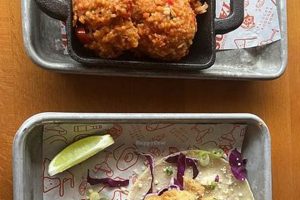
Plant-based dining options within the Epcot theme park at Walt Disney World cater to individuals following vegan dietary restrictions. These offerings encompass a range of cuisines and dining styles, from quick-service meals to table-service restaurants. Examples include modified versions of existing menu items or entirely new dishes created without animal products.
The availability of plant-based choices enhances inclusivity and accessibility for a broader range of park visitors. This caters to a growing demand for such options, aligning with broader culinary trends and ethical considerations. Historically, theme park dining has often presented limited choices for those with specific dietary needs, but Epcot demonstrates a shift toward greater accommodation.
The following sections detail specific dining locations within Epcot and highlight notable plant-based dishes available at each. This includes guidance on navigating menus, identifying vegan-friendly choices, and understanding potential modifications to ensure adherence to dietary requirements.
Effectively locating and enjoying plant-based options within Epcot requires strategic planning and awareness of available resources. The following tips facilitate a positive dining experience.
Tip 1: Consult the My Disney Experience App: Utilize the app to filter restaurant menus by dietary restrictions. This feature allows for pre-screening of dining locations to identify plant-based items before arrival.
Tip 2: Review Restaurant Menus Online: Prior to visiting, access restaurant menus on the Walt Disney World website. Menus frequently indicate plant-based options or potential modifications.
Tip 3: Engage with Cast Members: Upon arrival at a dining location, inquire with cast members regarding plant-based choices. They can often provide insights into menu modifications or off-menu items.
Tip 4: Explore World Showcase Cuisines: The diverse culinary offerings within World Showcase present a variety of plant-based opportunities. Investigate cuisines known for vegetable-centric dishes, such as Mediterranean or Asian fare.
Tip 5: Prioritize Advance Dining Reservations: For table-service restaurants, secure advance dining reservations to ensure availability, particularly at popular locations. Note any dietary requirements during the reservation process.
Tip 6: Pack Plant-Based Snacks: While options are increasing, bringing supplemental plant-based snacks can provide additional security and variety throughout the day. Consider items like nuts, fruits, or energy bars.
Implementing these strategies enhances the likelihood of a satisfying and stress-free plant-based dining experience within Epcot.
The subsequent section delves into specific restaurant recommendations and highlights signature plant-based dishes.
1. Menu Adaptability

Menu Adaptability is a fundamental component of successfully providing plant-based options within Epcot. The ability to modify existing menu items to exclude animal products significantly expands the choices available to vegan diners. This adaptability stems from a recognition that many dishes can be easily transformed with simple ingredient substitutions, such as using plant-based milk alternatives in sauces or replacing meat with tofu or vegetables. For instance, a pasta dish traditionally served with dairy-based cream sauce can become plant-based by utilizing cashew cream or other non-dairy alternatives. This approach minimizes the need for entirely new menu items, thereby reducing operational complexity for Epcot’s dining locations. The effect of menu adaptability is a greater sense of inclusion and satisfaction among vegan guests, as they are not limited to a small selection of predetermined plant-based dishes.
The practical significance of menu adaptability extends beyond simply offering more choices. It also allows for greater personalization and customization of meals. Guests can often request specific modifications to suit their preferences or address other dietary restrictions beyond veganism. For example, an individual might request a dish to be both vegan and gluten-free. Furthermore, adaptable menus are generally more sustainable, as they leverage existing supply chains and minimize food waste. A dish that can be prepared with or without animal products reduces the likelihood of unused ingredients. Real-life examples include modifications at the Garden Grill Restaurant, where servers can adjust family-style platters to feature entirely plant-based components upon request.
In conclusion, menu adaptability is not merely a convenience but a core element of a comprehensive plant-based dining strategy at Epcot. It increases options, permits personalization, promotes sustainability, and enhances the overall dining experience for vegan guests. Challenges remain in ensuring consistent execution and staff awareness of adaptable options; however, the ongoing development and refinement of menu adaptability represent a crucial step towards creating a truly inclusive culinary environment within the park.
2. Ingredient Sourcing

Ingredient sourcing plays a critical role in determining the quality, sustainability, and ethical integrity of plant-based offerings at Epcot. The origin and production methods of ingredients used in vegan dishes directly impact the nutritional value, flavor profiles, and environmental footprint of the food served. Sourcing locally and sustainably grown produce, for example, can minimize transportation emissions, support regional agriculture, and ensure the freshness of ingredients. The selection of plant-based protein sources, such as tofu or tempeh, also involves careful consideration of their production processes and environmental impact. Instances where Epcot’s restaurants prioritize partnerships with farms employing regenerative agriculture practices demonstrate a commitment to environmentally responsible ingredient sourcing.
The significance of ingredient sourcing extends to the authenticity and cultural representation of dishes served within Epcot’s World Showcase. When preparing plant-based versions of traditional dishes from various countries, utilizing ingredients that accurately reflect the regional cuisine is essential. This may involve sourcing specific varieties of vegetables, spices, or grains that are characteristic of a particular culture. Ensuring the authenticity of ingredients not only enhances the dining experience but also contributes to the educational aspect of Epcot’s World Showcase. One example can be seen in the use of imported spices for vegan curries in the park’s Indian-themed restaurant, further showing authenticity.
In conclusion, ingredient sourcing is not merely a logistical consideration but an integral component of the plant-based dining experience at Epcot. The conscious selection of high-quality, sustainable, and culturally authentic ingredients is essential for delivering flavorful, nutritious, and ethically responsible vegan meals. While challenges exist in balancing cost considerations with sourcing ideals, the ongoing efforts to prioritize responsible ingredient sourcing reflect a commitment to providing a comprehensive and sustainable plant-based culinary experience at Epcot. This contributes directly to the quality and integrity of available options.
3. Cross-Contamination Mitigation

Cross-contamination mitigation represents a crucial factor in the provision of plant-based food at Epcot. For individuals adhering to a vegan diet, avoidance of all animal products is paramount. Therefore, even trace amounts of animal-derived ingredients can render a dish unacceptable. This necessitates strict protocols to prevent cross-contamination during food preparation, storage, and service. Failure to adequately mitigate this risk undermines the integrity of plant-based offerings and can result in negative experiences for guests. For instance, using the same grill surface for both plant-based burgers and meat products introduces cross-contamination. The implementation of dedicated preparation areas, utensils, and cooking equipment is essential to prevent this.
The practical significance of cross-contamination mitigation extends beyond dietary restrictions to encompass ethical considerations. Many vegans adhere to the diet based on ethical principles related to animal welfare. Cross-contamination, even at a minimal level, can be viewed as a violation of these principles. Effective mitigation strategies demonstrate respect for guest preferences and ethical beliefs. Examples include clearly labeling plant-based dishes, providing transparent information about preparation practices, and training staff to be aware of cross-contamination risks. Dedicated fryers for french fries, to avoid cooking them in animal fat, are also critical. The use of separate cutting boards and gloves also helps minimize cross-contamination.
In conclusion, cross-contamination mitigation is not simply a matter of culinary technique but a fundamental requirement for ensuring the authenticity and ethical integrity of plant-based food at Epcot. The consistent application of rigorous protocols and the thorough training of staff are crucial for safeguarding the dietary requirements and ethical principles of vegan guests. Challenges remain in maintaining vigilance across all dining locations, but continued efforts to enhance cross-contamination mitigation practices are essential for fostering a truly inclusive dining environment. The credibility of Epcot as a destination for plant-based dining relies heavily on this focus.
4. Nutritional Completeness

Nutritional completeness is a crucial consideration when evaluating plant-based options at Epcot. Ensuring that vegan meals provide adequate levels of essential nutrients is vital for supporting the health and well-being of guests who adhere to this dietary pattern. The absence of animal products necessitates careful planning to obtain sufficient protein, vitamins, and minerals from plant-based sources.
- Protein Adequacy
Plant-based diets require mindful protein sourcing to ensure all essential amino acids are consumed. At Epcot, options incorporating legumes, tofu, tempeh, nuts, and seeds contribute to protein intake. Dishes pairing complementary proteins, such as beans and rice, maximize protein bioavailability. The availability of varied plant-based protein sources impacts the long-term viability and healthfulness of vegan dining at Epcot.
- Vitamin B12 Provision
Vitamin B12 is primarily found in animal products, making supplementation or fortified foods essential for vegans. Plant-based milk alternatives, nutritional yeast, and fortified cereals can provide B12. The explicit inclusion or availability of these fortified options within Epcot’s plant-based menus supports nutritional completeness. Without this consideration, guests may need to bring their own supplements.
- Iron Bioavailability
Iron from plant sources (non-heme iron) is less readily absorbed than iron from animal sources (heme iron). Consuming vitamin C-rich foods alongside plant-based iron sources enhances absorption. Epcot’s plant-based meals should strategically incorporate vitamin C-rich components, such as citrus fruits or bell peppers, to optimize iron uptake. Menu descriptions that highlight these beneficial combinations contribute to guest awareness.
- Calcium Sources
Calcium, vital for bone health, requires careful consideration in plant-based diets. Fortified plant-based milks, calcium-set tofu, and leafy green vegetables offer calcium. Epcot’s plant-based menu planning should consider the calcium contribution of each meal, and offer options that actively provide or increase calcium intake, to help offset the limited options in other foods.
The successful integration of these nutritional facets into Epcot’s plant-based dining options contributes significantly to the overall healthfulness and sustainability of vegan eating within the park. Transparency regarding nutritional content and strategic menu design further enhance the dining experience for health-conscious guests. Continuous refinement of these practices is essential to ensuring Epcot remains a leader in inclusive and nutritious culinary offerings.
5. Cuisine Diversity

Cuisine diversity, within the context of plant-based dining at Epcot, represents a crucial element in providing a comprehensive and engaging culinary experience. The park’s World Showcase, in particular, offers an opportunity to explore a wide array of vegan dishes that reflect the culinary traditions of different nations.
- Authenticity in Plant-Based Adaptations
Maintaining authenticity when adapting traditional dishes to be plant-based is paramount. The use of ingredients and cooking techniques that accurately reflect the regional cuisine enhances the dining experience and contributes to the educational aspect of Epcot. For example, a vegan paella offered at the Spain pavilion should incorporate plant-based seafood alternatives and saffron, maintaining the dish’s essential flavors.
- Global Vegan Specialties
Certain cultures feature naturally vegan dishes that require minimal modification. Exploring these dishes within the World Showcase provides immediate plant-based options without the need for extensive substitutions. Indian cuisine, with its array of vegetable-based curries and lentil dishes, exemplifies this. Showcasing these pre-existing vegan specialties enhances the overall cuisine diversity.
- Innovative Ingredient Substitutions
When adapting dishes that traditionally include animal products, the use of innovative and appropriate ingredient substitutions is essential. Tofu, tempeh, seitan, and plant-based meat alternatives can be used to replicate the texture and flavor profiles of meat, poultry, or seafood. The utilization of jackfruit as a substitute for pulled pork in barbecue dishes showcases this approach. These substitutions must be thoughtfully selected to complement the overall dish and avoid detracting from its original intent.
- Regional Spice Profiles
Accurate representation of regional spice profiles is vital for maintaining the integrity of cuisine diversity. The unique blends of herbs and spices that characterize different culinary traditions should be carefully replicated in plant-based adaptations. A vegan version of Moroccan tagine, for example, must incorporate the characteristic spices of cumin, ginger, turmeric, and cinnamon. Accurate spice usage is essential for authentically conveying the flavors of different cultures.
The successful integration of cuisine diversity into Epcot’s plant-based dining offerings enhances the overall dining experience, providing guests with a wide array of flavorful, authentic, and culturally representative vegan meals. By prioritizing authenticity, exploring global vegan specialties, employing innovative ingredient substitutions, and accurately representing regional spice profiles, Epcot can provide a comprehensive and engaging plant-based culinary journey around the world.
Frequently Asked Questions
The following addresses common inquiries regarding plant-based dining options available within Epcot at Walt Disney World, providing clarity on availability, options, and related considerations.
Question 1: Are plant-based options readily available throughout Epcot?
Plant-based meals and snacks are offered across a significant portion of Epcot’s dining locations, including both quick-service and table-service restaurants. Menu options vary, but concerted efforts have been made to increase inclusivity.
Question 2: How does one identify vegan-friendly items on Epcot’s menus?
Menus frequently denote plant-based offerings with a specific symbol, often a green leaf. The My Disney Experience app facilitates filtering menu items by dietary restrictions. Inquiries directed towards cast members also yield information regarding vegan choices and potential modifications.
Question 3: Is cross-contamination a concern when ordering vegan meals at Epcot?
While strict protocols are implemented, cross-contamination remains a potential risk. Individuals with heightened sensitivities should explicitly communicate their requirements to cast members to ensure appropriate precautions are taken during meal preparation.
Question 4: Are advance dining reservations necessary for vegan options at table-service restaurants?
Securing advance dining reservations is recommended, particularly at popular table-service locations. This ensures availability and provides an opportunity to communicate dietary requirements during the reservation process.
Question 5: Do quick-service locations offer a diverse range of plant-based choices?
Quick-service locations offer a more limited range of plant-based choices compared to table-service establishments. However, options such as plant-based burgers, salads, and modified versions of existing menu items are typically available.
Question 6: What steps are being taken to improve vegan dining at Epcot?
Efforts are ongoing to expand plant-based menu offerings, improve ingredient sourcing practices, enhance staff training regarding dietary restrictions, and refine cross-contamination mitigation strategies. This reflects a commitment to providing a more inclusive and satisfying culinary experience.
Plant-based dining at Epcot is continually evolving, requiring ongoing awareness and adaptability to maximize enjoyment.
The subsequent section provides a summary of key findings and concluding remarks.
Epcot Vegan Food
The preceding exploration of “epcot vegan food” has highlighted key aspects ranging from menu adaptability and ingredient sourcing to cross-contamination mitigation, nutritional completeness, and cuisine diversity. These factors collectively determine the quality and inclusivity of plant-based dining experiences within the park. While progress has been made in expanding vegan options, consistent execution and adherence to best practices remain paramount for ensuring guest satisfaction and dietary safety.
Continued vigilance and proactive measures are necessary to further refine plant-based offerings at Epcot. Prioritizing staff training, ingredient transparency, and robust contamination control protocols will solidify Epcot’s standing as a destination that caters effectively to diverse dietary needs. Sustained commitment to these principles will ensure that plant-based dining at Epcot not only meets but exceeds the expectations of vegan and health-conscious visitors.