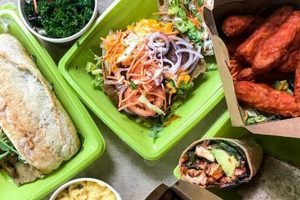
The preparation of plant-based meals using frying techniques encompasses a wide array of culinary options. This method involves submerging or shallow-frying ingredients like tofu, vegetables, and plant-based protein alternatives in oil until a desired level of crispness and browning is achieved. Common examples include crispy tofu “chicken,” vegetable tempura, and fried plant-based mozzarella sticks.
This style of cooking addresses several interests, including the desire for familiar comfort foods within a plant-based dietary framework. It can provide a satisfying textural experience and contribute to the perceived palatability of vegan cuisine. Historically, cultures worldwide have utilized frying as a method to preserve food and enhance flavor, principles now being adapted to meat-free alternatives.
The subsequent article will delve into specific aspects of creating successful dishes within this category, examining considerations related to oil selection, batter preparation, and the impact of frying on nutritional content. It will also explore regional variations and innovative approaches that expand the possibilities within this culinary area.
Preparation Recommendations
Achieving optimal results necessitates adherence to specific techniques and considerations that will improve overall quality. The following recommendations are intended to provide guidance in the preparation process.
Tip 1: Oil Selection. Opt for oils with high smoke points such as refined coconut, avocado, or grapeseed oil. These oils are less prone to breakdown at higher temperatures, reducing the formation of undesirable flavors and potential health risks.
Tip 2: Batter Consistency. Strive for a batter that adheres evenly without being excessively thick or thin. A medium-viscosity batter allows for uniform coating and prevents excessive oil absorption during the frying process.
Tip 3: Temperature Maintenance. Utilize a thermometer to ensure the oil temperature remains consistent throughout the cooking process, typically between 350F and 375F (175C – 190C). Fluctuations can lead to uneven cooking and compromised texture.
Tip 4: Batch Size Limitation. Avoid overcrowding the frying vessel. Overcrowding reduces the oil temperature, resulting in soggy textures. Work in smaller batches to maintain optimal cooking conditions.
Tip 5: Double Frying Technique. For enhanced crispness, consider a double frying method. The initial fry at a lower temperature par-cooks the food, while a second fry at a higher temperature achieves a golden-brown exterior.
Tip 6: Pre-Drying Ingredients: Ensure ingredients, particularly those with high water content like tofu, are thoroughly pressed or dried before battering. This reduces oil splatter and promotes better browning.
Tip 7: Seasoning Considerations: Incorporate seasonings directly into the batter or marinade ingredients prior to frying. This ensures the flavor is infused throughout the dish, not just on the surface.
Adhering to these recommendations will contribute to improved textures, flavors, and overall satisfaction. Careful attention to detail during preparation is paramount.
The subsequent sections will explore advanced techniques and creative applications.
1. Oil Temperature Control

Maintaining precise oil temperature during the frying process is paramount in achieving desirable outcomes with plant-based ingredients. The temperature directly affects the texture, color, and overall quality of the finished product, influencing factors such as crispness and oil absorption. Inadequate temperature control can result in compromised culinary results.
- Surface Browning and Maillard Reaction
The Maillard reaction, a chemical process responsible for browning and flavor development, is highly temperature-dependent. Insufficient oil temperature will impede this reaction, resulting in pale, unappetizing surfaces. Conversely, excessively high temperatures can lead to rapid burning before the interior is adequately cooked. Optimal control ensures even browning and development of complex flavor compounds.
- Moisture Management and Crispness
The rate at which moisture escapes from the food is dictated by the oil temperature. When the temperature is too low, moisture evaporates slowly, leading to soggy textures due to steam build-up. A sufficiently high temperature encourages rapid surface dehydration, resulting in a desirable crispy exterior while maintaining a tender interior.
- Oil Absorption Rate
The viscosity of oil changes with temperature; lower temperatures increase viscosity. This leads to greater oil retention in the food, resulting in an excessively greasy end product. Maintaining an optimal temperature range minimizes oil absorption, contributing to a healthier and more palatable dish.
- Structural Integrity of Plant-Based Proteins
Plant-based proteins, such as tofu and tempeh, require precise temperature control to maintain their structural integrity during the frying process. Overheating can cause these proteins to become dry and rubbery, while insufficient heat may prevent them from solidifying properly. Appropriate oil temperature ensures a desirable texture and prevents disintegration of the protein structure.
Precise adjustment of the frying oil in accordance with the plant-based component’s unique characteristics is the cornerstone of success. Implementing temperature regulation will help to avoid issues with surface appearance, undesired water retention, and compromised ingredient integrity. Ultimately, meticulous thermal management determines the quality and experience of fried plant-based food.
2. Batter Composition Science

The composition of the batter significantly influences the final characteristics of plant-based foods prepared using frying techniques. Batter serves as a crucial interface between the food and the hot oil, directly affecting texture, flavor development, and structural integrity. A properly formulated batter contributes to a crisp exterior, prevents excessive oil absorption, and enhances the overall sensory experience.
Different flour types, such as wheat, rice, or chickpea flour, exhibit distinct starch and protein properties, resulting in variations in batter viscosity, adhesion, and browning capabilities. For example, wheat flour provides gluten development, leading to a more cohesive and elastic batter suitable for creating a light and airy coating. Conversely, rice flour yields a crispier and more delicate texture due to its lower protein content. The inclusion of leavening agents, such as baking powder or baking soda, introduces air bubbles into the batter, further enhancing crispness and reducing density. Binders such as starches or plant-based gums improve adhesion to the plant-based ingredient and prevent the batter from separating during the frying process. Practical application of batter science includes adjustments to formulations based on specific ingredient properties; using cornstarch in a batter for tofu, for instance, can enhance crispness.
Understanding batter composition is essential for achieving optimal outcomes in plant-based fried food. Careful consideration of flour type, leavening agents, and binders enables precise control over the final product’s texture, flavor, and appearance. Through experimentation and refinement, cooks can tailor batter formulations to complement specific plant-based ingredients and achieve superior results, ensuring both palatability and structural integrity. This understanding elevates fried plant-based cuisine, making it an enjoyable experience.
3. Ingredient Moisture Levels

The moisture content within plant-based ingredients significantly impacts the outcome of foods prepared using frying techniques. Excess moisture can compromise crispness, increase oil absorption, and hinder proper browning, while insufficient moisture can result in a dry and unpalatable final product.
- Surface Crispness Impediment
Elevated moisture content near the surface of the ingredient inhibits the formation of a crispy exterior during frying. The energy from the hot oil must first evaporate this excess moisture before the Maillard reaction can effectively occur, leading to delayed browning and a soggy texture. Excess moisture cools the oil directly surrounding the foodstuff, affecting the overall cooking efficiency.
- Oil Absorption Enhancement
Ingredients with high moisture levels tend to absorb more oil during frying. As water evaporates from the food, it creates microscopic voids within the structure. These voids are then readily filled with hot oil, resulting in a greasier and less appealing final product. Tofu, for example, must be pressed to remove excess water prior to frying to mitigate excessive oil uptake.
- Battering Agent Interference
The interaction between the batter and the plant-based ingredient is significantly influenced by surface moisture. Excessive moisture can cause the batter to slip off the food, leading to uneven coating and an inconsistent texture. Moreover, the batter may become saturated with water, preventing it from achieving the desired level of crispness. Some batters incorporate ingredients that specifically address this challenge, reducing the impact on the outcome.
- Internal Texture Alteration
The moisture content dictates the final texture of the interior of the ingredient. Overly dry ingredients risk becoming further desiccated during the frying process, resulting in a tough or brittle consistency. Conversely, ingredients with high internal moisture may remain undercooked or mushy despite browning on the exterior. Tempeh presents a good example, as it needs to retain a certain internal moisture balance for acceptable texture and flavor.
Achieving optimal ingredient moisture levels is crucial for successful fried plant-based food preparation. Techniques such as pressing, drying, or marinating can be employed to adjust moisture content and ensure a desirable texture, flavor, and overall quality. The interplay between temperature, frying time, and moisture is important in creating excellent outcomes.
4. Frying Duration Effects

The duration for which plant-based foods are subjected to the frying process is a critical determinant of the final product’s characteristics. The temporal aspect of frying directly influences texture, moisture content, and the development of desirable flavors. Insufficient duration yields undercooked results, whereas excessive duration leads to undesirable dryness and potential burning. The interplay between time and temperature dictates the overall quality and palatability of the dish. An understanding of these effects is essential for achieving culinary success in the realm of plant-based cooking. For instance, improperly timed frying of battered cauliflower can result in either a soggy interior or a burnt exterior. Accurate timing ensures the vegetable is cooked through while retaining some moisture, and the batter achieves a golden-brown crispness.
Different plant-based ingredients require distinct frying durations to achieve optimal results. Dense vegetables, such as potatoes or sweet potatoes, necessitate longer frying times to ensure thorough cooking. More delicate ingredients, like sliced mushrooms or zucchini, require shorter durations to prevent overcooking and maintain their structural integrity. Plant-based protein alternatives, such as tofu or tempeh, may require varying durations depending on their initial moisture content and desired texture. The application of pre-cooking methods, such as steaming or parboiling, can reduce the required frying time for certain ingredients, promoting more even cooking and reducing oil absorption. Observation of visual cues, such as color change and bubble formation, serves as a practical method for gauging the degree of doneness during the frying process. For example, when frying vegan mozzarella sticks, the ideal duration strikes a balance between melting the inner “cheese” and avoiding rupture of the outer breading.
In summary, the duration of frying significantly impacts the quality of plant-based foods, affecting both their texture and flavor. Mastering the art of timing in frying requires a nuanced understanding of the specific characteristics of each ingredient and the desired culinary outcome. While generalizations offer a starting point, precise duration should be adjusted based on real-time observations and experimentation. Overcoming the challenges associated with achieving accurate timing yields a more satisfying and texturally pleasing final product, contributing to an elevated dining experience.
5. Flavor Infusion Methods
Effective flavor infusion is crucial in preparing fried plant-based foods, compensating for the absence of flavors typically associated with animal products. The method of imparting flavor profoundly influences the overall palatability and satisfaction derived from the dish. Flavor infusion can occur through various mechanisms, including marination, brining, direct seasoning of batter, and post-frying application of sauces and spices. The choice of method affects not only the flavor intensity but also the texture of the final product. For example, marinating tofu prior to frying enables deeper flavor penetration and can also alter the protein structure, leading to a more desirable mouthfeel.
Marination, a common pre-frying technique, involves submerging ingredients in a liquid mixture of herbs, spices, acids, and oils. This allows flavors to permeate the food over time, enhancing the inherent taste. Brining, a similar process, utilizes a saline solution to season and tenderize plant-based proteins like seitan, improving their texture and moisture retention during frying. Direct seasoning of batter allows for uniform flavor distribution throughout the coating, ensuring each bite is consistently seasoned. Post-frying application of sauces and spices provides an opportunity to introduce complex flavors and textures, creating a multi-layered culinary experience. Consider the practice of tossing freshly fried vegetable tempura in a mixture of seaweed flakes and sesame seeds, resulting in increased depth and aroma.
The success of flavor infusion in fried plant-based cuisine hinges on understanding the interplay between ingredients, techniques, and timing. Improper flavor infusion can result in blandness or, conversely, overpowering flavors that mask the natural characteristics of the plant-based ingredients. The challenges associated with flavor infusion underscore the need for culinary precision and creative experimentation. Ultimately, masterful flavor infusion elevates the experience of fried plant-based dishes, making them appealing and satisfying.
Frequently Asked Questions
This section addresses prevalent inquiries related to the preparation, nutritional aspects, and common misconceptions regarding the use of frying techniques in plant-based cuisine. The following questions aim to provide clarity and guidance.
Question 1: Is it possible to produce plant-based fried foods that are not excessively oily?
Yes. Employing correct oil temperature, limiting batch sizes, and using properly formulated batters minimizes oil absorption. Selecting appropriate oils with high smoke points also reduces the likelihood of oil degradation and subsequent absorption.
Question 2: Does deep-frying negate the health benefits associated with a vegan diet?
The impact on overall health depends on factors beyond simply using a frying technique. Moderation, oil selection, and a balanced diet remain critical determinants. Frying can be incorporated into a healthy vegan lifestyle if performed thoughtfully.
Question 3: What are suitable oil alternatives for preparing plant-based fried foods?
Refined coconut oil, avocado oil, grapeseed oil, and high-oleic sunflower oil represent viable options. These oils exhibit high smoke points and relatively neutral flavor profiles, making them suitable for high-temperature cooking.
Question 4: How does one prevent plant-based batters from detaching during the frying process?
Ensuring that the plant-based ingredients are adequately dried before battering enhances batter adhesion. Incorporating binding agents, such as cornstarch or flaxseed meal, into the batter formulation further improves adhesion and prevents separation.
Question 5: What considerations are pertinent when frying tofu to achieve a crispy texture?
Pressing tofu to remove excess water is crucial. Furthermore, coating the tofu with cornstarch before frying contributes to a drier surface and enhanced crispness. A double-frying technique, involving two separate frying sessions at different temperatures, can also be employed.
Question 6: Is it advisable to reuse frying oil, and if so, what precautions should be observed?
Reusing frying oil is possible, but it requires careful monitoring. The oil should be filtered after each use to remove food particles, and its quality assessed based on color and odor. Repeated heating degrades oil, leading to the formation of harmful compounds; therefore, oil should be discarded after several uses.
The preceding answers offer a starting point for understanding best practices. Continued experimentation and refinement contribute to improved outcomes in preparing fried vegan cuisine.
The subsequent section will explore regional variations.
Conclusion
This exploration of plant-based options prepared using frying methods has underscored several critical factors. These include oil selection and temperature regulation, batter formulation, ingredient moisture levels, frying duration management, and flavor infusion techniques. The effective application of these principles is essential for achieving optimal texture, flavor, and overall quality in plant-based cuisine.
The development of innovative approaches and techniques will continue to expand the potential of plant-based cooking, offering opportunities for creating satisfying and delicious alternatives to traditional fare. Further research into the culinary science of frying is encouraged to refine existing methods and unlock new possibilities within the realm of fried vegan food.