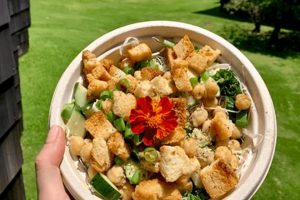
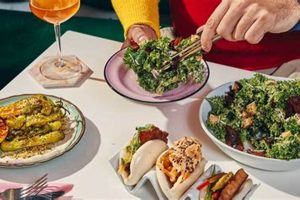
Plant-based midday meals, free from animal products, encompass a diverse array of culinary options. Examples include salads featuring legumes and grains, sandwiches filled with vegetable proteins and plant-based spreads, and wraps incorporating grilled or roasted vegetables with hummus or other vegan sauces.
The consumption of these meals can contribute to improved health outcomes, such as reduced risk of heart disease and type 2 diabetes, due to their typically lower saturated fat and higher fiber content. Historically, adherence to such dietary patterns has been observed across various cultures for both ethical and health-related reasons, with increased accessibility to ingredients and recipes fostering its broader adoption in recent years.
This article will explore practical considerations for preparing and sourcing these meal options, focusing on convenience, nutritional balance, and affordability. Specific attention will be paid to readily available ingredients, efficient preparation techniques, and strategies for maintaining a varied and satisfying plant-based midday diet.
Essential Strategies for Preparing Plant-Based Midday Meals
The following guidelines offer practical solutions for incorporating nutritious and satisfying plant-based meals into the daily routine. These recommendations emphasize efficiency, balanced nutrition, and accessibility.
Tip 1: Prioritize Batch Cooking: Prepare grains, legumes, and roasted vegetables in advance. Larger quantities allow for easy assembly of meals throughout the week, minimizing daily preparation time. Example: Roast a tray of mixed vegetables (broccoli, bell peppers, onions) on Sunday for use in salads or wraps all week.
Tip 2: Embrace One-Dish Preparations: Salads, soups, and grain bowls offer complete nutritional profiles in a single, convenient container. Focus on combining plant-based proteins, complex carbohydrates, and healthy fats. Example: Combine quinoa, black beans, corn, avocado, and salsa for a complete and portable meal.
Tip 3: Utilize Plant-Based Protein Sources: Tofu, tempeh, lentils, chickpeas, and edamame provide essential amino acids. Incorporate these into meals to ensure adequate protein intake. Example: Add marinated and baked tofu cubes to a spinach salad with a lemon vinaigrette.
Tip 4: Strategically Stock the Pantry: Maintain a supply of non-perishable staples such as canned beans, nut butters, whole-grain bread, and seeds. These items serve as the foundation for quick and convenient meals. Example: Use canned chickpeas to make a quick hummus spread for sandwiches or wraps.
Tip 5: Focus on Flavor Enhancement: Employ herbs, spices, sauces, and dressings to elevate the taste of simple plant-based dishes. Explore diverse flavor profiles to avoid culinary monotony. Example: A simple lentil soup can be enhanced with smoked paprika, cumin, and a squeeze of lemon juice.
Tip 6: Plan Ahead and Pack Smart: Designate a specific time each week to plan meals and pack them efficiently. Invest in reusable containers to prevent spills and maintain freshness. Example: Use separate containers for dressing and salad greens to prevent wilting.
Tip 7: Explore Vegan Alternatives: Plant-based cheese alternatives, yogurts, and meat substitutes can add variety and satisfaction to midday meals. Select products with minimal processing and added sugars. Example: Use a plant-based feta cheese alternative in a Mediterranean-inspired salad.
Adhering to these strategies simplifies the integration of nutritious and appealing plant-based meals into daily life. By prioritizing planning, preparation, and flavor, individuals can enjoy a diverse and satisfying dietary pattern.
The subsequent section will address common misconceptions and offer further resources for creating comprehensive plant-based meal plans.
1. Nutrient density

Nutrient density, in the context of plant-based midday meals, refers to the concentration of essential vitamins, minerals, and macronutrients relative to the caloric content of the food. Achieving optimal nutrient density is crucial for ensuring adequate nutritional intake and supporting overall health, particularly when adhering to a diet that excludes animal products.
- Protein Completeness
Vegan diets require strategic protein sourcing to ensure consumption of all essential amino acids. Certain plant-based sources, such as quinoa and soy, are complete proteins, while others necessitate combining complementary sources, like legumes and grains, to achieve a complete amino acid profile. Insufficient protein intake can compromise muscle mass and immune function.
- Micronutrient Bioavailability
The bioavailability of certain micronutrients, such as iron and zinc, can be lower in plant-based foods compared to animal products. Strategies to enhance absorption include consuming vitamin C-rich foods alongside iron sources and utilizing fermentation or sprouting techniques. Deficiency in these micronutrients can lead to fatigue, impaired cognitive function, and compromised immune response.
- Omega-3 Fatty Acid Sourcing
Plant-based sources of omega-3 fatty acids primarily consist of alpha-linolenic acid (ALA), which must be converted into EPA and DHA within the body. The conversion rate can be limited, necessitating a focus on ALA-rich foods such as flaxseeds, chia seeds, and walnuts, or consideration of algal oil supplements, which directly provide EPA and DHA. Deficient omega-3 intake may affect cardiovascular health and cognitive function.
- Vitamin B12 Supplementation
Vitamin B12 is not reliably found in plant-based foods, necessitating supplementation or consumption of fortified foods. Insufficient B12 intake can lead to neurological damage and anemia. Regular monitoring of B12 levels is advisable for individuals adhering to a plant-based dietary pattern.
The considerations outlined above underscore the importance of careful meal planning to maximize nutrient density in plant-based midday meals. Strategic food combinations, appropriate preparation techniques, and potential supplementation are crucial for addressing potential nutrient gaps and ensuring adequate nutritional status.
2. Preparation Time

The time allocated for preparing plant-based midday meals directly impacts adherence to a vegan dietary pattern. Insufficient time often leads to reliance on less healthy processed options or abandonment of planned meals altogether. This correlation stems from the perceived complexity associated with assembling nutritionally balanced meals from whole plant foods, especially compared to readily available conventional alternatives. Example: Individuals with demanding work schedules may find pre-packaged vegan snacks, often high in sodium and sugar, more appealing than preparing a balanced salad with homemade dressing, due to time constraints.
Efficient meal preparation strategies mitigate the time barrier. Batch cooking, where larger quantities of grains, legumes, and roasted vegetables are prepared in advance, allows for quick assembly of meals throughout the week. Single-pot recipes, such as soups and stews, minimize active cooking time and cleanup. The utilization of pre-cut vegetables and canned beans further reduces preparation efforts. Moreover, the availability of ready-to-eat ingredients, such as pre-cooked quinoa and pre-washed salad greens, enhances convenience. Example: A lentil soup prepared on Sunday can serve as a base for multiple midday meals throughout the week, reducing daily preparation to merely reheating and adding fresh toppings.
Therefore, understanding and addressing the time factor is essential for promoting the long-term sustainability of plant-based midday meals. Simplifying recipes, embracing efficient cooking techniques, and strategically utilizing convenient ingredients are crucial steps. Overcoming the time barrier not only enhances adherence but also contributes to improved nutritional outcomes and overall dietary satisfaction within a plant-based framework.
3. Ingredient Availability
Ingredient availability constitutes a primary determinant in the feasibility and diversity of plant-based midday meals. Geographic location, seasonality, and economic factors exert considerable influence on the accessibility of key components, thereby shaping meal options and nutritional profiles.
- Regional Variations in Produce
Access to fresh produce varies significantly across geographic regions. Areas with limited agricultural activity or extreme climates may experience higher costs and reduced selection of fruits and vegetables, impacting the affordability and variety of vegan meal choices. Conversely, regions with robust local agriculture offer greater access to seasonal produce at competitive prices.
- Seasonal Fluctuations
The availability of certain fruits and vegetables is subject to seasonal changes. Out-of-season produce often incurs higher prices and may exhibit diminished nutritional value due to extended storage or transportation. Meal planning should incorporate seasonal ingredients to optimize affordability, freshness, and environmental sustainability.
- Economic Accessibility
The cost of plant-based staples, such as legumes, grains, nuts, and seeds, can vary considerably. Socioeconomic factors influence an individual’s ability to procure these ingredients, potentially limiting dietary diversity and nutritional adequacy. Affordability is a key consideration in promoting equitable access to plant-based diets.
- Distribution Networks and Retail Infrastructure
The presence of well-established distribution networks and diverse retail options, including farmers’ markets, supermarkets, and ethnic grocery stores, enhances ingredient availability. Limited access to such infrastructure can restrict the range of ingredients accessible for preparing plant-based meals, particularly in underserved communities.
These facets underscore the importance of considering local context when designing plant-based meal plans. Adapting recipes to utilize available ingredients, exploring alternative protein sources, and maximizing the utilization of seasonal produce are critical strategies for navigating the constraints imposed by ingredient availability. Furthermore, community initiatives aimed at improving food access and affordability play a vital role in promoting equitable access to nutritious plant-based options.
4. Flavor Profiles

Flavor profiles play a critical role in the acceptance and long-term adherence to any dietary pattern, including plant-based midday meals. The diverse and nuanced manipulation of flavors can overcome perceived limitations associated with ingredient restrictions, thereby enhancing the overall dining experience.
- Umami Enhancement
The umami, or savory, flavor is often associated with animal products. In plant-based meals, umami can be achieved through ingredients such as mushrooms, roasted tomatoes, nutritional yeast, and fermented products like miso and soy sauce. These components contribute depth and richness, emulating the satisfying qualities of meat-based dishes. Example: A lentil stew enriched with dried porcini mushrooms provides a substantial umami flavor profile.
- Acidic Balance
The incorporation of acidic elements, such as citrus juices, vinegars, and fermented vegetables, is essential for balancing flavors and stimulating appetite. Acidity can cut through the richness of plant-based fats and add brightness to dishes. Example: A lemon vinaigrette dressing on a salad of leafy greens and roasted vegetables enhances the overall palatability by providing a contrasting acidic note.
- Textural Contrasts
Texture contributes significantly to the overall flavor experience. The combination of soft, creamy, crunchy, and chewy elements creates a more stimulating and satisfying meal. Example: A sandwich containing creamy avocado, crisp lettuce, and toasted seeds offers diverse textural sensations.
- Spice and Herb Integration
Strategic use of spices and herbs can transform the flavor of plant-based midday meals. Different spice blends, such as Indian garam masala, Mexican chili powder, or Mediterranean herbs de Provence, can impart distinct flavor profiles to dishes. Herbs add freshness and complexity. Example: A chickpea salad seasoned with smoked paprika, cumin, and cilantro provides a complex and aromatic flavor profile.
The intentional manipulation of these facets within plant-based midday meals addresses the common misconception that such dietary patterns are inherently bland or restrictive. By focusing on flavor layering and balanced combinations, plant-based meals can deliver a diverse and satisfying culinary experience, encouraging greater adherence and promoting the long-term adoption of plant-based eating habits. Furthermore, an appreciation for diverse flavor profiles can broaden culinary horizons and promote a more sustainable and ethical approach to food consumption.
5. Portability Concerns
Portability constitutes a significant factor influencing the practical adoption and sustainability of plant-based midday meals. The successful integration of vegan lunches into daily routines often hinges on the ease with which these meals can be transported and maintained in a palatable and safe condition. A lack of consideration for portability can lead to inconvenience, spoilage, and ultimately, a reversion to less healthy, readily available alternatives. For example, a salad with a delicate dressing, improperly packed, may become soggy and unappetizing by lunchtime, diminishing the likelihood of future adherence to plant-based midday meal choices.
Effective strategies to address portability concerns include the selection of appropriate containers, mindful ingredient choices, and strategic assembly techniques. Leak-proof, reusable containers are essential for preventing spills and maintaining the integrity of the meal. Denser, less perishable ingredients, such as cooked grains and roasted vegetables, are often more suitable for transport than delicate greens or easily bruised fruits. Separating wet and dry components, such as dressings or sauces, until the point of consumption prevents sogginess. Further, maintaining proper temperature control, through the use of insulated lunch bags and ice packs, safeguards against bacterial growth, ensuring food safety, particularly for perishable items like plant-based yogurts or tofu.
In conclusion, the seemingly simple aspect of portability significantly impacts the feasibility of consistently consuming plant-based midday meals. Attention to container selection, ingredient characteristics, and temperature management facilitates seamless integration into daily life, thereby promoting adherence and fostering the long-term benefits associated with a plant-based dietary pattern. Neglecting portability concerns presents a tangible obstacle to the practical implementation and widespread adoption of vegan lunches. Therefore, these considerations are integral to any discussion of plant-based midday meals.
Frequently Asked Questions Regarding Vegan Lunch Foods
The following section addresses common inquiries and misconceptions pertaining to plant-based midday meals. The information provided aims to offer clarity and guidance for individuals seeking to incorporate such options into their dietary routine.
Question 1: Are plant-based midday meals nutritionally complete?
A well-planned plant-based midday meal can indeed be nutritionally complete. It requires careful consideration of essential nutrients such as protein, iron, vitamin B12, omega-3 fatty acids, and calcium. Combining diverse plant sources, such as legumes, grains, vegetables, nuts, and seeds, aids in achieving a balanced nutrient profile. Supplementation of vitamin B12 is generally recommended, as it is not reliably found in plant-based foods.
Question 2: Do plant-based midday meals provide sufficient protein for active individuals?
Adequate protein intake is achievable through plant-based midday meals, even for individuals with elevated activity levels. Strategic selection of protein-rich foods, such as tofu, tempeh, lentils, chickpeas, and quinoa, is essential. The quantity of protein required varies depending on individual factors like body weight and activity intensity; therefore, consulting a registered dietitian or nutritionist is advisable for personalized recommendations.
Question 3: Can plant-based midday meals be cost-effective?
Plant-based midday meals can be cost-effective with strategic planning. Bulk purchase of staples like beans, rice, and lentils reduces per-serving costs. Utilizing seasonal produce, growing one’s own vegetables, and minimizing processed ingredients can further enhance affordability. Meal planning and avoiding food waste are also critical for cost optimization.
Question 4: How can one prevent boredom with plant-based midday meals?
Dietary monotony can be avoided by exploring diverse culinary traditions and experimenting with different flavor profiles. Integrating a variety of spices, herbs, sauces, and cooking techniques prevents culinary stagnation. Seeking inspiration from vegan cookbooks, blogs, and online resources provides a wealth of recipe ideas.
Question 5: What are some quick and easy options for plant-based midday meals?
Numerous quick and easy options exist for plant-based midday meals. Examples include pre-made salads with plant-based protein sources, sandwiches with hummus and vegetables, wraps with beans and salsa, and leftovers from dinner. Utilizing pre-cut vegetables, canned beans, and pre-cooked grains streamlines preparation.
Question 6: Are there environmental benefits associated with plant-based midday meals?
The consumption of plant-based midday meals can contribute to environmental sustainability. Plant-based diets generally have a lower environmental impact compared to diets that include animal products, due to reduced greenhouse gas emissions, land use, and water consumption. Choosing locally sourced and sustainably produced plant-based ingredients further minimizes environmental impact.
In summary, plant-based midday meals offer a diverse and sustainable approach to nutrition, addressing concerns regarding completeness, protein adequacy, cost-effectiveness, variety, convenience, and environmental impact. Strategic planning and informed choices are paramount for realizing the full potential of this dietary pattern.
The subsequent section will provide a sample meal plan for plant-based midday meals.
Concluding Remarks on Vegan Lunch Foods
This article has explored the diverse facets of plant-based midday meals, encompassing nutritional considerations, practical preparation strategies, flavor profile optimization, and logistical elements such as portability and cost. The analysis reveals that successful integration of these meals into dietary routines necessitates careful planning and informed choices, mitigating potential nutritional deficiencies and ensuring culinary satisfaction.
Ultimately, the adoption of vegan lunch foods represents a tangible step towards promoting individual health and environmental sustainability. Continued exploration and innovation in plant-based culinary options are essential to fostering widespread adoption and realizing the full potential of this dietary approach. Individual commitment, coupled with societal support for accessible and affordable plant-based options, will determine the future landscape of midday nutrition.