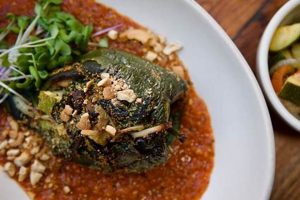
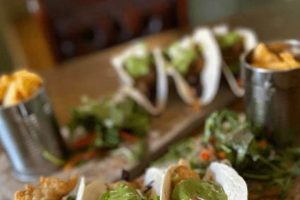
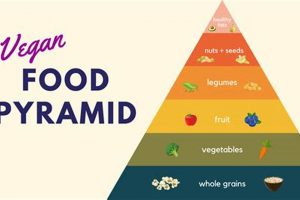
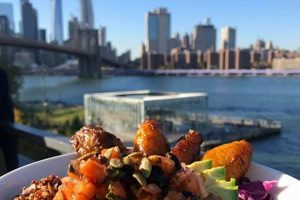
Plant-based cuisine in Montreal represents a significant culinary movement, offering diverse and innovative dining options that exclude all animal products. This encompasses a wide array of restaurants, cafes, and bakeries specializing in dishes crafted from vegetables, fruits, grains, legumes, nuts, and seeds. Examples include inventive takes on traditional Montreal smoked meat using seitan, decadent plant-based pastries, and globally-inspired dishes showcasing the versatility of vegan ingredients.
The prominence of this culinary trend is driven by increasing awareness of ethical, environmental, and health considerations. Plant-based diets are associated with reduced risks of certain chronic diseases, lower environmental impact compared to animal agriculture, and alignment with animal welfare principles. Historically, Montreal has been a multicultural hub, and the rise of plant-based options reflects the city’s openness to diverse culinary practices and evolving consumer preferences.
Subsequent sections will delve into the variety of dining establishments catering to plant-based preferences in Montreal, explore specific neighborhoods with high concentrations of such offerings, and provide practical guidance for residents and visitors seeking to experience the city’s vibrant plant-based culinary landscape. Further discussion will highlight local initiatives and organizations supporting the growth of this culinary sector.
Tips for Exploring Plant-Based Dining in Montreal
Navigating the diverse landscape of plant-based cuisine requires informed decisions. The following tips aim to facilitate a successful and enjoyable dining experience.
Tip 1: Utilize Online Resources: Consult websites and applications dedicated to listing plant-based restaurants. Many platforms offer user reviews and ratings, providing valuable insights into quality and dining experience.
Tip 2: Explore Different Neighborhoods: Montreal’s neighborhoods each offer unique plant-based culinary experiences. Areas such as Plateau Mont-Royal and Mile End are known for their concentrations of vegan-friendly establishments.
Tip 3: Inquire About Ingredient Sourcing: For individuals prioritizing local and sustainable ingredients, inquire about the sourcing practices of restaurants. Many establishments highlight their commitment to local farms and producers.
Tip 4: Be Aware of Cross-Contamination: Individuals with severe allergies or ethical concerns should inquire about kitchen practices to minimize the risk of cross-contamination with animal products. Clarity ensures informed consumption.
Tip 5: Check Menu Details Carefully: Even in restaurants identified as vegan-friendly, verify that each dish meets dietary requirements. Sauces, dressings, and garnishes may contain hidden animal-derived ingredients.
Tip 6: Consider Reservations: Popular plant-based restaurants can experience high demand, particularly during peak dining hours. Reservations are advisable to secure seating and avoid wait times.
Tip 7: Support Local Businesses: Patronize independent, locally-owned plant-based restaurants to contribute to the growth of the community and promote diverse culinary offerings.
Adhering to these tips facilitates informed and conscientious decision-making, contributing to a satisfying dining experience and supporting the growth of the plant-based culinary scene.
The subsequent concluding remarks will summarize the key points of the article and offer a final perspective on the vitality of plant-based dining in Montreal.
1. Variety

The proliferation of plant-based dining options in Montreal directly correlates with the concept of variety. A crucial element for sustaining consumer interest and dietary adherence, variety ensures that plant-based diets are not perceived as restrictive or monotonous. The availability of diverse cuisines and preparations is a primary driver for both established vegans and individuals exploring plant-based options. For instance, one can find Ethiopian injera with vegetable stews, Vietnamese pho featuring tofu and vegetable broth, and Italian pasta dishes crafted with cashew-based cream sauces, all within the city limits. The causal link is evident: greater variety translates to increased accessibility and appeal for a wider range of palates and cultural preferences.
Beyond cuisine-specific diversity, variety manifests in the range of dining establishments offering plant-based options. From dedicated vegan restaurants to omnivorous establishments with extensive vegan menus, consumers have choices suited to their preferences and budget. The availability of quick-service vegan fare alongside upscale dining experiences broadens the appeal of the plant-based sector. The increased competition and consumer choice drive innovation, as restaurants strive to differentiate themselves through unique menu offerings and culinary techniques. This leads to the evolution and refinement of plant-based cuisine.
The practical significance of variety within the city’s plant-based food context lies in its ability to foster sustainable dietary patterns and reduce reliance on animal products. By presenting plant-based alternatives that mirror the flavor profiles and textures of traditional dishes, variety facilitates a smoother transition for individuals adopting a plant-based diet. The challenge lies in maintaining authenticity and quality across diverse offerings. The future development of the plant-based sector depends on its continued ability to provide innovative and satisfying choices. This directly contributes to the overarching goal of making plant-based diets accessible and appealing to a broader population, contributing to a more sustainable food system within the city.
2. Accessibility

The concept of accessibility within Montreal’s plant-based culinary scene refers to the ease with which individuals can locate, afford, and enjoy vegan options. Accessibility extends beyond mere availability; it encompasses factors influencing consumer choice and dietary adherence. Geographic distribution, affordability, and inclusive menu design are key determinants of accessibility in this context.
- Geographic Distribution
The concentration of plant-based dining establishments varies across Montreal’s neighborhoods. Areas like Plateau Mont-Royal and Mile End exhibit higher densities, while other regions may have limited options. Uneven distribution poses a barrier for individuals residing in areas with fewer choices, limiting their ability to easily access plant-based meals. Transportation and proximity become significant factors in dietary decisions.
- Affordability
The cost of plant-based meals can influence accessibility. If vegan options are consistently priced higher than comparable non-vegan meals, it can create a financial barrier for budget-conscious consumers. The affordability factor is especially pertinent for students, low-income individuals, and families. Menu pricing strategies and the availability of budget-friendly vegan options, such as quick-service restaurants or affordable grocery store ingredients, directly impact accessibility.
- Menu Inclusivity
Accessibility extends to menu design and clarity. Restaurants that clearly label vegan options and provide detailed ingredient lists enhance transparency and facilitate informed choices. Menus that offer customizable options, allowing patrons to easily modify dishes to suit their dietary needs, are more inclusive. The availability of allergen information is crucial for individuals with specific dietary restrictions or allergies, ensuring safe and accessible dining experiences.
- Information Availability
Online resources, restaurant directories, and community groups play a vital role in enhancing accessibility. Providing up-to-date information on restaurant locations, hours of operation, menu details, and pricing helps individuals locate and plan plant-based dining experiences. Accurate and readily available information empowers consumers to make informed decisions and navigate the plant-based culinary landscape with greater ease.
Collectively, geographic distribution, affordability, menu inclusivity, and information availability shape the accessibility of plant-based options within Montreal. Addressing these factors through strategic urban planning, affordable menu options, transparent ingredient labeling, and comprehensive online resources is essential to promoting a more inclusive and accessible plant-based culinary scene for all residents and visitors.
3. Innovation

Within Montreal’s plant-based food sector, innovation acts as a catalyst for growth, transforming perceptions of vegan cuisine from niche to mainstream. It fosters creativity in ingredient utilization, culinary techniques, and business models, pushing the boundaries of what plant-based food can be.
- Ingredient Exploration
Innovation manifests in the discovery and utilization of novel plant-based ingredients. For example, chefs are incorporating jackfruit as a meat substitute, creating textures and flavors reminiscent of pulled pork. Similarly, aquafaba, the liquid from canned chickpeas, is used as an egg replacement in baking and as a base for vegan mayonnaise. These creative applications expand the range of culinary possibilities within the plant-based sphere.
- Technological Advancement
The application of food technology plays a significant role in innovation. Techniques such as fermentation are used to enhance the flavor and texture of plant-based cheeses and meats. 3D food printing is also being explored as a means to create customized vegan products with unique shapes and nutritional profiles. These technological advancements contribute to the ongoing evolution of vegan cuisine.
- Culinary Fusion
Innovation also emerges from the fusion of different culinary traditions. Montreal’s diverse culinary landscape encourages the integration of global flavors and techniques into plant-based dishes. For example, a vegan sushi restaurant might offer rolls featuring locally sourced vegetables and unique flavor combinations, or a traditional Quebecois restaurant might create a plant-based tourtire using innovative pastry techniques and plant-based meat alternatives. These fusions broaden the appeal of vegan food to a wider audience.
- Business Model Adaptation
Innovation extends beyond the kitchen into business models. Plant-based food businesses are adopting innovative strategies such as meal kit delivery services, pop-up restaurants, and partnerships with local farms to increase accessibility and sustainability. These adaptations reflect a commitment to meeting consumer needs and promoting a more ethical and environmentally responsible food system.
These multifaceted expressions of innovation, collectively, are integral to the ongoing development of Montreal’s plant-based food scene. By driving creativity and pushing boundaries, they broaden the appeal, enhance the accessibility, and contribute to the sustainability of plant-based diets within the city.
4. Sustainability

The concept of sustainability is intrinsically linked to plant-based dining in Montreal. It represents a commitment to minimizing environmental impact, promoting ethical sourcing, and supporting a resilient food system. The growth of vegan food options reflects an increasing consumer awareness of the environmental consequences associated with animal agriculture, driving demand for more sustainable alternatives.
- Reduced Greenhouse Gas Emissions
Animal agriculture is a significant contributor to greenhouse gas emissions, particularly methane and nitrous oxide. Plant-based diets inherently reduce these emissions by eliminating the need for livestock farming. Restaurants that prioritize plant-based menus are directly contributing to a smaller carbon footprint. The impact is evident in reduced energy consumption and decreased land use associated with plant-based food production. Examples include restaurants sourcing produce from local farms, further minimizing transportation-related emissions.
- Water Conservation
The production of animal products requires significantly more water than plant-based agriculture. Raising livestock consumes vast quantities of water for drinking, irrigation of feed crops, and processing. Plant-based diets conserve water resources by reducing the demand for water-intensive animal agriculture. Restaurants that feature plant-based options contribute to water conservation efforts. The practice of sourcing ingredients from regions with abundant water resources further enhances sustainability.
- Land Use Optimization
Animal agriculture is a primary driver of deforestation and land degradation. Vast tracts of land are cleared for grazing and feed crop production. Plant-based diets require less land because crops are grown directly for human consumption. Restaurants that prioritize plant-based options support more efficient land use. Initiatives promoting urban agriculture and community gardens further minimize land requirements and enhance local food security.
- Ethical Sourcing and Waste Reduction
Sustainable plant-based dining emphasizes ethical sourcing of ingredients and minimizing food waste. Restaurants prioritizing local, organic, and fair-trade produce support sustainable farming practices. Implementing waste reduction strategies, such as composting food scraps and reducing packaging, further minimizes environmental impact. Such commitments contribute to a more ethical and environmentally responsible food system.
These interconnected facets highlight the profound link between sustainability and the plant-based food movement in Montreal. The increasing availability and appeal of vegan dining options represent a tangible shift towards a more environmentally conscious and ethically responsible food culture within the city. Through conscious consumer choices and innovative restaurant practices, the plant-based sector is actively contributing to a more sustainable future.
5. Community

The relationship between community and plant-based dining in Montreal is mutually reinforcing. Community, in this context, encompasses individuals, groups, and organizations united by shared values related to veganism, animal welfare, environmentalism, or health. This community provides essential support, resources, and advocacy that fuels the growth and visibility of plant-based options. The expansion of such cuisine, in turn, strengthens community bonds by providing common spaces for interaction and shared experiences. The collective interest in this sector fosters a sense of belonging and shared purpose. Real-world examples include vegan meetups at local restaurants, collaborative events promoting plant-based lifestyles, and online forums where individuals share recipes, restaurant recommendations, and support each other’s dietary choices. This demonstrates the importance of collective action in normalizing and celebrating plant-based living.
The community’s influence extends to the economic sphere, supporting local plant-based businesses and initiatives. Community members actively patronize vegan restaurants, attend vegan food festivals, and purchase products from vegan-friendly businesses. This collective consumer demand encourages entrepreneurs to invest in plant-based ventures and expand the availability of these options. Furthermore, community organizations often engage in advocacy efforts to promote plant-based policies and raise awareness about the benefits of such cuisine. These activities include lobbying for vegan options in public institutions, organizing educational workshops, and campaigning for animal welfare legislation. A tangible example is the establishment of vegan-friendly sections in local grocery stores in response to community requests, illustrating the tangible impact of community advocacy.
In summary, community forms a critical pillar supporting Montreal’s plant-based culinary landscape. The shared values, collective action, and economic support provided by the community contribute to the growth, visibility, and sustainability of the sector. Challenges remain in reaching broader audiences and promoting inclusivity within the community. Future development should focus on fostering diverse representation and engaging individuals from all backgrounds to further strengthen the community’s impact and ensure its long-term success.
6. Multiculturalism

Multiculturalism, a defining characteristic of Montreal, significantly shapes the city’s plant-based culinary landscape. The presence of diverse cultural communities contributes to the variety, innovation, and acceptance of vegan food options. The fusion of global culinary traditions with plant-based principles enriches the dining experiences available throughout the city. The following points detail specific facets of this relationship.
- Culinary Exchange and Adaptation
Montreal’s multicultural environment fosters a dynamic exchange of culinary knowledge and techniques. Immigrant communities introduce traditional dishes and ingredients that are then adapted to meet plant-based dietary requirements. Examples include vegan versions of Indian curries, Middle Eastern falafel, and Asian stir-fries, all readily available in Montreal. The incorporation of these diverse culinary traditions expands the range of flavors and textures available within the plant-based sector, appealing to a broader audience and showcasing the versatility of vegan cuisine.
- Diverse Ingredient Availability
Multiculturalism contributes to the availability of a wide range of plant-based ingredients. Ethnic grocery stores and markets offer unique vegetables, legumes, spices, and condiments that are essential for creating authentic and flavorful plant-based dishes. The easy access to these ingredients empowers both home cooks and professional chefs to experiment with diverse culinary traditions and develop innovative vegan recipes. The presence of these markets ensures a constant supply of ingredients necessary for maintaining the culinary diversity of Montreal’s plant-based scene.
- Cultural Acceptance and Dietary Diversity
Montreal’s multicultural population exhibits a greater acceptance of diverse dietary practices, including veganism. Exposure to various cultural cuisines normalizes the concept of plant-based eating and reduces the stigma associated with alternative diets. This increased acceptance fosters a more inclusive dining environment where individuals feel comfortable exploring vegan options. The overall dietary diversity within the city creates a supportive ecosystem for the growth of the plant-based sector.
- Community Support and Representation
Multicultural communities often provide vital support for plant-based businesses and initiatives. Ethnic community organizations may promote vegan restaurants and caterers within their networks, fostering economic growth and cultural representation. These communities also serve as a platform for sharing information, recipes, and resources related to plant-based living. The involvement of diverse cultural groups strengthens the community base and ensures that the plant-based movement reflects the city’s multicultural fabric.
In conclusion, multiculturalism serves as a vital ingredient in the development and enrichment of the Montreal’s plant-based food scene. The exchange of culinary traditions, the availability of diverse ingredients, the cultural acceptance of alternative diets, and the community support provided by various ethnic groups collectively contribute to the unique character and vibrancy of vegan food options within the city.
7. Health

The relationship between plant-based dietary choices and health is a subject of ongoing scientific inquiry. In the context of Montreal, accessibility to plant-based food options provides opportunities for residents to adopt dietary patterns associated with certain health benefits. The following details illustrate key facets of this relationship.
- Cardiovascular Health
Plant-based diets, typically lower in saturated fat and cholesterol, can contribute to improved cardiovascular health. Studies suggest a correlation between plant-based diets and reduced risk of heart disease, stroke, and hypertension. Montreal’s array of vegan restaurants and grocery stores facilitates the adoption of such diets, providing readily available alternatives to animal-based products often linked to cardiovascular issues.
- Weight Management
Plant-based diets, often rich in fiber and lower in caloric density, can support healthy weight management. Increased fiber intake promotes satiety, while lower caloric density may contribute to reduced overall calorie consumption. Access to plant-based meals within the city enables individuals to manage their weight effectively, offering options that align with dietary guidelines promoting portion control and nutrient density.
- Type 2 Diabetes Prevention and Management
Plant-based diets have been associated with reduced risk of developing type 2 diabetes and improved glycemic control in individuals with the condition. Plant-based meals typically have a lower glycemic index compared to those rich in animal products and processed carbohydrates. Montreal’s availability of plant-based options provides a means for managing blood sugar levels and adopting dietary patterns associated with diabetes prevention.
- Gut Microbiome Health
Plant-based diets, rich in prebiotic fibers, can foster a diverse and healthy gut microbiome. The gut microbiome plays a critical role in immune function, nutrient absorption, and overall health. Montreal’s diverse range of plant-based options, including fermented foods and fiber-rich ingredients, supports the cultivation of a beneficial gut microbiome, potentially contributing to enhanced immune function and overall well-being.
In summary, the connection between health and Montreal’s plant-based cuisine is characterized by its capacity to support dietary patterns associated with various health benefits. While individual health outcomes are influenced by a multitude of factors, the accessibility of plant-based options within the city facilitates the adoption of dietary choices that align with recommendations for cardiovascular health, weight management, diabetes prevention, and gut microbiome health.
Frequently Asked Questions About Plant-Based Cuisine in Montreal
The following section addresses common inquiries related to the availability, accessibility, and characteristics of plant-based food options within the city.
Question 1: What defines a restaurant as offering plant-based food in Montreal?
A restaurant is considered to offer plant-based food when its menu prominently features dishes devoid of animal products, including meat, dairy, eggs, and honey. Some establishments are entirely vegan, while others offer a selection of plant-based options within a broader menu.
Question 2: Are plant-based options limited to specific neighborhoods in Montreal?
While concentrations of vegan-friendly restaurants exist in areas like Plateau Mont-Royal and Mile End, plant-based options are increasingly available throughout the city. A diverse range of establishments, from casual cafes to upscale restaurants, now cater to plant-based preferences in various neighborhoods.
Question 3: Is plant-based food in Montreal more expensive than conventional options?
Pricing can vary significantly. Some plant-based dishes may be priced comparably to conventional options, while others may be more expensive due to specialized ingredients or preparation methods. Quick-service options and grocery store ingredients often provide budget-friendly alternatives.
Question 4: How can individuals with allergies ensure the safety of plant-based meals?
Individuals with allergies should inquire about kitchen practices to minimize the risk of cross-contamination with animal products or other allergens. Clear communication with restaurant staff and careful review of ingredient lists are essential precautions.
Question 5: Are plant-based restaurants in Montreal committed to sustainability?
Many plant-based establishments prioritize sustainable practices, such as sourcing local and organic ingredients, reducing food waste, and using eco-friendly packaging. Inquiring about a restaurant’s commitment to sustainability allows individuals to make informed choices.
Question 6: What resources are available to locate plant-based food options in Montreal?
Numerous online resources, including restaurant directories, review websites, and community forums, provide information on plant-based dining options in Montreal. These resources offer details on restaurant locations, menus, pricing, and user reviews.
The answers provide insight into common queries concerning plant-based dining. Awareness of these details facilitates informed and conscientious culinary explorations within the city.
The subsequent concluding remarks will summarize the key points of the article and offer a final perspective on the vitality of plant-based dining in Montreal.
Conclusion
This exploration of “vegan food montreal” has highlighted key aspects of the city’s plant-based culinary scene. The analysis revealed the importance of variety, accessibility, innovation, sustainability, community, multiculturalism, and health in shaping the sector’s growth and character. It demonstrated how these factors interrelate to create a dynamic and evolving landscape, catering to a diverse range of dietary preferences and ethical considerations.
The continued expansion and refinement of vegan food montreal presents an opportunity for fostering a more sustainable, ethical, and inclusive food system. It necessitates ongoing commitment from restaurants, consumers, and policymakers alike to support innovation, promote accessibility, and ensure the long-term viability of this increasingly important culinary sector. The vitality of plant-based dining reflects broader societal trends towards conscious consumption and responsible environmental stewardship, positioning Montreal as a significant contributor to this global movement.