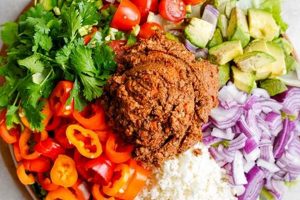
Plant-based, ready-to-eat meals and components sourced primarily from minimally processed ingredients are increasingly available. These offerings cater to individuals seeking convenient and nutritious dietary options, reflecting a growing awareness of both ethical and health considerations. Examples include pre-made salads featuring whole grains, vegetable medleys, and plant-based protein sources like tofu or lentils, as well as entrees designed for immediate consumption.
The rise in demand for such products reflects a broader societal shift toward mindful consumption. Benefits include reduced time spent on meal preparation, increased accessibility for those with limited cooking skills, and opportunities to incorporate more fruits, vegetables, and whole grains into one’s diet. Historically, vegan convenience foods were often perceived as lacking nutritional value; however, contemporary options are designed to prioritize both flavor and health, emphasizing whole, unprocessed ingredients.
The following sections will delve into the specific nutritional profiles, ingredient sourcing, and environmental impact associated with such options, providing a more detailed analysis of their role in the modern food landscape.
Guidance for Selection and Consumption
The following provides practical advice for those seeking to incorporate ready-to-eat, plant-based meals into their diet, emphasizing informed choices and maximizing nutritional value.
Tip 1: Prioritize Ingredient Transparency: Examine the ingredient list carefully. Opt for products that clearly list whole, recognizable ingredients rather than excessive additives or preservatives.
Tip 2: Scrutinize Nutritional Information: Pay close attention to serving sizes, macronutrient ratios (protein, carbohydrates, and fats), and micronutrient content (vitamins and minerals). Ensure the meal aligns with individual dietary needs.
Tip 3: Evaluate Sodium Content: Prepared foods can often be high in sodium. Select options with lower sodium levels, particularly if managing blood pressure or adhering to a sodium-restricted diet.
Tip 4: Consider Fiber Intake: Plant-based diets are typically high in fiber, but prepared options may vary. Choose meals rich in fiber-containing ingredients like whole grains, legumes, and vegetables to promote digestive health.
Tip 5: Assess Protein Sources: Ensure the meal contains adequate protein from diverse sources such as beans, lentils, tofu, tempeh, or nuts and seeds. Protein is essential for satiety and overall health.
Tip 6: Be Mindful of Added Sugars: Some prepared foods may contain added sugars for flavor enhancement. Opt for options with minimal or no added sugars to avoid unnecessary caloric intake and potential health concerns.
Tip 7: Check for Allergen Information: Individuals with allergies should carefully review the ingredient list and allergen statements to avoid potential reactions. Common allergens include soy, nuts, and gluten.
By adhering to these guidelines, consumers can make informed decisions and select ready-to-eat, plant-based options that contribute to a healthy and balanced diet. These strategies will aid in maximizing the nutritional benefits while minimizing potential drawbacks associated with processed foods.
The subsequent analysis will explore the sustainability aspects and future trends concerning these convenient dietary options.
1. Ingredients

The composition of ingredients in plant-based ready-to-eat meals directly dictates their nutritional profile, environmental impact, and overall suitability for individuals adhering to vegan dietary principles. Ingredient quality and sourcing are paramount considerations.
- Whole vs. Processed Components
The extent to which a meal relies on whole, minimally processed ingredients versus refined or heavily processed substitutes is a primary determinant of its health benefits. Whole ingredients, such as intact grains, legumes, and fresh vegetables, retain their natural fiber, vitamins, and minerals. Conversely, processed ingredients may contain added sugars, unhealthy fats, and artificial additives, potentially diminishing the meal’s nutritional value. For example, a pre-made salad with brown rice and whole vegetables offers superior nutritional density compared to one made with white rice and processed vegan meat alternatives.
- Source and Origin
The geographical origin and cultivation methods of ingredients influence their environmental footprint and ethical considerations. Locally sourced, organic produce reduces transportation emissions and supports sustainable agricultural practices. In contrast, ingredients sourced from distant regions or grown using conventional methods may contribute to deforestation, pesticide contamination, and exploitative labor practices. Transparency regarding the origin and sourcing of ingredients is crucial for informed consumer choices.
- Protein Sources
The type and quality of protein sources used in plant-based meals significantly impact their amino acid profile and digestibility. Diverse protein sources, such as lentils, chickpeas, tofu, tempeh, and quinoa, provide a more complete range of essential amino acids compared to relying on a single source. Additionally, the processing methods used to create plant-based protein ingredients can affect their nutritional value and digestibility. Minimally processed options are generally preferable.
- Additives and Preservatives
The presence of artificial additives, preservatives, and flavor enhancers can detract from the healthfulness of ready-to-eat vegan meals. While some additives may be necessary to extend shelf life or enhance flavor, excessive reliance on these substances raises concerns about potential adverse health effects. Consumers are advised to prioritize options with shorter ingredient lists and a minimal number of artificial additives.
The collective consideration of these ingredient-related facets underscores the importance of diligent label reading and informed decision-making. By prioritizing meals composed of whole, sustainably sourced ingredients, consumers can maximize the nutritional benefits and minimize the environmental impact associated with convenient, plant-based dietary choices.
2. Nutrition

The nutritional profile of plant-based, ready-to-eat meals is a critical determinant of their overall health value. Understanding the key nutritional aspects allows for informed selection and utilization of these convenient dietary options.
- Macronutrient Balance
Achieving a balanced intake of macronutrients carbohydrates, proteins, and fats is essential for optimal health. Plant-based meals should ideally provide a sufficient amount of protein from sources such as legumes, tofu, or tempeh, complex carbohydrates from whole grains and vegetables, and healthy fats from sources such as avocados, nuts, and seeds. Imbalances can lead to deficiencies or adverse health outcomes. For instance, a meal lacking sufficient protein may not adequately support muscle maintenance, while excessive refined carbohydrates can contribute to blood sugar instability.
- Micronutrient Density
Beyond macronutrients, the micronutrient content (vitamins and minerals) is equally important. Vegan diets require careful attention to nutrients often found in animal products, such as vitamin B12, vitamin D, iron, calcium, and omega-3 fatty acids. Ready-to-eat meals that incorporate fortified ingredients or naturally rich sources of these nutrients can help address potential deficiencies. Examples include fortified plant-based milks for vitamin B12 and calcium, and flaxseeds or walnuts for omega-3 fatty acids.
- Fiber Content
Dietary fiber, abundant in whole plant foods, plays a crucial role in digestive health, blood sugar regulation, and satiety. Ready-to-eat meals emphasizing whole grains, vegetables, and legumes tend to be higher in fiber than those relying on processed ingredients. Adequate fiber intake promotes healthy bowel movements and can contribute to weight management. For example, a lentil soup or a quinoa salad typically offers a substantial amount of dietary fiber.
- Sodium Levels
Prepared foods, including vegan options, can often be high in sodium due to processing and preservation methods. Excessive sodium intake is associated with increased blood pressure and cardiovascular risks. Consumers should carefully examine nutrition labels and opt for meals with lower sodium content, ideally preparing meals at home where sodium levels can be controlled more effectively. The availability of low-sodium prepared options is increasing but requires diligent monitoring.
These nutritional facets highlight the importance of scrutinizing ready-to-eat, plant-based meals. By carefully evaluating macronutrient balance, micronutrient density, fiber content, and sodium levels, individuals can select options that support their health goals and align with the principles of a well-balanced vegan diet. The subsequent discussion will delve into the convenience aspects associated with these dietary choices.
3. Convenience

The appeal of plant-based, ready-to-eat meals is significantly intertwined with the desire for convenience in contemporary lifestyles. Time constraints and busy schedules often preclude extensive meal preparation, making pre-made options an attractive alternative. This convenience directly impacts dietary choices, facilitating the adoption and maintenance of plant-based diets by individuals who might otherwise find it challenging to adhere to such dietary patterns. For example, a professional with limited time might opt for a pre-packaged vegan bowl over preparing a meal from scratch, ensuring adherence to their dietary preferences despite time limitations.
However, the pursuit of convenience can influence the nutritional quality of food choices. Prepared foods may prioritize speed and shelf stability over optimal nutritional content. Therefore, mindful selection is paramount. For instance, a pre-made vegan lasagna might be readily available, but a consumer should evaluate its ingredient list for excessive sodium, saturated fat, or processed ingredients. A focus on minimally processed ingredients, clearly labeled nutritional information, and sustainable packaging enhances the value proposition of convenient plant-based options. Furthermore, the increasing availability of subscription services delivering fresh, prepared vegan meals directly addresses the demand for both convenience and nutritional integrity.
Ultimately, convenience is a primary driver in the consumption of ready-to-eat, plant-based meals. Navigating this convenience requires informed decision-making to ensure that dietary choices align with health goals and ethical considerations. The ongoing development of innovative, nutritionally dense, and sustainably packaged plant-based prepared foods suggests an evolving landscape where convenience and well-being can be effectively integrated.
4. Sustainability

The concept of sustainability is intrinsically linked to the production, distribution, and consumption of plant-based, ready-to-eat meals. Evaluating the sustainability of these products requires considering the environmental, social, and economic impacts throughout their lifecycle.
- Resource Utilization
The production of ingredients for vegan prepared foods necessitates the utilization of land, water, and energy resources. Sustainable practices prioritize minimizing the depletion of these resources through efficient irrigation techniques, reduced fertilizer use, and renewable energy sources. For example, sourcing ingredients from farms employing regenerative agriculture, which focuses on soil health and biodiversity, can significantly reduce the environmental footprint compared to conventional farming methods. The relative water usage of different plant protein sources, such as lentils versus almonds, also plays a crucial role in evaluating sustainability.
- Packaging Materials
Packaging contributes significantly to the overall environmental impact of prepared foods. Sustainable packaging options include compostable materials, recycled content, and reduced packaging volume. Single-use plastics, commonly used in conventional food packaging, pose a significant environmental challenge due to their persistence in landfills and potential for ocean pollution. Alternatives such as biodegradable containers made from plant-based materials or reusable packaging systems offer more sustainable solutions. The use of minimal packaging also reduces waste generation.
- Transportation and Distribution
The transportation of ingredients and finished products contributes to greenhouse gas emissions and overall carbon footprint. Prioritizing local sourcing, utilizing efficient transportation methods (e.g., rail versus air), and optimizing distribution networks can minimize these impacts. For example, a company that sources ingredients from local farms and utilizes electric vehicles for delivery demonstrates a commitment to reducing its carbon emissions. Consumers can also support sustainable practices by choosing products from companies with transparent and environmentally conscious distribution strategies.
- Food Waste Reduction
Minimizing food waste is a critical component of sustainable food systems. Plant-based prepared foods can contribute to food waste reduction by providing portion-controlled meals and extending the shelf life of perishable ingredients through appropriate preservation techniques. However, it’s crucial to ensure that any preservation methods employed do not compromise the nutritional value or introduce harmful additives. Effective inventory management and consumer education regarding proper storage can further minimize food waste associated with these products.
These facets underscore the multifaceted relationship between sustainability and plant-based, ready-to-eat meals. By addressing resource utilization, packaging materials, transportation, and food waste, the industry can significantly reduce its environmental impact and contribute to a more sustainable food system. Consumers, through informed purchasing decisions, can play a vital role in driving demand for sustainably produced and packaged vegan prepared foods.
5. Accessibility

Accessibility, in the context of plant-based, ready-to-eat meals, encompasses the factors that determine whether these products are readily available and affordable to a broad spectrum of consumers. It directly influences the extent to which individuals can incorporate these options into their diets, irrespective of their socioeconomic background or geographical location.
- Geographic Availability
The distribution network and retail presence significantly impact accessibility. Plant-based prepared foods may be readily available in urban centers with diverse grocery options but scarce in rural areas or food deserts with limited retail infrastructure. The presence of national grocery chains carrying these products versus reliance on smaller, regional retailers dictates their reach. For instance, pre-made vegan meals available at a national supermarket chain reach a significantly larger audience than those sold exclusively at local health food stores.
- Economic Affordability
The price point of plant-based prepared foods directly influences their accessibility to consumers with varying income levels. If these meals are priced significantly higher than conventional options or home-cooked alternatives, they become inaccessible to low-income individuals or families. Factors such as ingredient sourcing, processing methods, and packaging influence the final price. Government subsidies or initiatives aimed at reducing the cost of plant-based ingredients could enhance affordability. For example, a program providing financial assistance for purchasing plant-based meals could make them more accessible to vulnerable populations.
- Informational Awareness
Consumer awareness regarding the availability and benefits of plant-based prepared foods is crucial for driving demand and improving accessibility. Lack of awareness can limit adoption, even when products are geographically and economically accessible. Educational campaigns highlighting the nutritional benefits, convenience, and environmental impact of these meals can encourage consumers to explore these options. Clear and accessible labeling, indicating vegan status and nutritional information, further empowers informed choices. For instance, a public health campaign promoting the health benefits of plant-based diets can increase consumer interest and subsequent demand for prepared vegan options.
- Cultural Acceptability
Cultural norms and dietary preferences can impact the perceived accessibility of plant-based prepared foods. In communities where traditional diets are heavily reliant on animal products, the adoption of vegan options may face cultural barriers. Tailoring products to align with local tastes and dietary customs can enhance their acceptability and, consequently, their accessibility. For example, developing plant-based versions of traditional dishes can overcome cultural resistance and encourage adoption within specific communities.
These interconnected facets underscore that accessibility is not solely a matter of physical availability or affordability but also involves addressing informational gaps and cultural considerations. Enhanced accessibility translates into greater dietary choice and supports the wider adoption of plant-based eating patterns. This facilitates greater availability for those pursuing plant-based whole food options.
6. Flavor

Flavor plays a pivotal role in the adoption and sustained consumption of plant-based, ready-to-eat meals. It influences consumer perception and willingness to integrate these options into their regular dietary habits. Achieving palatable and appealing flavor profiles is essential for overcoming potential barriers associated with unfamiliar ingredients or perceived limitations of vegan cuisine.
- Ingredient Quality and Combination
The intrinsic flavors of whole food ingredients form the foundation of a palatable plant-based meal. Fresh, high-quality produce, aromatic herbs, and flavorful spices contribute significantly to the overall taste experience. Strategic combinations of ingredients, leveraging complementary flavor profiles, can elevate the sensory appeal. For example, the earthy notes of lentils pair well with the sweetness of roasted root vegetables, creating a balanced and satisfying dish. The skillful combination of ingredients is crucial in crafting flavor profiles that appeal to a broad range of palates.
- Umami Enhancement Techniques
Umami, often described as a savory or meaty flavor, is a key component of satisfying meals. In plant-based cuisine, achieving umami requires employing specific techniques and ingredients. Ingredients such as mushrooms, seaweed, sun-dried tomatoes, and fermented products (e.g., miso, soy sauce) naturally contribute umami. Roasting, caramelizing, and slow-cooking techniques can further enhance umami by developing complex flavor compounds. Skillful incorporation of these elements can compensate for the absence of animal-derived umami sources, creating deeply flavorful and satisfying meals.
- Texture and Mouthfeel
Beyond taste, texture and mouthfeel significantly influence the overall flavor perception. Varying textures within a meal, such as creamy sauces, crunchy vegetables, and chewy grains, create a more engaging and satisfying sensory experience. Proper cooking techniques are essential for achieving desired textures. For example, perfectly cooked quinoa should be fluffy and tender, while roasted vegetables should be slightly caramelized and tender-crisp. The careful manipulation of texture and mouthfeel elevates the overall palatability of plant-based prepared foods.
- Balancing Flavor Profiles
Achieving a harmonious balance of sweet, sour, salty, bitter, and umami flavors is crucial for creating a well-rounded and appealing meal. Overemphasis on any single flavor can detract from the overall experience. For example, a meal that is excessively salty may be perceived as unpalatable, while one lacking acidity may taste bland. Skillful culinary techniques, such as adding a touch of lemon juice or vinegar to balance richness, can enhance flavor complexity and appeal. Maintaining a balanced flavor profile ensures a more satisfying and enjoyable eating experience.
The strategic management of flavor, encompassing ingredient quality, umami enhancement, texture, and balance, is essential for the successful development and adoption of plant-based, ready-to-eat meals. Addressing flavor challenges effectively promotes dietary adherence and broadens the appeal of convenient, plant-based options, making “whole foods vegan prepared food” more enjoyable.
Frequently Asked Questions
The following addresses common inquiries regarding plant-based, ready-to-eat meals to clarify misconceptions and provide essential information for consumers.
Question 1: Are plant-based, ready-to-eat meals nutritionally complete?
Nutritional completeness varies significantly depending on the specific meal. Careful evaluation of the nutrition facts label is necessary to ensure adequate intake of essential nutrients, including protein, vitamin B12, iron, and calcium. Fortified options or strategic combination with supplemental foods may be required to address potential deficiencies.
Question 2: Do plant-based, ready-to-eat meals contain hidden animal products?
Cross-contamination during manufacturing or the use of non-vegan ingredients is possible. Reviewing the ingredient list and allergen statements is crucial. Look for certifications from reputable vegan organizations to ensure adherence to vegan standards.
Question 3: Are plant-based, ready-to-eat meals more expensive than conventional options?
The cost of plant-based prepared foods can vary. Certain factors, such as organic ingredients and specialty processing, may influence higher prices. However, bulk purchasing or preparing meals from scratch using whole food ingredients often presents a more cost-effective alternative.
Question 4: How should plant-based, ready-to-eat meals be stored and heated?
Adhere to the manufacturer’s instructions for proper storage and heating. Refrigeration is typically required. Ensure thorough heating to eliminate potential bacterial contamination. Avoid prolonged exposure to room temperature to maintain food safety.
Question 5: Are plant-based, ready-to-eat meals environmentally sustainable?
The environmental impact depends on ingredient sourcing, packaging materials, and transportation methods. Opt for meals utilizing sustainably sourced ingredients, minimal packaging, and efficient distribution networks to minimize the environmental footprint.
Question 6: Are plant-based, ready-to-eat meals suitable for individuals with allergies?
Individuals with allergies must carefully review the ingredient list and allergen statements. Common allergens, such as soy, nuts, and gluten, may be present. Cross-contamination is also a concern. Contacting the manufacturer for clarification is advisable in cases of uncertainty.
In summary, plant-based, ready-to-eat meals can offer convenience and nutritional benefits, provided that careful consideration is given to ingredient quality, nutritional content, environmental impact, and potential allergens. Informed decision-making is key to maximizing the benefits and minimizing the risks associated with these dietary options.
The following segment will explore future trends and the evolving landscape of these convenient dietary choices.
Conclusion
This exploration has illuminated the multifaceted nature of whole foods vegan prepared food. Key points include ingredient transparency, nutritional balance, sustainability considerations, accessibility factors, and the crucial role of flavor in consumer adoption. The analysis underscores that informed decision-making is paramount when integrating these convenient options into dietary patterns. Vigilance regarding ingredient sourcing, nutritional profiles, and environmental impacts is essential to realizing the potential benefits.
The ongoing evolution of the food industry suggests a future where whole foods vegan prepared food will become increasingly prevalent and accessible. Continued innovation in sustainable practices, ingredient diversification, and flavor enhancement will shape its trajectory. The responsibility lies with both producers and consumers to prioritize nutritional integrity, environmental stewardship, and ethical considerations to ensure that this trend contributes positively to individual well-being and global sustainability.