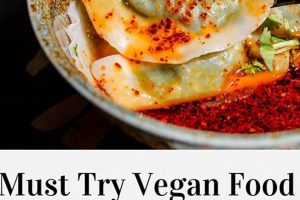
Plant-based cuisine designed to appeal to individuals accustomed to animal products represents a growing sector within the culinary landscape. These dishes often mimic the textures and flavors associated with meat, dairy, and eggs through innovative techniques and ingredients. Examples include using jackfruit to replicate pulled pork, mushrooms to simulate steak, or plant-based proteins to create burgers and sausages.
The rise of this culinary approach reflects increasing awareness of the environmental, ethical, and health implications of traditional meat consumption. Offering alternatives that closely resemble familiar foods can significantly ease the transition to a more plant-centric diet. This approach can also contribute to reduced greenhouse gas emissions, improved animal welfare, and potential health benefits associated with lower cholesterol and saturated fat intake. Historically, vegetarian and vegan options often lacked the robustness and complexity to satisfy those with a preference for meat, but recent culinary advancements have addressed this gap.
The subsequent sections will explore specific plant-based ingredients and cooking methods employed to achieve meat-like textures and flavors. Furthermore, analysis will be provided on popular recipes and restaurant adaptations demonstrating the potential of plant-based meals to satisfy a broader range of palates.
Strategies for Appealing to Meat-Inclined Palates
The following guidelines offer practical approaches to crafting plant-based meals that resonate with individuals accustomed to meat-centric diets. These suggestions emphasize flavor enhancement, textural replication, and familiar culinary presentations.
Tip 1: Leverage Umami-Rich Ingredients: Incorporate ingredients such as mushrooms, roasted vegetables, soy sauce, and nutritional yeast to provide savory depth. These components contribute significantly to the satisfaction often derived from meat-based dishes.
Tip 2: Master Textural Contrast: Varied textures enhance the eating experience. Combine soft elements like creamy sauces with crisp components like toasted nuts or breadcrumbs. This mirrors the complexity found in many meat-based meals.
Tip 3: Employ High-Heat Cooking Methods: Searing, grilling, and roasting can develop Maillard reaction compounds, creating browned surfaces and enhanced flavors comparable to those found in cooked meats. Ensure adequate heat and minimal moisture for optimal results.
Tip 4: Utilize Smoked Paprika and Liquid Smoke Judiciously: These ingredients impart smoky notes that emulate the flavor profile of smoked meats. Exercise restraint to avoid overpowering the other flavors in the dish.
Tip 5: Create Familiar Flavor Combinations: Replicate classic pairings, such as barbecue sauce with pulled jackfruit or marinara sauce with plant-based meatballs. Utilizing recognized flavor profiles helps bridge the gap for transitioning palates.
Tip 6: Don’t Shy Away from Fat: Plant-based fats, such as olive oil, avocado oil, and nut butters, contribute to richness and mouthfeel. These fats are essential for replicating the satisfying qualities of meat-based dishes.
Tip 7: Offer Plant-Based Versions of Familiar Dishes: Instead of introducing completely novel concepts, adapt existing recipes that are traditionally meat-based. This provides a point of reference and reduces resistance to trying something new.
These strategies, when implemented thoughtfully, can significantly increase the appeal of plant-based cuisine to those who primarily consume meat. The key lies in addressing the sensory expectations and flavor preferences established through prior culinary experiences.
The subsequent section will delve into specific recipes and meal ideas that effectively apply these principles, offering concrete examples of plant-based dishes designed to satisfy even the most dedicated meat enthusiast.
1. Umami Enhancement

Umami, often described as a savory or meaty taste, is a critical component in formulating plant-based cuisine that appeals to individuals accustomed to consuming meat. The presence of umami enhances the overall sensory experience, providing a depth of flavor that counteracts the perception of blandness or lack of satisfaction often associated with early attempts at vegan alternatives. The effect is primarily driven by the detection of glutamate, an amino acid naturally present in many foods, by taste receptors on the tongue. In plant-based contexts, strategically incorporating umami-rich ingredients acts as a replacement for the natural umami derived from animal products, thereby increasing the likelihood of acceptance by meat-eaters. As an illustrative instance, the inclusion of roasted mushrooms, sun-dried tomatoes, or seaweed in a vegetable stew provides a savory foundation that can mimic the satisfying richness of a meat-based broth.
The practical application of umami enhancement extends beyond simply adding specific ingredients. Cooking techniques such as caramelization, fermentation, and slow roasting also contribute to the development of umami. Caramelizing onions, for example, breaks down complex carbohydrates into simpler sugars and amino acids, releasing glutamate and enhancing the savory flavor profile. Fermented products like miso and soy sauce are naturally high in umami and can be used as flavor enhancers in a wide variety of dishes. Furthermore, understanding the synergistic effect of combining different umami-rich ingredients is crucial. For example, combining tomatoes (containing glutamate) with mushrooms (containing ribonucleotides) creates a more intense umami sensation than either ingredient alone, mirroring the complexity of meat-based flavors.
In conclusion, umami enhancement represents a foundational strategy in designing vegan meals that resonate with the preferences of meat-eaters. The careful selection and preparation of umami-rich ingredients, coupled with appropriate cooking techniques, effectively bridges the flavor gap between plant-based and meat-centric diets. Challenges remain in replicating the precise complexity of certain meat-based flavors, however, the strategic use of umami provides a pathway towards creating satisfying and palatable vegan alternatives.
2. Textural Replication

Textural replication constitutes a critical element in the development and acceptance of plant-based cuisine intended for individuals accustomed to meat consumption. The inherent satisfaction derived from eating meat often stems from its characteristic texturesthe chewiness of steak, the crispness of bacon, or the tenderness of pulled pork. Therefore, successful meatless alternatives must effectively mimic these tactile sensations to provide a comparable eating experience. This is not merely about flavor; the physical act of chewing and experiencing specific textures contributes significantly to the perception of satiety and overall enjoyment.
Achieving textural replication involves employing various ingredients and culinary techniques. For example, jackfruit, with its fibrous structure, can be manipulated to mimic the texture of pulled pork when seasoned and cooked appropriately. Seitan, made from wheat gluten, offers a chewy texture suitable for replicating steak or chicken. Tofu, through pressing and varying cooking methods, can be transformed from a soft curd to a firm and slightly crispy component. The utilization of mushrooms, particularly varieties like king oyster, allows for the creation of scallop-like or even steak-like textures through strategic cutting and searing. The impact is direct: a plant-based burger with a satisfyingly chewy and slightly yielding patty, achieved through a blend of grains, legumes, and plant-based proteins, has a substantially higher likelihood of appealing to a meat-eater than a mushy or homogenous alternative. Culinary innovations, such as using modified starches and hydrocolloids, are increasingly utilized to fine-tune texture and enhance the realism of meat analogs.
In conclusion, the ability to accurately replicate the textures of meat plays a pivotal role in the success of plant-based alternatives for meat-lovers. While flavor remains paramount, texture significantly influences palatability and overall satisfaction. Overcoming the challenges associated with accurately replicating complex meat textures requires ongoing culinary innovation and a deep understanding of the structural properties of both animal products and plant-based ingredients. Continued advancement in this area is essential for broadening the appeal and acceptance of meatless cuisine.
3. Flavor Familiarity

Flavor familiarity serves as a significant bridge for individuals accustomed to meat-centric diets transitioning to plant-based meals. By replicating recognized and enjoyed flavor profiles, plant-based cuisine can mitigate the perceived risks associated with trying unfamiliar foods and increase the likelihood of acceptance.
- Replicating Classic Dishes
Adapting well-known meat-based recipes using plant-based ingredients is a primary strategy. Examples include vegan lasagna utilizing plant-based ricotta and marinara sauce, or a lentil shepherd’s pie substituting lentils for ground meat in a savory gravy. This approach provides a known quantity, making the transition less daunting.
- Utilizing Familiar Seasoning Profiles
Employing traditional seasoning blends associated with specific meat preparations can enhance the sense of familiarity. A plant-based chicken alternative seasoned with herbs de Provence or a vegan burger seasoned with classic burger spices provides a recognizable and comforting flavor experience.
- Mimicking Cooking Methods
Replicating cooking methods traditionally applied to meat further reinforces flavor familiarity. Grilling plant-based sausages to achieve a smoky char, or slow-cooking jackfruit to mimic the texture and flavor of pulled pork, replicates the sensory experience associated with these methods.
- Leveraging Cultural Cuisines
Certain cultural cuisines naturally offer flavor profiles that are inherently appealing to meat-eaters, even in plant-based preparations. Indian curries, Mexican mole sauces, and Mediterranean tagines often feature robust flavors and textures that translate well to vegan alternatives, providing a gateway to broader acceptance.
The careful and strategic application of flavor familiarity, through the replication of dishes, seasoning profiles, cooking methods, and leveraging culturally-established cuisines, contributes significantly to the successful integration of plant-based meals into the diets of individuals who primarily consume meat. By addressing the inherent preference for established flavor profiles, plant-based cuisine can effectively compete with and replace meat-centric options.
4. Visual Appeal

Visual appeal exerts a substantial influence on the acceptance of plant-based cuisine by individuals accustomed to consuming meat. The initial perception of a dish is predominantly visual; an aesthetically pleasing presentation creates an immediate positive impression, predisposing the individual to a more favorable tasting experience. Conversely, a visually unappealing dish may be rejected outright, regardless of its flavor or nutritional content. This phenomenon is particularly relevant when introducing novel food items or dietary changes, as the visual cues serve as a form of communication, signaling either safety and deliciousness or potential aversion.
The effect of visual appeal extends beyond mere aesthetics. Presentation can directly influence perceived flavor and texture. For instance, a plant-based steak meticulously seared to achieve a Maillard reaction-enhanced brown crust not only looks more appetizing but also communicates the expectation of a savory, caramelized flavor and a firm texture. Conversely, a pale, uniformly colored vegetable dish may be perceived as bland and uninteresting. Effective visual techniques include utilizing vibrant colors from fresh produce, strategically arranging elements on the plate to create balance and depth, and employing garnishes to add visual interest and suggest flavor profiles. Restaurants increasingly leverage professional food styling to enhance the visual impact of their plant-based offerings, recognizing its direct correlation with customer satisfaction and repeat business.
In conclusion, visual appeal is a critical, often underestimated, component in successfully integrating plant-based cuisine into the diets of meat-eaters. Its impact extends beyond superficial aesthetics, influencing perceived flavor, texture, and overall palatability. Culinary practitioners must prioritize visual presentation alongside flavor and nutritional considerations to maximize the appeal and acceptance of plant-based meals. Challenges remain in overcoming preconceived notions about the visual limitations of vegan food, however, strategic attention to visual detail presents a significant opportunity to broaden the appeal of plant-based cuisine.
5. Satiety Factor

The satiety factor plays a crucial role in the acceptance and long-term adherence to plant-based diets, particularly among individuals accustomed to the high satiety levels associated with meat consumption. Effective vegan alternatives must provide comparable levels of fullness and satisfaction to be considered viable substitutes for meat-centric meals.
- Protein Density
Protein is a key macronutrient influencing satiety. Plant-based meals intended for meat-eaters must prioritize protein-rich ingredients such as legumes (lentils, beans, chickpeas), tofu, tempeh, seitan, and quinoa. For example, a lentil soup, rich in fiber and protein, can provide a sustained feeling of fullness comparable to a chicken-based broth. Insufficient protein intake leads to increased hunger and potential overconsumption of less nutritious foods.
- Fiber Content
Dietary fiber contributes significantly to satiety by slowing digestion and promoting a sense of fullness. Plant-based diets are inherently high in fiber due to the consumption of fruits, vegetables, whole grains, and legumes. A vegetable stir-fry with brown rice provides both volume and fiber, contributing to a feeling of satiety. Processed vegan foods often lack sufficient fiber, compromising their ability to satisfy hunger.
- Fat Composition
Healthy fats play a vital role in satiety and flavor satisfaction. Plant-based fats, such as those found in avocados, nuts, seeds, and olive oil, contribute to a feeling of fullness and enhance the overall palatability of meals. A salad with avocado and a vinaigrette dressing can provide a satisfying source of healthy fats and contribute to satiety. Over-reliance on low-fat vegan options may compromise the ability to achieve adequate satiety.
- Meal Volume and Caloric Density
The physical volume of food consumed contributes to satiety by distending the stomach and triggering hormonal signals that regulate appetite. High-volume, low-calorie foods, such as leafy green vegetables, can contribute to a feeling of fullness without excessive caloric intake. A large salad with various vegetables and a light dressing can provide satiety without a high caloric burden. Strategic combination of high-volume and calorie-dense plant-based ingredients is essential for optimal satiety.
Achieving adequate satiety through plant-based means requires careful consideration of protein density, fiber content, fat composition, and meal volume. By prioritizing these factors, plant-based cuisine can effectively compete with meat-centric diets in terms of providing a satisfying and sustained feeling of fullness. This is crucial for long-term adherence to plant-based eating patterns and for appealing to individuals accustomed to the satiety levels associated with meat consumption.
6. Nutritional Completeness

Nutritional completeness is a critical consideration when formulating plant-based cuisine intended to appeal to individuals accustomed to meat-heavy diets. The objective is not merely to replicate familiar flavors and textures but also to ensure that the resulting vegan meals provide a comprehensive spectrum of essential nutrients comparable to those derived from animal products. Failure to address nutritional adequacy can lead to deficiencies, undermining the long-term health benefits and sustainability of adopting a plant-based lifestyle.
- Protein Adequacy and Amino Acid Profiles
Meat is a complete protein source, containing all nine essential amino acids in sufficient quantities. Vegan diets must strategically combine plant-based protein sources to achieve a similar amino acid profile. Combining legumes (beans, lentils) with grains (rice, quinoa) ensures the intake of all essential amino acids over the course of a day. Inadequate protein intake can lead to muscle loss, impaired immune function, and fatigue. A vegan chili made with beans, corn, and quinoa exemplifies a complete protein meal appealing to meat-eaters.
- Vitamin B12 Provision
Vitamin B12 is primarily found in animal products. Vegans must obtain B12 through supplementation or fortified foods such as nutritional yeast or plant-based milks. Vitamin B12 deficiency can result in neurological damage and anemia. Including fortified nutritional yeast in a vegan cheese sauce or supplementing with B12 ensures adequate intake for those transitioning from meat-rich diets.
- Iron Bioavailability
Iron from plant sources (non-heme iron) is less readily absorbed than iron from animal sources (heme iron). Enhancing iron absorption involves consuming vitamin C-rich foods alongside plant-based iron sources, such as adding lemon juice to spinach or bell peppers to lentil dishes. Iron deficiency can lead to anemia and fatigue. Iron-fortified cereals and breads offer an alternative source, albeit with varying degrees of absorption.
- Omega-3 Fatty Acid Intake
Omega-3 fatty acids, particularly EPA and DHA, are abundant in fatty fish. Vegans can obtain ALA, a precursor to EPA and DHA, from flaxseeds, chia seeds, and walnuts. However, the conversion of ALA to EPA and DHA is often inefficient. Supplementation with algae-derived EPA and DHA offers a direct source of these essential fatty acids. Adequate omega-3 intake is crucial for brain health and cardiovascular function.
Ensuring nutritional completeness in plant-based diets intended for meat-eaters necessitates a deliberate and informed approach. By strategically addressing protein adequacy, vitamin B12 provision, iron bioavailability, and omega-3 fatty acid intake, vegan cuisine can effectively meet the nutritional needs of individuals transitioning from meat-centric eating patterns. Emphasizing the nutritional benefits of well-planned vegan meals, beyond merely replicating familiar flavors, contributes to the long-term sustainability and health outcomes of adopting a plant-based lifestyle.
Frequently Asked Questions Regarding Vegan Food for Meat Lovers
The following questions address common concerns and misconceptions surrounding plant-based cuisine designed to appeal to individuals accustomed to consuming meat. The aim is to provide clear, concise, and informative answers based on current nutritional and culinary knowledge.
Question 1: Is it possible for plant-based meals to genuinely replicate the taste and texture of meat-based dishes?
Achieving an exact replication remains challenging due to the inherent complexity of meat’s flavor and structure. However, through innovative culinary techniques and ingredient selection, plant-based cuisine can effectively approximate the sensory experience of many meat-based dishes. The degree of success depends heavily on the specific dish and the skill of the chef.
Question 2: Are vegan alternatives nutritionally complete, particularly in terms of protein, iron, and vitamin B12?
A well-planned vegan diet can be nutritionally complete, but careful attention must be paid to specific nutrients. Plant-based protein sources should be strategically combined to ensure adequate intake of all essential amino acids. Vitamin B12 is typically obtained through supplementation or fortified foods. Iron bioavailability from plant sources can be enhanced by consuming vitamin C-rich foods simultaneously. Consultation with a registered dietitian is advisable for personalized nutritional guidance.
Question 3: Can plant-based meals provide sufficient satiety, particularly for those accustomed to the filling nature of meat?
Satiety in plant-based meals can be achieved by prioritizing high-protein, high-fiber ingredients and including healthy fats. Legumes, tofu, nuts, seeds, and whole grains contribute to a feeling of fullness. Adequate hydration also plays a significant role. A varied and balanced plant-based diet can provide comparable satiety to a meat-inclusive diet.
Question 4: Are plant-based alternatives typically more expensive than their meat-based counterparts?
The cost of plant-based alternatives can vary significantly depending on the specific ingredients and preparation methods. Some processed vegan meats can be more expensive than conventional meat products, while staples like beans, lentils, and tofu are often more affordable. Cooking from scratch using whole plant foods is generally more economical than relying on pre-packaged vegan meals.
Question 5: What are the environmental benefits associated with choosing plant-based alternatives over meat?
Plant-based diets generally have a significantly lower environmental impact than meat-centric diets. Reduced greenhouse gas emissions, lower water consumption, and decreased land usage are among the key environmental benefits. Shifting towards more plant-based eating patterns contributes to a more sustainable food system.
Question 6: How can a person accustomed to eating meat gradually transition to a more plant-based diet?
A gradual transition is often the most effective approach. Start by incorporating one or two plant-based meals per week and gradually increase the frequency. Experiment with different recipes and ingredients to discover personal preferences. Focus on adding plant-based options rather than solely restricting meat intake. Seeking support from online communities or a registered dietitian can provide valuable guidance.
In summary, while achieving a perfect replication of meat is an ongoing culinary endeavor, well-planned vegan meals can be both delicious and nutritionally complete, offering a sustainable and ethical alternative to traditional meat consumption.
The following section will provide further insights into the practical application of these principles within various culinary contexts.
Conclusion
The preceding analysis has explored the intricacies of “vegan food for meat lovers,” emphasizing strategies to bridge the culinary gap between plant-based and meat-centric diets. Key aspects, including umami enhancement, textural replication, flavor familiarity, visual appeal, satiety, and nutritional completeness, have been examined. Success in this domain hinges upon a nuanced understanding of sensory expectations and a commitment to culinary innovation.
The ongoing evolution of plant-based cuisine offers a pathway towards a more sustainable and ethical food system. As culinary techniques advance and consumer awareness grows, the potential for plant-based options to satisfy a broader range of palates increases. Continued exploration and refinement in this area are essential for facilitating dietary transitions and promoting a more compassionate food future. It is imperative to acknowledge the importance of nutritional planning when transitioning toward plant based meals.