These culinary creations are a plant-based adaptation of a popular Asian appetizer. They typically feature fresh vegetables, herbs, and sometimes noodles, all neatly rolled within a translucent rice paper wrapper. Dipping sauces, such as peanut sauce or sweet chili sauce, often accompany them. For instance, a combination of shredded carrots, cucumber, mint, and vermicelli noodles encased in rice paper and served with a tangy peanut dipping sauce exemplifies this dish.
The advantages of consuming these can be multifaceted. They offer a light and refreshing alternative to heavier fried foods, frequently boasting a lower calorie and fat content. Furthermore, the abundance of fresh produce contributes to a significant intake of vitamins and minerals. Historically, similar rolled foods have been enjoyed across various Southeast Asian cultures for centuries, reflecting regional ingredients and culinary traditions.
The following sections will delve into specific preparation techniques, variations in fillings, nutritional information, and serving suggestions related to these appetizing and healthful rolls.
Tips for Crafting Superior Vegan Spring Rolls
Achieving optimal results in the preparation of these delicate appetizers requires attention to detail and adherence to specific techniques. The following tips provide guidance for elevating the quality and presentation of your vegan creations.
Tip 1: Rice Paper Hydration: Avoid over-soaking the rice paper. Submerge it briefly in warm water until pliable but not excessively soft. Over-hydration leads to tearing and difficulty in handling.
Tip 2: Ingredient Preparation: Ensure all vegetable components are uniformly sliced into thin strips or julienned. Consistent sizing promotes even distribution and a more aesthetically pleasing roll.
Tip 3: Herb Usage: Employ fresh herbs generously. Mint, cilantro, and basil contribute significantly to the overall flavor profile. Consider experimenting with less common herbs like Thai basil or perilla for added complexity.
Tip 4: Noodle Selection and Preparation: If incorporating noodles, such as vermicelli, cook them al dente and allow them to cool completely before adding them to the roll. Overcooked noodles become gummy and detract from the texture.
Tip 5: Rolling Technique: Practice a tight, secure rolling technique. Begin by layering ingredients close to the edge of the rice paper, then fold the sides inwards before rolling tightly forward. This prevents ingredients from falling out and creates a firm roll.
Tip 6: Filling Considerations: Do not overfill the rolls. Excessive filling makes them difficult to roll and increases the likelihood of tearing. Maintain a balance between the ingredients for optimal flavor and texture.
Tip 7: Dipping Sauce Pairing: Select a dipping sauce that complements the flavors of the filling. Peanut sauce, sweet chili sauce, or a combination of soy sauce, rice vinegar, and sesame oil are all viable options. Consider the level of spice and sweetness to achieve a harmonious balance.
Implementing these suggestions will enhance the texture, flavor, and presentation of your homemade preparations, leading to a more enjoyable and satisfying culinary experience.
The subsequent section will explore different variations and flavor combinations to inspire creativity in preparation.
1. Freshness

Freshness is a critical determinant of quality in vegan spring rolls, directly impacting both flavor and texture. The dish inherently relies on uncooked or lightly cooked ingredients, primarily raw vegetables and herbs, making their state of freshness paramount. Wilting vegetables or herbs that have lost their aromatic intensity compromise the overall sensory experience. The crispness of vegetables like cucumbers and carrots, and the vibrant aroma of herbs like mint and basil, are intrinsically linked to their freshness. For instance, using day-old cucumbers, which tend to soften and develop a slightly bitter taste, significantly diminishes the appeal of the rolls. Similarly, using slightly wilted basil, which loses much of its characteristic fragrance, lessens the aromatic complexity of the dish.
The use of fresh ingredients is not merely an aesthetic preference; it directly influences the nutritional value of the dish. Fresh produce retains higher levels of vitamins and antioxidants compared to produce that has been stored for extended periods. Therefore, vegan spring rolls made with freshly harvested or recently purchased ingredients offer a greater contribution to dietary health. In practical terms, this understanding encourages careful sourcing of ingredients and immediate use after purchase. Farmers’ markets and reputable grocery stores that prioritize fresh produce become essential resources for optimal results. Moreover, meticulous storage practices, such as keeping vegetables properly refrigerated and herbs wrapped in damp paper towels, can help prolong their freshness.
In conclusion, the link between freshness and the overall quality of vegan spring rolls is undeniable. The sensory and nutritional benefits derived from using the freshest possible ingredients elevate the dish from a simple snack to a vibrant and healthful culinary experience. Prioritizing freshness in ingredient selection and preparation is, therefore, a fundamental step in achieving exceptional results. The challenges associated with maintaining freshness, particularly in regions with limited access to fresh produce, underscore the importance of strategic planning and resourcefulness in ingredient sourcing.
2. Texture

The textural composition of vegan spring rolls is critical to the overall sensory experience. The interplay of diverse textures transforms a simple collection of ingredients into a compelling culinary creation. The combination of crisp vegetables, yielding rice paper, and sometimes chewy noodles creates a multifaceted textural profile. Without this contrast, the dish can become monotonous and less appealing. For instance, a roll composed solely of soft, cooked vegetables lacks the invigorating crunch that fresh cucumber or carrots provide. Similarly, excessively thick or undercooked noodles can detract from the delicate balance, introducing an unpleasant chewiness.
The selection and preparation of ingredients directly influence the textural outcome. Vegetables are ideally julienned or thinly sliced to ensure even distribution and avoid overpowering the other components. Overcooked or improperly prepared noodles can compromise the roll’s structural integrity. The rice paper wrapper itself contributes significantly to the texture; it should be pliable and slightly chewy, providing a delicate yet firm outer layer. Over-hydrated rice paper becomes excessively soft and prone to tearing, while under-hydrated paper remains too brittle and difficult to manipulate. The inclusion of finely chopped nuts or seeds can introduce additional textural complexity, providing a subtle crunch that complements the softer elements. Careful attention to these details is essential for creating a harmonious textural blend.
Ultimately, the successful execution of vegan spring rolls hinges on the deliberate manipulation of texture. The achieved balance contributes to a more satisfying culinary experience. By consciously considering each ingredient’s textural contribution and employing appropriate preparation techniques, it becomes possible to elevate the dish from a basic assembly of vegetables to a nuanced and engaging culinary creation. Neglecting the importance of texture results in a product that is less memorable and less enjoyable. The challenge lies in achieving a harmonious balance that appeals to individual preferences while upholding the fundamental textural principles of the dish.
3. Flavor Balance

Achieving a harmonious flavor profile is paramount in the creation of successful vegan spring rolls. The dish, by its very nature, relies on fresh, uncooked components, thereby amplifying the importance of balanced and complementary flavors. The absence of a dominant cooking process necessitates a careful consideration of each ingredient’s contribution to the overall taste.
- Sweetness & Acidity
The interplay of sweetness and acidity forms a fundamental element. Sweetness, often derived from ingredients like carrots or a subtle addition to the dipping sauce, needs careful calibration to avoid overwhelming the other flavors. Acidity, contributed by lime juice, rice vinegar, or certain herbs, provides a counterpoint that cuts through the sweetness and adds brightness. For example, an overly sweet peanut sauce without sufficient lime juice can become cloying, while a predominantly acidic filling lacks depth and complexity. The precise ratio of sweet to acidic components is essential for a balanced and appealing result.
- Umami & Savory Notes
Umami, the savory fifth taste, and other savory notes are crucial for providing depth and substance to the dish. Ingredients like mushrooms (used sparingly and finely chopped) or soy sauce in the dipping sauce contribute to this element. Without it, the flavors can feel flat and one-dimensional. A properly balanced savory component enhances the overall complexity, providing a counterpoint to the sweetness and acidity and lending a sense of richness to the otherwise light and refreshing dish. Furthermore, roasted sesame seeds or toasted nuts can add a nutty and savory accent.
- Herbaceousness & Aromatics
Fresh herbs constitute a cornerstone of the flavor profile, imparting aromatic complexity and vibrancy. Mint, cilantro, basil, and other herbs contribute distinct flavors that must be carefully balanced. Overuse of one herb can overshadow the others, while insufficient use can result in a bland flavor. The selection of herbs should complement the other ingredients; for example, mint pairs well with sweeter fillings, while cilantro adds a savory and slightly citrusy note. Aromatic vegetables like garlic and ginger, used judiciously in the dipping sauce or the filling itself, can further enhance the complexity.
- Spiciness & Heat
The inclusion of spiciness, whether through chili peppers in the filling or a spicy dipping sauce, adds another dimension to the flavor profile. The level of heat should be carefully controlled, as excessive spiciness can overwhelm the other flavors. The type of chili used also impacts the overall taste; some chilies offer fruity notes, while others provide a more intense, singular heat. A well-balanced level of spiciness enhances the overall complexity, providing a pleasant contrast to the other flavors without overpowering them.
These multifaceted considerations in flavor profiles culminate in a more enriched vegan spring roll experience. When elements of sweetness, umami, herbaceousness, and spice, are thoughtfully considered and applied, results elevate the dish from a simple fresh snack to a nuanced and thoughtfully curated bite. Neglecting these facets often results in a muted or one-dimensional flavor profile that fails to fully capitalize on the inherent potential of the ingredients.
4. Wrapper Integrity
Wrapper integrity is a fundamental attribute of well-executed vegan spring rolls, directly affecting both the aesthetic presentation and the overall eating experience. A compromised wrapper detracts from the visual appeal, making the roll appear unappetizing, and jeopardizes its structural stability, leading to filling spillage and a messy consumption process.
- Resistance to Tearing
The rice paper wrapper must possess sufficient strength to withstand the rolling process and subsequent handling without tearing. Tears compromise the roll’s structural integrity, causing ingredients to spill and the wrapper to become sticky and unmanageable. Factors influencing tear resistance include the quality of the rice paper, the hydration level, and the rolling technique. Over-hydrated rice paper is more susceptible to tearing, while under-hydrated paper is brittle and prone to cracking. A gentle yet firm rolling technique minimizes stress on the wrapper, preserving its integrity.
- Moisture Resistance
Prolonged exposure to moisture from the filling can weaken the rice paper, causing it to become sticky and disintegrate. The wrapper must exhibit sufficient moisture resistance to maintain its structure over a reasonable period, typically the duration of consumption. Employing ingredients that are not excessively wet and avoiding overfilling the rolls are crucial strategies for preserving moisture resistance. Furthermore, consuming the rolls shortly after preparation minimizes the risk of wrapper degradation.
- Uniformity and Smoothness
A uniform and smooth wrapper contributes to a visually appealing presentation and a pleasant mouthfeel. Wrinkles, creases, or uneven thickness detract from the aesthetic appeal and can create weak points susceptible to tearing. Proper hydration and a skilled rolling technique are essential for achieving a smooth and uniform wrapper. Ensuring that the rice paper is submerged evenly in warm water and employing a gentle, consistent rolling motion minimizes the risk of imperfections.
- Adhesion and Sealing
The edges of the wrapper must adhere securely to form a tight seal, preventing the filling from escaping and maintaining the roll’s shape. Insufficient adhesion results in a loose and messy roll, while excessive adhesion can cause the wrapper to tear. Applying a small amount of water or a lightly moistened finger to the edge of the wrapper before sealing facilitates proper adhesion. Overlapping the edges slightly and pressing gently ensures a secure and aesthetically pleasing closure.
These facets of wrapper integrity are intrinsically linked to the overall quality and enjoyment of vegan spring rolls. A well-executed wrapper not only enhances the visual appeal but also ensures a structurally sound and pleasurable eating experience. Addressing these considerations through careful ingredient selection, proper preparation techniques, and meticulous rolling practices is essential for achieving consistently high-quality results.
5. Dipping Sauce

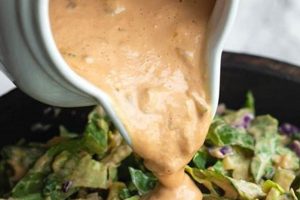
The dipping sauce serves as a crucial component in the experience of vegan spring rolls, functioning as a key element that significantly enhances and complements the flavor profile of the dish. The inherently fresh and light nature of the rolls often necessitates a sauce that provides additional depth, complexity, and contrast. The absence of a well-chosen dipping sauce can result in a bland or incomplete sensory experience. For instance, a simple combination of vegetables and noodles, while refreshing, may lack the richness or tang that a peanut sauce or sweet chili sauce provides. The sauce acts as a binding agent, unifying the diverse flavors and textures within the roll and elevating the overall gustatory impact. The cause-and-effect relationship is direct: the presence of a thoughtfully selected sauce results in a more satisfying and memorable culinary encounter.
Various dipping sauces can be paired with vegan spring rolls, each offering a unique flavor profile. Peanut sauce, typically composed of ground peanuts, soy sauce, rice vinegar, and sweeteners, provides a creamy and savory element that complements the fresh vegetables. Sweet chili sauce, characterized by its blend of sweetness, spiciness, and acidity, offers a contrasting flavor that cuts through the lightness of the rolls. Other options include hoisin sauce, a fermented soybean paste with a sweet and salty flavor, and various vinaigrettes, which provide a lighter and more acidic complement. The selection of the appropriate dipping sauce depends on the ingredients within the roll and the desired flavor outcome. For example, spring rolls containing primarily leafy greens and herbs may benefit from a richer peanut sauce, while rolls with a greater emphasis on noodles may pair well with a lighter vinaigrette. Failure to consider these nuances can result in a dish that is either overwhelmingly flavorful or lacking in necessary dimensions.
In summary, the dipping sauce is not merely an optional accompaniment to vegan spring rolls but an integral part of the dish that significantly influences its overall success. Its selection requires careful consideration of the roll’s ingredients, the desired flavor profile, and the balance of sweet, savory, acidic, and spicy elements. Understanding the importance of this component and its interplay with the other ingredients is essential for creating a well-rounded and satisfying culinary experience. Challenges may arise in adapting sauce recipes to accommodate dietary restrictions or allergies, but a thoughtful approach to ingredient substitution can overcome these obstacles. The dipping sauce therefore represents a critical element in the broader context of vegan cuisine, highlighting the importance of flavor balancing and complementary pairings.
6. Presentation
Presentation constitutes a significant factor in the overall appeal of vegan spring rolls. Visual aesthetics influence the initial perception and can significantly impact the willingness to consume and the overall enjoyment of the dish. A thoughtfully presented spring roll conveys a sense of care, quality, and attention to detail, enhancing the dining experience beyond mere sustenance.
- Color Composition
The strategic arrangement of colorful ingredients within the translucent rice paper enhances visual appeal. Vivid shades of green from herbs, orange from carrots, and white from noodles create an attractive and appetizing appearance. For example, layering ingredients to maximize color visibility through the wrapper showcases the freshness and variety of the components. The interplay of colors can evoke perceptions of health, vitality, and culinary artistry. Conversely, a monochromatic or poorly arranged roll may appear less appealing, even if the flavors are satisfactory. Implications extend to restaurant settings, where visually appealing presentations can command higher prices and increase customer satisfaction.
- Neatness and Symmetry
The precision and uniformity in the rolling process contribute to a polished and professional presentation. Evenly sized and tightly rolled spring rolls, free from tears or imperfections, demonstrate culinary skill and attention to detail. Symmetrical arrangement of ingredients within the roll further enhances the visual balance. For instance, ensuring that each roll contains a similar amount of each component and that the ingredients are aligned in a parallel fashion creates a sense of order and precision. A carelessly assembled roll, with ingredients protruding or unevenly distributed, projects an image of carelessness and can detract from the perceived quality of the dish.
- Garnish and Accompaniments
Thoughtful garnish and accompanying elements elevate the presentation beyond the spring roll itself. Sprigs of fresh herbs, edible flowers, or a drizzle of sauce can add visual interest and sophistication. The selection of a visually appealing dipping sauce dish and the careful placement of the rolls on a serving platter further enhance the overall presentation. For example, arranging the spring rolls in a circular pattern on a white plate with a small ramekin of peanut sauce in the center creates a balanced and elegant visual. Conversely, serving the rolls haphazardly on a plain plate with a generic dipping sauce diminishes the potential for visual appeal. Garnish choices that complement the flavor profile also contribute to a cohesive sensory experience.
- Serving Style and Portioning
The manner in which vegan spring rolls are served and portioned influences the perceived value and suitability for different occasions. Presenting the rolls whole or artfully sliced on a platter can create a visually appealing appetizer or light meal. Portioning the rolls into smaller, bite-sized pieces may be more appropriate for catering events or casual gatherings. For example, arranging a selection of whole spring rolls on a tiered serving platter with various dipping sauces creates an impressive visual for a formal event. Serving a single, uncut roll on a small plate may be suitable for a quick lunch. Consideration of the audience and the context of the meal should inform the serving style and portioning decisions.
In conclusion, the effective presentation of vegan spring rolls is a multifaceted endeavor that encompasses color composition, neatness, garnish, and serving style. These elements contribute to an enhanced sensory experience, influencing the perception of quality, and ultimately increasing enjoyment. Whether served in a restaurant, at a catered event, or in a home setting, a deliberate and thoughtful approach to presentation can elevate the dish from a simple snack to a visually appealing and memorable culinary experience.
Frequently Asked Questions
The following section addresses common inquiries and misconceptions regarding the preparation, ingredients, and nutritional aspects of vegan spring rolls. These responses aim to provide clarity and enhance understanding of this culinary item.
Question 1: Are all spring rolls inherently vegan?
No, traditional spring rolls often contain non-vegan ingredients such as shrimp, pork, or fish sauce. Vegan spring rolls specifically exclude all animal-derived products, relying solely on plant-based components.
Question 2: What is the primary ingredient used for the wrapper in vegan spring rolls?
The wrapper is typically made from rice paper, a thin, translucent sheet derived from rice flour. This ingredient is naturally vegan and gluten-free.
Question 3: Can vegan spring rolls be prepared in advance?
While preparation in advance is possible, it is recommended to consume them shortly after assembly. Prolonged storage can result in the wrapper becoming soggy and the ingredients losing their freshness.
Question 4: What are some common vegan fillings used in spring rolls?
Common fillings include julienned carrots, cucumbers, bell peppers, lettuce, rice noodles, and various fresh herbs such as mint, cilantro, and basil. Tofu or tempeh may also be added as a protein source.
Question 5: Are vegan spring rolls a nutritionally complete meal?
Vegan spring rolls are generally low in calories and fat, and a good source of vitamins and minerals from the fresh vegetables. However, they may lack sufficient protein and healthy fats, especially if consumed without a nutritious dipping sauce. Consider them as part of a balanced diet rather than a complete meal replacement.
Question 6: What are suitable dipping sauces for vegan spring rolls?
Appropriate dipping sauces include peanut sauce (ensure it is vegan, without honey or fish sauce), sweet chili sauce, hoisin sauce (check ingredients for non-vegan additives), and various soy sauce-based dipping sauces with lime juice and chili.
In summary, understanding the nuances of vegan spring roll preparation and ingredient selection is crucial for maximizing their nutritional benefits and ensuring a satisfying culinary experience. Consideration of these factors contributes to a more informed approach to incorporating this dish into a vegan diet.
The following section will provide resources and further reading for those seeking additional information on vegan cuisine and related topics.
Conclusion
The preceding exploration has detailed various aspects of preparing and appreciating vegan spring rolls. Key elements discussed include the importance of fresh ingredients, balanced flavors, structural integrity of the wrapper, and appropriate dipping sauce pairings. Furthermore, presentation techniques and common misconceptions have been addressed, offering a comprehensive understanding of this dish.
Mastery of vegan spring roll preparation extends beyond mere culinary skill; it represents a commitment to healthful eating and innovative plant-based cuisine. Continued exploration and refinement of these techniques will undoubtedly lead to further advancements and appreciation of this versatile dish.