The preparation of plant-based accompaniments for the traditional autumn harvest meal presents a culinary challenge and opportunity. This approach involves crafting dishes free from animal products, ensuring inclusivity for individuals adhering to dietary restrictions or ethical convictions. Examples include roasted root vegetables with herbs, cranberry sauce sweetened with maple syrup, and mashed potatoes prepared with plant-based milk and butter alternatives.
Offering entirely plant-based options at this celebratory meal allows hosts to accommodate diverse dietary needs and promotes mindful eating practices. The availability of these dishes also reflects evolving cultural norms and heightened awareness of sustainable food choices. Historically, traditional Thanksgiving menus have been heavily meat-centric, but incorporating plant-based dishes addresses contemporary concerns about animal welfare and environmental impact.
The following sections will delve into specific recipe ideas, ingredient substitutions, and preparation techniques for creating a satisfying and flavorful selection of plant-based dishes suitable for this festive occasion. Focus will be placed on maximizing flavor profiles and ensuring textural appeal, demonstrating that a fulfilling menu can be achieved without animal-derived products.
Tips for Flavorful Plant-Based Accompaniments
Achieving optimal flavor and texture in plant-based side dishes requires careful consideration of ingredients and cooking techniques. The following tips provide guidance for elevating the quality of these meal components.
Tip 1: Emphasize Seasonal Produce: Utilizing fruits and vegetables at their peak ripeness significantly enhances flavor. Select locally sourced ingredients whenever possible to ensure freshness and reduce environmental impact. Examples include butternut squash in autumn and fresh herbs from a local garden.
Tip 2: Master the Art of Roasting: Roasting vegetables at high temperatures (around 400F/200C) caramelizes their natural sugars, resulting in enhanced sweetness and depth of flavor. Toss vegetables with olive oil, salt, pepper, and herbs before roasting for optimal results. Root vegetables like carrots, parsnips, and potatoes benefit greatly from this technique.
Tip 3: Incorporate Umami-Rich Ingredients: Umami, the fifth taste, adds savory depth to dishes. Ingredients like mushrooms, nutritional yeast, sun-dried tomatoes, and soy sauce (tamari for gluten-free) contribute umami to plant-based recipes. Adding a small amount of miso paste can also subtly enhance the overall flavor profile.
Tip 4: Utilize Plant-Based Fats Judiciously: Fats contribute richness and mouthfeel to dishes. Olive oil, coconut oil, avocado oil, and plant-based butter alternatives can be used strategically. Be mindful of the distinct flavor profiles of each fat and select one that complements the other ingredients in the dish.
Tip 5: Balance Flavors and Textures: A successful dish incorporates a balance of sweet, savory, acidic, and bitter flavors, as well as a variety of textures. Consider adding a squeeze of lemon juice or a sprinkle of vinegar for acidity. Include crunchy elements like toasted nuts or seeds for textural contrast.
Tip 6: Experiment with Herbs and Spices: Fresh and dried herbs and spices can transform simple vegetable dishes into culinary masterpieces. Experiment with combinations like thyme and rosemary for roasted vegetables, or cinnamon and nutmeg for sweet potato dishes. Fresh herbs should be added towards the end of cooking to preserve their aroma.
Elevating the quality of plant-based dishes involves strategic ingredient selection, mindful cooking techniques, and a balanced approach to flavor. By implementing these guidelines, one can create dishes that are both nutritious and satisfying.
The subsequent sections will explore specific recipes that exemplify these principles, providing detailed instructions for creating memorable meals.
1. Flavorful ingredient selection

The creation of satisfying plant-based Thanksgiving side dishes relies heavily on astute ingredient selection. Without the inclusion of animal products, the responsibility for delivering compelling flavor rests entirely on the quality and combination of plant-based components. The absence of rich, animal-derived fats and proteins necessitates a strategic approach to flavor development, demanding the incorporation of elements that contribute depth, complexity, and overall palatability. The omission of flavorful ingredients will result in a less than satisfactory dish, particularly when contrasted with traditional Thanksgiving fare.
Examples of impactful ingredient choices include the strategic use of herbs and spices, like sage, thyme, rosemary, and smoked paprika, which can mimic or complement savory notes often associated with meat-based dishes. Umami-rich components, such as mushrooms (especially dried varieties rehydrated for broth and texture), nutritional yeast, and roasted vegetables, provide depth. Acidic elements, such as lemon juice, vinegar, or cranberry sauce, offer brightness and balance. Furthermore, proper seasoning with salt and pepper is critical to accentuate natural flavors. The selection of high-quality, seasonal produce further enhances the overall flavor profile, as ripe fruits and vegetables possess a more intense and nuanced taste.
Ultimately, meticulous ingredient selection is paramount to the success of any plant-based Thanksgiving side dish. By carefully curating a collection of flavorful components and thoughtfully combining them, it becomes possible to create dishes that are not only delicious but also capable of standing alongside traditional Thanksgiving offerings. Understanding this connection is crucial for anyone seeking to create inclusive and satisfying meal options that appeal to a broad range of palates, irrespective of dietary preferences.
2. Texture variation importance

The success of a plant-based Thanksgiving meal is significantly influenced by the incorporation of varied textures. The absence of animal products, often associated with specific textures, necessitates deliberate planning to create a balanced and appealing dining experience. A lack of textural diversity can result in a meal perceived as monotonous or unfulfilling.
- Crisp and Crunchy Elements
Incorporating components that offer resistance to the bite provides sensory contrast. Examples include toasted nuts or seeds sprinkled on top of dishes, roasted Brussels sprouts with a slightly charred exterior, or a crisp breadcrumb topping. These elements counteract the potential for overly soft or pureed textures that can dominate plant-based meals. Their inclusion can significantly enhance the overall enjoyment of the meal.
- Soft and Creamy Components
Creating a smooth and velvety texture is essential for balancing the crunchier elements. Mashed potatoes made with plant-based milk alternatives, creamy cashew-based sauces, or smooth squash soups exemplify this. The contrast between these textures and the crisper elements creates a more dynamic and satisfying culinary experience, preventing textural fatigue.
- Chewy Textures
Certain ingredients, like wild rice, lentils, or roasted mushrooms, offer a pleasing chewiness that adds complexity to the meal. These components can be incorporated into stuffing, salads, or served as standalone side dishes. The inclusion of chewy elements contributes to a more diverse textural profile, further enhancing the overall sensory experience.
- Firm and Hearty Textures
Roasted root vegetables, such as carrots, parsnips, and sweet potatoes, retain a firm texture when cooked properly. This firmness provides a substantial element that contrasts with softer components. These vegetables offer a satisfying bite and contribute to the perceived heartiness of the meal. They are essential for creating a well-rounded and texturally diverse plant-based Thanksgiving spread.
The strategic integration of diverse textures is paramount when crafting plant-based Thanksgiving side dishes. The interplay of crisp, soft, chewy, and firm elements prevents textural monotony and elevates the dining experience. These textural variations contribute to a more satisfying and complete meal, enhancing both the perceived and actual quality of the dishes served.
3. Nutritional completeness focus
Achieving nutritional completeness within plant-based Thanksgiving side dishes is a critical consideration, driven by the inherent limitations of omitting animal products. The traditional Thanksgiving meal, often rich in protein and certain micronutrients derived from meat, requires careful supplementation when transitioned to a plant-based format. Failure to address potential nutritional gaps can result in a meal that, while palatable, lacks the necessary components for optimal health. This is especially crucial given the often substantial portion sizes consumed during such celebratory meals.
The incorporation of diverse plant-based ingredients directly impacts the nutritional profile of each side dish. For example, substituting traditional dairy-based mashed potatoes with a version utilizing plant-based milk fortified with calcium and vitamin D ensures comparable micronutrient levels. Adding legumes or nuts to stuffing introduces protein and iron. Greens, such as kale or spinach, contribute vitamins A and C, as well as fiber. Furthermore, the strategic use of ingredients like nutritional yeast provides B vitamins, often lacking in vegan diets. A practical application includes a sweet potato casserole enhanced with walnuts and flax seeds to increase omega-3 fatty acid content, compensating for the absence of animal-derived fats. These modifications transform inherently carbohydrate-heavy side dishes into more nutritionally balanced components.
Ensuring nutritional completeness in plant-based Thanksgiving sides necessitates a conscious and informed approach to ingredient selection and recipe modification. Prioritizing nutrient-dense foods, diversifying ingredient sources, and strategically addressing potential deficiencies are paramount. This focus is not merely a matter of culinary preference but a fundamental aspect of promoting health and well-being within the context of a holiday meal. The challenge lies in seamlessly integrating these nutritional considerations without compromising the flavor, texture, and overall appeal of the traditional Thanksgiving experience. Success is defined by creating dishes that are both enjoyable and nutritionally sound, catering to the diverse needs of all participants.
4. Dietary needs accommodation

Addressing diverse dietary requirements is paramount in contemporary Thanksgiving meal planning. Plant-based options, specifically, contribute significantly to inclusivity, accommodating individuals with various restrictions or preferences without sacrificing the spirit of the celebration. The provision of plant-based side dishes ensures that all guests can partake in a shared culinary experience.
- Allergies and Intolerances
Beyond veganism, many individuals experience allergies or intolerances to common Thanksgiving ingredients, such as gluten, dairy, or nuts. Plant-based dishes frequently exclude these allergens by default or allow for easy substitutions. For example, a dairy-free mashed potato recipe utilizing oat milk avoids lactose, while a gluten-free stuffing recipe replaces traditional bread with gluten-free alternatives. Adapting recipes accommodates multiple restrictions simultaneously, expanding the meal’s accessibility.
- Religious and Ethical Considerations
Certain religious practices prohibit the consumption of specific animal products. Ethical veganism extends beyond dietary restrictions to encompass a philosophy that opposes all forms of animal exploitation. Providing plant-based dishes respects these beliefs, allowing individuals to participate in the Thanksgiving celebration without compromising their principles. The availability of plant-based options signals awareness and sensitivity towards diverse ethical viewpoints.
- Health-Related Dietary Restrictions
Individuals managing conditions such as diabetes, heart disease, or high cholesterol often benefit from plant-based diets, which tend to be lower in saturated fat and cholesterol while higher in fiber and nutrients. Plant-based Thanksgiving side dishes can be specifically tailored to meet these needs by focusing on whole, unprocessed ingredients and limiting added sugars and unhealthy fats. This allows guests with health concerns to enjoy the meal without jeopardizing their well-being.
- Personal Preferences and Taste
While some individuals may adhere to specific dietary restrictions, others may simply prefer plant-based foods for personal reasons or taste preferences. Offering diverse options caters to a broader range of palates and preferences, enhancing the overall dining experience for all guests. Presenting plant-based dishes alongside traditional options demonstrates flexibility and attentiveness to individual tastes.
The integration of plant-based side dishes into the Thanksgiving menu directly addresses a wide spectrum of dietary needs, ethical considerations, and personal preferences. This commitment to accommodation fosters an inclusive and welcoming environment for all participants, ensuring that the celebration remains a positive and enjoyable experience for everyone involved.
5. Visual appeal consideration
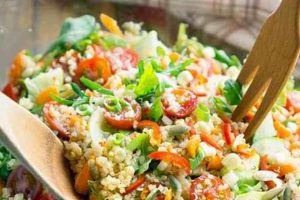
The aesthetic presentation of plant-based Thanksgiving side dishes significantly impacts their reception and perceived palatability. Visual appeal is not merely superficial; it serves as the initial point of engagement, influencing the diner’s expectations and willingness to sample the offering. A visually unappealing dish, irrespective of its flavor or nutritional value, may be overlooked, particularly when presented alongside more familiar and visually established traditional Thanksgiving fare. This effect is amplified in the context of plant-based cuisine, where preconceptions about flavor and texture may already exist. For instance, a vibrant medley of roasted root vegetables, showcasing varied colors and textures, is demonstrably more inviting than a monochromatic, seemingly bland preparation of the same ingredients. The arrangement of components, the use of garnishes, and the overall color palette contribute to the dish’s visual desirability, affecting initial impressions profoundly.
The strategic use of color is a crucial element in enhancing the visual appeal of plant-based dishes. Incorporating a range of hues, from the deep reds of roasted beets to the vibrant greens of fresh herbs, creates visual interest and suggests freshness and vitality. Textural variations also play a significant role. A creamy mashed potato dish can be elevated by a sprinkle of toasted pecans or a drizzle of vibrant green pesto, adding both visual contrast and textural intrigue. Furthermore, plating techniques influence perception. Serving dishes in aesthetically pleasing arrangements, using appropriate serving vessels, and incorporating thoughtful garnishes elevates the overall presentation. Real-world examples abound: consider the visual transformation of a simple cranberry sauce through the addition of orange zest and fresh mint, or the enhanced appeal of a roasted butternut squash soup when served in a hollowed-out squash with a swirl of coconut cream.
In summary, visual appeal is an indispensable component of successful plant-based Thanksgiving side dishes. Its influence extends beyond mere aesthetics, directly impacting the diner’s willingness to engage with and appreciate the offering. By prioritizing color, texture, and plating techniques, the visual presentation of plant-based dishes can be elevated, ensuring they receive the attention and appreciation they deserve within the context of a traditional Thanksgiving meal. Overcoming the challenge of potential biases through carefully considered presentation promotes inclusivity and enhances the overall dining experience for all participants.
6. Traditional adaptations success

The effective translation of conventional Thanksgiving recipes into plant-based formats is critical for the broader acceptance and integration of vegan side dishes. The successful replication of familiar flavors and textures through plant-derived ingredients reduces the perceived risk associated with trying new or unfamiliar cuisine, thereby encouraging wider participation and satisfaction. This adaptation process addresses potential resistance arising from a reliance on traditional methods and ingredients.
- Ingredient Substitution Mastery
The cornerstone of successful adaptation lies in identifying and implementing appropriate ingredient substitutions. This process requires a deep understanding of the functional properties of traditional ingredients and the ability to replicate those properties using plant-based alternatives. For example, replacing butter with plant-based butter alternatives requires careful consideration of fat content and flavor profile. Similarly, substituting eggs in a stuffing recipe may necessitate a combination of flaxseed meal and vegetable broth to provide binding and moisture. Successful ingredient substitutions maintain the intended flavor and texture of the original dish, minimizing deviations from the expected experience.
- Flavor Profile Preservation
Maintaining the integrity of the original flavor profile is paramount. Many traditional Thanksgiving dishes rely on specific spices, herbs, and cooking techniques to achieve their characteristic taste. Successful adaptations meticulously replicate these elements using plant-based ingredients. For instance, a plant-based gravy can mimic the richness of a meat-based gravy through the strategic use of umami-rich ingredients like mushrooms and soy sauce, combined with the same herbs and spices. This meticulous attention to flavor ensures that the adapted dish remains recognizable and satisfying.
- Textural Replication
Texture is a critical component of the dining experience. The successful adaptation of traditional Thanksgiving dishes involves replicating the textures associated with those dishes using plant-based ingredients. This may require employing specific cooking techniques or combining multiple ingredients to achieve the desired effect. For example, replicating the crumbly texture of a traditional stuffing may require using stale bread or incorporating toasted nuts. Similarly, achieving the creamy texture of mashed potatoes may necessitate using plant-based milk and butter alternatives in specific proportions. Textural fidelity is essential for creating a satisfying and recognizable plant-based alternative.
- Addressing Nostalgia and Familiarity
Many Thanksgiving dishes are deeply intertwined with personal memories and familial traditions. Successful adaptations acknowledge and respect this element of nostalgia. By replicating the core flavors and textures of familiar dishes, plant-based alternatives can evoke positive emotions and create a sense of continuity. This approach reduces resistance to change and encourages acceptance of plant-based options within the context of a traditional celebration. Successfully appealing to nostalgia requires a delicate balance between innovation and preservation.
The success of traditional adaptations is measured by their ability to bridge the gap between conventional Thanksgiving cuisine and plant-based alternatives. By mastering ingredient substitution, preserving flavor profiles, replicating textures, and addressing nostalgia, vegan side dishes can seamlessly integrate into the Thanksgiving meal, offering a satisfying and inclusive experience for all participants. These considerations are integral to the mainstream acceptance and celebration of plant-based cuisine within the context of a traditional holiday.
Frequently Asked Questions
The following addresses common queries regarding the preparation and consumption of plant-based accompaniments for the Thanksgiving meal.
Question 1: Is it possible to replicate traditional Thanksgiving side dish flavors without using animal products?
Achieving similar flavor profiles requires strategic substitution. Umami-rich ingredients, such as mushrooms and nutritional yeast, can mimic savory notes. Careful selection and blending of herbs and spices further enhances flavor depth. While an exact replication may be unattainable, comparable and satisfying results are achievable.
Question 2: How does one ensure adequate protein intake when omitting traditional meat-based Thanksgiving dishes?
Plant-based sources of protein can be integrated into various side dishes. Legumes (lentils, beans), nuts, seeds, and quinoa offer substantial protein content and can be incorporated into stuffing, salads, or served as standalone sides. A balanced combination of these ingredients contributes to a complete amino acid profile.
Question 3: Can plant-based fats adequately replace butter and other animal fats in Thanksgiving recipes?
Plant-based fats, such as olive oil, coconut oil, and vegan butter alternatives, can serve as effective substitutes. The selection of fat should complement the intended flavor profile. However, it is imperative to be mindful of the differing fat content and adjust quantities accordingly to achieve desired textures and consistencies.
Question 4: Are there common pitfalls to avoid when preparing plant-based Thanksgiving side dishes?
Common errors include insufficient seasoning, reliance on overly processed ingredients, and a lack of textural diversity. Failure to adequately season plant-based dishes can result in bland flavors. Prioritizing whole, unprocessed ingredients contributes to both flavor and nutritional value. Inadequate attention to texture can lead to a monotonous dining experience.
Question 5: What are some readily available vegan substitutes for common Thanksgiving ingredients?
Several readily available substitutes exist: Plant-based milk (almond, soy, oat) replaces dairy milk. Vegan butter alternatives replicate the functionality of butter. Tofu or tempeh can substitute for meat in stuffings. Vegetable broth replaces chicken or turkey broth. Nutritional yeast imparts a cheese-like flavor to sauces and gravies.
Question 6: How can the visual appeal of plant-based Thanksgiving side dishes be enhanced?
Strategic use of color, texture, and plating techniques significantly impacts visual appeal. Incorporating vibrant fruits and vegetables, adding crunchy toppings, and employing creative arrangements elevates the presentation. Garnishing with fresh herbs or a drizzle of plant-based cream enhances the overall aesthetic.
In summary, the preparation of successful plant-based Thanksgiving side dishes necessitates attention to flavor, nutrition, texture, and visual presentation. Thoughtful ingredient selection and skillful execution are crucial for a satisfying and inclusive dining experience.
The following section will provide specific recipes for creating exceptional plant-based Thanksgiving side dishes.
Conclusion
The exploration of vegan thanksgiving sides reveals a nuanced approach to holiday cuisine. Successful implementation requires a deliberate emphasis on flavor development, nutritional completeness, textural variation, dietary accommodation, visual appeal, and skillful adaptation of traditional recipes. The absence of animal products necessitates strategic ingredient substitutions and meticulous attention to culinary technique.
The ongoing evolution of dietary preferences and ethical considerations underscores the increasing relevance of plant-based options. Thoughtful planning and execution in the preparation of vegan thanksgiving sides can foster a more inclusive and sustainable celebration, reflecting a commitment to both culinary excellence and mindful consumption.