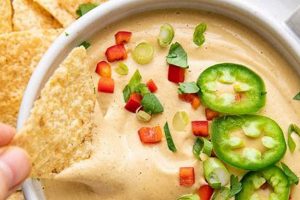
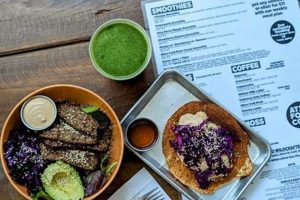
This culinary preparation represents a plant-based adaptation of a traditional Asian rice porridge. It distinguishes itself through the absence of animal products, relying instead on vegetable broths, plant-based milks, and a variety of toppings derived from the plant kingdom. A well-executed version offers a creamy texture, savory or sweet flavor profile, and often includes ingredients like mushrooms, tofu, and seasonal vegetables.
The dish addresses a growing demand for plant-based dietary options. Its nutritional value, characterized by easily digestible carbohydrates and potential for incorporating nutrient-rich vegetables, offers a comforting and wholesome meal. Historically, rice porridges have served as staple foods in numerous cultures, valued for their simplicity and adaptability to available ingredients, making them suitable for diverse populations, including those with dietary restrictions.
The subsequent sections will explore criteria for judging the quality of such a plant-based dish, highlight notable establishments and recipes known for excellence in this area, and discuss the techniques involved in achieving superior taste and texture within a vegan framework.
Preparation Guidance
Achieving excellence in a plant-based rice porridge requires careful consideration of ingredients and techniques. The following tips provide guidance for producing a dish that is both flavorful and texturally satisfying.
Tip 1: Rice Selection: Opt for short-grain rice varieties, such as glutinous or jasmine rice. These types contribute to a creamier consistency during the cooking process due to their higher starch content.
Tip 2: Broth Foundation: Employ a high-quality vegetable broth. Homemade broths, simmered with a variety of vegetables and aromatics, yield the most complex and nuanced flavor. Alternatively, select commercially prepared broths with low sodium content and minimal artificial additives.
Tip 3: Controlled Simmering: Maintain a low and consistent simmer throughout the cooking process. This allows the rice grains to gradually break down and release their starch, resulting in a smoother texture. Occasional stirring prevents the rice from sticking to the bottom of the pot.
Tip 4: Incorporation of Umami: Enhance the savory profile with umami-rich ingredients. Dried shiitake mushrooms, rehydrated and chopped, or a small amount of kombu seaweed added during the cooking process, can deepen the overall flavor complexity.
Tip 5: Textural Contrast: Introduce textural elements through thoughtful toppings. Crispy fried shallots, toasted sesame seeds, or finely diced vegetables provide a counterpoint to the soft, creamy base.
Tip 6: Plant-Based Protein: Integrate a source of plant-based protein. Cubes of firm or silken tofu, sauted and seasoned, or cooked lentils offer both nutritional value and textural interest.
Tip 7: Strategic Seasoning: Season judiciously throughout the cooking process. A dash of soy sauce or tamari, a squeeze of lime or lemon juice, or a pinch of chili flakes can elevate the final flavor profile. Taste and adjust seasonings as needed.
The application of these strategies will increase the likelihood of producing a plant-based rice porridge that is both delicious and satisfying, appealing to a wide range of palates.
The subsequent section will address specific recipe variations and culinary techniques related to the preparation of this dish.
1. Creamy Texture

The textural component significantly influences the perceived quality of plant-based rice porridge. A smooth, creamy consistency is often considered a hallmark of excellence, differentiating it from coarser or more watery preparations. The achievement of this texture requires specific techniques and ingredient selection.
- Rice Variety and Starch Release
The type of rice employed directly impacts the potential for creaminess. Short-grain varieties, such as glutinous or jasmine rice, possess a higher starch content compared to long-grain alternatives. During simmering, the starch granules absorb water, swell, and eventually release into the cooking liquid. This process thickens the porridge, contributing to the desired creamy texture. Insufficient starch release results in a thinner, less desirable consistency.
- Cooking Time and Temperature Control
Extended cooking at a low, consistent temperature is crucial. This prolonged simmering allows for maximum starch extraction from the rice grains. High heat can cause the rice to scorch and stick to the bottom of the pot, hindering the development of a smooth texture. Intermittent stirring is necessary to prevent sticking while ensuring even heat distribution. Optimal cooking time varies depending on the rice variety and desired consistency, but typically ranges from one to two hours.
- Liquid-to-Rice Ratio
The proportion of liquid to rice significantly influences the final texture. An insufficient amount of liquid will result in a dry, pasty porridge. Conversely, excessive liquid will produce a watery, thin consistency. A typical starting ratio is approximately 6:1 (liquid to rice, by volume), with adjustments made as needed during the cooking process. The type of liquid used (water, vegetable broth, plant-based milk) can also affect the perceived creaminess.
- Emulsification and Fat Content
While traditionally achieved through bone marrow or other animal fats, a plant-based version relies on alternative methods to enhance smoothness and richness. The addition of a small amount of plant-based milk, such as coconut or cashew milk, during the final stages of cooking can contribute to a more luxurious texture. Blending a portion of the cooked porridge before serving can also further emulsify the mixture, creating a silkier mouthfeel. The strategic use of healthy fats from sources like avocado or nuts can further improve the perceived creaminess.
The successful creation of a creamy texture in a plant-based rice porridge depends on a combination of rice selection, controlled cooking parameters, and strategic use of liquids and fats. Achieving this textural element is integral to elevating the overall quality and sensory experience of this dish.
2. Savory Flavor

The presence of a well-developed savory flavor is paramount in distinguishing a plant-based rice porridge of high quality. This characteristic is not merely an absence of sweetness, but rather a complex interplay of tastes and aromas that contribute to a satisfying culinary experience. Achieving a compelling savory profile requires a deliberate approach to ingredient selection and preparation techniques.
- Vegetable Broth Foundation
The base broth fundamentally shapes the savory landscape. A robust vegetable broth, simmered for an extended duration with a variety of vegetables, herbs, and spices, provides a deep and multifaceted flavor foundation. Pre-packaged broths may lack the complexity and depth of a homemade preparation, necessitating supplementation with additional flavor enhancers. Components like roasted vegetables, mushrooms, and aromatic herbs can significantly elevate the broths savory character.
- Umami Enhancement
Umami, often described as a “savory” or “meaty” taste, plays a crucial role in imparting richness and depth. Plant-based ingredients rich in glutamates, such as dried shiitake mushrooms, kombu seaweed, and nutritional yeast, can amplify the savory profile. Incorporating these elements strategically during the cooking process allows their flavors to infuse the entire dish. For example, simmering dried mushrooms with the rice contributes a subtle yet noticeable umami undertone.
- Aromatic Integration
Aromatic vegetables and spices introduce layers of complexity and nuance. Ingredients like garlic, ginger, scallions, and white pepper contribute distinct aromatic notes that complement the underlying savory foundation. Sauting these aromatics in oil before adding them to the porridge releases their volatile compounds, maximizing their flavor impact. The strategic use of spices, such as star anise or cloves, can further enhance the aromatic profile, although these should be used sparingly to avoid overpowering the other flavors.
- Seasoning Precision
Precise seasoning is essential for balancing and intensifying the savory elements. Soy sauce or tamari provides saltiness and additional umami notes. A small amount of rice vinegar or lemon juice adds acidity, which brightens the flavors and prevents the dish from becoming monotonous. The judicious use of chili flakes or a dash of hot sauce introduces a subtle heat that further enhances the overall savoriness. Careful tasting and adjustment of seasonings throughout the cooking process are crucial for achieving a harmonious flavor balance.
The successful execution of a savory flavor profile in a plant-based rice porridge hinges on the quality of the broth, the strategic incorporation of umami-rich ingredients, the integration of aromatics, and precise seasoning. When these elements are carefully considered and implemented, the resulting dish can be both deeply satisfying and remarkably flavorful, representing a refined interpretation of this traditional dish.
3. Aromatic Broth

The aromatic broth constitutes a foundational element of a high-quality plant-based rice porridge. It serves as more than mere liquid; it is a vehicle for flavor infusion, contributing significantly to the overall sensory experience of the dish. The character of the broth directly influences the complexity and depth of the finished product.
- Vegetable Base Composition
The selection and preparation of vegetables used to create the broth is critical. Ingredients such as onions, carrots, celery, and mushrooms contribute distinct flavor profiles. Roasting the vegetables before simmering enhances their sweetness and umami, adding depth to the broth. A balanced combination of these elements ensures a complex and nuanced flavor. For example, a broth primarily based on celery may lack richness, while one dominated by mushrooms might be overly intense. The careful blending of different vegetables creates a more harmonious aromatic foundation.
- Herb and Spice Infusion
Herbs and spices introduce layers of aromatic complexity. Fresh herbs like thyme, bay leaf, and parsley impart subtle, fragrant notes. Spices such as star anise, cloves, or white peppercorns contribute warmth and depth. The timing of their addition is crucial; delicate herbs are best added towards the end of simmering to preserve their volatile oils, while robust spices can be included earlier to allow their flavors to fully develop. Overuse of spices can mask the underlying vegetable flavors, thus requiring moderation.
- Simmering Duration and Technique
The length and method of simmering significantly impact the broth’s flavor extraction. A low and slow simmer allows the flavors of the vegetables, herbs, and spices to gradually infuse the liquid. High heat can result in a bitter or muddy broth. A typical simmering time ranges from one to two hours, depending on the intensity desired. Skimming off any impurities that rise to the surface during simmering ensures a clearer and more flavorful broth.
- Seasoning and Adjustment
Proper seasoning enhances and balances the aromatic qualities of the broth. A touch of soy sauce or tamari adds umami and saltiness. A squeeze of lemon juice or a splash of rice vinegar brightens the flavors and adds acidity. The broth should be tasted and adjusted throughout the simmering process to achieve a harmonious balance of flavors. Over-salting can mask the subtle aromatic notes, while under-seasoning can result in a bland and uninteresting broth.
The aromatic broth is the cornerstone of a superior plant-based rice porridge. Its nuanced flavors and fragrant aromas elevate the dish beyond a simple porridge, transforming it into a culinary experience. Through careful selection of ingredients, precise simmering techniques, and thoughtful seasoning, one can create a broth that serves as a perfect complement to the rice and other toppings, resulting in a truly exceptional dish.
4. Nutrient Density

Nutrient density, a measure of the concentration of micronutrients and macronutrients within a food relative to its caloric content, is a critical factor in evaluating the quality of any dietary item. When applied to plant-based rice porridge, it distinguishes a nutritionally robust preparation from one that is merely filling. This analysis examines key facets of nutrient density in the context of this dish.
- Vegetable Composition and Micronutrient Provision
The quantity and diversity of vegetables incorporated into the plant-based rice porridge directly influence its micronutrient profile. Leafy greens (spinach, kale) contribute vitamins A, C, and K, along with folate and various minerals. Cruciferous vegetables (broccoli, cauliflower) provide glucosinolates, compounds linked to cancer prevention. Root vegetables (carrots, sweet potatoes) offer beta-carotene and fiber. A well-formulated recipe should include a variety of vegetables to maximize micronutrient intake. A bowl lacking in vegetable matter will be significantly less nutrient-dense.
- Protein Source and Amino Acid Profile
Plant-based protein sources enrich the porridge’s amino acid composition. Tofu, a complete protein, provides all essential amino acids. Legumes (lentils, beans) contribute protein and fiber, although they may require combining with grains to ensure complete protein intake. Nuts and seeds offer protein, healthy fats, and minerals. The inclusion of one or more of these protein sources is essential for a nutritionally balanced meal. Omission of plant-based protein diminishes the dishs capacity to support muscle maintenance and satiety.
- Whole Grain Base and Fiber Content
The choice of rice and the degree of processing influence the fiber content and glycemic index of the dish. Whole grain rice varieties, such as brown rice or wild rice, provide more fiber than refined white rice. Fiber promotes digestive health, regulates blood sugar levels, and contributes to satiety. Substituting a portion of the white rice with a whole grain alternative enhances the nutritional value of the porridge. A preparation relying solely on white rice will offer limited fiber and a less favorable impact on blood sugar.
- Healthy Fat Integration and Macronutrient Balance
The incorporation of healthy fats, such as those found in avocados, nuts, and seeds, contributes to macronutrient balance and improves nutrient absorption. Fats are essential for the absorption of fat-soluble vitamins (A, D, E, K) and provide sustained energy. Adding a small amount of avocado or a sprinkle of nuts and seeds enhances the dish’s overall nutritional profile. A porridge devoid of healthy fats may lead to deficiencies in fat-soluble vitamins and reduced satiety.
Optimizing nutrient density is paramount in crafting a truly superior plant-based rice porridge. The strategic selection of vegetables, protein sources, whole grains, and healthy fats ensures that each serving delivers a wide array of essential nutrients, promoting health and well-being. A carefully constructed, nutrient-dense porridge transcends mere sustenance, becoming a valuable component of a balanced dietary regimen.
5. Digestibility
Digestibility constitutes a significant criterion in assessing the quality of plant-based rice porridge. The relative ease with which the dish is processed by the digestive system directly influences its suitability for various populations, particularly those with compromised digestive function. High digestibility is not merely a desirable attribute but an integral component of a well-formulated preparation.
The inherent characteristics of rice, notably its relatively simple carbohydrate structure, contribute to its inherent digestibility. Extended cooking further breaks down these carbohydrates, rendering them more readily accessible to digestive enzymes. A properly prepared rice porridge, characterized by a smooth, almost liquid consistency, minimizes the burden on the gastrointestinal tract. Conversely, undercooked rice or the inclusion of ingredients that are difficult to digest, such as fibrous vegetables or poorly processed legumes, can impede digestion and potentially induce gastrointestinal distress. For example, individuals experiencing inflammatory bowel disease or irritable bowel syndrome may find that a well-cooked, plant-based rice porridge offers a soothing and easily tolerated meal option, whereas other, more complex dishes, may exacerbate their symptoms. Moreover, the dish is often recommended for individuals recovering from illness, as its gentle nature supports nutrient absorption without placing undue stress on the digestive system.
In summation, the correlation between digestibility and the assessment of plant-based rice porridge as a superior food choice lies in its capacity to provide nourishment without imposing a significant burden on the digestive process. The preparation techniques and ingredient selection directly influence this attribute, making digestibility a key consideration for consumers and practitioners alike. Achieving optimal digestibility expands the applicability of the dish, making it a suitable option for a wider range of individuals, including those with specific dietary needs or digestive sensitivities. Furthermore, a digestible meal ensures better nutrient absorption, maximizing the potential health benefits. The interplay between preparation methods and ingredient choices directly influences its overall health value, emphasizing the necessity of prioritizing digestibility as a hallmark of excellence.
6. Ingredient Quality

The relationship between ingredient quality and an exceptional plant-based rice porridge is causative. Superior inputs inherently lead to a superior output, and vice versa. The selection of fresh, high-quality ingredients directly influences the flavor profile, nutritional density, and overall palatability of the dish. Degraded or subpar ingredients, conversely, invariably result in a compromised final product. The use of stale spices, wilted vegetables, or industrially produced broth undermines the potential for culinary excellence. In practice, the difference between a rice porridge made with locally sourced, organic vegetables and one made with mass-produced, commercially available ingredients is often palpable, reflecting the direct impact of input quality on the final dish.
The importance of ingredient quality extends beyond mere taste; it also affects the nutritional value and digestibility of the rice porridge. Fresh, seasonal vegetables retain higher concentrations of vitamins and minerals compared to their processed or out-of-season counterparts. Organic ingredients minimize exposure to pesticides and herbicides, promoting both consumer health and environmental sustainability. Furthermore, the sourcing of ingredients from reputable suppliers or local farmers markets ensures transparency and accountability, allowing for informed decisions regarding ethical production practices. The adoption of these practices ultimately contributes to the holistic quality of the food, aligning with a broader emphasis on sustainable and responsible consumption.
Ultimately, ingredient quality is not merely an optional consideration but a foundational requirement for producing a truly outstanding plant-based rice porridge. While technical skill in cooking and recipe adherence are important, they cannot compensate for deficiencies in the raw materials. Recognizing and prioritizing ingredient quality is essential for culinary professionals and home cooks alike, transforming the preparation of this simple dish into an expression of culinary artistry and commitment to health. Understanding the cause-and-effect relationship between input and output allows for a conscious and informed approach to food preparation, elevating the final product from commonplace to exceptional.
Frequently Asked Questions
The following addresses common inquiries concerning the preparation, nutritional value, and variations of plant-based rice porridge. It is intended to provide clear and concise information to assist in understanding this culinary preparation.
Question 1: Can plant-based rice porridge achieve the same creamy texture as traditional versions?
Plant-based adaptations can indeed replicate the creamy texture of traditional rice porridge through the use of specific rice varieties, controlled simmering techniques, and the strategic incorporation of plant-based milk or blended vegetables.
Question 2: What are the key differences in the nutritional profiles of plant-based versus traditional rice porridge?
Plant-based versions typically exhibit lower levels of saturated fat and cholesterol, while often being richer in fiber and certain vitamins, depending on the vegetables and protein sources used. Traditional versions may contain higher levels of certain micronutrients found in bone broth or animal-derived ingredients.
Question 3: Is plant-based rice porridge suitable for individuals with dietary restrictions beyond veganism?
Plant-based rice porridge can be adapted to accommodate various dietary needs. Gluten-free options are achievable by using tamari instead of soy sauce. Adjustments to sodium content and the inclusion of specific ingredients can make it suitable for individuals with other dietary restrictions.
Question 4: What are some common mistakes to avoid when preparing plant-based rice porridge?
Frequent mistakes include using insufficient liquid, cooking at too high a temperature, neglecting to season adequately, and failing to select appropriate rice varieties. Attention to these details enhances the overall quality.
Question 5: How can the umami flavor be enhanced in a plant-based rice porridge?
Umami flavor can be amplified through the strategic incorporation of ingredients such as dried shiitake mushrooms, kombu seaweed, nutritional yeast, and soy sauce or tamari. These ingredients contribute glutamate, a key component of umami.
Question 6: What are some innovative variations or toppings that can elevate plant-based rice porridge?
Innovative options include incorporating roasted vegetables, toasted nuts and seeds, crispy fried shallots, pickled ginger, and seasoned tofu or tempeh. These additions provide textural contrast and flavor complexity.
In conclusion, plant-based rice porridge offers a versatile and nutritious alternative to traditional versions. Careful attention to ingredient selection and preparation techniques ensures a satisfying and flavorful experience.
The subsequent section will explore specific recipe variations and culinary techniques related to the preparation of this dish.
Culmination
This examination has elucidated the multifaceted attributes of superlative plant-based rice porridge. Key determinants include, but are not limited to, textural smoothness, savory depth, aromatic complexity, nutritional density, digestibility, and the unimpeachable quality of constituent elements. Emphasis on each of these facets is not merely advisory but imperative for achieving a preparation that transcends mediocrity.
The pursuit of elevated plant-based culinary arts necessitates a commitment to understanding and implementing the principles outlined herein. Further exploration and refinement of these techniques will undoubtedly yield ever more compelling and nutritious iterations of this traditional dish, contributing to the expansion and enrichment of plant-based dietary options. The continuing evaluation of, and dedication to, the principles discussed will define the future trajectory of plant-based rice porridge.