A structured dietary approach excluding all animal products and gluten-containing ingredients represents a specialized nutritional strategy. Such a plan centers on plant-based foods naturally devoid of gluten, such as fruits, vegetables, legumes, and certain grains like quinoa and rice. This approach necessitates careful meal construction to ensure nutritional adequacy.
This dietary protocol may be adopted for ethical, environmental, or health reasons, addressing conditions such as celiac disease or gluten sensitivity while adhering to vegan principles. Historically, the combination of these dietary restrictions has gained traction with growing awareness of food intolerances and the increasing popularity of plant-based lifestyles, reflecting a confluence of health and ethical considerations.
The following sections will address the key considerations for successfully implementing this nutritional strategy, including meal ideas, potential nutrient deficiencies, and practical tips for long-term adherence.
Practical Guidance for a Plant-Based, Gluten-Absent Diet
Successfully navigating a nutritional approach that excludes both animal products and gluten requires careful planning and execution. The following tips offer practical guidance for optimizing adherence and nutritional adequacy.
Tip 1: Emphasize Whole, Unprocessed Foods: Center dietary choices around naturally gluten-free, plant-based options such as fruits, vegetables, legumes, and gluten-free grains (e.g., quinoa, brown rice). This maximizes nutrient density and minimizes exposure to potential additives or cross-contamination.
Tip 2: Prioritize Nutrient-Dense Staples: Incorporate foods rich in essential nutrients often lacking in restricted diets. Examples include leafy green vegetables for calcium and iron, legumes for protein and iron, and nuts and seeds for healthy fats and minerals like zinc and magnesium.
Tip 3: Master Label Reading: Scrutinize ingredient lists meticulously, paying particular attention to hidden sources of gluten (e.g., modified food starch, malt flavoring) and potential animal-derived ingredients (e.g., whey, casein). Seek certified gluten-free and vegan labeling when available.
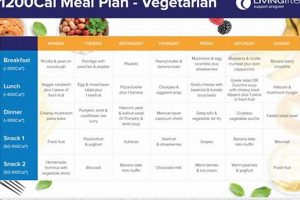
Tip 4: Plan Meals Strategically: Implement a structured meal plan to ensure adequate caloric intake and a balanced macronutrient profile. Pre-planning minimizes impulsive choices that may deviate from dietary guidelines.
Tip 5: Address Potential Nutrient Deficiencies: Supplementation may be necessary to address potential deficiencies in nutrients such as vitamin B12, vitamin D, iron, calcium, and omega-3 fatty acids. Consult with a registered dietitian or healthcare professional for personalized recommendations.
Tip 6: Be Mindful of Cross-Contamination: Implement stringent measures to prevent cross-contamination in the kitchen, utilizing separate utensils, cutting boards, and cooking surfaces for gluten-free and non-gluten-free foods. Similarly, carefully inspect restaurant menus and inquire about preparation methods.
Tip 7: Expand Culinary Repertoire: Explore diverse cuisines and recipes that naturally align with dietary restrictions. This enhances dietary variety and promotes long-term adherence. Online resources and cookbooks dedicated to plant-based, gluten-free cooking can be invaluable.
Adhering to these recommendations fosters a more sustainable and nutritionally complete dietary pattern, supporting overall health and well-being while avoiding gluten and all animal products.
The subsequent section will delve into specific meal ideas and recipe suggestions, providing practical inspiration for implementing this dietary approach.
1. Nutrient Bioavailability

Nutrient bioavailability is a critical factor when implementing a dietary pattern that excludes both animal products and gluten. It directly influences the degree to which essential nutrients are absorbed and utilized by the body, impacting overall health and nutritional status.
- Iron Absorption
Plant-based iron, or non-heme iron, is inherently less bioavailable than heme iron found in animal products. Factors like phytates in grains and legumes can further inhibit iron absorption. Enhancing bioavailability involves consuming iron-rich foods alongside vitamin C-rich sources, such as citrus fruits or bell peppers, which promote iron uptake. Avoiding simultaneous consumption of calcium-rich foods or beverages, which can impede iron absorption, is also advisable.
- Calcium Sources and Absorption
While dairy products are often emphasized for calcium content, plant-based sources like fortified plant milks, tofu (processed with calcium sulfate), and certain leafy greens offer viable alternatives. However, the bioavailability of calcium can vary depending on the specific food. For instance, calcium in spinach is less readily absorbed due to the presence of oxalates. Selecting calcium-rich foods with lower oxalate content, or combining calcium sources with vitamin D to enhance absorption, is crucial.
- Vitamin B12 Considerations
Vitamin B12 is primarily found in animal products, making supplementation a necessity for individuals adhering to a strictly plant-based regimen. While some plant-based foods may be fortified with B12, supplementation ensures adequate intake and prevents deficiency-related complications. Monitoring B12 levels regularly is recommended, particularly for long-term adherence to this dietary pattern.
- Zinc Uptake
Similar to iron, zinc bioavailability from plant-based sources can be lower due to the presence of phytates. Strategies to enhance zinc absorption include soaking or sprouting grains and legumes, which reduces phytate content. Consuming zinc-rich foods alongside sources of organic acids, such as citric acid, may also improve bioavailability. Diversifying dietary sources of zinc, including nuts, seeds, and whole grains, is important.
Optimizing nutrient bioavailability is paramount for individuals following this dietary pattern. Strategic food combinations, appropriate preparation methods, and potential supplementation, guided by professional advice, ensures that nutritional needs are met, supporting long-term health and well-being.
2. Recipe Adaptations

The adaptation of conventional recipes to comply with the constraints of a vegan and gluten-free dietary approach represents a critical skill for ensuring dietary variety and nutritional adequacy. Successful adaptation involves careful consideration of ingredient substitutions and adjustments to cooking techniques.
- Gluten-Free Flour Blends
Replacing wheat flour, the traditional base for many baked goods, necessitates the use of gluten-free flour blends. These blends typically combine multiple flours, such as rice flour, tapioca starch, and potato starch, to mimic the functional properties of gluten. Achieving optimal texture and structure often requires experimentation with different flour ratios and the addition of binding agents like xanthan gum or psyllium husk.
- Egg Replacements
Eggs serve as a binding agent, leavening agent, and source of moisture in numerous recipes. Vegan egg replacements include flaxseed meal mixed with water, aquafaba (the liquid from canned chickpeas), and commercial egg replacers. The choice of replacement depends on the specific recipe and the desired outcome; for instance, aquafaba is particularly effective in meringues and other recipes requiring whipped egg whites.
- Dairy Substitutions
Milk, butter, and cheese, common dairy ingredients, require plant-based alternatives. Plant milks derived from almonds, soy, oats, or coconuts can replace dairy milk in most recipes. Coconut oil or vegan butter substitutes can stand in for butter, while nutritional yeast, cashews, or tofu can be used to create cheese-like sauces and fillings. The flavor profile of the substitution must complement the overall dish.
- Texture and Structure Adjustments
Removing both gluten and animal products can significantly alter the texture and structure of dishes. Adjustments to liquid ratios, cooking times, and temperatures may be necessary to compensate for these changes. For instance, gluten-free breads often require higher hydration levels and longer baking times than their wheat-based counterparts to achieve a desirable crumb and prevent dryness.
The successful implementation of this dietary strategy relies heavily on mastering recipe adaptations. By understanding the functional roles of gluten and animal products in cooking, and by experimenting with appropriate substitutions, individuals can create a diverse and satisfying range of vegan and gluten-free dishes.
3. Cross-Contamination Prevention

Eliminating both animal products and gluten necessitates stringent measures to prevent cross-contamination. Even trace amounts of either can compromise the integrity of the dietary pattern and potentially trigger adverse health consequences, particularly for individuals with celiac disease or severe gluten sensitivities. Careful protocols must be implemented throughout the entire food preparation process.
- Dedicated Utensils and Cookware
Utensils, cutting boards, and cookware used to prepare gluten-containing or animal-derived foods can harbor residues that contaminate subsequent preparations. Maintaining separate, dedicated sets of these items for vegan and gluten-free cooking is essential. Color-coding or labeling systems can aid in preventing accidental mixing. Porous materials like wooden cutting boards are particularly susceptible to contamination and should be avoided or meticulously cleaned and sanitized.
- Surface Sanitation Protocols
Kitchen surfaces, including countertops, stovetops, and sinks, can become contaminated with gluten or animal products during food preparation. Thorough cleaning and sanitization protocols are necessary to eliminate these residues. Using dedicated cleaning supplies and sanitizing solutions specifically designed for food contact surfaces is recommended. Implementing a routine cleaning schedule and immediately addressing spills or splatters minimizes the risk of cross-contamination.
- Ingredient Storage Practices
Improper storage of ingredients can lead to cross-contamination, particularly in pantries and refrigerators. Storing gluten-free and vegan ingredients in sealed containers and on separate shelves prevents accidental contact with gluten-containing or animal-derived products. Clearly labeling all containers and regularly inspecting storage areas for potential spills or leaks further enhances safety. Bulk bins and self-service stations in grocery stores pose a significant risk of cross-contamination and should be approached with caution.
- Restaurant and Food Service Vigilance
Dining outside the home requires careful scrutiny to ensure compliance with dietary restrictions. Inquiring about ingredient sourcing, food preparation methods, and cross-contamination prevention protocols is crucial. Requesting that meals be prepared in a separate area or with dedicated equipment minimizes the risk of exposure. Selecting restaurants with established gluten-free and vegan options and a clear understanding of dietary needs is advisable.
Effective cross-contamination prevention is an indispensable component. Rigorous adherence to these protocols safeguards the health and well-being of individuals and ensures the integrity of the dietary approach.
4. Ingredient Substitution

Ingredient substitution is a cornerstone of a successful vegan, gluten-free dietary approach. The absence of both animal products and gluten necessitates the replacement of traditional ingredients with alternatives that maintain the desired flavor, texture, and nutritional profile of dishes. This process requires a thorough understanding of the functional properties of ingredients and the characteristics of suitable replacements.
- Gluten-Free Flour Replacements
Traditional wheat flour provides structure and elasticity in baked goods, characteristics attributable to gluten. Gluten-free baking relies on blends of flours such as rice flour, tapioca starch, potato starch, and almond flour. These blends often require the addition of binding agents like xanthan gum or psyllium husk to mimic gluten’s binding properties. The specific blend and supplementary agents vary depending on the desired texture and application, ranging from bread to cakes to pastries. For instance, a denser cake might benefit from a blend higher in almond flour, while a light bread may require a blend with more tapioca starch.
- Vegan Egg Alternatives
Eggs function as binding, leavening, and moisturizing agents. Vegan substitutes include flaxseed meal mixed with water, chia seeds mixed with water, aquafaba (chickpea brine), and commercial egg replacers. The choice depends on the recipe’s purpose. Flaxseed and chia seeds provide binding and moisture, suitable for cookies and muffins. Aquafaba excels as a whipping agent for meringues and mousses. Commercial replacers offer a more versatile solution for various baked goods but may require careful consideration of their ingredient composition. A simple substitution might involve using a “flax egg” (1 tablespoon flaxseed meal + 3 tablespoons water) in place of one chicken egg in a cookie recipe.
- Dairy Product Substitutions
Dairy products provide richness, creaminess, and flavor. Vegan alternatives include plant-based milks (almond, soy, oat, coconut), vegan butters (oil-based spreads), and cashew-based creams. Plant milks serve as direct replacements for dairy milk in beverages and baking, although flavor profiles vary. Vegan butters offer similar functionality to dairy butter in cooking and baking. Cashews, when soaked and blended, create creamy sauces and cheeses, often enhanced with nutritional yeast for a cheesy flavor. Replacing cow’s milk with almond milk in a sauce requires attention to thickening, as almond milk is thinner and may necessitate additional starch.
- Protein Source Adaptations
Animal-based proteins are replaced with plant-based sources like legumes (beans, lentils), tofu, tempeh, seitan (though not gluten-free), and nuts and seeds. These provide essential amino acids, vital for bodily functions. Legumes are versatile in soups, stews, and salads. Tofu and tempeh can be marinated and stir-fried or baked. Nuts and seeds add protein and healthy fats to snacks and meals. Replacing ground beef with lentils in a chili recipe requires adjusting cooking times and seasoning, as lentils cook faster and absorb flavors differently.
Ingredient substitution is not merely a matter of swapping one item for another; it requires a nuanced understanding of ingredient functionalities and careful adjustments to recipes to achieve desired outcomes. The successful adaptation of familiar recipes to comply with a vegan and gluten-free dietary structure is paramount for long-term adherence and nutritional adequacy.
5. Meal Timing Strategies
Meal timing strategies represent a significant, often overlooked, component when implementing a dietary pattern that excludes both animal products and gluten. These strategies influence energy levels, nutrient absorption, and metabolic processes, directly impacting the overall success and sustainability of the diet. Regular, well-planned meals prevent energy crashes and minimize the temptation to deviate from the dietary restrictions. A consistent schedule promotes stable blood sugar levels, which is particularly important given the potential for refined carbohydrate over-reliance in poorly planned gluten-free diets. For instance, consuming a protein-rich, plant-based meal shortly after exercise can aid in muscle recovery and glycogen replenishment, optimizing the benefits of physical activity.
The distribution of macronutrients throughout the day also plays a critical role. Prioritizing complex carbohydrates and fiber-rich foods, such as vegetables and gluten-free whole grains, earlier in the day can provide sustained energy, while incorporating healthy fats and plant-based protein sources in later meals can support satiety and promote restful sleep. Individuals following this specific dietary approach may also benefit from smaller, more frequent meals to optimize nutrient absorption, particularly for nutrients with limited bioavailability in plant-based sources. An example is spacing out consumption of iron-rich foods throughout the day, paired with Vitamin C, rather than consuming all iron sources in a single meal, which can improve iron absorption rates.
Effective use of meal timing strategies enhances the benefits of a plant-based, gluten-free diet, improving energy levels, optimizing nutrient absorption, and promoting long-term adherence. However, the ideal approach is highly individualized, dependent on activity levels, metabolic rate, and individual preferences. Consulting a registered dietitian can facilitate the development of a personalized plan. While effective meal timing cannot compensate for poor food choices, it is a valuable tool to optimize outcomes. It encourages consistency, promotes mindful eating, and enhances the effectiveness of any vegan and gluten-free nutritional approach.
6. Cost Management

Adhering to a nutritional approach that eliminates both animal products and gluten can present financial challenges. The cost of specialized gluten-free products and the perceived higher price of plant-based proteins relative to conventional meat sources contribute to this perception. Effective cost management, therefore, becomes a crucial component for the long-term sustainability of this dietary pattern. For example, relying heavily on pre-packaged gluten-free goods, such as breads and pastries, significantly increases expenses compared to preparing similar items at home using affordable gluten-free flours. Furthermore, purchasing seasonal produce and utilizing bulk bins for grains and legumes can substantially reduce costs. Diligent planning and informed purchasing decisions mitigate the economic barriers often associated with this dietary lifestyle.
Strategies for effective cost management involve several practical applications. Prioritizing whole, unprocessed foods over pre-packaged items represents a cost-saving measure. Cooking from scratch allows for greater control over ingredients and portion sizes, minimizing waste and promoting efficient use of resources. Growing some produce at home, even in a small garden or balcony, further reduces expenses and enhances the freshness of ingredients. Developing a weekly meal plan based on available resources and utilizing leftovers creatively prevents food waste and reduces the need for frequent grocery shopping. Additionally, comparing prices at different stores and taking advantage of sales and discounts contribute to significant savings. A practical application might include preparing a large batch of lentil soup at the beginning of the week, utilizing inexpensive lentils and seasonal vegetables, and portioning it out for lunches and dinners.
In summary, the successful implementation of a vegan and gluten-free dietary pattern necessitates a conscious effort towards cost management. While the initial investment in specialized ingredients may seem daunting, strategic planning, informed purchasing, and a focus on whole, unprocessed foods can render this nutritional approach economically viable. Overcoming the perceived cost barrier is essential for ensuring long-term adherence and realizing the health benefits associated with this lifestyle. The challenge lies in shifting from convenience-driven purchasing habits to a more deliberate and resourceful approach to food acquisition and preparation.
7. Long-Term Adherence

Sustained adherence to a nutritional approach that excludes both animal products and gluten presents unique challenges. The restrictive nature of this dietary pattern necessitates careful planning and a deep understanding of nutritional requirements to prevent deficiencies and maintain overall health. Long-term adherence is not merely a matter of willpower; it requires the establishment of sustainable habits, access to appropriate resources, and a supportive environment. For example, individuals who successfully maintain this approach for years often cultivate a strong culinary skill set, allowing them to create diverse and satisfying meals within the defined restrictions. Furthermore, active participation in online or local support groups can provide invaluable emotional and practical assistance, fostering a sense of community and shared experience.
Several factors directly influence the likelihood of long-term adherence. These include access to affordable and readily available ingredients, the ability to adapt familiar recipes to meet the dietary requirements, and the development of effective strategies for dining out and navigating social situations where food choices may be limited. A lack of readily available, convenient meal options often leads to dietary lapses. An individual who struggles to find suitable meals while traveling for work, for instance, may find it difficult to maintain adherence consistently. The ability to proactively plan meals, prepare food in advance, and communicate dietary needs effectively in various settings significantly improves the chances of long-term success.
In conclusion, long-term adherence represents a critical, yet often challenging, aspect of a dietary protocol. Success relies on a multifaceted approach that encompasses nutritional knowledge, culinary skills, social support, and proactive planning. Addressing these interconnected elements is essential to transforming a short-term dietary change into a sustainable, health-promoting lifestyle. The challenges are significant, but the rewards, in terms of improved health and well-being, justify the effort for many individuals committed to this nutritional path.
Frequently Asked Questions
This section addresses common inquiries regarding the implementation and maintenance of a dietary strategy devoid of both animal products and gluten.
Question 1: What are the primary nutritional concerns associated with a vegan gluten-free dietary approach?
The primary nutritional concerns revolve around potential deficiencies in vitamin B12, vitamin D, iron, calcium, zinc, omega-3 fatty acids, and iodine. Careful attention to dietary planning and, in some cases, supplementation, is essential to mitigate these risks.
Question 2: How can one effectively manage the cost of adhering to a vegan gluten-free meal plan?
Cost management strategies include prioritizing whole, unprocessed foods; purchasing seasonal produce; utilizing bulk bins for grains and legumes; and cooking from scratch to minimize reliance on expensive pre-packaged items.
Question 3: What are some common hidden sources of gluten to be aware of?
Common hidden sources of gluten include modified food starch, malt flavoring, soy sauce, certain processed meats, and some medications and supplements. Meticulous label reading is imperative.
Question 4: How can one prevent cross-contamination when preparing vegan gluten-free meals?
Cross-contamination prevention involves using dedicated utensils and cookware, sanitizing kitchen surfaces thoroughly, storing gluten-free and vegan ingredients separately, and being vigilant when dining out.
Question 5: What are some viable alternatives to traditional gluten-containing flours in baking?
Viable alternatives include blends of rice flour, tapioca starch, potato starch, almond flour, and oat flour (certified gluten-free). Binding agents like xanthan gum or psyllium husk are often necessary to mimic the functional properties of gluten.
Question 6: What are some strategies for ensuring adequate protein intake on a vegan gluten-free meal plan?
Strategies for adequate protein intake include incorporating a variety of legumes (beans, lentils), tofu, tempeh, nuts, seeds, and gluten-free grains like quinoa into the diet. Careful planning of meals and snacks is essential.
Prioritizing careful meal planning, ingredient awareness, and cross-contamination prevention allows individuals to thrive on this nutritional path.
The subsequent section will explore advanced strategies for optimizing health.
Conclusion
The preceding analysis has explored the multifaceted considerations inherent in the adoption of a vegan gluten free meal plan. Key areas addressed include nutrient bioavailability, recipe adaptations, cross-contamination prevention, ingredient substitution, meal timing, cost management, and long-term adherence strategies. A comprehensive understanding of these factors is essential for individuals seeking to implement this restrictive dietary approach safely and effectively.
The successful execution of this dietary pattern necessitates a commitment to informed decision-making and diligent planning. The potential benefits derived from a vegan gluten free meal plan are contingent upon a sustained and knowledgeable application of the principles outlined, underscoring the importance of ongoing education and proactive engagement with nutritional expertise. Continued research and refinement of dietary guidelines are crucial to optimizing the long-term health outcomes for individuals who choose this path.