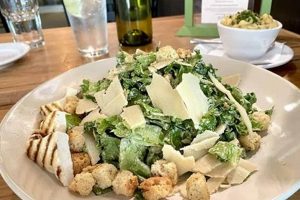
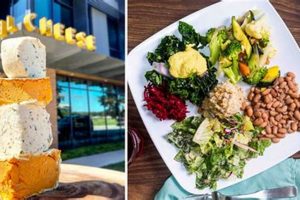
Catering services offering exclusively plant-based menus provide alternatives to traditional food service for events. These services exclude all animal products, including meat, dairy, eggs, and honey, focusing on dishes prepared solely from fruits, vegetables, grains, legumes, nuts, and seeds. For instance, a company conference might feature a buffet consisting of lentil shepherd’s pie, roasted vegetable skewers, and a chocolate avocado mousse, all prepared without animal-derived ingredients.
The growing interest in plant-based diets has increased the demand for these specialized services. This dietary choice aligns with concerns regarding animal welfare, environmental sustainability, and personal health. Historically, plant-based meals were often limited in variety and appeal; however, advancements in culinary techniques and ingredient availability have resulted in sophisticated and diverse plant-based offerings that appeal to a broad audience.
The following discussion will explore considerations for selecting a suitable plant-based food service provider, menu planning strategies to accommodate diverse tastes and dietary needs, and logistical aspects to ensure successful execution of such events.
Essential Considerations for Plant-Based Event Food Service
Careful planning ensures the success of exclusively plant-based food services at any event. The following points provide critical guidance for effective selection and management.
Tip 1: Evaluate Provider Expertise. Confirm the caterer’s experience and specialization in exclusively plant-based cuisine. A portfolio showcasing diverse menu options and positive client testimonials serves as evidence of competence.
Tip 2: Verify Ingredient Sourcing Practices. Inquire about the source of ingredients used. Prioritize providers who utilize local, seasonal, and organic produce whenever feasible, aligning with sustainability principles.
Tip 3: Address Allergen Management. Clearly communicate any dietary restrictions or allergies among attendees. The caterer must demonstrate robust protocols for preventing cross-contamination, especially regarding common allergens like nuts, soy, and gluten.
Tip 4: Scrutinize Menu Composition. Ensure the menu offers a balanced nutritional profile, including adequate protein, vitamins, and minerals. A diverse range of dishes caters to varied palates and dietary requirements.
Tip 5: Conduct a Tasting Session. Prior to confirming the booking, schedule a tasting to assess the flavor, presentation, and overall quality of the proposed menu items. This allows for necessary adjustments and ensures alignment with expectations.
Tip 6: Clarify Logistical Capabilities. Assess the caterer’s ability to handle event logistics, including transportation, setup, serving staff, and cleanup. Confirm they possess the necessary equipment and resources to execute the event seamlessly.
Tip 7: Secure Comprehensive Contracts. A detailed contract outlining all services, costs, payment terms, cancellation policies, and liability coverage is essential. This protects both parties and prevents misunderstandings.
Thorough adherence to these considerations will contribute significantly to a positive and memorable plant-based event dining experience.
The subsequent section will address common misconceptions surrounding plant-based diets and provide strategies for promoting their acceptance and enjoyment among diverse audiences.
1. Menu Variety

Menu variety is paramount when considering plant-based food service solutions. Its significance stems from the need to cater to diverse palates and dietary preferences within a group, ensuring inclusivity and satisfaction. A limited menu can lead to dissatisfaction and may not adequately represent the potential of plant-based cuisine.
- Culinary Diversity
Culinary diversity extends beyond simple ingredient substitution. It encompasses a range of cooking styles, regional cuisines, and presentation techniques. For example, a plant-based menu might include dishes inspired by Indian curries, Mediterranean mezze, and classic American comfort food, all prepared without animal products. The inclusion of diverse culinary traditions broadens appeal and demonstrates the versatility of plant-based cuisine.
- Ingredient Utilization
Effective ingredient utilization involves employing a wide array of plant-based ingredients to create varied textures and flavors. This includes utilizing different types of vegetables, legumes, grains, nuts, seeds, and fruits. For instance, a single menu might feature dishes highlighting the distinct characteristics of mushrooms, lentils, quinoa, cashews, and berries. Skillful ingredient selection and combination are crucial for creating compelling and nutritionally balanced meals.
- Dietary Adaptability
Dietary adaptability refers to the menu’s ability to accommodate specific dietary needs and restrictions, such as gluten intolerance, nut allergies, or soy sensitivities. This necessitates offering dishes free from common allergens and providing clear labeling of ingredients. For instance, a menu might include gluten-free pasta options, nut-free desserts, and soy-free protein sources. Adaptability demonstrates consideration for individual needs and promotes inclusivity.
- Nutritional Completeness
Nutritional completeness is achieved by ensuring that the menu provides a balanced intake of macronutrients (protein, carbohydrates, and fats) and micronutrients (vitamins and minerals). This requires careful planning and ingredient selection to ensure that all essential nutrients are adequately represented. For example, a menu might include dishes rich in plant-based protein sources like lentils and tofu, complex carbohydrates like whole grains, and healthy fats from avocados and nuts. A nutritionally complete menu supports overall health and well-being.
The incorporation of culinary diversity, ingredient utilization, dietary adaptability, and nutritional completeness into plant-based menus serves to enhance the appeal and accessibility of such services, increasing the likelihood of successful and well-received events.
2. Dietary Accommodation

Dietary accommodation is a critical consideration within the provision of plant-based food services. Successful execution necessitates a comprehensive understanding of diverse dietary needs and the ability to adapt menus accordingly. Failure to address these needs can result in limited participation and negative experiences for attendees.
- Allergen Management
Allergen management requires rigorous protocols to prevent cross-contamination from common allergens such as nuts, soy, gluten, and sesame. A food service provider must implement strict procedures for ingredient sourcing, preparation, and serving to minimize the risk of allergic reactions. For example, separate preparation areas and dedicated utensils are essential. Failure to adequately manage allergens can have severe health consequences for affected individuals and create liability concerns for the food service provider.
- Medical Conditions
Certain medical conditions, such as diabetes or irritable bowel syndrome (IBS), necessitate specific dietary modifications. Plant-based menus must be adaptable to accommodate these conditions, offering options with controlled carbohydrate content for individuals with diabetes or low-FODMAP choices for those with IBS. Close collaboration between the food service provider and event organizers is essential to understand and address specific medical needs.
- Cultural and Religious Restrictions
Cultural and religious dietary restrictions can significantly influence menu requirements. For instance, some individuals may adhere to kosher or halal dietary laws, which dictate specific food preparation and ingredient restrictions. Additionally, certain cultural traditions may prohibit or limit the consumption of specific plant-based foods. A food service provider must demonstrate cultural sensitivity and flexibility in accommodating these diverse needs.
- Personal Preferences and Ethical Considerations
Beyond medical or religious requirements, individuals may have personal dietary preferences or ethical considerations that influence their food choices. Some individuals may prefer specific flavors, textures, or culinary styles, while others may adhere to ethical principles related to food production, such as a commitment to fair trade or sustainable agriculture. Plant-based food service providers must strive to offer a range of options that cater to these diverse preferences and values.
The integration of robust dietary accommodation strategies is vital for ensuring that plant-based food service options are inclusive and accessible to all individuals. This requires a proactive and collaborative approach, involving clear communication, careful menu planning, and rigorous quality control procedures. By addressing dietary needs effectively, food service providers can contribute to positive and memorable event experiences for all participants.
3. Ingredient Sourcing

Ingredient sourcing constitutes a foundational element of plant-based food service offerings. The quality, origin, and ethical considerations surrounding the selection of plant-based ingredients directly impact the overall integrity and appeal of the service.
- Local and Seasonal Procurement
Prioritizing locally sourced and seasonally available produce offers numerous advantages. It reduces transportation costs and associated environmental impact, supports local agricultural communities, and enhances the flavor and nutritional value of dishes. For plant-based food service, this translates to menus that reflect the regional agricultural landscape, showcasing the freshest and most flavorful plant-based ingredients available. An example would be a summer menu featuring locally grown tomatoes, zucchini, and basil, while a fall menu highlights squash, apples, and root vegetables.
- Organic Certification and Sustainable Practices
Opting for organically certified ingredients and those cultivated using sustainable farming practices aligns with the ethical considerations often associated with plant-based diets. Organic certification ensures that produce is grown without synthetic pesticides, herbicides, or fertilizers, minimizing environmental contamination and promoting soil health. Sustainable farming practices, such as crop rotation and water conservation, further contribute to environmental stewardship. Utilizing such ingredients communicates a commitment to environmental responsibility and resonates with ethically conscious consumers.
- Fair Trade Principles
Applying fair trade principles to the sourcing of ingredients like coffee, chocolate, and spices promotes equitable trading relationships with producers in developing countries. Fair trade certification ensures that farmers receive fair prices for their products, empowering them to improve their livelihoods and invest in sustainable agricultural practices. Incorporating fair trade ingredients into plant-based menus supports social justice and contributes to a more equitable global food system.
- Transparency and Traceability
Maintaining transparency and traceability throughout the ingredient supply chain is crucial for building trust with consumers. This involves providing clear information about the origin of ingredients, the farming practices employed, and any certifications held by suppliers. Traceability allows for the identification and mitigation of potential food safety risks and ensures accountability throughout the supply chain. Transparent sourcing practices demonstrate a commitment to ethical and responsible food production.
These facets of ingredient sourcing, when thoughtfully integrated into the planning and execution of plant-based food service solutions, elevate the dining experience and align with the core values often associated with plant-based diets. The emphasis on local, sustainable, and ethical sourcing enhances the overall quality and appeal of the service, resonating with consumers who prioritize both taste and social responsibility.
4. Presentation Quality

Presentation quality exerts a significant influence on the perception and acceptance of plant-based food services. The visual appeal of dishes can directly affect diners’ willingness to try unfamiliar foods and can positively impact their overall satisfaction with the meal. A meticulously presented plant-based meal can overcome preconceived notions about the limitations of exclusively plant-based cuisine, while a poorly presented dish may reinforce negative stereotypes. For example, a vibrant salad featuring artfully arranged seasonal vegetables and a visually appealing dressing can be considerably more enticing than a simple bowl of mixed greens. The cause and effect relationship is evident: elevated presentation quality leads to heightened diner satisfaction and a greater likelihood of positive feedback regarding the food service.
The importance of presentation extends beyond aesthetics; it communicates the level of care and attention to detail invested in the preparation of the food. Consider two plant-based burgers: one, assembled haphazardly with ingredients sloppily arranged, and the other, thoughtfully constructed with each element carefully placed to enhance both visual appeal and flavor integration. The latter demonstrates a commitment to excellence, suggesting that the entire meal was prepared with equal diligence. This translates to a more positive dining experience, influencing diners’ perception of the overall quality of the plant-based food service. Furthermore, in the age of social media, visually appealing dishes are more likely to be photographed and shared, effectively serving as free marketing for the food service provider.
In summary, presentation quality is not merely an aesthetic concern but an integral component of successful plant-based food service. It directly impacts diners’ perceptions, influences their willingness to explore new culinary options, and ultimately contributes to the overall success of the event. Challenges related to presentation may involve additional labor costs or the need for specialized plating equipment, but the return on investment in terms of enhanced diner satisfaction and positive brand image makes it a worthwhile consideration. The emphasis on visual appeal aligns with the broader trend of elevating plant-based cuisine to meet the standards of traditional fine dining, further legitimizing plant-based options within the culinary landscape.
5. Logistical Feasibility

Logistical feasibility is intrinsically linked to the successful execution of plant-based food service. Effective delivery of these services hinges on the ability to manage a complex interplay of factors, including transportation, storage, preparation, and waste management, all within the constraints of event location and timeframe. The absence of robust logistical planning can lead to compromised food quality, delayed service, and ultimately, dissatisfied attendees, regardless of the culinary merits of the menu itself. For example, failure to secure adequate refrigeration for perishable plant-based ingredients can result in spoilage, necessitating costly replacements or menu alterations on short notice. A catering company offering plant-based services for an outdoor event must consider factors like power availability for cooking equipment, temperature control for food safety, and waste disposal options to ensure a smooth and responsible operation.
Furthermore, logistical considerations extend to the expertise and training of personnel. Staff must possess knowledge of plant-based food handling and preparation techniques to minimize the risk of cross-contamination with animal products. Efficient service requires well-defined workflows and clear communication channels between kitchen staff, servers, and event organizers. The choice of venue significantly impacts logistical planning. A facility with a well-equipped kitchen and ample space for food preparation and storage streamlines operations, whereas a remote location may necessitate mobile kitchen solutions and increased resource allocation. Proper route planning and scheduling are vital for timely delivery of ingredients and prepared dishes, particularly when dealing with fresh, perishable produce.
In conclusion, logistical feasibility is not merely a supporting element but rather a critical determinant of success in plant-based food service. Overlooking logistical planning can negate even the most innovative and well-intentioned plant-based menus. Addressing these considerations proactively ensures efficient service, minimizes waste, and ultimately contributes to a positive and memorable event experience. Challenges regarding this aspect are numerous but are crucial for success of vegan catering options
6. Budget Alignment

Budget alignment is a critical factor when considering plant-based food service. The perceived cost of exclusively plant-based menus can be a barrier to adoption, requiring careful consideration of cost drivers, menu planning strategies, and negotiation tactics to achieve financial compatibility with event budgets.
- Ingredient Cost Management
Ingredient costs constitute a significant portion of overall expenses. Strategies to manage these costs include prioritizing seasonal produce, sourcing directly from local farms, and utilizing less expensive plant-based protein sources such as lentils and beans. Substituting imported or exotic ingredients with locally available alternatives can also yield cost savings. Effective inventory management minimizes waste and reduces unnecessary expenses.
- Menu Engineering for Cost-Effectiveness
Menu engineering involves strategically designing menus to maximize profitability while meeting dietary needs. This includes balancing higher-cost items with more affordable options and optimizing portion sizes. Bulk preparation of certain components, such as sauces or dressings, can reduce labor costs and improve efficiency. Careful menu planning ensures that ingredients are utilized across multiple dishes, minimizing waste and maximizing value.
- Labor Cost Optimization
Labor costs are a substantial consideration. Streamlining kitchen processes, utilizing efficient cooking techniques, and minimizing complex preparations can reduce the required labor hours. Employing skilled chefs with experience in plant-based cuisine is essential to ensure efficient execution and minimize food waste. Negotiating competitive labor rates with catering staff can also contribute to cost savings.
- Negotiation and Value Engineering
Negotiating favorable pricing with food service providers and suppliers is crucial for achieving budget alignment. Obtaining multiple quotes and comparing proposals allows for informed decision-making. Value engineering involves identifying opportunities to reduce costs without compromising quality or service. This may include adjusting menu selections, streamlining service styles, or modifying event logistics.
These elements, when carefully considered, contribute to successful budget alignment, enabling event organizers to offer high-quality plant-based food service options within established financial constraints. While some plant-based ingredients may be perceived as more expensive, strategic planning and negotiation can effectively mitigate these costs, making plant-based food service a financially viable and appealing option.
Frequently Asked Questions Regarding Plant-Based Food Service
The following addresses common inquiries pertaining to the selection, execution, and cost considerations associated with exclusively plant-based event food services.
Question 1: What are the primary benefits of opting for exclusively plant-based food service for an event?
Benefits include catering to a broader range of dietary needs and preferences, aligning with ethical considerations regarding animal welfare, reducing the environmental impact associated with food production, and potentially offering healthier meal options.
Question 2: How can assurance be provided that a plant-based menu is nutritionally complete?
It is crucial to collaborate with a catering service possessing expertise in plant-based nutrition. The menu should incorporate diverse food groups, ensuring adequate protein, vitamins, minerals, and healthy fats. Consultation with a registered dietitian is advisable for large-scale events.
Question 3: What steps should be taken to address potential allergen concerns associated with plant-based food service?
Transparency regarding ingredient sourcing and preparation methods is paramount. The catering service must have stringent protocols to prevent cross-contamination and clearly label all menu items with potential allergens. Open communication with attendees regarding allergies is essential.
Question 4: What are the typical cost considerations associated with exclusively plant-based food service compared to traditional options?
Costs can vary depending on ingredient selection, menu complexity, and sourcing practices. While some plant-based ingredients may be more expensive, strategic menu planning and sourcing can often result in cost parity or even savings compared to menus featuring animal products. Negotiation with catering providers is advisable to optimize cost-effectiveness.
Question 5: How can the acceptance and enjoyment of plant-based menus be promoted among attendees with diverse dietary backgrounds?
Menu diversity is key. Offering familiar dishes adapted to plant-based formats, alongside innovative culinary creations, caters to varied palates. Visually appealing presentation and clear communication about the benefits of plant-based cuisine can also enhance acceptance.
Question 6: What are the key logistical considerations for plant-based food service, particularly for outdoor or remote events?
Adequate refrigeration, power sources for cooking equipment, waste management, and water access are critical. The catering service must possess the necessary equipment and expertise to handle these challenges effectively, ensuring food safety and efficient service.
Adhering to these principles will facilitate informed decision-making and contribute to the successful integration of plant-based food service options into diverse event settings.
The subsequent discussion will explore strategies for marketing and promoting plant-based food service options to maximize participation and positive reception.
Conclusion
The preceding exploration has examined the multifaceted considerations surrounding vegan catering options. From menu diversity and dietary accommodations to ingredient sourcing, presentation quality, logistical feasibility, and budget alignment, these elements collectively define the potential for success in this rapidly evolving sector of the food service industry. Effective implementation necessitates a comprehensive understanding of each component and a commitment to excellence in execution.
As the demand for plant-based cuisine continues its upward trajectory, the significance of accessible and high-quality vegan catering options will only intensify. A proactive approach, emphasizing ethical sourcing, nutritional completeness, and exceptional service, is paramount to meeting the evolving needs of consumers and solidifying a sustainable future for the industry. Further research and innovation are crucial for expanding the accessibility and appeal of plant-based offerings across diverse event settings.