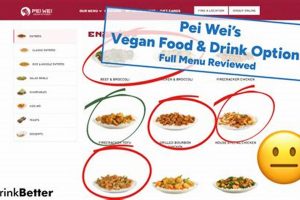
The availability of plant-based choices at outdoor gatherings is expanding to accommodate diverse dietary needs and preferences. This involves offering alternatives to traditional barbecue fare that exclude all animal products, such as meat, dairy, and eggs. Examples include grilled vegetables, plant-based burgers, and fruit salads.
Providing these alternatives at social events fosters inclusivity and ensures that individuals adhering to a plant-based diet can participate fully and enjoyably. This consideration demonstrates respect for diverse lifestyles and ethical choices, potentially encouraging broader acceptance and adoption of such dietary patterns. Historically, limited options often presented a challenge for vegans at these events, leading to the increased demand for more suitable food choices.
Subsequent discussion will address specific recipes, preparation techniques, and considerations for successfully integrating plant-based meals into barbecue menus. The goal is to provide actionable strategies for hosts to cater effectively to vegan guests while maintaining the enjoyment of all attendees.
Optimizing Plant-Based Cuisine for Outdoor Gatherings
Considerations for crafting a successful barbecue menu that caters to individuals following a plant-based diet necessitate careful planning and execution.
Tip 1: Prioritize Fresh Produce: Emphasize seasonal fruits and vegetables for grilling and salads. Corn on the cob, bell peppers, and zucchini can be grilled directly, while watermelon and berries offer refreshing side options.
Tip 2: Explore Plant-Based Protein Sources: Beyond traditional veggie burgers, consider marinated tofu skewers, tempeh ribs, or jackfruit-based pulled “pork.” Ensure proper seasoning and marinating for enhanced flavor.
Tip 3: Offer Diverse Side Dishes: Expand beyond basic coleslaw and potato salad. Include options like quinoa salad, black bean salsa, or grilled asparagus to provide a variety of textures and nutrients.
Tip 4: Verify Condiment Composition: Many commercially available condiments contain animal-derived ingredients. Offer vegan-friendly options such as hummus, guacamole, or homemade barbecue sauce formulated without honey or other animal products.
Tip 5: Prepare Grilled Halloumi Alternative: Provide an alternative to the traditional Halloumi grilling cheese with other types of plant based foods.
Tip 6: Ensure Separate Grilling Surfaces: If grilling both plant-based and meat-based items, designate separate grilling surfaces to prevent cross-contamination and maintain the integrity of the plant-based meals.
Tip 7: Clearly Label Food Items: Clearly label all food items, indicating whether they are vegan, vegetarian, or contain common allergens. This prevents confusion and ensures that guests can make informed choices.
Tip 8: Consider Dessert Alternatives: Provide options such as fruit skewers, vegan ice cream, or a homemade fruit crumble to cater to dessert preferences.
Implementing these strategies ensures that social events cater effectively to plant-based dietary preferences, promoting inclusivity and broadening culinary horizons.
The final section will provide recipes for some mentioned dishes.
1. Plant-based protein sources

The provision of adequate protein is a central consideration when offering plant-based culinary options at outdoor gatherings. For individuals adhering to vegan diets, plant-based protein sources are essential to nutritional intake and satisfaction during cookouts. The subsequent information explores key facets of plant-based protein in the context of cookout vegan options.
- Tofu and Tempeh Preparation
Tofu and tempeh, derived from soybeans, are versatile sources of complete protein. At cookouts, these can be marinated and grilled, smoked, or incorporated into skewers with vegetables. Achieving desirable texture and flavor requires specific preparation techniques, such as pressing tofu to remove excess moisture and marinating tempeh to infuse flavor. Failing to properly prepare these protein sources can result in a bland and unappetizing dish, potentially deterring guests from exploring vegan offerings.
- Legumes and Grains as Substitutes
Beans, lentils, and various grains (quinoa, brown rice) are additional protein sources readily adapted for cookout menus. Black bean burgers, lentil salads, and quinoa bowls can provide substantial protein content alongside essential nutrients. Combining legumes with grains creates complete proteins, which contain all nine essential amino acids. Without this consideration, guests may perceive the plant-based food choices as inadequate.
- Plant-Based Meat Analogues
Commercially available plant-based meat analogues (burgers, sausages) offer convenient alternatives to traditional meat products. These products are often formulated to mimic the taste and texture of meat, appealing to individuals transitioning to plant-based diets. However, nutritional profiles vary significantly between brands, necessitating careful evaluation of ingredient lists and nutritional information to ensure a healthy and balanced meal.
- Seed and Nut Integration
Seeds and nuts contribute both protein and healthy fats to plant-based meals. Sunflower seeds, pumpkin seeds, walnuts, and almonds can be incorporated into salads, sprinkled on grilled vegetables, or used as ingredients in homemade sauces and dressings. Their inclusion enhances the nutritional value and textural complexity of the dish, improving the overall dining experience. Neglecting to include these could lead to dishes that are less satiating and flavorful.
The successful integration of these plant-based protein sources into cookout vegan options depends on proper preparation, diverse application, and awareness of nutritional composition. Strategic menu planning ensures that individuals adhering to plant-based diets receive ample protein while enjoying the social atmosphere of an outdoor gathering.
2. Vegetable grilling techniques

Successful execution of plant-based meals hinges on mastery of vegetable grilling techniques. The method of preparation directly impacts the palatability and overall satisfaction derived from these dishes. Improper grilling can result in charred exteriors and undercooked interiors, rendering the vegetables unappetizing and negating the effort to offer plant-based cuisine. For instance, zucchini and bell peppers, if grilled without appropriate attention to heat and timing, can become mushy or excessively blackened, failing to provide the desired textural contrast and flavor profile. Therefore, understanding the nuances of vegetable grilling is crucial for ensuring that these meals are not merely an afterthought, but a central, enjoyable component of the event.
The application of diverse grilling techniques allows for varied flavor profiles. Direct grilling over high heat imparts a smoky char, suitable for vegetables like corn on the cob, asparagus, or portobello mushrooms, where a slight crispness is desired. Indirect grilling, using lower temperatures and placing vegetables away from the direct flame, enables gentler cooking, preserving moisture and preventing burning in delicate items such as tomatoes or eggplant. Marination also plays a pivotal role; vegetables marinated in herb-infused oils or tangy vinaigrettes absorb flavors, adding complexity and preventing dryness during grilling. Example: Corn kernels are marinated in a mixture of chili and vegan butter can result a great vegan substitute for the traditional one.
The incorporation of precise vegetable grilling is an integral aspect of delivering high-quality plant-based cuisine at outdoor gatherings. Attention to heat control, timing, and seasoning are crucial for transforming simple vegetables into flavorful and satisfying options. Addressing common challengespreventing burning, maintaining moisture, and maximizing flavorensures that the meals contribute positively to the overall culinary experience. Skillful vegetable grilling contributes to broader themes of inclusivity, promoting dietary diversity and demonstrating respect for the choices of all guests.
3. Dairy-free side dishes

Dairy-free side dishes are essential constituents of comprehensive vegan offerings, contributing to a balanced and fulfilling menu. The omission of dairy is central to veganism, necessitating alternatives that replicate the textures and flavors traditionally associated with dairy-based sides. Dairy-free substitutions often determine the success of vegan food choices, impacting guest satisfaction and the perception of these dietary options. For example, a traditional potato salad relies on mayonnaise, often containing eggs and dairy. A dairy-free substitute may utilize a cashew-based cream or a blend of vinegar and herbs, requiring specific preparation to replicate the creamy texture and tangy flavor. Without appropriate substitutions, a substantial portion of a cookout menu could be rendered unsuitable for vegan guests.
The provision of dairy-free side dishes has implications beyond meeting dietary requirements. It broadens the culinary experience for all attendees, introducing new flavors and ingredients. Examples include corn on the cob with vegan butter, pasta salads with a vinegar-based dressing, bean salads with a lemon vinaigrette, and slaws with a tahini dressing. The availability of these varied options demonstrates a commitment to inclusivity, ensuring everyone can participate in the communal meal without feeling restricted. Furthermore, these dairy-free sides often align with other dietary considerations, such as gluten-free or low-sodium, thus accommodating a wider spectrum of preferences.
In conclusion, the consideration of dairy-free side dishes is not merely an ancillary aspect of cookout vegan options but a pivotal determinant of the culinary experience. Addressing common challengesassociated with taste and texture replicationallows for the creation of delicious and satisfying meals. The successful integration of dairy-free choices into a cookout menu demonstrates an understanding of dietary diversity, fostering a welcoming and inclusive event for all participants. The importance of the integration can be considered in various other options as well.
4. Vegan condiment selection

The deliberate choice of vegan condiments is an indispensable component of comprehensive plant-based dining at outdoor gatherings. While primary dishes may adhere to vegan principles, neglecting condiment composition undermines the integrity of the meal. Many commercially available condiments contain animal-derived ingredients such as honey, dairy, or eggs, rendering otherwise plant-based meals unsuitable for vegan consumption. The effect of overlooking this detail can be the inadvertent invalidation of a meal. A vegetable burger, for example, presented with standard mayonnaise, is rendered non-vegan, limiting food choices for vegan guests.
Beyond dietary compliance, thoughtful condiment selection contributes to the overall quality and variety of the plant-based offering. Vegan alternatives often present opportunities for innovative flavor profiles. For instance, a sriracha mayonnaise substitute using a cashew base can offer a unique creamy texture and spicy kick, enhancing the dining experience. Homemade options like barbecue sauce formulated with maple syrup or agave nectar instead of honey broaden the spectrum of available flavors. Conversely, a limited selection of basic condiments can diminish the perceived value of the plant-based offering, suggesting a lack of consideration for the dietary needs and preferences of vegan guests.
In summation, the selection of vegan condiments is a crucial element of cookout vegan options. This selection must be thoughtful, ensuring that ingredients are suitable for vegan consumption. Appropriate vegan condiment selection will result a total satisfaction with the meal. Addressing challenges associated with flavor replication and ingredient availability leads to the success of plant-based offerings, promoting inclusivity at the event.
5. Allergen awareness

Effective management of plant-based meal alternatives in the context of outdoor events necessitates meticulous attention to potential allergens. While adhering to vegan dietary guidelines excludes animal products, plant-based ingredients themselves present allergenic risks that require careful consideration. The absence of animal products does not inherently guarantee an allergen-free status; therefore, event hosts must proactively address potential allergenic components within vegan food offerings to ensure the safety and well-being of all attendees. A failure to address potential allergenic risks effectively can result in health consequences for attendees with sensitivities.
Common allergens frequently found in vegan cookout options include soy, nuts (tree nuts and peanuts), gluten, and sesame. Tofu, tempeh, and edamame, all derived from soybeans, are staple vegan protein sources. Nuts may be present in plant-based cheeses, sauces, desserts, and even as garnishes. Gluten may be found in certain plant-based meat analogs, burger buns, and some condiments. Sesame seeds, or tahini derived from them, can be components of dressings, dips, and toppings. To mitigate risks, clear labeling of ingredients is essential. Providing detailed ingredient lists for all vegan dishes empowers guests to make informed choices based on their individual allergenic profiles. Furthermore, ensuring that preparation areas and utensils are free from cross-contamination with allergens is paramount. Using separate cutting boards, utensils, and grills for allergen-free items can prevent accidental exposure.
The intersection of allergen awareness and plant-based dietary options is crucial for inclusive hospitality. Inadequate labeling can lead to severe allergic reactions among attendees, thus undermining the goal of providing dietary choices. Proper labeling, preparation practices, and open communication with guests regarding ingredients form the foundation of a safe and enjoyable experience for everyone. By incorporating allergen awareness into the planning and execution of cookout vegan options, event hosts demonstrate consideration for diverse needs and prioritize the health and safety of all participants.
6. Cross-contamination prevention

Cross-contamination represents a critical consideration in the safe and effective implementation of cookout vegan options. It refers to the inadvertent transfer of substances, frequently animal products, from one surface or food item to another. Such transfers compromise the vegan integrity of a dish, rendering it unsuitable for individuals adhering to a plant-based diet. The consequence of this oversight is the unintended consumption of animal products, causing distress to those committed to veganism for ethical, religious, or health-related reasons. For example, grilling vegetables on a surface previously used for meat without thorough cleaning would constitute cross-contamination, as would using utensils that have come into contact with dairy-based sauces.
Preventing cross-contamination requires a multi-faceted approach. Designated cooking surfaces, utensils, and preparation areas for plant-based foods are paramount. Grilling vegetables on separate, thoroughly cleaned sections of the grill prevents contact with residual meat fats. Color-coded cutting boards and utensils can visually differentiate plant-based items from those containing animal products. Careful attention must also be paid to shared condiments and serving dishes; offering separate containers of sauces and dips reduces the likelihood of unintentional contamination. Furthermore, individuals handling both vegan and non-vegan items should wash their hands thoroughly between tasks to avoid transferring traces of animal products.
The practical significance of cross-contamination prevention extends beyond mere compliance with dietary restrictions. It demonstrates respect for the choices and beliefs of vegan guests, fostering an inclusive and considerate environment. While challenges exist in ensuring complete separation in shared cooking spaces, implementing these measures significantly minimizes risk and upholds the vegan status of prepared meals. Consistent application of these protocols ensures that the offering of plant-based choices is not only present but also reliable and trustworthy, contributing to the success of cookout vegan options.
7. Dessert Alternatives

Dessert alternatives represent an integral component of comprehensive plant-based offerings. The absence of animal products from the primary courses should be mirrored in the dessert selection to provide a cohesive and satisfying dining experience for individuals adhering to vegan diets. Failing to offer suitable dessert options creates a dietary gap, potentially diminishing the overall perception of the cookout vegan options. If traditional desserts, laden with dairy and eggs, are the only available choices, vegan attendees may feel excluded or as though their dietary needs are an afterthought. A fruit salad alone, while acceptable, may not fully satisfy the desire for a sweet treat following the main meal, and a chocolate selection will not appeal to them as the chocolates are often made from dairy.
The inclusion of well-considered dessert alternatives contributes significantly to the success of cookout vegan options by expanding the culinary landscape and accommodating a broader range of preferences. Such options encompass a variety of choices, including fruit-based desserts like grilled pineapple or berry cobblers made with plant-based butter substitutes. Additionally, vegan ice creams, often crafted from coconut milk or cashew cream, provide a creamy and indulgent alternative to dairy-based varieties. Chocolate avocado mousse or other variations can also contribute significantly to this space. Furthermore, the addition of toppings, like vegan caramel or a vegan whipped cream or ice cream substitutes, help provide the perfect topping for the dessert.
In conclusion, dessert alternatives are not merely optional add-ons but essential elements of a well-rounded plant-based menu at cookouts. The thoughtful integration of such alternatives demonstrates respect for diverse dietary needs and elevates the overall dining experience for all guests. Addressing the challenges associated with replicating textures and flavors traditionally associated with dairy and eggs in dessert recipes leads to the successful implementation of cookout vegan options, fostering a more inclusive and enjoyable event for all attendees. Vegan alternatives contribute significantly to this space.
Frequently Asked Questions about Cookout Vegan Options
The subsequent questions and answers address common inquiries and misconceptions regarding the provision of plant-based culinary alternatives at outdoor social gatherings. The goal is to provide clarity and actionable information for individuals seeking to accommodate vegan dietary needs effectively.
Question 1: Is it necessary to provide vegan options at a cookout?
The provision of plant-based choices promotes inclusivity and demonstrates consideration for dietary diversity. While not mandatory, offering vegan alternatives ensures that individuals adhering to plant-based diets can participate fully and enjoyably in the social event.
Question 2: What are some essential vegan items to include in a cookout menu?
Essential vegan items include plant-based protein sources (tofu, tempeh, veggie burgers), grilled vegetables (corn, bell peppers, zucchini), dairy-free side dishes (quinoa salad, black bean salsa), and vegan condiments (hummus, guacamole).
Question 3: How can cross-contamination between vegan and non-vegan foods be prevented?
Cross-contamination can be prevented by using separate cooking surfaces, utensils, and preparation areas for vegan and non-vegan foods. Color-coded cutting boards and thorough handwashing are also effective measures.
Question 4: Are commercially available veggie burgers always vegan?
Not all commercially available veggie burgers are vegan. Some may contain eggs, dairy, or honey. It is essential to carefully review ingredient lists to ensure compliance with vegan dietary guidelines.
Question 5: How can flavor be enhanced in grilled vegetables without using animal-based marinades?
Flavor can be enhanced through plant-based marinades using ingredients like olive oil, lemon juice, herbs, spices, garlic, and soy sauce or tamari. Marinating vegetables for at least 30 minutes before grilling allows them to absorb the flavors.
Question 6: What are some dessert options that cater to vegan dietary restrictions?
Suitable vegan dessert options include fruit skewers, vegan ice cream (coconut milk or cashew-based), fruit cobblers made with plant-based butter substitutes, and chocolate avocado mousse.
Implementing these strategies ensures that the event caters to plant-based dietary preferences effectively. Proper ingredient checking, preparation protocols, and informed decisions are crucial to a positive culinary experience.
The following section explores specific recipes suitable for inclusion at outdoor dining events.
Cookout Vegan Options
The foregoing discussion has illuminated the multifaceted considerations involved in providing credible plant-based culinary offerings at outdoor social events. Topics ranging from protein sourcing and grilling techniques to allergen awareness and cross-contamination prevention have been addressed, emphasizing the importance of meticulous planning and execution. The goal has been to provide actionable strategies for ensuring that vegan attendees are not merely accommodated but also offered a dining experience commensurate with that of their omnivorous counterparts. Cookout vegan options can be more than an afterthought, they can be a central aspect of an event, demonstrating respect for varying dietary choices.
The successful integration of cookout vegan options into mainstream culinary practice hinges on continued education, innovation, and a commitment to dietary inclusivity. As awareness of plant-based diets grows, so too will the demand for accessible and thoughtfully prepared vegan meals in all social settings. Event hosts who proactively embrace this shift are positioned to create more welcoming, sustainable, and ultimately more successful gatherings. The future of outdoor dining lies in its ability to cater effectively to the diverse needs and preferences of all participants.