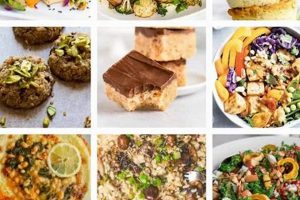
The convergence of dietary restrictions and ethical choices has led to a surge in culinary approaches that exclude both animal products and gluten. These meal preparations, focused on plant-based ingredients and the elimination of wheat, barley, and rye, present a unique set of opportunities for creative and healthful cooking. For example, dishes often incorporate naturally gluten-free grains like quinoa and brown rice, combined with an array of vegetables, legumes, and nuts to provide complete nutrition.
Adopting this dietary style can offer several potential benefits. Beyond aligning with ethical concerns regarding animal welfare and environmental sustainability, it can provide a source of nutrient-dense foods that are naturally low in saturated fat and cholesterol. Historically, variations of plant-based diets have been present in many cultures worldwide; however, the added consideration of gluten elimination is a more recent development driven by increased awareness of gluten sensitivities and celiac disease.
The following sections will explore various aspects of this culinary niche. Detailed explanations of suitable ingredients, cooking techniques, and strategies for meal planning will be presented. Furthermore, information regarding sourcing reliable information and adapting existing culinary traditions will be covered.
Culinary Guidance
The following guidance addresses key considerations for successful implementation within the specified parameters.
Tip 1: Ingredient Sourcing. Prioritize fresh, seasonal produce. Local farmers’ markets often provide access to high-quality, naturally gluten-free options while supporting sustainable agriculture.
Tip 2: Cross-Contamination Mitigation. Maintain separate cooking utensils and preparation surfaces to prevent cross-contamination with gluten-containing ingredients. This is particularly crucial for individuals with celiac disease.
Tip 3: Legume Preparation. Thoroughly rinse and soak dried legumes before cooking. This improves digestibility and reduces the presence of phytic acid, which can inhibit mineral absorption.
Tip 4: Utilizing Natural Thickeners. Employ gluten-free thickening agents such as arrowroot powder, tapioca starch, or cornstarch in sauces and stews. Adjust the amount based on desired consistency.
Tip 5: Nutritional Completeness. Ensure adequate intake of essential nutrients, including vitamin B12, iron, and omega-3 fatty acids. Fortified plant-based foods and supplements may be necessary.
Tip 6: Flavor Enhancement. Utilize a variety of herbs, spices, and natural flavor enhancers, such as nutritional yeast or smoked paprika, to compensate for the absence of animal-derived ingredients and gluten-based flavor carriers.
Tip 7: Reading Product Labels. Scrutinize ingredient lists for hidden sources of gluten, such as modified food starch or malt extract. Opt for certified gluten-free products whenever possible.
Effective application of these guidelines can facilitate the creation of flavorful, nutritious, and compliant meals. Careful attention to detail in ingredient selection and preparation is essential for achieving optimal results.
The subsequent section will address specific recipe adaptations and innovative culinary techniques.
1. Ingredient Substitution

Ingredient substitution is a core element in the execution of gluten-free, plant-based culinary creations. It involves the replacement of conventional ingredients that contain gluten or are animal-derived with suitable alternatives that adhere to the dietary parameters. The successful implementation of ingredient substitution requires a thorough understanding of both the functional properties of the original ingredient and the characteristics of its replacement.
- Flour Replacements
Conventional wheat flour provides structure and texture in many baked goods. In plant-based, gluten-free applications, flours such as almond flour, rice flour, tapioca flour, and gluten-free flour blends serve as alternatives. Each flour possesses unique binding and moisture-absorption properties, necessitating careful consideration of ratios and supplementary binding agents like xanthan gum to achieve desired results.
- Egg Substitutes
Eggs function as binders, leaveners, and emulsifiers in traditional baking. Plant-based alternatives include flaxseed meal mixed with water (“flax eggs”), applesauce, mashed banana, and commercially available egg replacers. The choice of substitute depends on the specific recipe and the desired final texture; for instance, flax eggs provide a denser, chewier texture while applesauce contributes moisture.
- Dairy Alternatives
Dairy products like milk, butter, and cream contribute moisture, richness, and flavor to numerous recipes. Plant-based replacements include almond milk, coconut milk, cashew cream, and plant-based butters derived from oils like olive or coconut. The fat content and flavor profile of the alternative can impact the final outcome, requiring adjustments to other ingredients for optimal results.
- Protein Sources
Animal-derived proteins are often central to meal construction. In a plant-based context, these are replaced by legumes (beans, lentils), tofu, tempeh, seitan (if gluten is permitted), nuts, seeds, and plant-based protein powders. Proper preparation and seasoning are crucial for achieving palatable and satisfying protein components within the meal.
The strategic application of ingredient substitutions is vital for creating palatable and nutritionally complete gluten-free, plant-based dishes. Mastering these substitutions allows for adaptation of familiar recipes and the development of innovative culinary creations that meet specific dietary requirements. Careful consideration of ingredient properties and their interaction within a recipe is essential for achieving optimal results.
2. Nutritional Balance

The intersection of plant-based dietary practices and the elimination of gluten necessitates meticulous attention to nutritional balance. Exclusion of animal products, coupled with the removal of gluten-containing grains, inherently alters the intake of various macronutrients and micronutrients. Therefore, a comprehensive understanding of nutritional requirements and strategic food selection is crucial to avoid deficiencies and promote optimal health.
For instance, vitamin B12, typically abundant in animal products, is often lacking in solely plant-based diets. Supplementation or consumption of fortified foods becomes essential. Iron absorption, while present in plant-based sources like lentils and spinach, can be hindered by phytates; therefore, combining these foods with vitamin C-rich sources enhances bioavailability. Omega-3 fatty acids, commonly obtained from fish, require alternative sourcing from flaxseeds, chia seeds, or algal oil supplements. Adequate protein intake must be consciously planned by incorporating legumes, tofu, nuts, and seeds in appropriate quantities throughout the day. The removal of gluten, typically a carbohydrate source, warrants the inclusion of alternative gluten-free grains such as quinoa, brown rice, and oats (certified gluten-free) to maintain energy levels.
Achieving nutritional balance within plant-based, gluten-free dietary frameworks presents a significant yet manageable challenge. Careful planning, informed food choices, and strategic supplementation, when necessary, are vital components. Failure to address these considerations can lead to nutrient deficiencies and associated health complications. Therefore, thorough research and consultation with registered dietitians or nutritionists are advisable to ensure dietary adequacy and sustained well-being.
3. Cross-contamination

In the context of gluten-free plant-based culinary preparations, cross-contamination represents a significant concern due to the potential for unintended introduction of gluten, thereby negating the dietary restrictions intended to be met. This contamination can occur at various stages, from ingredient sourcing and storage to food preparation and serving. The consequences of cross-contamination range from mild discomfort in individuals with gluten sensitivities to severe reactions in those with celiac disease. For instance, using the same cutting board to prepare both gluten-containing foods and gluten-free vegetables introduces a risk of cross-contamination.
Practical implications necessitate rigorous adherence to preventive measures. Separate utensils, cutting boards, and cookware designated solely for gluten-free plant-based food preparation are essential. Bulk bins in stores pose a risk due to shared scoops, suggesting the preference for pre-packaged, certified gluten-free products. In restaurant settings, clear communication with staff regarding dietary restrictions and the potential for cross-contamination is paramount. A failure to address these considerations can render dishes unsuitable for individuals requiring strict adherence to a gluten-free regime, despite the deliberate omission of gluten-containing ingredients from the recipe itself.
Effective management of cross-contamination risk demands meticulous attention to detail and implementation of stringent protocols throughout the food handling process. Awareness, education, and consistent application of preventative practices are critical to ensure the integrity of gluten-free plant-based meals. By mitigating the potential for unintended gluten exposure, these measures facilitate adherence to dietary needs and promote the health and well-being of affected individuals.
4. Flavor development

Flavor development represents a critical challenge and opportunity within the realm of plant-based, gluten-free culinary practices. The exclusion of both animal products and gluten-containing ingredients necessitates a heightened focus on alternative methods for creating complex and satisfying flavor profiles. Traditional flavor enhancers, such as dairy fats, meat-based broths, and the umami notes derived from gluten-rich sauces (soy sauce being a primary example), are rendered unavailable. Consequently, chefs and home cooks must leverage innovative techniques and ingredient combinations to achieve comparable levels of depth and richness.
The absence of these conventional elements places increased importance on several alternative strategies. The Maillard reaction, achieved through browning or caramelization of plant-based proteins and vegetables, becomes paramount in creating savory notes. Careful selection and layering of herbs and spices are essential for adding aromatic complexity. Umami can be derived from sources such as mushrooms, nutritional yeast, roasted vegetables, and fermented ingredients like miso. Furthermore, the use of acids (vinegars, citrus juices) and fats (plant-based oils, nut butters) plays a crucial role in balancing and intensifying flavors. For example, a lentil soup, traditionally relying on meat broth for depth, can be enriched with roasted garlic, smoked paprika, and a touch of balsamic vinegar to achieve a comparable level of complexity.
The mastery of flavor development techniques is not merely an aesthetic consideration; it directly impacts the long-term sustainability of adhering to plant-based, gluten-free diets. Flavorful and satisfying meals are more likely to be consistently incorporated into one’s dietary habits, thereby promoting adherence and realizing the associated health and ethical benefits. Therefore, a thorough understanding of flavor dynamics and the strategic application of culinary techniques are integral to the successful adoption and enjoyment of plant-based, gluten-free cuisine.
5. Recipe Adaptation
Recipe adaptation is a critical process in creating dishes compliant with gluten-free and plant-based dietary restrictions. It involves modifying existing recipes to exclude gluten-containing ingredients and animal products while maintaining palatability, nutritional value, and culinary appeal. Effective recipe adaptation necessitates a thorough understanding of ingredient functions and potential substitutions.
- Ingredient Substitution Strategies
The cornerstone of recipe adaptation lies in the strategic replacement of gluten-containing and animal-derived ingredients with appropriate alternatives. Wheat flour, for instance, can be substituted with gluten-free flour blends, almond flour, or rice flour. Eggs can be replaced with flaxseed meal mixed with water, applesauce, or commercial egg replacers. Dairy products may be substituted with plant-based milks, creams, or yogurts. The success of these substitutions hinges on understanding the functional properties of each ingredient and selecting replacements that closely mimic those properties.
- Adjusting Cooking Techniques
Adapting recipes may require modifications to cooking techniques. Gluten-free flours often behave differently from wheat flour, requiring adjustments to baking times and temperatures. Plant-based proteins may require different cooking methods compared to animal-based proteins to achieve optimal texture and flavor. For example, tofu may benefit from pressing to remove excess moisture before cooking, while tempeh can be steamed or marinated to enhance its flavor profile.
- Maintaining Nutritional Integrity
Recipe adaptation must prioritize maintaining or enhancing the nutritional value of the dish. Removing animal products can impact the intake of certain nutrients, such as vitamin B12, iron, and omega-3 fatty acids. It is essential to ensure that these nutrients are adequately sourced through other plant-based ingredients or through supplementation. For example, adding fortified plant-based milks or incorporating nutritional yeast can help boost vitamin B12 levels.
- Flavor Enhancement Techniques
Adapting recipes to be both gluten-free and plant-based can sometimes result in a loss of flavor complexity. Employing flavor-enhancing techniques is crucial to compensate for this. This may involve using a wider range of herbs and spices, incorporating umami-rich ingredients such as mushrooms or nutritional yeast, or employing techniques such as roasting or caramelizing vegetables to deepen their flavor.
Recipe adaptation represents a multifaceted endeavor requiring a deep understanding of culinary principles, ingredient properties, and nutritional considerations. Successful adaptation results in dishes that are not only compliant with dietary restrictions but also flavorful, nutritious, and satisfying. This iterative process enables the broadening of culinary horizons within the confines of gluten-free and plant-based eating, rendering a wider range of recipes accessible and enjoyable.
6. Resource availability
The increasing prevalence of gluten-free, plant-based dietary approaches is directly linked to the expanding accessibility of relevant resources. These resources encompass a range of information, ingredients, and support systems that facilitate the adoption and maintenance of such diets. The availability of these resources significantly impacts the ease with which individuals can navigate the complexities of this specific culinary niche.
- Online Databases and Recipe Repositories
Numerous online platforms now host extensive collections of gluten-free, plant-based recipes. These databases provide a readily accessible source of inspiration and practical guidance for individuals seeking to prepare meals compliant with these dietary restrictions. The proliferation of such resources lowers the barrier to entry and allows individuals to explore a wide variety of culinary options. Many of these platforms also offer user reviews and nutritional information, enhancing their utility.
- Specialty Food Stores and Online Retailers
The availability of specialized ingredients, such as gluten-free flours, plant-based protein sources, and vegan alternatives to dairy products, has expanded significantly in recent years. Specialty food stores and online retailers cater specifically to individuals with dietary restrictions, offering a diverse selection of products that may be difficult to find in conventional supermarkets. This increased accessibility simplifies the process of sourcing necessary ingredients and encourages experimentation with different recipes.
- Registered Dietitians and Nutrition Professionals
Access to qualified nutrition professionals is crucial for individuals navigating complex dietary restrictions. Registered dietitians can provide personalized guidance on meal planning, nutrient adequacy, and potential health concerns. They can also assist in identifying reliable sources of information and developing strategies for managing dietary challenges. The increasing availability of telehealth services has further expanded access to these professionals, particularly for individuals in remote areas.
- Cookbooks and Culinary Education Resources
The publication of cookbooks specifically focused on gluten-free, plant-based cuisine has provided a valuable resource for both novice and experienced cooks. These cookbooks offer detailed recipes, cooking techniques, and tips for successful meal preparation. Furthermore, cooking classes and workshops focused on these dietary approaches are becoming increasingly common, providing hands-on training and fostering a sense of community among individuals with similar dietary needs.
In conclusion, the growing availability of online resources, specialized food products, qualified nutrition professionals, and culinary education materials has significantly facilitated the adoption and maintenance of gluten-free, plant-based diets. These resources empower individuals to make informed food choices, prepare nutritious meals, and navigate the complexities of this specific culinary niche with greater ease and confidence. The continued expansion of these resources will likely further contribute to the increasing popularity and accessibility of gluten-free, plant-based eating.
7. Digestibility Considerations
Plant-based, gluten-free meal preparation necessitates careful attention to the digestive properties of constituent ingredients. The removal of gluten, a protein composite known to cause digestive distress in sensitive individuals, does not inherently guarantee ease of digestion. Plant-based diets, while often rich in fiber, can also contain components that may pose challenges for some individuals. These elements include high levels of certain carbohydrates, such as FODMAPs (fermentable oligosaccharides, disaccharides, monosaccharides, and polyols) found in legumes and certain vegetables, which can trigger gas and bloating in susceptible individuals. Furthermore, the high fiber content, while generally beneficial, can lead to digestive discomfort if introduced too rapidly or consumed without adequate hydration. For instance, a sudden increase in legume consumption, a common strategy for increasing protein intake on a vegan diet, can cause gastrointestinal distress. Therefore, proper preparation and thoughtful ingredient selection are crucial for optimizing digestibility.
Practical strategies for enhancing the digestive properties of plant-based, gluten-free meals include proper soaking and cooking of legumes to reduce the presence of oligosaccharides. Fermentation processes, such as those used in making tempeh and sauerkraut, can also improve digestibility and nutrient bioavailability. Incorporating digestive enzymes, such as bromelain or papain, through the inclusion of fruits like pineapple or papaya, can aid in the breakdown of proteins and carbohydrates. Furthermore, focusing on well-cooked vegetables rather than raw preparations can reduce the burden on the digestive system. The consumption of smaller, more frequent meals, rather than large, infrequent ones, can also help to improve digestive comfort. A real-world example is the substitution of whole wheat bread, a known irritant for those with gluten sensitivities, with sourdough bread made from gluten-free flours, where the fermentation process aids in pre-digestion of carbohydrates.
In summary, while adopting a gluten-free, plant-based diet can alleviate digestive issues related to gluten intolerance, careful consideration of ingredient preparation and individual digestive tolerances is essential for maximizing digestive comfort and overall well-being. Challenges can be mitigated through informed food choices, appropriate cooking techniques, and, if necessary, the strategic use of digestive aids. The broader understanding of these factors allows for a more sustainable and enjoyable approach to plant-based, gluten-free eating.
Frequently Asked Questions About Gluten-Free Vegan Food Recipes
This section addresses common inquiries regarding the preparation and consumption of meals that exclude both gluten and animal products. The aim is to provide clarity and dispel misconceptions surrounding this culinary approach.
Question 1: Is a gluten-free vegan diet inherently healthier than a standard diet?
A gluten-free vegan diet is not automatically healthier. Its nutritional value depends entirely on the specific foods consumed. A well-planned gluten-free vegan diet, rich in fruits, vegetables, whole grains, and legumes, can be highly nutritious. However, a diet relying heavily on processed vegan foods and lacking in essential nutrients can be detrimental to health.
Question 2: Can a gluten-free vegan diet provide sufficient protein?
Adequate protein intake is achievable on a gluten-free vegan diet. Legumes, tofu, tempeh, nuts, seeds, and certain gluten-free grains like quinoa are all excellent sources of plant-based protein. Careful planning and inclusion of these protein-rich foods in appropriate quantities are essential to meet daily protein requirements.
Question 3: How can cross-contamination of gluten be avoided at home?
Preventing cross-contamination requires dedicated equipment. Separate cutting boards, cookware, and utensils should be reserved solely for gluten-free food preparation. Surfaces should be thoroughly cleaned before preparing gluten-free meals. Additionally, storing gluten-free ingredients separately from gluten-containing products minimizes the risk of contamination.
Question 4: Are commercially available gluten-free vegan products always a healthy choice?
Commercially available gluten-free vegan products are not uniformly healthy. Many processed gluten-free vegan foods can be high in sugar, salt, and unhealthy fats. Careful examination of nutrition labels is crucial. Opting for products with minimal processing and prioritizing whole, natural ingredients is advisable.
Question 5: What are some common nutrient deficiencies associated with poorly planned gluten-free vegan diets?
Common nutrient deficiencies include vitamin B12, iron, calcium, vitamin D, omega-3 fatty acids, and zinc. Vitamin B12 is not naturally found in plant-based foods and requires supplementation or consumption of fortified foods. Careful attention to sourcing these nutrients through a varied diet or supplementation is essential for preventing deficiencies.
Question 6: How can the flavor of gluten-free vegan meals be enhanced without relying on traditional ingredients?
Flavor can be enhanced through the strategic use of herbs, spices, and umami-rich ingredients. Roasting vegetables, caramelizing onions, and using smoked paprika can add depth. Nutritional yeast, miso paste, and dried mushrooms contribute umami. Acids like lemon juice or vinegar can balance flavors and add brightness.
In summary, a well-executed gluten-free vegan diet can be a healthful and sustainable dietary approach. However, it requires careful planning, informed food choices, and attention to potential nutrient deficiencies. Reliance on whole, unprocessed foods and a diverse range of plant-based ingredients is essential.
The next section will delve into specific recipe examples that exemplify the principles discussed.
Conclusion
The preceding analysis has explored diverse facets of meal preparations adhering to both gluten-free and vegan constraints. Key points have included ingredient substitution techniques, strategies for maintaining nutritional balance, the critical importance of preventing cross-contamination, methods for effective flavor development, and considerations regarding digestibility. Resource availability and recipe adaptation have also been addressed as essential elements in the successful implementation of this culinary approach.
The convergence of these dietary requirements necessitates a diligent and informed approach to food preparation. While challenges exist, the potential benefits related to ethical considerations and dietary management warrant continued exploration and refinement of these culinary practices. Further research and innovation in ingredient development and culinary techniques will likely expand the accessibility and palatability of food preparations conforming to these parameters.