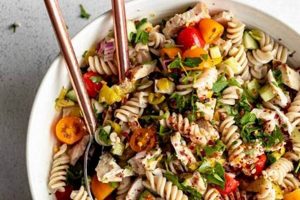
Dietary plans excluding both grains and animal products offer a specific approach to nourishment. These meal plans prioritize plant-based foods such as fruits, vegetables, legumes, nuts, and seeds, while omitting ingredients like wheat, rice, corn, and animal-derived components. A typical meal might consist of a lentil and vegetable stew, or a salad with mixed greens, avocado, and a tahini dressing.
Adherence to this dietary style may be motivated by various factors, including allergy management, digestive health considerations, or ethical stances regarding animal welfare. Furthermore, plant-focused diets are often associated with positive impacts on cardiovascular health and blood sugar regulation, potentially providing long-term wellness advantages. Historically, various cultures have incorporated elements of this dietary approach due to regional food availability or traditional culinary practices.
The subsequent sections will delve into the practical application of these principles, including ingredient selection, recipe development, and potential challenges associated with long-term adherence. Specific nutritional considerations will also be examined, ensuring a balanced and complete dietary intake within these parameters.
Guidance on Grain-Free, Vegan Culinary Practices
This section provides practical suggestions for individuals adopting a dietary approach that excludes both grains and animal products. The following advice aims to facilitate successful meal planning and execution, ensuring both nutritional adequacy and culinary satisfaction.
Tip 1: Prioritize Nutrient Density: Given the exclusion of grains, ensure that vegetables, legumes, nuts, and seeds are selected for their vitamin and mineral content. Dark leafy greens, for example, provide iron and calcium, while nuts offer essential fatty acids and protein.
Tip 2: Embrace Alternative Flours: Numerous grain-free flours, such as almond flour, coconut flour, and tapioca flour, can be utilized in baking and thickening sauces. Experimentation with these alternatives is essential to determine preferred textures and flavors.
Tip 3: Master Legume Preparation: Legumes form a critical protein source. Thorough soaking and cooking are essential to enhance digestibility and reduce the presence of antinutrients. Lentils, chickpeas, and black beans offer versatility in soups, stews, and salads.
Tip 4: Incorporate Healthy Fats: Avocados, nuts, seeds, and olive oil should be included regularly to provide essential fatty acids and support satiety. These fats also aid in the absorption of fat-soluble vitamins.
Tip 5: Understand Calcium Sources: Since dairy products are excluded, prioritize plant-based calcium sources such as kale, bok choy, and fortified plant milks. Consider supplementation if dietary intake is insufficient.
Tip 6: Explore Flavor Enhancements: Herbs, spices, and citrus fruits can elevate the palatability of meals. Umami-rich ingredients like mushrooms and sun-dried tomatoes can provide depth of flavor.
Tip 7: Plan Meals in Advance: Proactive meal planning mitigates impulsive food choices and ensures adherence to dietary goals. Batch cooking and pre-portioning meals can save time and effort.
Adhering to these guidelines fosters a well-rounded dietary approach, minimizing potential nutrient deficiencies and maximizing the benefits of a grain-free, vegan lifestyle. Consistent application of these principles will contribute to long-term dietary success.
The subsequent section will offer sample meal plans, providing a practical framework for incorporating these tips into daily routines and achieving optimal nutritional outcomes.
1. Ingredient Substitution

Ingredient substitution is fundamental to the successful adoption of a grain-free vegan diet. The elimination of grains and animal products necessitates careful selection of alternative ingredients to maintain nutritional balance and culinary appeal. This process requires a thorough understanding of the functional properties of various plant-based ingredients and their ability to replicate the roles traditionally played by grains and animal-derived components in cooking.
- Flour Replacements
Grain-based flours, such as wheat and rye, are typically used for baking and thickening. In grain-free vegan recipes, alternatives like almond flour, coconut flour, tapioca flour, and cassava flour serve as replacements. Each flour possesses unique characteristics; almond flour provides a nutty flavor and moist texture, while coconut flour is highly absorbent and requires careful hydration. Understanding these properties is crucial for achieving desired results in baked goods and sauces. The selection of the appropriate flour impacts the final product’s texture, density, and overall taste.
- Egg Substitutes
Eggs act as binders, leaveners, and emulsifiers in many recipes. Vegan alternatives, such as flaxseed meal, chia seeds, applesauce, or commercial egg replacers, are employed in grain-free vegan cooking. Flaxseed and chia seeds, when mixed with water, create a gel that mimics the binding properties of eggs. Applesauce adds moisture and sweetness, while commercial egg replacers offer standardized performance. The choice of egg substitute depends on the specific recipe and the desired outcome. A successful substitution maintains structural integrity and ensures proper texture of the final dish.
- Grain Alternatives
Grains such as rice, quinoa, and oats are common staples. Grain-free vegan recipes utilize substitutes like cauliflower rice, shredded zucchini, or spiralized vegetables. Cauliflower rice, for example, is a low-carbohydrate alternative to traditional rice and can be flavored to complement various cuisines. Zucchini noodles (zoodles) replace pasta in dishes like lasagna or stir-fries. These substitutions not only eliminate grains but also increase vegetable consumption, enhancing the nutritional profile of the meal. These options provide texture and volume, contributing to a satisfying and well-rounded dining experience.
- Dairy Replacements
Dairy products contribute creaminess and richness to many dishes. Grain-free vegan recipes employ nut-based creams, coconut milk, and avocado to replicate these qualities. Cashew cream, made from soaked and blended cashews, is a versatile substitute for heavy cream in sauces and desserts. Coconut milk provides a similar richness in curries and soups. Avocado adds a creamy texture to smoothies and dressings. These substitutions allow for the creation of decadent and satisfying dishes without relying on animal-derived ingredients. Careful selection of these alternatives ensures the maintenance of desired flavor and texture profiles.
Effective ingredient substitution is paramount in grain-free vegan cooking, requiring both creativity and a solid understanding of ingredient properties. Mastery of these techniques ensures that meals are not only free of grains and animal products but are also nutritionally complete and culinarily appealing. The ability to adapt recipes and experiment with different substitutions expands the repertoire of grain-free vegan dishes, facilitating long-term adherence to this dietary pattern.
2. Nutrient Balancing

Achieving adequate nutritional intake presents a specific challenge within the context of dietary plans excluding both grains and animal products. Careful consideration of nutrient sources and potential deficiencies is essential to maintaining optimal health and well-being.
- Protein Adequacy
Protein intake is crucial for tissue repair and maintenance. In a grain-free, vegan setting, reliance shifts to legumes, nuts, seeds, and soy-based products. Combining various plant-based protein sources throughout the day ensures intake of all essential amino acids. Insufficient protein can lead to muscle loss and impaired immune function. For example, incorporating lentils into a soup or adding nuts to a salad can contribute to daily protein needs. Monitoring protein intake is essential, particularly for individuals with high activity levels.
- Iron Bioavailability
Iron, vital for oxygen transport, is less bioavailable in plant-based foods compared to animal sources. Non-heme iron, the form found in plants, is absorbed less efficiently. Enhancing iron absorption involves consuming iron-rich foods alongside vitamin C-rich items. Examples include combining spinach with citrus fruits or adding tomatoes to lentil dishes. Individuals adhering to a grain-free, vegan diet should regularly monitor iron levels and consider supplementation if deficiency is indicated.
- Vitamin B12 Considerations
Vitamin B12, essential for nerve function and red blood cell formation, is primarily found in animal products. Vegans and those avoiding grains may be at risk of deficiency. Fortified foods, such as plant-based milks and nutritional yeast, can provide B12. Regular supplementation is often recommended to ensure adequate intake and prevent neurological complications. Individuals should consult healthcare professionals to determine appropriate B12 supplementation strategies.
- Omega-3 Fatty Acid Sources
Omega-3 fatty acids, particularly EPA and DHA, are important for brain health and inflammation management. While ALA, a precursor to EPA and DHA, is found in plant-based sources like flaxseeds and walnuts, the conversion rate to EPA and DHA is often limited. Supplementation with algae-derived omega-3 fatty acids is a viable option to ensure adequate intake of these essential fats. Incorporating chia seeds into daily meals or snacking on walnuts can contribute to ALA intake, but supplementation may still be necessary.
The convergence of grain avoidance and veganism necessitates a proactive approach to nutrient management. By addressing potential deficiencies and prioritizing nutrient-dense plant foods, individuals can mitigate risks and reap the potential benefits of this dietary pattern. Regular monitoring of nutrient status and consultation with healthcare professionals are advisable to ensure long-term health and well-being.
3. Texture Creation

In grain-free vegan culinary practices, texture creation assumes paramount importance due to the absence of commonly used ingredients that contribute significantly to mouthfeel and overall eating experience. Grains and animal products often provide specific textural elements chewiness, creaminess, crispness that must be replicated or innovatively replaced. The omission of these elements can lead to dishes perceived as bland or unappetizing if texture is not carefully addressed. For example, in baking, the gluten in wheat flour provides structure and chewiness; its absence necessitates the use of alternative binding agents like psyllium husk or xanthan gum to achieve a similar result. Failure to address textural deficits directly impacts palatability and can hinder long-term adherence to this dietary approach.
Techniques for texture modification in this context are varied and depend heavily on the specific dish. The use of different nut butters can introduce creaminess and richness, while the incorporation of seeds (chia, flax) can create a gel-like consistency that serves as a binder. Certain vegetables, when cooked appropriately, contribute distinct textures: roasted sweet potatoes offer a caramelized chewiness, while finely diced cauliflower can mimic the texture of rice. Dehydrated vegetables can provide crispness and crunch, and the manipulation of cooking times and temperatures significantly impacts the final texture of the dish. Experimentation and a refined understanding of ingredient properties are essential for successfully achieving the desired textural profiles. Moreover, the addition of contrasting textures within a single dish can enhance the overall sensory experience. Example: Incorporating toasted nuts or seeds into a soft vegetable curry.
Ultimately, texture creation in grain-free vegan recipes is not merely about replicating existing textures but also about exploring new possibilities and combinations. The absence of traditional ingredients presents an opportunity to innovate and develop unique textural profiles that can elevate plant-based cooking. Challenges may include the higher cost of specialized ingredients and the need for more precise cooking techniques. However, mastering these challenges leads to more satisfying meals, which increases the sustainability of this eating pattern, improving adherence and long-term enjoyment. The successful manipulation of texture represents a critical element in the broader effort to create accessible and appealing grain-free vegan food.
4. Flavor Profiles

Flavor profiles constitute a critical component of culinary success, particularly when adhering to restrictive dietary patterns, such as grain-free veganism. The absence of familiar flavors derived from grains and animal products necessitates a heightened focus on maximizing taste sensations through alternative means. Ineffective flavor development may lead to decreased palatability, potentially undermining adherence to the dietary regimen. For instance, a grain-free vegan curry that lacks the nuanced spicing and rich base of a traditional version may be deemed unsatisfying, discouraging continued consumption. Therefore, a deliberate approach to crafting complex and appealing flavor combinations is essential.
The creation of compelling flavor profiles in this context relies on several key strategies. First, the strategic use of herbs and spices is paramount. Ingredients such as cumin, coriander, turmeric, ginger, and chili peppers can impart depth and complexity to dishes. Second, the integration of umami-rich elements, such as mushrooms, sun-dried tomatoes, and nutritional yeast, enhances savory qualities. Third, careful attention to acidity through the use of citrus juices or vinegars balances flavors and adds brightness. Fourth, the incorporation of sweetness from natural sources like dates or maple syrup can complement savory elements and create harmonious blends. As an example, a grain-free vegan chili might benefit from smoked paprika for depth, a dash of cocoa powder for richness, and a squeeze of lime for brightness, resulting in a robust and satisfying flavor profile. These adjustments improve overall enjoyment of recipes for the long-term.
In summary, the creation of well-defined and appealing flavor profiles is not merely an aesthetic consideration, but a practical imperative for the success of grain-free vegan diets. The effective use of herbs, spices, umami ingredients, acidity, and sweetness can transform otherwise bland dishes into flavorful and satisfying meals. While initial efforts may require experimentation and refinement, the resulting culinary experiences significantly enhance the long-term sustainability and enjoyment of grain-free vegan dietary choices. The application of these principles can also assist in widening the accessibility of this dietary approach by appealing to a broader range of palates.
5. Recipe Adaptation
Recipe adaptation is a central process when adhering to grain-free and vegan dietary guidelines. The conversion of conventional recipes into forms that comply with these restrictions often requires substantial modifications, demanding an understanding of ingredient functionalities and flavor profiles.
- Ingredient Substitution Dynamics
The substitution of ingredients constitutes a primary adaptation method. Conventional recipes frequently incorporate grains (wheat flour, rice, corn) and animal products (dairy, eggs, meat). Successful adaptation necessitates replacing these with suitable alternatives. Almond flour or tapioca starch may substitute wheat flour, while flaxseed meal or applesauce can function as egg replacements. The choice of substitute affects the final product’s texture, flavor, and nutritional composition. A cake recipe, for example, may require adjustments to liquid content and baking time when using almond flour instead of wheat flour.
- Nutritional Profile Preservation
Adapting recipes must maintain or improve the nutritional integrity of the dish. Grain removal may reduce fiber content, requiring the addition of fiber-rich alternatives like psyllium husk or ground flaxseed. Replacing animal products necessitates ensuring adequate protein intake, often achieved through the inclusion of legumes, nuts, or seeds. A pasta dish converted to utilize zucchini noodles should incorporate plant-based protein sources to compensate for the protein lost from eliminating wheat-based pasta.
- Flavor Profile Management
The absence of grains and animal products may alter the overall flavor profile of a recipe. Adaptation often involves intensifying existing flavors or introducing new ones to compensate. The use of herbs, spices, and umami-rich ingredients becomes more critical. A cream-based soup adapted to eliminate dairy may require the addition of nutritional yeast or blended cashews to achieve a similar richness and depth of flavor.
- Texture and Structure Modification
Grains and animal products contribute significantly to the texture and structure of many dishes. Adapting recipes requires adjustments to maintain or replicate these qualities. Xanthan gum or guar gum can improve the texture of baked goods, while blending nuts or seeds can create creamy sauces. A bread recipe, when adapted to be grain-free and vegan, often requires a combination of alternative flours and binding agents to achieve a desirable crumb structure.
Effective recipe adaptation facilitates adherence to grain-free and vegan diets by enabling individuals to enjoy familiar dishes in modified forms. These adaptations require attention to ingredient substitution, nutritional balance, flavor profile, and texture. The successful application of these principles expands dietary options and enhances the long-term sustainability of grain-free and vegan culinary practices.
6. Meal Planning

The formulation of meal plans serves as a foundational component for individuals adhering to a grain-free vegan dietary regimen. The restriction inherent in excluding both grains and animal-derived products necessitates a proactive and organized approach to ensure adequate nutrient intake and dietary variety. In the absence of structured planning, adherence to this dietary pattern can inadvertently lead to nutritional deficiencies, monotony in food choices, and ultimately, unsustainable dietary practices. A concrete instance illustrating this point involves an individual who adopts a grain-free vegan approach without prior planning, potentially resulting in an over-reliance on a limited selection of vegetables, consequently lacking in essential amino acids and micronutrients. Proper meal planning acts as a preventive measure, mitigating these risks and supporting long-term dietary success.
Effective meal planning in this context involves several practical considerations. Firstly, the assessment of individual nutritional needs, including protein, iron, calcium, and vitamin B12, forms the cornerstone of plan development. Subsequently, the identification and selection of appropriate grain-free vegan recipes that fulfill these nutritional requirements are essential. For example, a week’s meal plan could incorporate lentil-based dishes for protein, leafy green salads for iron, and fortified plant-based milk for calcium. Secondly, the creation of shopping lists aligned with the chosen recipes streamlines the procurement of necessary ingredients, minimizing impulsive purchasing decisions. Thirdly, the allocation of time for meal preparation, either through batch cooking or scheduled cooking sessions, contributes to consistency in dietary adherence. The application of these strategies enhances both efficiency and efficacy in maintaining a balanced grain-free vegan diet. A further consideration is factoring in potential social settings or dining-out scenarios, planning for portable options or pre-screening menu choices to align with dietary goals.
In conclusion, meal planning represents an indispensable element for those pursuing a grain-free vegan lifestyle. The proactive organization and strategizing inherent in meal planning serve to mitigate nutritional deficiencies, foster dietary variety, and promote long-term adherence. While the initial implementation of structured meal plans may present logistical challenges, the resulting benefits in terms of nutritional adequacy and dietary satisfaction render meal planning an essential practice. The integration of adaptable strategies accounts for the dynamic nature of daily life, strengthening the sustainability of this dietary pattern.
7. Dietary Variety

The incorporation of diverse food sources is paramount when adhering to dietary guidelines excluding both grains and animal products. The restricted nature of this dietary approach necessitates a deliberate strategy to ensure adequate nutrient intake and sustained adherence. A limited selection of foods can result in nutritional deficiencies and diminished palatability, underscoring the importance of intentional diversification.
- Nutrient Adequacy
A varied selection of plant-based foods enhances the likelihood of obtaining essential nutrients. Different fruits, vegetables, legumes, nuts, and seeds offer distinct vitamin and mineral profiles. Focusing on a narrow range of foods increases the risk of deficiencies in nutrients such as iron, calcium, and vitamin B12. For example, relying solely on spinach as a source of iron without incorporating other iron-rich foods, such as lentils or fortified cereals (if grains are permitted), may not meet daily requirements.
- Flavor Profile Expansion
Dietary variety contributes to a more engaging and satisfying culinary experience. Exploring diverse ingredients and culinary techniques can prevent mealtime monotony. Limiting food choices can lead to decreased appetite and difficulty maintaining adherence to the dietary pattern. For example, experimenting with different herbs, spices, and cooking methods can transform basic plant-based ingredients into complex and flavorful meals.
- Gut Microbiome Diversity
A diverse diet supports a healthy and balanced gut microbiome. Different plant-based foods contain various types of fiber and prebiotics, which promote the growth of beneficial bacteria in the gut. A restricted diet can limit the diversity of gut bacteria, potentially impacting digestion and overall health. Consuming a wide range of plant-based foods, including fruits, vegetables, legumes, and nuts, can foster a more robust and resilient gut microbiome.
- Mitigation of Allergenic Risks
Rotating food choices can help identify and mitigate potential food sensitivities or allergies. Consuming the same foods repeatedly may increase the likelihood of developing sensitivities. By diversifying the diet, individuals can better monitor their bodies’ responses to different foods and identify potential triggers. For example, alternating between different types of nuts and seeds can help determine if any specific nut or seed elicits an adverse reaction.
The integration of diverse food sources is essential for the successful implementation of dietary strategies excluding both grains and animal products. Prioritizing a wide range of fruits, vegetables, legumes, nuts, and seeds not only ensures adequate nutrient intake and supports a healthy gut microbiome but also contributes to a more satisfying and sustainable culinary experience. The intentional incorporation of dietary variety is a critical factor in promoting long-term adherence to grain-free vegan dietary practices.
Frequently Asked Questions
The following section addresses common inquiries regarding the preparation and implementation of culinary recipes that exclude both grains and animal-derived ingredients. The answers provided aim to offer clarity and practical guidance for those navigating this specific dietary approach.
Question 1: What are the primary considerations when adapting a conventional baking recipe to be grain-free and vegan?
Adapting baking recipes necessitates careful ingredient substitution. Grain-based flours must be replaced with alternatives like almond or coconut flour, while eggs and dairy require substitutes such as flaxseed meal or plant-based milk. Proportions may need adjustment to achieve the desired texture and structure.
Question 2: How can adequate protein intake be ensured on a grain-free vegan diet?
Plant-based protein sources, including legumes, nuts, seeds, and soy products, must be incorporated strategically. Combining various protein sources throughout the day ensures a complete amino acid profile. Portion sizes should be adjusted based on individual protein requirements.
Question 3: What are some common pitfalls to avoid when starting a grain-free vegan diet?
Common pitfalls include insufficient calorie intake, inadequate nutrient diversity, and reliance on processed vegan products. Careful planning and prioritization of whole, unprocessed foods are essential to avoid these issues.
Question 4: Are grain-free vegan recipes suitable for individuals with allergies or sensitivities?
While these recipes inherently exclude grains and animal products, attention must be paid to other potential allergens, such as nuts, soy, or seeds. Ingredient labels should be carefully reviewed, and substitutions may be necessary to accommodate specific allergies or sensitivities.
Question 5: How does the absence of grains affect the glycemic index of vegan recipes?
The elimination of grains can lower the glycemic index of recipes, potentially benefiting individuals with blood sugar concerns. However, the overall glycemic impact depends on the types and amounts of other carbohydrates included, such as fruits, starchy vegetables, or sweeteners.
Question 6: What strategies can be employed to enhance the flavor and texture of grain-free vegan recipes?
Enhancement strategies include the use of herbs, spices, umami-rich ingredients, and acidic elements. Textural improvements can be achieved through careful selection and preparation of plant-based ingredients, such as using blended nuts for creaminess or roasted vegetables for chewiness.
In summary, successful implementation of grain-free vegan recipes requires careful planning, attention to nutrient balance, and an understanding of ingredient functionalities. By addressing common questions and concerns, individuals can navigate this dietary approach with greater confidence and achieve optimal outcomes.
The following section will provide examples of complete meal plans incorporating these recipes, offering a practical framework for daily application.
Grain Free Vegan Recipes
This exploration has highlighted the principles and practices essential for the successful implementation of grain free vegan recipes. Considerations extend beyond mere ingredient substitution, encompassing nutrient balancing, texture creation, and flavor profile development. Effective adaptation of conventional recipes and meticulous meal planning are critical components for long-term adherence and optimal nutritional outcomes.
The sustained application of these dietary approaches demands diligent attention to detail and a comprehensive understanding of plant-based nutrition. Further research and ongoing education remain paramount in maximizing the benefits and minimizing the potential risks associated with grain free vegan recipes. This dietary path requires informed choices and a commitment to holistic well-being.