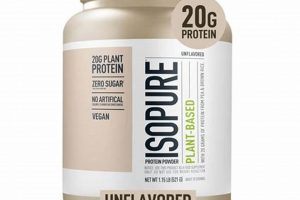
A combination of plant-based protein sources added to oatmeal constitutes a hearty and nutritious breakfast or meal option. This formulation caters to individuals seeking to increase their protein intake while adhering to a plant-based dietary preference. Examples include oatmeal prepared with soy milk and fortified with protein powder derived from peas, rice, or hemp. The protein addition aims to elevate the nutritional profile of a traditionally carbohydrate-rich food.
The appeal of this food choice stems from its potential to provide sustained energy, support muscle recovery, and contribute to overall satiety. Historically, incorporating sufficient protein into plant-based diets posed a challenge. The development and availability of various plant-based protein supplements, alongside the versatility of oats, have facilitated the creation of more balanced and convenient plant-based meal options.
The following sections will delve into the specific types of plant-derived proteins suitable for addition to oatmeal, explore the nutritional advantages offered, and outline practical considerations for incorporating this dietary approach into daily meal planning.
Enhancing the Nutritional Profile of Plant-Based Oatmeal
This section outlines practical recommendations for optimizing the nutritional value and culinary experience of plant-based oatmeal, focusing on strategic protein supplementation and ingredient selection.
Tip 1: Prioritize Complete Protein Sources: Incorporate protein powders that provide all nine essential amino acids. Soy protein, quinoa, and blends of rice and pea protein offer complete amino acid profiles, crucial for muscle protein synthesis and overall health.
Tip 2: Carefully Consider Protein Powder Texture: Some protein powders exhibit undesirable textures when mixed with hot liquids. Experiment with different brands and types to find one that dissolves smoothly without clumping or altering the oatmeal’s consistency excessively. Consider blending the protein powder with cold plant-based milk before adding it to the cooked oatmeal.
Tip 3: Optimize the Timing of Protein Addition: Adding protein powder after the oatmeal has finished cooking can minimize denaturation and preserve its digestibility. Furthermore, allowing the oatmeal to cool slightly before adding protein may prevent clumping.
Tip 4: Enhance Flavor with Complementary Ingredients: Plant-based oatmeal benefits from the addition of ingredients that complement both the flavor of the oats and the protein source. Nut butters, seeds (chia, flax, hemp), berries, and spices (cinnamon, nutmeg) can improve palatability and contribute additional nutrients.
Tip 5: Fortify with Healthy Fats: Supplementing with healthy fats enhances satiety and improves the absorption of fat-soluble vitamins. Avocado slices, chopped nuts, or a drizzle of nut butter provide sustained energy and support overall health.
Tip 6: Monitor Macronutrient Ratios: While protein is crucial, maintaining a balanced macronutrient ratio is essential. Adjust portion sizes of oats, protein powder, and added fats to meet individual dietary needs and goals. Consider consulting a registered dietitian or nutritionist for personalized recommendations.
Tip 7: Pay Attention to Added Sugars: Be mindful of added sugars present in some flavored protein powders and toppings. Opt for unsweetened protein powders and sweeten the oatmeal naturally with fruit or a small amount of maple syrup or agave nectar.
Consistent implementation of these guidelines enhances the nutritional profile and enjoyment of this meal, fostering a balanced and sustainable dietary pattern. The subsequent sections will explore specific recipe variations and further considerations for long-term integration into a plant-based lifestyle.
1. Plant-based protein sources.

The incorporation of plant-based protein sources forms the cornerstone of any formulation that can accurately be described as “vegan protein oats.” The term “vegan” intrinsically necessitates the exclusion of animal-derived ingredients, therefore mandating that the protein component originates from plant material. Failure to adhere to this criterion would render the final product incompatible with a vegan dietary framework. Examples of suitable protein sources include soy protein isolate, pea protein, brown rice protein, hemp protein, and chia seeds. The selection of a specific protein source influences both the nutritional profile, particularly the amino acid composition, and the sensory characteristics, such as taste and texture, of the finished oatmeal.
The specific plant-based protein selected directly impacts the nutritional benefits derived from the oatmeal. For instance, soy protein isolate offers a complete amino acid profile, comparable to that of animal-derived proteins, making it a favorable choice for individuals prioritizing muscle protein synthesis. In contrast, brown rice protein, while a valuable source of protein, is lower in lysine, an essential amino acid. Consequently, combining brown rice protein with other plant-based protein sources, such as pea protein, which is rich in lysine, is a common strategy to achieve a more balanced amino acid profile. From a practical standpoint, understanding the characteristics of different protein sources allows consumers to make informed choices aligned with their individual dietary needs and preferences.
In summary, the presence and nature of plant-based protein sources are fundamental to the definition and efficacy of “vegan protein oats.” The mindful selection of these protein sources not only adheres to the ethical constraints of veganism but also plays a crucial role in determining the nutritional value, sensory appeal, and overall effectiveness of this dietary approach. However, challenges such as finding palatable protein sources and ensuring adequate nutrient diversity remain areas of ongoing development and refinement within the realm of plant-based nutrition.
2. Amino acid completeness.

Amino acid completeness is a critical factor when evaluating the nutritional adequacy of “vegan protein oats.” Unlike animal-derived proteins, many plant-based proteins are considered incomplete, meaning they lack sufficient amounts of one or more of the nine essential amino acids that the human body cannot synthesize. The following points detail the specific considerations necessary to ensure amino acid completeness in this context.
- Role of Essential Amino Acids
Essential amino acids are building blocks for proteins, which are necessary for various bodily functions, including muscle building, hormone production, and enzyme synthesis. Inadequate intake of any one essential amino acid can limit these processes, impacting overall health. Supplementing “vegan protein oats” with complete proteins or complementing incomplete proteins with others that supply the missing amino acids is, therefore, essential.
- Identifying Limiting Amino Acids
Different plant-based protein sources have different limiting amino acids. For example, lysine is often a limiting amino acid in grains like oats and brown rice protein, while methionine may be limiting in legumes like peas. Determining which amino acids are deficient in the primary protein source of “vegan protein oats” allows for targeted supplementation or the combination of complementary proteins.
- Strategies for Achieving Completeness
Several strategies can be employed to achieve amino acid completeness in “vegan protein oats.” One approach involves using protein powders derived from complete plant-based sources like soy or quinoa. Another strategy involves combining incomplete protein sources that complement each other. For example, combining oats with pea protein can create a more complete amino acid profile than either food alone.
- Practical Implications and Examples
Consider a breakfast of oats fortified with brown rice protein. Brown rice protein is low in lysine. To address this, one could add a scoop of pea protein, which is rich in lysine. Alternatively, including ingredients like chia seeds, which contain a reasonable amount of lysine and other essential amino acids, can contribute to a more complete amino acid profile. This approach ensures that the oatmeal provides a balanced source of all essential amino acids, supporting muscle protein synthesis and overall nutritional adequacy.
Ensuring amino acid completeness in “vegan protein oats” requires a deliberate approach. By understanding the amino acid profiles of different plant-based protein sources and employing strategic supplementation or combination strategies, it becomes possible to create a nutritionally robust and effective meal. This focused approach is essential for individuals relying on plant-based diets to meet their protein needs and support optimal health.
3. Fiber content enhancement.

Fiber content enhancement represents a significant aspect of optimizing “vegan protein oats” as a nutritional food choice. The inherent fiber content of oats provides a baseline, but strategic additions can substantially elevate the total fiber, yielding pronounced physiological benefits. This enhancement is achieved through the incorporation of ingredients known for their high fiber concentration, such as flax seeds, chia seeds, and certain fruits. The causal relationship is straightforward: increased addition of these elements directly results in elevated fiber levels within the oatmeal. This enhanced fiber content then triggers a cascade of positive effects on digestion, satiety, and blood glucose regulation. For example, a standard serving of oatmeal might contain 4 grams of fiber; adding two tablespoons of flax seeds can readily double this amount. The practical significance is observed in improved bowel regularity and sustained energy levels, thereby mitigating the likelihood of mid-morning energy crashes.
The importance of fiber enhancement extends beyond mere digestive health. Soluble fiber, prevalent in oats and further amplified by ingredients like chia seeds, contributes to lowering LDL cholesterol levels. This mechanism involves the binding of bile acids in the digestive tract, thereby prompting the liver to utilize cholesterol to produce more bile. Moreover, the increased viscosity of the digestive contents, resulting from higher fiber intake, slows glucose absorption. This attenuated glucose response is particularly beneficial for individuals managing diabetes or pre-diabetes, as it mitigates postprandial hyperglycemia. Consider, for instance, a comparison between two breakfasts: one consisting of plain oatmeal and the other comprising oatmeal fortified with berries and flax seeds. The latter elicits a significantly lower glycemic response, offering sustained energy without abrupt blood sugar fluctuations. Practical application necessitates careful consideration of portion sizes, as excessive fiber intake can, in some individuals, lead to gastrointestinal discomfort.
In summary, fiber content enhancement is an indispensable consideration in the formulation of “vegan protein oats.” This approach not only leverages the inherent benefits of oats but also amplifies their nutritional impact through the strategic addition of high-fiber ingredients. The result is a more satiating, digestion-friendly, and metabolically beneficial meal option. Challenges primarily revolve around achieving optimal fiber levels without inducing digestive distress and ensuring that the added fiber sources are palatable and complementary to the overall flavor profile. The deliberate focus on fiber enhancement within the context of “vegan protein oats” underscores the potential to create a nutritionally superior and health-promoting dietary choice.
4. Sustained energy provision.
The ability of “vegan protein oats” to provide sustained energy is a critical attribute, influencing its suitability as a breakfast or meal replacement option. This sustained release of energy hinges on the interplay between several key components inherent in the formulation.
- Complex Carbohydrates in Oats
Oats are primarily composed of complex carbohydrates, which are digested and absorbed more slowly than simple sugars. This slower digestion results in a gradual release of glucose into the bloodstream, preventing rapid spikes and subsequent crashes in energy levels. The presence of beta-glucan, a soluble fiber in oats, further modulates glucose absorption, contributing to a more stable energy supply.
- Protein’s Impact on Glycemic Response
The addition of plant-based protein to oats further influences the glycemic response. Protein slows down the digestion and absorption of carbohydrates, attenuating the postprandial rise in blood glucose. This effect is particularly pronounced when incorporating protein sources with a high satiety index, such as soy protein isolate or pea protein. Consequently, the combination of complex carbohydrates and protein leads to a more sustained release of energy compared to consuming carbohydrates alone.
- Fiber’s Role in Prolonging Satiety
Fiber, whether inherent in oats or added through ingredients like flax seeds or chia seeds, contributes significantly to satiety and prolonged energy release. Fiber increases the viscosity of the digestive contents, slowing gastric emptying and delaying the absorption of nutrients. This results in a feeling of fullness that lasts longer, reducing the likelihood of hunger pangs and subsequent snacking on less nutritious foods. In practical terms, a breakfast of “vegan protein oats” with added fiber can sustain energy levels for several hours, supporting productivity and focus.
- Fat Content and Energy Density
The inclusion of healthy fats, such as those found in nuts, seeds, or nut butters, enhances the energy density of “vegan protein oats.” Fats are digested and absorbed more slowly than carbohydrates or protein, providing a long-lasting source of energy. Furthermore, fats contribute to satiety and improve the absorption of fat-soluble vitamins. However, it is essential to consider the type and amount of fat added, as excessive consumption of saturated or trans fats can have detrimental health effects. Unsaturated fats, such as those found in avocados or almonds, are preferable for optimizing both energy provision and overall health.
In conclusion, the sustained energy provision characteristic of “vegan protein oats” is a multifaceted outcome resulting from the synergistic interaction of complex carbohydrates, protein, fiber, and healthy fats. This combination promotes a gradual and sustained release of energy, mitigates blood sugar fluctuations, and enhances satiety, making it a valuable dietary choice for individuals seeking to maintain stable energy levels throughout the day. The efficacy of this approach depends on the careful selection of ingredients and the maintenance of balanced macronutrient ratios.
5. Versatile flavor profiles.
The adaptability of “vegan protein oats” to accommodate diverse flavor profiles constitutes a significant advantage, influencing long-term adherence and dietary satisfaction. The neutral base flavor of oats provides a blank canvas, allowing for the incorporation of various ingredients to create a wide spectrum of palatable options. This versatility is not merely aesthetic; it directly impacts the sustained consumption of a nutritious meal, addressing a common challenge in maintaining plant-based diets. The inherent flavor of the protein source, whether soy, pea, or rice-based, can often present palatability issues. The ability to mask or complement these flavors with fruit, spices, or natural sweeteners is therefore crucial for acceptance. For example, the earthy taste of hemp protein can be effectively mitigated by incorporating berries and a touch of maple syrup, creating a more appealing flavor profile.
The practical applications of this flavor versatility are manifold. Individuals can tailor their “vegan protein oats” to suit seasonal produce availability, personal preferences, and specific dietary needs. During autumn, the addition of pumpkin puree, cinnamon, and nutmeg creates a seasonally appropriate and comforting breakfast. In contrast, summer might favor the inclusion of fresh berries, shredded coconut, and lime zest for a lighter, more refreshing option. Furthermore, the flavor profile can be adjusted to address specific nutritional goals. Adding ingredients like cacao powder and chia seeds not only enhances the chocolate flavor but also increases the intake of antioxidants and omega-3 fatty acids. The customization potential also extends to accommodating allergies and intolerances, allowing for the substitution of ingredients to create safe and palatable alternatives. A nut allergy, for instance, necessitates the exclusion of nut butters, which can be replaced by sunflower seed butter or tahini without compromising the overall flavor profile.
In conclusion, the versatility of flavor profiles represents a key factor in the sustained integration of “vegan protein oats” into a plant-based diet. This adaptability addresses the challenges of palatability and dietary monotony, promoting long-term adherence and maximizing the nutritional benefits derived from this meal. While the combinations are virtually limitless, careful consideration should be given to the nutritional content of added ingredients to ensure that the resulting flavor profiles align with specific health and dietary objectives. Ongoing exploration of novel flavor combinations and ingredient pairings remains crucial to fully realizing the potential of “vegan protein oats” as a palatable and nutritious dietary staple.
Frequently Asked Questions
This section addresses common inquiries and clarifies potential misconceptions surrounding plant-based protein-enriched oatmeal as a dietary choice.
Question 1: Is “vegan protein oats” nutritionally complete?
The nutritional completeness depends on the specific protein source utilized. Some plant-based proteins, such as soy protein isolate, offer a complete amino acid profile. However, others, such as brown rice protein, are incomplete and require strategic combination with complementary protein sources to ensure all essential amino acids are adequately supplied.
Question 2: Does “vegan protein oats” provide adequate protein for muscle building?
Adequate protein intake for muscle building necessitates consuming sufficient quantities of high-quality protein sources. “Vegan protein oats” can contribute significantly to this requirement, particularly when formulated with protein sources rich in branched-chain amino acids (BCAAs). The total protein content and amino acid profile must be considered relative to individual needs and activity levels.
Question 3: How does “vegan protein oats” compare to traditional oatmeal in terms of nutritional value?
Traditional oatmeal primarily provides carbohydrates and fiber. “Vegan protein oats” enhance the nutritional profile by increasing protein content, which supports satiety, muscle maintenance, and overall metabolic health. The addition of protein transforms oatmeal from a primarily carbohydrate-based meal to a more balanced macronutrient composition.
Question 4: Are there potential downsides to consuming “vegan protein oats?”
Potential downsides may include digestive discomfort from excessive fiber intake or the presence of allergens in specific ingredients. Individuals with soy, nut, or gluten sensitivities should carefully examine ingredient labels and select appropriate alternatives. Furthermore, some protein powders may contain artificial sweeteners or additives that are not desirable for all consumers.
Question 5: How can “vegan protein oats” be incorporated into a balanced dietary plan?
Integration into a balanced dietary plan requires considering the overall macronutrient distribution and caloric intake. “Vegan protein oats” can serve as a nutritious breakfast, snack, or post-workout meal. Balancing this meal with other nutrient-rich foods throughout the day is essential to meet all dietary requirements.
Question 6: Can “vegan protein oats” be prepared in advance?
Preparation in advance is feasible, although the texture may change upon refrigeration. Overnight oats recipes, where oats are soaked in plant-based milk and protein powder overnight, provide a convenient make-ahead option. However, some protein powders may alter the consistency, requiring adjustments to the liquid-to-oats ratio.
Key takeaways include the importance of considering protein source, addressing potential digestive issues, and balancing “vegan protein oats” within the context of an overall healthy dietary pattern.
The subsequent section will provide sample recipes and meal plans incorporating this dietary approach.
Vegan Protein Oats
This exploration has elucidated the multifaceted nature of vegan protein oats, extending beyond a simple combination of ingredients. The analysis underscores the importance of amino acid completeness, strategic fiber enhancement, and the careful selection of plant-based protein sources. The versatility in flavor profiles emerges as a critical factor in long-term dietary adherence. The sustained energy provision, stemming from the interplay of complex carbohydrates, protein, and fiber, positions vegan protein oats as a valuable meal option.
The future integration of vegan protein oats hinges on continued refinement of plant-based protein sources, addressing palatability challenges, and optimizing nutrient density. The information presented serves as a foundation for informed dietary choices, empowering individuals to leverage the benefits of plant-based nutrition for sustained health and well-being. A continued focus on research and innovation will further solidify the role of vegan protein oats in promoting balanced and sustainable dietary patterns.