Baked goods that are both plant-based and enriched with significant quantities of protein exemplify a growing trend in dietary preferences. These items typically substitute traditional animal-derived ingredients, such as eggs and dairy, with plant-based alternatives while incorporating protein sources like legumes, seeds, or protein isolates to enhance their nutritional profile. A common example includes a baked treat formulated with almond flour, pea protein, and flaxseed, providing a substantial protein boost compared to conventional recipes.
The appeal of these dietary options stems from several factors, including the increasing adoption of vegan lifestyles, a heightened awareness of the importance of protein in maintaining muscle mass and overall health, and a desire for convenient and palatable ways to meet nutritional needs. Historically, plant-based baking presented challenges in replicating the texture and protein content of traditional recipes. However, advancements in food technology and the availability of diverse plant-based ingredients have enabled the creation of appealing and nutritionally complete products.
The subsequent sections will delve into specific ingredients commonly utilized in their preparation, explore various recipe formulations, and discuss the nutritional considerations associated with incorporating these items into a balanced diet.
Preparation Guidance
The following recommendations aim to optimize the outcome when preparing protein-enhanced, plant-based muffins. Adherence to these suggestions can improve texture, flavor, and nutritional value.
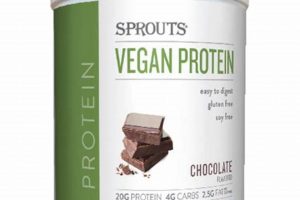
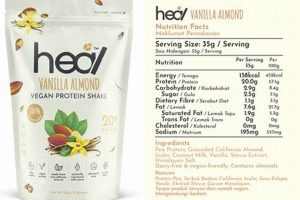
Tip 1: Select High-Quality Protein Sources: Utilize plant-based protein powders, such as pea, brown rice, or soy protein isolate, from reputable manufacturers to ensure purity and optimal amino acid profiles. Consider the protein source’s impact on flavor and texture.
Tip 2: Optimize Flour Selection: Incorporate a blend of flours, such as almond flour, oat flour, and whole wheat flour, to balance texture and nutritional content. Avoid using solely gluten-free flours without a binding agent, as this can result in a crumbly product.
Tip 3: Hydration Management: Plant-based flours often absorb more liquid than traditional wheat flour. Adjust liquid ratios accordingly, using unsweetened applesauce, mashed banana, or plant-based milk to maintain a moist consistency.
Tip 4: Incorporate Natural Sweeteners: Opt for natural sweeteners like dates, maple syrup, or coconut sugar in moderation. Consider the impact of each sweetener on the overall glycemic index of the finished product.
Tip 5: Enhance Flavor Profiles: Utilize spices like cinnamon, nutmeg, or ginger, along with extracts such as vanilla or almond, to enhance the flavor profile and mask any potential off-flavors from the protein powder.
Tip 6: Optimize Baking Time and Temperature: Reduce oven temperature by 25 degrees Fahrenheit and monitor baking time closely. Plant-based muffins tend to brown faster than traditional muffins due to the higher sugar content in some plant-based ingredients.
Tip 7: Fat Content Consideration: Supplement healthy fats with ingredients such as flaxseed meal, chia seeds, or nut butter to improve texture and add nutritional value. Adjust the amount of liquid according to the fat content.
Careful consideration of ingredient selection, hydration levels, flavor enhancements, and baking parameters is crucial for achieving superior quality in protein-enriched, plant-based baked goods.
These guidelines provide a foundation for successful preparation. The subsequent section will discuss recipe modification techniques for dietary restrictions and specific nutritional goals.
1. Protein Sources

The elevated protein content inherent in specialized vegan muffins stems directly from the inclusion of concentrated plant-based protein sources. Without these additions, the protein level would remain comparable to standard baked goods, failing to meet the nutritional requirements associated with a “high protein” designation. These sources serve as the primary drivers of the protein enhancement, fundamentally altering the macronutrient profile of the muffin. For instance, substituting a portion of the flour with pea protein isolate or incorporating seeds such as chia or flax introduces a substantial quantity of protein that is otherwise absent.
The type of protein source chosen exerts a significant influence on the muffin’s texture, flavor, and overall nutritional composition. Soy protein isolate, for example, provides a high concentration of protein but may introduce a subtle flavor. In contrast, hemp protein offers a complete amino acid profile along with fiber and healthy fats, but it imparts a distinct earthy taste. A practical application of this understanding lies in recipe formulation; bakers strategically combine different protein sources to mitigate undesirable flavors or textures, achieving a balance between nutritional benefit and palatability. The selection of a protein source therefore entails careful consideration of its functional properties and sensory impact.
In summary, protein sources are indispensable components of these particular muffins, directly dictating their protein content and influencing their overall characteristics. The careful selection and application of appropriate protein sources are essential to achieving a palatable, nutritionally balanced product. The challenge lies in optimizing the type and quantity of protein to meet dietary goals without compromising taste or texture, a crucial consideration for successful formulation.
2. Plant-Based Alternatives

The formulation of plant-based, protein-enriched muffins necessitates the strategic replacement of traditional animal-derived ingredients with suitable plant-based counterparts. This substitution impacts the structural integrity, flavor profile, and nutritional composition of the final product, requiring a nuanced understanding of ingredient functionality.
- Egg Replacers
Eggs traditionally contribute binding, leavening, and moisture to baked goods. In plant-based formulations, flaxseed meal mixed with water, applesauce, or mashed banana often serves as an effective binder. These alternatives introduce moisture and help emulsify fats, compensating for the absence of eggs. The specific choice of egg replacer influences the final texture, with flaxseed providing a slightly denser result compared to applesauce.
- Dairy Substitutes
Dairy milk, butter, and whey protein are common ingredients in conventional muffins. Plant-based milks, such as almond, soy, or oat milk, replace dairy milk, each imparting a unique flavor and fat content. Coconut oil or vegan butter alternatives stand in for butter, contributing to the fat content essential for moistness and tenderness. Plant-based protein isolates, derived from soy, pea, or rice, are used to increase protein levels, mirroring the role of whey protein.
- Sweeteners
While refined sugar is technically plant-derived, health-conscious formulations often incorporate alternatives. Maple syrup, agave nectar, and date paste provide sweetness while contributing additional nutrients and potentially lowering the glycemic index. These sweeteners also impact moisture levels and browning characteristics, necessitating adjustments to other ingredients.
- Fats and Oils
Traditional muffin recipes rely on butter or other animal-derived fats for texture and flavor. Plant-based recipes can use ingredients such as coconut oil, olive oil, or vegan butter alternatives. The careful selection of fats is essential to maintain the desired moisture and texture characteristics of the muffins.
The successful creation of high-protein, plant-based muffins hinges on the informed selection and application of these alternatives. Each substitution introduces unique considerations, influencing the final product’s sensory attributes and nutritional value. A meticulous approach to ingredient selection and recipe adaptation is paramount in achieving a palatable and nutritionally optimized outcome.
3. Texture Optimization

Texture optimization constitutes a critical aspect of producing palatable, high-protein, plant-based muffins. The absence of traditional binding agents, such as eggs and gluten, coupled with the inclusion of ingredients like protein isolates and alternative flours, presents unique challenges in achieving a desirable crumb structure and mouthfeel.
- Flour Blends and their Impact
The selection of flour blends directly influences the muffin’s internal structure. Substituting wheat flour with gluten-free alternatives like almond flour, coconut flour, or oat flour alters the gluten network’s formation, resulting in a potentially crumbly or dense texture. Strategic combinations of these flours, often augmented with binding agents like psyllium husk or xanthan gum, are necessary to mimic the cohesive properties of gluten. For instance, a blend of oat flour, almond flour, and a small amount of tapioca starch can approximate the texture of all-purpose flour in a plant-based muffin formulation.
- Moisture Management Strategies
Maintaining appropriate moisture levels is essential for preventing dryness in plant-based baked goods. The inclusion of ingredients like applesauce, mashed banana, or plant-based yogurt introduces moisture while also contributing to binding. Excessive moisture, however, can lead to a gummy or dense texture. Therefore, careful calibration of liquid ingredients is required to achieve a balanced hydration level. An example would be reducing the amount of plant-based milk when incorporating a high-moisture ingredient like mashed banana.
- Protein Integration Techniques
The incorporation of protein isolates, such as pea protein or brown rice protein, can significantly impact texture. High concentrations of protein can result in a dry, chalky mouthfeel. Techniques like pre-hydration of the protein powder or the use of finely milled protein isolates can mitigate these effects. Furthermore, combining different protein sources can improve the overall texture; for instance, blending pea protein with hemp protein can balance the amino acid profile while minimizing undesirable textural characteristics.
- Fat Selection and Distribution
The type and distribution of fats play a crucial role in texture development. Plant-based fats, such as coconut oil or olive oil, impart different textural qualities compared to butter. Coconut oil, being solid at room temperature, can contribute to a slightly firmer texture, while olive oil produces a more tender crumb. Emulsification techniques, such as creaming the fat with a sweetener, can improve fat distribution and contribute to a lighter, more even texture.
These facets illustrate that texture optimization in high-protein, plant-based muffins is a multifaceted process requiring careful consideration of ingredient interactions. The manipulation of flour blends, moisture levels, protein integration, and fat selection are all essential to creating a product that meets consumer expectations for both taste and texture, ultimately contributing to the overall success of these specialized baked goods.
4. Nutritional Balance
The integration of high protein content into plant-based muffins necessitates careful attention to overall nutritional balance. Increasing protein levels without considering other essential nutrients may lead to a disproportionate macronutrient profile, potentially compromising health benefits. For instance, a muffin formulated solely with protein isolate and refined carbohydrates would lack fiber, vitamins, and minerals, thereby diminishing its nutritional value despite the elevated protein content. A balanced formulation requires consideration of carbohydrates, fats, vitamins, minerals, and fiber, alongside protein, to ensure a comprehensive nutritional profile.
Achieving nutritional balance in these baked goods involves strategic ingredient selection and portion control. Incorporating whole grains, nuts, seeds, and fruits contributes essential micronutrients and dietary fiber. Utilizing unsaturated fats from sources like flaxseed or avocado offers heart-healthy benefits. Furthermore, limiting added sugars and saturated fats is crucial for maintaining a healthy nutritional profile. A practical example involves substituting a portion of refined flour with whole wheat flour, adding chopped nuts and seeds, and using natural sweeteners like dates or maple syrup. Portion size also plays a crucial role; even a nutritionally balanced muffin can contribute to excessive calorie intake if consumed in large quantities.
In summary, the creation of high-protein, plant-based muffins should prioritize holistic nutritional balance. An understanding of macronutrient ratios, micronutrient contributions, and ingredient sourcing is essential for optimizing the health benefits of these baked goods. Challenges remain in achieving palatability while adhering to strict nutritional guidelines, necessitating ongoing research and innovation in recipe formulation. The ultimate goal is to provide a convenient and palatable option that contributes to a balanced and healthy diet.
5. Flavor Enhancement

The successful integration of plant-based proteins into muffin formulations necessitates a deliberate approach to flavor enhancement. Plant-based proteins can impart distinct off-flavors that may detract from palatability, requiring strategic use of complementary ingredients to achieve a desirable taste profile.
- Spice Integration and Aromatic Compounds
Spices such as cinnamon, nutmeg, and ginger contribute aromatic complexity, effectively masking any inherent off-flavors from plant-based protein sources. These spices introduce volatile compounds that interact with olfactory receptors, creating a more appealing sensory experience. For instance, cinnamon pairs well with protein derived from legumes, while nutmeg complements nut-based flours, mitigating potentially bitter notes.
- Natural Sweetener Profiles and Flavor Interactions
The selection of natural sweeteners, including maple syrup, agave nectar, and date paste, extends beyond sweetness, influencing the overall flavor profile. Maple syrup contributes a characteristic caramel note, enhancing the perceived richness of the muffin. Date paste introduces a subtle molasses-like flavor and moisture, improving both taste and texture. The careful choice of sweetener can effectively balance any savory or earthy undertones from protein isolates.
- Fruit and Vegetable Purees for Flavor Depth
Incorporating fruit and vegetable purees, such as applesauce, mashed banana, or pumpkin puree, contributes natural sweetness, moisture, and complex flavors. Applesauce provides a mild sweetness and helps retain moisture, while mashed banana imparts a distinct flavor and increases binding properties. Pumpkin puree introduces an earthy sweetness and enhances the muffin’s color. These additions not only improve flavor but also contribute to the overall nutritional content.
- Extracts and Essences for Aromatic Intensity
The strategic use of extracts, such as vanilla, almond, or lemon, intensifies aromatic complexity, masking unwanted flavors and creating a more appealing sensory perception. Vanilla extract contributes a warm, comforting aroma, while almond extract provides a nutty flavor that complements nut-based flours. Lemon extract adds a bright, citrusy note that balances the richness of other ingredients. Precise measurement is essential, as excessive extract can overpower the overall flavor profile.
The strategic application of spices, sweeteners, purees, and extracts is indispensable in producing palatable high-protein vegan muffins. These flavor enhancement techniques serve to offset any undesirable tastes associated with plant-based proteins, yielding a product that aligns with consumer expectations for both taste and nutritional value. Careful balancing of these elements is essential for success.
6. Dietary Adaptability

The inherent adaptability of high-protein, plant-based muffins underscores their value in accommodating diverse dietary needs and preferences. Their customizable nature allows for targeted modifications to address specific health requirements and lifestyle choices, thereby expanding their appeal and utility.
- Allergen Management
Formulations can be adapted to exclude common allergens such as gluten, soy, nuts, and dairy. Substituting almond flour with oat flour or using sunflower seed butter in place of peanut butter makes the product accessible to individuals with specific sensitivities. The use of rice protein instead of soy protein eliminates soy-related concerns. Careful ingredient selection and clear labeling are crucial in this regard.
- Glycemic Index Modulation
Ingredients can be adjusted to influence the muffin’s glycemic index, catering to individuals managing blood sugar levels. Replacing refined sugars with natural sweeteners like erythritol or stevia minimizes glucose spikes. Incorporating fiber-rich ingredients, such as psyllium husk or flaxseed meal, further stabilizes blood sugar levels. The choice of flour also impacts the glycemic response, with whole grains generally exhibiting a lower index compared to refined flours.
- Macronutrient Customization
The macronutrient profile can be tailored to meet specific dietary goals, such as ketogenic, low-carbohydrate, or high-fat diets. Adjusting the ratio of protein, carbohydrates, and fats involves strategic ingredient substitutions. Increasing the proportion of nut flours and healthy oils, while limiting high-carbohydrate ingredients, aligns with ketogenic principles. Conversely, emphasizing whole grains and reducing fat content caters to low-fat dietary requirements.
- Micronutrient Enrichment
Micronutrient content can be enhanced through the incorporation of specific ingredients. Adding spinach or kale increases vitamin and mineral content. Seeds and nuts provide essential fatty acids and trace minerals. Supplementation with specific vitamins, such as vitamin B12, may be necessary to address potential deficiencies in vegan diets. Careful consideration of ingredient sourcing and nutrient density is crucial.
The capacity to modify these muffins to address diverse dietary considerations highlights their versatility. While these modifications enhance accessibility and nutritional value, ensuring accurate labeling and transparent ingredient sourcing is paramount to maintain consumer trust and safety. The adaptability of these recipes allows individuals with specific dietary restrictions to enjoy a protein-rich, plant-based baked good that aligns with their individual requirements.
Frequently Asked Questions
The following questions address common concerns and misconceptions related to the consumption and preparation of protein-enriched, plant-based muffins.
Question 1: Are protein-enriched, plant-based muffins nutritionally complete?
Nutritional completeness varies depending on the recipe. While they can be a good source of protein, these muffins may lack certain micronutrients found in a balanced diet. Careful consideration of ingredients, including fortification with vitamins and minerals, is necessary to enhance their overall nutritional profile.
Question 2: Can these muffins effectively contribute to muscle growth and repair?
The effectiveness depends on the quantity and quality of protein consumed. Plant-based protein sources may have varying amino acid profiles. Consuming a variety of plant-based protein sources, combined with adequate overall protein intake, supports muscle protein synthesis.
Question 3: Do plant-based protein sources impact the flavor and texture of the muffins?
Yes, the type of plant-based protein significantly influences both flavor and texture. Some protein sources, such as pea protein, may impart a slightly earthy flavor, while others, like rice protein, can contribute to a drier texture. Strategic recipe formulation and flavor masking techniques are often employed to mitigate these effects.
Question 4: Are commercially available protein-enriched, plant-based muffins always a healthy choice?
Not necessarily. Many commercially available options may contain high levels of added sugars, unhealthy fats, and artificial additives. Careful examination of the nutrition facts label and ingredient list is essential to make informed choices.
Question 5: How do these muffins compare to traditional muffins in terms of macronutrient content?
Compared to traditional muffins, protein-enriched, plant-based versions typically have a higher protein content, lower saturated fat content (depending on the oils used), and comparable carbohydrate levels. The specific macronutrient composition varies significantly based on the recipe.
Question 6: Can these muffins be incorporated into a weight management plan?
Yes, in moderation. Due to their calorie density, portion control is crucial. Selecting recipes with whole grains, natural sweeteners, and healthy fats promotes satiety and supports weight management goals.
High protein vegan muffins can be a beneficial addition to a balanced dietary plan. Careful consideration of ingredients and preparation techniques is crucial to maximizing their nutritional benefits and minimizing potential drawbacks.
The subsequent section will explore recipe modifications for specific dietary restrictions and nutritional goals.
Conclusion
The preceding examination has elucidated the multifaceted aspects of high protein vegan muffins. From ingredient selection and preparation techniques to nutritional considerations and dietary adaptability, a comprehensive understanding of these baked goods is essential for both consumers and culinary professionals. The strategic integration of plant-based proteins, coupled with careful attention to texture, flavor, and overall nutritional balance, dictates the success of these specialized items.
Given the increasing demand for plant-based and protein-rich food options, continued innovation and rigorous analysis are warranted to optimize the nutritional profiles and sensory attributes of high protein vegan muffins. Further research should focus on refining ingredient combinations and preparation methods to address existing challenges and fully harness their potential contribution to a balanced diet. Their development holds significant implications for individuals seeking convenient, nutritious, and ethically sourced food choices.