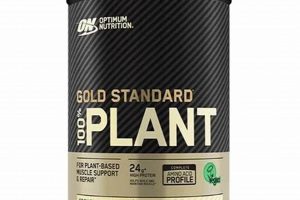
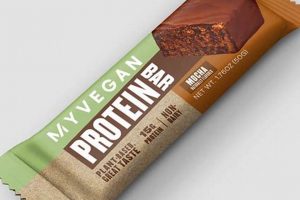
Plant-based protein supplements designed to significantly enhance muscle growth and recovery are increasingly prevalent. These products cater to individuals seeking alternatives to traditional whey-based options. They typically combine multiple plant sources, such as pea, rice, and soy, to achieve a complete amino acid profile. As an example, a powder marketed towards athletes aiming to maximize their protein intake post-workout exemplifies this category.
The importance of these formulations lies in their ability to support athletic performance and overall health without relying on animal-derived ingredients. Benefits often include improved digestibility for some individuals, reduced allergenicity compared to dairy-based proteins, and alignment with ethical considerations regarding animal welfare. Historically, the availability of effective plant-based protein supplements was limited, but advances in food technology have led to the development of high-quality, palatable options.
The subsequent sections will delve into specific aspects such as the nutritional composition of these protein blends, their efficacy in promoting muscle protein synthesis, and a comparative analysis against other protein sources. This will be followed by a discussion of consumer considerations and market trends related to this expanding sector of the sports nutrition industry.
Guidance on Maximizing Plant-Based Protein Supplementation
The following recommendations aim to optimize the utilization of concentrated vegan protein sources for muscle development and overall well-being.
Tip 1: Complete Amino Acid Profile: Ensure the chosen formulation provides a comprehensive array of essential amino acids. Combinations of pea, rice, and soy proteins often achieve this completeness. Verify the presence of adequate leucine content, critical for muscle protein synthesis.
Tip 2: Optimal Timing: Consume a serving of concentrated plant-based protein shortly after resistance training to capitalize on the anabolic window. Pre-workout consumption can also be beneficial to fuel exercise and minimize muscle breakdown.
Tip 3: Adequate Dosage: Adhere to recommended serving sizes as indicated on the product label. Individual protein needs vary based on body weight, activity level, and overall dietary intake. Consult with a registered dietitian or qualified healthcare professional for personalized guidance.
Tip 4: Ingredient Transparency: Scrutinize product labels for additives, artificial sweeteners, and fillers. Opt for products with minimal processing and readily identifiable ingredients. Third-party certifications can ensure product purity and accuracy of labeling claims.
Tip 5: Hydration: Maintain adequate hydration levels throughout the day, particularly when increasing protein intake. Water is essential for nutrient transport and metabolic processes involved in protein utilization.
Tip 6: Complementary Nutrition: Integrate concentrated plant-based protein with a balanced diet rich in whole foods, including fruits, vegetables, and whole grains. This ensures optimal micronutrient intake to support overall health and muscle function.
Tip 7: Monitor Progress: Track strength gains, body composition changes, and overall well-being. Adjust protein intake and training regimen as needed to optimize results. Consistency and long-term adherence are crucial for achieving desired outcomes.
By implementing these strategies, individuals can effectively leverage plant-derived protein supplementation to support their fitness goals and maintain a healthy lifestyle. These tips offer a focused approach to ensuring the effective utilization of protein from plant-based supplements.
The subsequent discussion will transition to examining the comparative advantages and disadvantages of various plant-based protein sources relative to conventional animal-derived options.
1. Muscle Protein Synthesis

Muscle protein synthesis (MPS) is the physiological process by which the body repairs and builds muscle tissue. Its optimization is a primary goal for individuals engaging in resistance training, and adequate protein intake is a critical factor in stimulating MPS. The efficacy of a plant-based protein source in promoting MPS is directly related to its amino acid composition, digestibility, and the timing of consumption.
- Leucine Content and mTOR Activation
Leucine, a branched-chain amino acid (BCAA), serves as a key trigger for MPS through the activation of the mammalian target of rapamycin (mTOR) pathway. Plant-based protein sources may have varying leucine concentrations compared to animal-derived proteins. Formulations specifically designed for muscle building often incorporate additional leucine or select protein sources naturally high in this amino acid to maximize mTOR activation and subsequent MPS.
- Essential Amino Acid Availability
All essential amino acids (EAAs) must be present in sufficient quantities to support MPS. If one or more EAAs are limiting, the rate of protein synthesis will be constrained. Plant-based protein sources can be combined to create a complete amino acid profile, ensuring that all EAAs are available for muscle repair and growth. Products blending pea, rice, and soy proteins often achieve this completeness.
- Digestibility and Absorption Kinetics
The rate at which a protein is digested and its amino acids are absorbed influences the MPS response. Some plant-based proteins may have slower digestion rates compared to whey protein. However, processing techniques such as enzymatic hydrolysis can improve digestibility and absorption kinetics, making them more comparable to animal-derived proteins in their ability to stimulate MPS.
- Post-Exercise Consumption Timing
Consuming protein shortly after resistance exercise maximizes MPS. This post-exercise window is a period of heightened muscle sensitivity to amino acids. Plant-based protein supplements consumed within this window can effectively support muscle repair and growth, provided they deliver sufficient quantities of EAAs, particularly leucine, and are adequately digested and absorbed.
The effectiveness of a plant-derived protein concentrate in stimulating MPS is contingent upon its leucine content, the presence of all essential amino acids, its digestibility, and the timing of consumption relative to resistance exercise. Therefore, careful consideration of these factors is necessary to optimize muscle growth and recovery using plant-based alternatives.
2. Amino Acid Profile

The amino acid profile is a critical determinant of the nutritional quality and efficacy of any protein source, including concentrated vegan protein formulations. It defines the composition and proportions of individual amino acids present, with a particular emphasis on essential amino acids (EAAs). EAAs cannot be synthesized by the human body and must be obtained through dietary sources. Without a complete and balanced amino acid profile, protein synthesis and various other physiological processes are compromised, diminishing the potential benefits derived from supplementation. For example, a vegan protein blend lacking sufficient leucine may not effectively stimulate muscle protein synthesis, even if overall protein content is high.
Concentrated plant-based protein sources often require strategic blending to achieve an optimal amino acid profile comparable to animal-derived proteins. Individual plant proteins may be limiting in certain EAAs; for instance, pea protein is relatively low in methionine, while rice protein is limited in lysine. Combining these protein sources can compensate for these deficiencies, resulting in a more complete amino acid profile. The inclusion of soy protein, known for its relatively complete amino acid profile, can also contribute to a higher-quality vegan protein blend. Manufacturers often fortify their products with specific amino acids, such as leucine, to further enhance their muscle-building potential. Real-world examples, such as comparing the amino acid profiles of single-source pea protein versus a pea and rice protein blend, clearly demonstrate the advantage of strategic combinations.
Ultimately, the amino acid profile dictates the biological value of concentrated plant-based protein. A well-balanced profile ensures efficient utilization of the protein for muscle repair, growth, and overall health. Understanding the amino acid composition of different plant protein sources and the rationale behind blending strategies is essential for both consumers and manufacturers in maximizing the benefits of these supplements. Challenges remain in achieving amino acid profiles identical to those of animal-derived proteins, but advancements in food technology and formulation strategies continue to improve the quality and efficacy of these supplements.
3. Source Diversity

The effectiveness of a concentrated plant-based protein hinges, in part, on the diversity of its constituent protein sources. This diversity directly influences the amino acid profile, digestibility, and overall nutritional value of the final product. Relying on a single plant protein source often results in an incomplete amino acid profile, limiting the potential for muscle protein synthesis and overall health benefits. For instance, a protein powder derived solely from brown rice may be low in lysine, an essential amino acid critical for various physiological functions. Source diversity mitigates these limitations by combining different plant proteins, each contributing a unique array of amino acids to create a more balanced and complete profile.
The practical significance of source diversity manifests in improved product efficacy and broader applicability. Formulations incorporating a blend of pea, rice, and soy proteins, or combinations of other plant-based sources like quinoa, chia, and pumpkin seed, can deliver a more comprehensive spectrum of essential amino acids than any single source alone. This approach not only enhances muscle-building potential but also ensures a wider range of micronutrients and phytonutrients, contributing to improved overall health. Real-world examples, such as comparative studies of muscle growth outcomes between individuals consuming single-source versus multi-source vegan protein supplements, increasingly demonstrate the advantages of source diversity.
While source diversity offers substantial benefits, challenges remain in optimizing blend ratios and ensuring consistent product quality. Determining the ideal proportions of each protein source requires careful consideration of their individual amino acid profiles and digestibility characteristics. Additionally, manufacturers must address potential allergenicity concerns associated with certain plant proteins. Nevertheless, the clear advantages of source diversity in achieving a more complete and bioavailable protein source underscore its importance in the ongoing development and refinement of effective vegan protein supplements. Increased source diversity has a direct effect on “vegan monster protein” profile.
4. Digestibility Factors

Digestibility represents a critical consideration in the context of concentrated plant-based protein, directly influencing the bioavailability of amino acids and, consequently, the effectiveness of the supplement in supporting muscle protein synthesis and overall health. The inherent characteristics of plant proteins, along with processing methods employed, significantly impact digestibility.
- Presence of Anti-Nutritional Factors
Plant-based protein sources often contain anti-nutritional factors, such as phytates, tannins, and trypsin inhibitors, which can interfere with protein digestion and amino acid absorption. These compounds bind to proteins and minerals, reducing their bioavailability. Processing techniques like soaking, sprouting, and fermentation can help to reduce the levels of these anti-nutritional factors, thereby improving digestibility. The extent to which these factors are present and mitigated significantly impacts the efficacy of a protein concentrate.
- Protein Structure and Complexity
The complex structure of plant proteins, including their tertiary and quaternary conformations, can hinder enzymatic access and reduce the rate of digestion. Processing methods such as heat treatment, mechanical disruption, and enzymatic hydrolysis can alter protein structure, making them more susceptible to digestion. For example, hydrolyzing plant proteins breaks them down into smaller peptides and free amino acids, facilitating faster absorption and a more pronounced insulinemic response. This is a key reason that some are more effective in creating the “monster” effect.
- Fiber Content
While dietary fiber is generally beneficial for health, high fiber content in plant-based protein sources can slow down digestion and reduce protein bioavailability. Fiber can increase viscosity in the digestive tract, limiting enzyme-substrate interactions and nutrient absorption. The degree to which fiber impacts digestibility depends on the type and amount of fiber present, as well as individual digestive capacity. Processing methods that reduce fiber content without compromising protein quality can enhance digestibility.
- Individual Digestive Capacity
Individual variations in digestive enzyme activity, gut microbiota composition, and gastrointestinal motility can influence the digestibility of concentrated plant-based protein. Some individuals may experience digestive discomfort or bloating when consuming large amounts of plant-based protein due to their inability to efficiently break down complex plant cell walls or specific protein fractions. Factors such as age, health status, and dietary habits can all contribute to these individual differences in digestive capacity, affecting how effectively they can utilize concentrated plant-derived protein sources.
These digestibility factors, when optimized through appropriate sourcing, processing, and individual adaptation, are crucial for realizing the full potential of concentrated plant-based protein. Understanding and addressing these factors is essential for both manufacturers and consumers aiming to maximize the nutritional benefits and minimize any potential adverse effects associated with their consumption.
5. Ethical Considerations
The consumption of concentrated plant-based protein products, particularly those marketed towards enhancing muscle mass and strength, is intrinsically linked to a spectrum of ethical considerations. These considerations stem from concerns about animal welfare, environmental sustainability, and human health. The demand for “vegan monster protein” necessitates a critical examination of the sourcing, production, and distribution practices associated with these supplements. The absence of animal-derived ingredients inherently addresses ethical concerns related to factory farming and animal exploitation, which are primary motivators for many consumers adopting a vegan lifestyle. However, it is crucial to extend ethical scrutiny beyond the absence of animal products and assess the wider implications of plant-based protein production.
Environmental sustainability constitutes another pivotal ethical dimension. The production of plant proteins, while generally considered less resource-intensive than animal agriculture, still carries an environmental footprint. Factors such as land use, water consumption, pesticide application, and transportation contribute to the overall impact. For instance, the large-scale cultivation of soy, a common ingredient in vegan protein supplements, has been associated with deforestation and habitat loss in certain regions. Responsible sourcing practices, such as utilizing sustainably farmed ingredients and minimizing transportation distances, are essential for mitigating these environmental concerns. Ethical sourcing certifications, third-party audits, and transparent supply chains play a crucial role in ensuring that plant protein production aligns with environmental sustainability principles. Practical applications include choosing brands committed to regenerative agriculture or those utilizing upcycled plant materials to minimize waste.
In conclusion, ethical considerations are an indispensable component of “vegan monster protein,” extending beyond the mere avoidance of animal products. The ethical consumer should prioritize brands that demonstrate a commitment to both animal welfare and environmental sustainability through responsible sourcing practices, transparent supply chains, and sustainable production methods. While challenges remain in fully quantifying and mitigating the ethical impacts of plant protein production, a conscious and informed approach is essential for ensuring that these products align with broader ethical values. The convergence of ethical consumerism and athletic performance highlights the growing demand for sustainably and ethically produced plant-based supplements.
Frequently Asked Questions
The following questions and answers address common inquiries and misconceptions regarding the utilization of concentrated plant-based protein formulations for optimizing muscle hypertrophy and strength gains.
Question 1: Are concentrated plant-based protein sources as effective as whey protein for stimulating muscle protein synthesis?
The effectiveness of concentrated plant-based protein in stimulating muscle protein synthesis depends on factors such as amino acid profile, digestibility, and leucine content. Formulations strategically blended from multiple plant sources and fortified with leucine can achieve comparable muscle protein synthesis rates to whey protein.
Question 2: How does the amino acid profile of “vegan monster protein” compare to that of animal-derived proteins?
The amino acid profiles of individual plant proteins often differ from those of animal-derived proteins, with some essential amino acids present in limiting quantities. However, strategic blending of different plant sources, such as pea, rice, and soy, can create a more complete and balanced amino acid profile, rivaling that of animal-derived options.
Question 3: What are the primary sources of “vegan monster protein”, and what are their respective benefits and drawbacks?
Common sources of concentrated plant-based protein include pea, rice, soy, hemp, and chia. Pea protein offers high bioavailability and a good amino acid profile, but may be low in methionine. Rice protein is hypoallergenic and easily digestible, but limited in lysine. Soy protein provides a complete amino acid profile but raises allergenicity concerns for some individuals.
Question 4: How does processing impact the digestibility and bioavailability of concentrated plant-based protein?
Processing methods such as enzymatic hydrolysis, fermentation, and heat treatment can significantly improve the digestibility and bioavailability of concentrated plant-based protein. These processes reduce the presence of anti-nutritional factors and alter protein structure to facilitate more efficient enzymatic breakdown and amino acid absorption.
Question 5: Are there any potential drawbacks or side effects associated with consuming large amounts of concentrated plant-based protein?
Consumption of large amounts of concentrated plant-based protein may lead to digestive discomfort in some individuals, particularly those with sensitivities to specific plant proteins or high-fiber diets. Potential side effects include bloating, gas, and altered bowel habits. Adequate hydration and gradual increases in protein intake can help to mitigate these effects.
Question 6: How can consumers ensure they are selecting high-quality, ethically sourced “vegan monster protein” supplements?
Consumers can prioritize products with third-party certifications for purity and quality, scrutinize ingredient lists for artificial additives and fillers, and seek out brands committed to sustainable sourcing practices. Ethical certifications, transparent supply chains, and responsible manufacturing processes are indicators of a higher-quality, ethically sourced product.
The information provided aims to clarify common points of confusion surrounding plant-based protein supplementation and equip individuals with the knowledge necessary to make informed choices. Considerations of amino acid profiles, digestion, ethical sourcing, are all crucial for “vegan monster protein” to success.
The subsequent section will transition to examining current market trends and future directions in the plant-based protein industry.
Conclusion
This exploration of concentrated plant-based protein has underscored its viability as a legitimate alternative to animal-derived sources, particularly for individuals pursuing enhanced muscle development. Success hinges upon strategic formulation to achieve complete amino acid profiles, optimization of digestibility, and adherence to ethical sourcing practices. The increasing prevalence of veganism, coupled with advancements in food technology, has propelled significant progress in the quality and efficacy of these protein supplements.
The continued evolution of “vegan monster protein” rests on sustained research into novel plant sources, refined processing techniques, and transparent communication regarding nutritional composition and environmental impact. As consumer demand for sustainable and ethically produced products grows, the plant-based protein industry must prioritize innovation and responsibility to fully realize its potential in the competitive landscape of sports nutrition.