The identification and preparation of plant-based dishes that are both simple to create and rich in protein is increasingly relevant. These culinary options provide a means to meet nutritional requirements without the inclusion of animal products. Examples include lentil soup, tofu scrambles, and quinoa bowls fortified with nuts and seeds.
Adequate protein consumption is essential for maintaining muscle mass, supporting metabolic functions, and promoting satiety. Plant-based protein sources offer a sustainable and ethical alternative to animal-derived proteins, potentially contributing to improved cardiovascular health and reduced environmental impact. Historically, plant-based diets may have been perceived as lacking in protein; however, careful meal planning and awareness of plant-based protein sources negate this concern.
The following sections will address specific plant-based protein sources, provide practical meal planning strategies, and offer sample recipes that highlight the ease and versatility of achieving adequate protein intake through vegan culinary approaches.
Tips for Plant-Based Protein Optimization
The subsequent recommendations serve to assist in the effective integration of sufficient protein into a plant-based dietary regimen. Implementation of these strategies can aid in meeting nutritional needs and supporting overall health.
Tip 1: Prioritize Legumes: Incorporate legumes, such as lentils, beans, and chickpeas, into daily meals. These are excellent sources of protein and fiber. For example, a single cup of cooked lentils provides approximately 18 grams of protein.
Tip 2: Utilize Tofu and Tempeh: These soy-based products are versatile and protein-dense. Tofu can be used in stir-fries, scrambles, or as a meat substitute in various dishes. Tempeh, with its firmer texture, is suitable for grilling or pan-frying, offering roughly 20 grams of protein per 3.5-ounce serving.
Tip 3: Incorporate Nuts and Seeds: Add nuts and seeds to meals and snacks for a protein and healthy fat boost. Almonds, chia seeds, and hemp seeds are particularly beneficial. A quarter-cup of almonds contains approximately 6 grams of protein, while hemp seeds offer 10 grams of protein per ounce.
Tip 4: Explore Protein-Rich Grains: Quinoa, a complete protein, offers a balanced amino acid profile. Include it in salads, bowls, or as a side dish. One cup of cooked quinoa provides about 8 grams of protein.
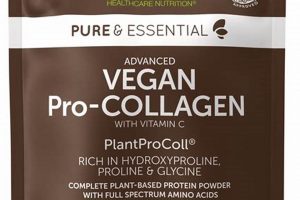
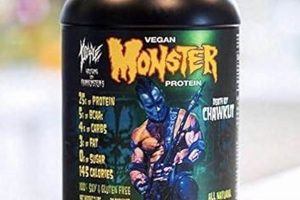
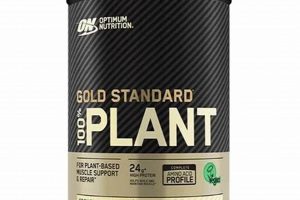
Tip 5: Supplement with Plant-Based Protein Powder: Consider utilizing plant-based protein powders, such as pea protein or brown rice protein, to supplement dietary intake, particularly after exercise or during periods of increased protein demand. Ensure the protein powder is from a reputable source.
Tip 6: Maximize Protein Combining: Combining different plant-based protein sources can ensure a complete amino acid profile. For example, pairing grains with legumes, such as rice and beans, enhances the overall protein quality.
Tip 7: Plan Meals Strategically: Plan meals in advance, focusing on including protein-rich ingredients in each dish. This proactive approach helps ensure consistent and adequate protein consumption throughout the day.
Adherence to these guidelines facilitates the achievement of optimal protein intake within a plant-based framework. This, in turn, contributes to improved muscle maintenance, energy levels, and overall well-being.
The subsequent sections will delve into specific recipes and further considerations for maintaining a nutritionally balanced plant-based diet.
1. Legumes

Legumes represent a foundational element in the development and execution of accessible, protein-rich, plant-based dietary regimes. Their inherent nutritional profile, versatility, and economic viability render them an indispensable component for individuals seeking to adopt or maintain a vegan lifestyle while ensuring adequate protein consumption.
- High Protein Content
Legumes are naturally abundant in protein, providing a substantial contribution to daily protein requirements. For instance, a one-cup serving of cooked lentils contains approximately 18 grams of protein, while black beans offer around 15 grams. This high protein content makes legumes a primary source for vegans aiming to meet their nutritional needs without animal products.
- Dietary Fiber and Nutrient Richness
Beyond protein, legumes are rich in dietary fiber, complex carbohydrates, iron, folate, and potassium. This combination promotes satiety, supports digestive health, and contributes to overall well-being. The high fiber content also aids in regulating blood sugar levels, an important consideration for individuals managing diabetes or seeking stable energy levels.
- Culinary Versatility and Accessibility
Legumes can be incorporated into a wide array of dishes, from soups and stews to salads and dips. Their adaptability allows for creativity in meal preparation, preventing dietary monotony. Furthermore, dried legumes are typically inexpensive and have a long shelf life, making them an accessible and economical option for many households. Canned legumes offer a convenient alternative for quicker meal preparation.
- Sustainability and Environmental Impact
Legume cultivation is generally more sustainable than animal agriculture. Legumes have the capacity to fix nitrogen in the soil, reducing the need for synthetic fertilizers. They also require less water compared to many other crops, contributing to reduced environmental impact. Choosing legumes aligns with a commitment to both personal health and ecological responsibility.
The multifaceted benefits of legumes position them as central to the concept of easily prepared, protein-abundant vegan meals. Their high protein content, nutritional profile, culinary flexibility, and sustainable attributes collectively contribute to their importance in plant-based diets. Integrating a variety of legumes into daily meals is a strategic approach to ensuring adequate protein intake while adhering to vegan principles.
2. Tofu Versatility

Tofu’s exceptional adaptability is a central factor in its utility for generating accessible, high-protein vegan meals. This characteristic allows for diverse culinary applications, accommodating varied preferences and dietary requirements.
- Textural Adaptability
Tofu is available in various textures, ranging from silken to extra-firm. Silken tofu lends itself to creamy applications such as smoothies, sauces, and desserts. Firm and extra-firm tofu can be pressed to remove excess water, resulting in a denser texture suitable for stir-fries, grilling, and baking. This range allows for tailoring tofu to specific recipes, enhancing meal appeal.
- Flavor Absorption
Tofu possesses a neutral flavor profile, enabling it to readily absorb marinades, sauces, and spices. This attribute permits the creation of dishes with diverse flavor profiles, satisfying different taste preferences. Examples include marinating tofu in soy sauce, ginger, and garlic for Asian-inspired dishes, or using herbs and spices for Mediterranean-style preparations.
- Culinary Applications
Tofu can be utilized as a protein substitute in numerous recipes traditionally featuring animal products. It can be crumbled and seasoned to resemble ground meat in tacos or pasta sauces. It can be cubed and stir-fried with vegetables and sauces. Furthermore, it can be blended into creamy soups or desserts. This versatility expands the repertoire of readily available vegan meal options.
- Nutritional Profile and Accessibility
Beyond its adaptability, tofu provides a significant source of protein, iron, and calcium. It is also relatively inexpensive and widely available in most grocery stores. This combination of nutritional value and accessibility contributes to its practicality as a staple ingredient in simplified, high-protein vegan diets.
The aforementioned facets of tofu’s versatility collectively contribute to its role in the creation of simplified, high-protein vegan culinary options. Its textural adaptability, flavor absorption capabilities, diverse culinary applications, and nutritional value render it an essential component in achieving sustainable and accessible plant-based protein intake.
3. Nutrient density

Nutrient density, defined as the concentration of micronutrients (vitamins and minerals) relative to macronutrient (protein, carbohydrates, and fats) content and caloric value, is a critical consideration when constructing easily prepared, protein-rich vegan meals. A direct correlation exists between the nutrient density of ingredients and the overall nutritional adequacy of a plant-based diet. Neglecting nutrient density while focusing solely on protein can lead to deficiencies and suboptimal health outcomes. For example, a meal consisting primarily of processed vegan protein sources, while providing ample protein, may lack essential vitamins and minerals found in whole, unprocessed foods. This deficiency compromises the holistic nutritional benefit.
The incorporation of nutrient-dense foods into easily prepared vegan meals requires strategic planning. Dark leafy greens, such as spinach and kale, provide vitamins A, C, and K, as well as iron and calcium. Incorporating these into smoothies, salads, or stir-fries enhances the nutritional profile of a meal. Similarly, nuts and seeds, in addition to protein and healthy fats, offer essential minerals such as zinc, magnesium, and selenium. Berries provide antioxidants and vitamins. A well-formulated vegan meal plan integrates these diverse, nutrient-dense components alongside primary protein sources like legumes and tofu to ensure a comprehensive intake of essential nutrients. This approach is particularly important for individuals with specific dietary needs or restrictions.
In summary, while protein content is a primary consideration in vegan meal planning, prioritizing nutrient density is equally crucial. The selection of whole, unprocessed foods rich in vitamins, minerals, and antioxidants alongside protein sources allows for the creation of easily prepared vegan meals that support optimal health. Failing to acknowledge and address nutrient density can lead to nutritional imbalances and undermine the long-term benefits of a plant-based dietary regimen.
4. Quick preparation
The feasibility of consistently adhering to a dietary pattern centered on protein-rich vegan foods is significantly influenced by the time required for meal preparation. A direct inverse relationship exists: as preparation time increases, adherence probability decreases, especially for individuals with demanding schedules or limited culinary experience. “Quick preparation” is not merely a desirable attribute but an essential component of readily adoptable, protein-focused vegan diets. For instance, meals requiring extensive ingredient sourcing, complex cooking techniques, or prolonged durations are less likely to be incorporated into routine dietary practice, thereby hindering long-term adherence and undermining potential health benefits.
Examples of accessible, high-protein vegan options that emphasize rapid preparation include pre-cooked lentil salads with pre-chopped vegetables and a simple vinaigrette, tofu scrambles utilizing pre-crumbled tofu and pre-mixed spice blends, and overnight oats incorporating protein powder and pre-soaked chia seeds. Each of these scenarios minimizes active cooking time while maximizing nutritional value. The adoption of meal planning strategies, such as preparing large batches of protein sources (e.g., cooked quinoa, roasted chickpeas) in advance, further reduces daily preparation time, facilitating consistent consumption of protein-rich vegan meals.
In conclusion, “quick preparation” serves as a critical facilitator of long-term adherence to protein-focused vegan diets. The development and dissemination of recipes and strategies that minimize preparation time, coupled with increased accessibility of pre-prepared ingredients, are essential for promoting the adoption of sustainable, nutritionally adequate plant-based dietary patterns. The ongoing challenge lies in balancing convenience with nutritional quality, ensuring that readily prepared meals do not compromise nutrient density or rely on highly processed ingredients.
5. Affordable ingredients

The economic feasibility of adopting and maintaining a plant-based diet, particularly one emphasizing high protein intake, is fundamentally linked to the accessibility and affordability of its constituent ingredients. The perception that vegan diets are inherently more costly than omnivorous diets often stems from a reliance on specialized or processed vegan products. However, a well-structured vegan meal plan, prioritizing readily available and affordable ingredients, can provide adequate protein and essential nutrients at a comparable or even lower cost.
- Legumes as a Primary Protein Source
Legumes, including lentils, beans (black, kidney, pinto, etc.), and chickpeas, represent a cost-effective and nutritionally dense foundation for vegan high-protein meals. Dried legumes, in particular, are significantly more affordable than animal-derived protein sources or pre-packaged vegan alternatives. The versatility of legumes allows for their incorporation into a diverse range of dishes, further enhancing their value. For instance, a large batch of lentil soup or black bean chili can provide multiple servings of protein-rich meals at a low per-serving cost.
- Tofu and Tempeh as Versatile Protein Options
Tofu and tempeh, soy-based protein sources, offer relatively inexpensive and versatile options for vegan meals. While prices may vary depending on location and brand, these products are generally more affordable than meat substitutes and provide a substantial amount of protein per serving. Tofu’s neutral flavor profile allows it to be adapted to various cuisines and preparations, while tempeh’s firmer texture makes it suitable for grilling or stir-frying. These characteristics contribute to their economic viability as staples in a budget-conscious vegan diet.
- Whole Grains and Seasonal Produce
The incorporation of affordable whole grains, such as brown rice, quinoa (when purchased in bulk), and oats, complements legume-based protein sources and contributes to overall meal satiety. Prioritizing seasonal fruits and vegetables, sourced from local farmers’ markets or purchased in bulk when available, can significantly reduce the cost of a vegan diet. These ingredients provide essential vitamins, minerals, and fiber, further enhancing the nutritional value of affordable vegan meals.
- Strategic Use of Frozen and Canned Goods
Frozen fruits and vegetables offer a convenient and affordable alternative to fresh produce, particularly when out of season. Canned beans and lentils, while slightly more expensive than their dried counterparts, provide a time-saving option for quick meal preparation. These strategies can help minimize food waste and ensure a consistent supply of affordable ingredients for vegan high-protein meals.
The synergy between strategic ingredient selection and efficient meal planning is crucial for achieving an economically sustainable vegan high-protein diet. By prioritizing legumes, tofu, affordable whole grains, seasonal produce, and strategically utilizing frozen and canned goods, individuals can construct nutritious and satisfying vegan meals without incurring excessive costs. This approach promotes the accessibility of plant-based diets to a wider demographic, fostering both personal health and economic well-being.
Frequently Asked Questions
This section addresses common inquiries regarding the practical implementation and nutritional adequacy of simple, plant-based, protein-rich dietary approaches.
Question 1: What constitutes a sufficient daily protein intake on a vegan diet?
Recommended daily protein intake varies based on individual factors such as age, sex, activity level, and health status. However, a general guideline is 0.8 grams of protein per kilogram of body weight. Individuals engaged in intense physical activity may require a higher intake, typically ranging from 1.2 to 1.7 grams per kilogram of body weight. Meeting these requirements is achievable through strategic incorporation of plant-based protein sources.
Question 2: Can a vegan diet adequately support muscle growth and repair?
Yes, a well-planned vegan diet can effectively support muscle growth and repair. This requires sufficient caloric intake, adequate protein consumption from diverse sources (legumes, tofu, tempeh, nuts, seeds, whole grains), and attention to amino acid profiles. Combining different plant-based protein sources can ensure the consumption of all essential amino acids.
Question 3: Are there specific plant-based protein sources that offer a complete amino acid profile?
Quinoa and soy (tofu, tempeh, edamame) are considered complete proteins as they contain all nine essential amino acids. While other plant-based proteins may be lower in one or more essential amino acids, a varied diet combining different sources throughout the day ensures adequate intake of all amino acids.
Question 4: How can meal planning contribute to meeting protein requirements on a vegan diet?
Strategic meal planning is crucial. Pre-planning meals and snacks that incorporate protein-rich ingredients, such as lentil soup, tofu stir-fries, or peanut butter and banana smoothies, helps ensure consistent protein intake throughout the day. Preparing meals in advance can also save time and reduce the likelihood of relying on less nutritious options.
Question 5: Is supplementation necessary to meet protein needs on a vegan diet?
For most individuals following a well-planned vegan diet, supplementation is not necessary to meet protein requirements. However, plant-based protein powders (pea protein, brown rice protein, etc.) can be a convenient option for athletes, individuals with higher protein needs, or those seeking to increase their protein intake quickly.
Question 6: Are there potential drawbacks or risks associated with high protein vegan diets?
While generally safe, excessive protein intake, even from plant-based sources, can place a strain on the kidneys. Individuals with pre-existing kidney conditions should consult with a healthcare professional before significantly increasing their protein intake. It is also important to ensure a balanced intake of other nutrients, such as vitamins, minerals, and fiber, to prevent deficiencies.
The information provided herein serves as a general guide. Individual dietary needs may vary, and consultation with a registered dietitian or healthcare professional is recommended for personalized advice.
The subsequent section will present sample recipes and meal ideas to further illustrate the practical application of these principles.
Easy Vegan High Protein Meals
The preceding analysis has explored the multifaceted aspects of simple, plant-based, protein-rich dietary strategies. Key components, including the strategic use of legumes, tofu, and nutrient-dense whole foods, have been identified as essential for ensuring both nutritional adequacy and practical implementation. The importance of affordability and quick preparation methods has also been emphasized, highlighting their roles in fostering sustainable dietary adherence. These elements serve as cornerstones in the development of accessible and nutritionally complete plant-based eating patterns.
Continued research and refinement of plant-based culinary techniques are critical for optimizing the availability and appeal of these dietary options. Further investigation into novel protein sources and innovative preparation methods will expand the scope of achievable and sustainable plant-based nutrition. The ongoing dissemination of accurate information and practical guidance will empower individuals to make informed dietary choices, promoting both personal well-being and global sustainability.