Plant-based diets, when properly structured, can provide complete protein sources, essential for numerous bodily functions. These dietary approaches utilize a variety of legumes, grains, nuts, seeds, and vegetables to meet protein requirements without relying on animal products. An example would be a lentil stew served with quinoa, offering a balanced amino acid profile.
Adequate protein intake is vital for muscle repair, enzyme production, and hormone regulation. Historically, plant-based diets were often perceived as insufficient in protein, but modern nutritional science demonstrates that diverse vegan meal planning effectively delivers all necessary amino acids. Benefits include reduced risk of cardiovascular disease, type 2 diabetes, and certain cancers.
The following sections will explore strategies for constructing nutritious and satisfying vegan meals, focusing on maximizing protein density, understanding complementary proteins, and offering sample meal plans. Further discussion will also address common misconceptions about plant-based protein and provide practical guidance for individuals transitioning to a vegan diet.
Optimizing Protein Intake in Plant-Based Diets
The following guidelines are designed to assist in the creation of nutritionally complete and satisfying vegan diets. These tips focus on ensuring adequate protein consumption through strategic meal planning and food choices.
Tip 1: Prioritize Legumes. Lentils, beans, peas, and soybeans are excellent sources of plant-based protein. Incorporating these into daily meals significantly contributes to overall protein intake. For example, a serving of cooked lentils provides approximately 18 grams of protein.
Tip 2: Include Grains and Seeds. Quinoa, brown rice, and oats provide substantial amounts of protein. Seeds such as chia, flax, and hemp seeds are also beneficial additions, offering both protein and essential fatty acids. A serving of quinoa contains around 8 grams of protein.
Tip 3: Be Mindful of Complementary Proteins. Consuming complementary proteins ensures a complete amino acid profile. For instance, combining rice with beans provides all nine essential amino acids. This approach compensates for potential deficiencies in individual plant-based protein sources.
Tip 4: Utilize Protein-Rich Vegetables. While not as concentrated as legumes, certain vegetables such as broccoli, spinach, and asparagus contribute to daily protein consumption. Incorporating these into meals supplements overall protein intake.
Tip 5: Explore Processed Vegan Protein Sources. Tofu, tempeh, and seitan are versatile options derived from soybeans and wheat gluten, respectively. These can be used in a variety of dishes to boost protein content. A serving of tofu provides approximately 10 grams of protein.
Tip 6: Diversify the Diet: A wide variety of plant-based foods not only contributes to a balanced intake of nutrients, including protein, but also makes the vegan experience more enjoyable and sustainable. Experiment with different recipes and cuisines to find a variety of plant-based protein sources you enjoy.
Tip 7: Track Macronutrient Intake. Monitoring daily protein consumption can help ensure adequate intake, especially during the initial stages of adopting a vegan diet. Nutritional tracking apps can be useful tools for this purpose.
By adhering to these guidelines, individuals can effectively meet their protein requirements through a well-planned plant-based diet. This approach promotes overall health and well-being while aligning with ethical and environmental considerations.
The subsequent sections will delve into specific meal plan examples and address common misconceptions regarding plant-based diets, further solidifying the understanding of how to achieve optimal nutrition through vegan practices.
1. Amino acid profile

The amino acid profile is a critical consideration when constructing meals centered on plant-based proteins. Protein quality is determined by the presence and proportion of essential amino acids, which cannot be synthesized by the human body and must be obtained from the diet. Properly structuring vegan meals requires deliberate attention to these components.
- Essential Amino Acid Completeness
Plant-based protein sources often lack one or more essential amino acids, necessitating the consumption of complementary proteins. For instance, grains are typically low in lysine, while legumes are relatively low in methionine. Combining these food groups within a meal or throughout the day provides a complete amino acid profile.
- Bioavailability Considerations
The bioavailability of amino acids from plant sources can be affected by factors such as the presence of phytates and tannins, which may inhibit absorption. Preparation methods such as soaking, sprouting, and fermentation can improve amino acid bioavailability from grains and legumes. Optimal meal planning takes these factors into account.
- Protein Combining Strategies
Effective plant-based diets utilize strategic protein combining. Examples include pairing beans with rice, lentils with bread, or nuts with whole grains. This approach ensures that all essential amino acids are adequately represented in the dietary intake. The goal is to achieve a balanced consumption of diverse protein sources over time.
- Impact on Physiological Function
The amino acid profile directly influences physiological functions, including muscle synthesis, enzyme production, and hormone regulation. Deficiencies in essential amino acids can lead to impaired growth, weakened immune function, and other adverse health outcomes. A well-balanced amino acid intake, achieved through thoughtful vegan meal planning, supports optimal physiological functioning.
Careful consideration of the amino acid profile is indispensable for crafting nutritionally sound protein vegan meals. Through strategic food combining, attention to bioavailability, and informed meal planning, individuals can effectively meet their protein and amino acid requirements on a plant-based diet. This approach ensures optimal health and well-being while adhering to vegan principles.
2. Legume incorporation

The strategic incorporation of legumes is a cornerstone of effective vegan meal planning, playing a critical role in achieving adequate protein intake. Legumes, encompassing beans, lentils, peas, and soybeans, offer a nutrient-dense and versatile source of plant-based protein.
- Protein Density and Completeness
Legumes are exceptionally high in protein, making them a primary source of this macronutrient in vegan diets. While individual legumes may not contain all essential amino acids in sufficient quantities, combining them with grains or other plant-based foods throughout the day creates a complete protein profile. For example, a meal combining lentils and brown rice provides all nine essential amino acids.
- Nutritional Versatility and Fiber Content
Beyond protein, legumes are rich in fiber, complex carbohydrates, iron, folate, and other essential vitamins and minerals. The high fiber content contributes to satiety and digestive health. Furthermore, their nutritional diversity supports overall well-being and helps prevent nutrient deficiencies that can sometimes be associated with restrictive diets. An example is the use of chickpeas not only as a protein source but also as a fiber-rich ingredient for promoting gut health.
- Culinary Adaptability and Meal Integration
Legumes offer a broad range of culinary applications, allowing for easy integration into various meal types. They can be incorporated into soups, stews, salads, side dishes, and main courses. The versatility of legumes makes it easier to adhere to a vegan diet while maintaining dietary variety and interest. Tofu, derived from soybeans, can be utilized in stir-fries, while black beans are suited to Mexican-inspired dishes.
- Economic and Environmental Sustainability
Legumes are generally more affordable and environmentally sustainable compared to animal-based protein sources. Their cultivation requires less water and land, and they contribute to soil health through nitrogen fixation. Incorporating legumes into the diet can thus contribute to both personal economic savings and a more sustainable food system.
In conclusion, the strategic and versatile incorporation of legumes into vegan diets provides a robust framework for achieving adequate protein intake, optimizing nutrient density, and promoting sustainability. Their adaptability within diverse culinary contexts and their economic advantages underscore their significance in the construction of complete and balanced protein vegan meals.
3. Grain complementarity

Grain complementarity represents a strategic dietary approach within plant-based nutrition, specifically designed to optimize the amino acid profile of vegan protein sources. Its importance lies in addressing the inherent limitations of individual grains in providing all essential amino acids in sufficient quantities. Understanding this principle is essential for crafting complete and balanced protein vegan meals.
- Lysine Deficiency in Grains
Most grains, while contributing significantly to overall protein intake, are deficient in lysine, an essential amino acid crucial for protein synthesis, calcium absorption, and immune function. This deficiency necessitates combining grains with other plant-based foods rich in lysine to ensure adequate intake. For example, relying solely on wheat-based products as a protein source can lead to lysine insufficiency, impacting overall protein utilization.
- Combining Grains with Legumes
The most common and effective method of achieving grain complementarity involves combining grains with legumes. Legumes, such as beans, lentils, and peas, are typically rich in lysine, effectively complementing the amino acid profile of grains. A classic example is the pairing of rice and beans, a staple in many cultures, which provides a complete protein source containing all nine essential amino acids in adequate proportions.
- Variety of Grain and Complementary Food Pairings
Beyond legumes, grains can be complemented with other plant-based protein sources to enhance their nutritional value. Nuts and seeds, for example, can contribute to a more complete amino acid profile when consumed with grains. Examples include adding sesame seeds to rice dishes or incorporating almonds into oatmeal. The variety of possible pairings allows for diverse and appealing vegan meal options while ensuring nutritional adequacy.
- Impact on Protein Quality and Utilization
Effective grain complementarity directly impacts the quality and utilization of protein within the body. By providing a complete amino acid profile, these strategic combinations enable optimal protein synthesis, supporting muscle growth, tissue repair, and various other physiological processes. Without proper complementation, the body may not efficiently utilize the protein from grains, potentially leading to deficiencies and impaired health outcomes. Therefore, understanding and applying grain complementarity principles are vital for maximizing the nutritional benefits of protein vegan meals.
The strategic application of grain complementarity principles is essential for maximizing the nutritional benefits derived from protein vegan meals. Through informed food choices and strategic pairings, individuals can ensure a complete amino acid intake, optimizing protein utilization and supporting overall health and well-being on a plant-based diet.
4. Nutrient Density

Nutrient density, a critical factor in dietary planning, is especially pertinent when constructing protein vegan meals. It refers to the concentration of micronutrients (vitamins, minerals, antioxidants) relative to the macronutrient (protein, carbohydrates, fats) content and caloric value of food. Optimizing nutrient density ensures that dietary choices provide maximal health benefits per calorie consumed, which is essential for the long-term sustainability and efficacy of a vegan diet.
- Micronutrient Provisioning
Plant-based protein sources often co-occur with a diverse array of micronutrients. Legumes, for example, deliver not only protein but also iron, folate, and potassium. Dark leafy greens, frequently incorporated into vegan meals, provide vitamins A, C, and K, along with essential minerals. These micronutrients are vital for various physiological processes, including immune function, bone health, and energy metabolism. A well-planned protein vegan meal should prioritize ingredients that maximize both protein and micronutrient content.
- Fiber Content and Satiety
Nutrient-dense vegan protein sources typically possess a high fiber content, contributing to increased satiety and improved digestive health. Fiber slows down the absorption of nutrients, helps regulate blood sugar levels, and promotes the growth of beneficial gut bacteria. Meals rich in fiber-containing foods, such as whole grains, legumes, and vegetables, enhance satiety, reducing the likelihood of overeating and supporting weight management goals. The synergistic effect of protein and fiber promotes sustained energy and overall well-being.
- Antioxidant and Phytochemical Load
Plant-based foods are abundant in antioxidants and phytochemicals, compounds known for their protective effects against chronic diseases, including cardiovascular disease, cancer, and neurodegenerative disorders. Colorful fruits and vegetables, often incorporated into vegan meals, provide a rich source of these beneficial compounds. Antioxidants neutralize free radicals, reducing oxidative stress and inflammation, while phytochemicals exert various biological effects, such as modulating enzyme activity and promoting detoxification pathways. A diet rich in nutrient-dense plant foods supports long-term health and disease prevention.
- Minimizing Empty Calories
Focusing on nutrient density in vegan meal planning necessitates minimizing the consumption of foods high in empty calories, such as refined grains, sugary beverages, and processed snacks. These foods provide minimal nutritional value relative to their caloric content and can contribute to nutrient deficiencies and adverse health outcomes. Prioritizing whole, unprocessed plant foods ensures that each meal delivers a concentrated dose of essential nutrients, supporting optimal health and vitality.
In conclusion, prioritizing nutrient density is paramount when crafting protein vegan meals. By selecting foods rich in micronutrients, fiber, antioxidants, and phytochemicals, individuals can optimize their nutritional intake, promote satiety, and reduce the risk of chronic diseases. A well-planned, nutrient-dense vegan diet not only supports protein requirements but also provides a comprehensive array of health-promoting compounds, fostering long-term well-being and vitality.
5. Meal planning

Effective meal planning is crucial for ensuring adequate protein intake within a vegan dietary framework. The systematic pre-selection and organization of meals address potential nutritional gaps and promote adherence to a balanced plant-based regimen.
- Scheduled Nutrient Intake
Meal planning allows for the deliberate scheduling of protein-rich foods throughout the day. This ensures a consistent supply of amino acids for various physiological processes, such as muscle repair and enzyme synthesis. For example, a planned breakfast might include tofu scramble, a midday meal could feature lentil soup, and dinner could consist of quinoa with black beans.
- Variety and Nutritional Completeness
Strategic meal planning enables the incorporation of diverse protein sources, contributing to a complete amino acid profile. Combining various legumes, grains, nuts, and seeds mitigates potential deficiencies associated with relying on a single protein source. An example is planning meals that utilize complementary proteins, such as combining rice and beans, to achieve a full spectrum of essential amino acids.
- Cost-Effectiveness and Reduced Waste
Thoughtful meal planning often results in cost savings by reducing impulse purchases and minimizing food waste. By predetermining meal components, individuals can purchase only the necessary ingredients, preventing spoilage and optimizing resource utilization. For example, planning meals around seasonal produce or buying bulk staples like dried beans and rice can lower food costs while ensuring access to nutrient-rich ingredients.
- Simplification and Time Management
The structured framework of meal planning streamlines food preparation and reduces daily decision fatigue. By pre-determining meals for the week, individuals can save time and energy, making it easier to maintain a consistent and healthful vegan diet. Pre-chopping vegetables or preparing batch recipes on the weekend can further simplify the process.
In essence, the systematic approach of meal planning is indispensable for those seeking to optimize protein intake through vegan meals. It supports nutritional completeness, manages resources effectively, and simplifies dietary adherence, facilitating both short-term and long-term health benefits.
6. Protein variety

Protein variety is an essential attribute of nutritionally complete protein vegan meals. Diversifying protein sources ensures a broad spectrum of amino acids and minimizes the risk of nutritional deficiencies that may arise from relying on a limited selection of plant-based foods.
- Amino Acid Profiling and Complementarity
Varying protein sources allows for the strategic combination of foods to achieve a complete amino acid profile. Different plant-based proteins exhibit unique amino acid compositions, and strategically pairing them can address potential deficiencies. For instance, combining grains (low in lysine) with legumes (rich in lysine) ensures the intake of all nine essential amino acids. Tofu with nuts.
- Micronutrient Diversity
Different protein sources offer distinct micronutrient profiles. A diversified approach to vegan protein intake inherently enhances the variety of vitamins and minerals consumed. Legumes provide iron and folate, while nuts and seeds offer zinc and magnesium. Including a range of these sources optimizes overall nutritional intake beyond protein content.Seitan has selenium.
- Minimizing Anti-Nutrient Exposure
Some plant-based foods contain anti-nutrients, compounds that can inhibit the absorption of certain minerals. Consuming a varied diet reduces the risk of overexposure to any single anti-nutrient. For instance, phytic acid, found in grains and legumes, can impair mineral absorption. Rotating different protein sources minimizes the cumulative impact of these compounds.Oxalates, in spinach.
- Enhanced Palatability and Diet Adherence
Dietary monotony can lead to decreased adherence to any eating pattern. Protein variety in vegan meals promotes greater palatability, making the diet more sustainable in the long term. Exploring different protein sources, such as tofu, tempeh, lentils, and quinoa, allows for diverse culinary experiences and reduces the likelihood of dietary fatigue.Soy products with chickpeas.
The strategic incorporation of protein variety is critical for crafting nutritionally complete and sustainable protein vegan meals. Through informed selection and combination of diverse plant-based proteins, individuals can optimize their amino acid intake, micronutrient provision, and overall dietary satisfaction, thus supporting long-term health and adherence to a vegan lifestyle.
Frequently Asked Questions
The following questions address common concerns and misconceptions regarding protein intake on a vegan diet. The answers provide evidence-based information to assist in constructing nutritionally adequate protein vegan meals.
Question 1: What are the primary sources of protein in vegan meals?
Legumes (beans, lentils, peas, soybeans), grains (quinoa, brown rice), nuts, seeds, and certain vegetables (broccoli, spinach) serve as primary protein sources. Combining these ingredients strategically ensures a complete amino acid profile.
Question 2: How much protein is required daily on a vegan diet?
The recommended daily protein intake for adults is 0.8 grams per kilogram of body weight. However, active individuals or those with specific health conditions may require higher amounts. Consult a registered dietitian for personalized recommendations.
Question 3: How can a complete amino acid profile be ensured on a vegan diet?
Consuming a variety of plant-based protein sources throughout the day is essential. Combining complementary proteins, such as grains and legumes, provides all nine essential amino acids in adequate proportions.
Question 4: Are processed vegan protein sources, like tofu and tempeh, healthy options?
Tofu and tempeh are generally considered healthy vegan protein sources. They are derived from soybeans and provide a good source of protein, iron, and calcium. Choose minimally processed varieties and be mindful of added sodium.
Question 5: What are the potential drawbacks of relying solely on plant-based protein?
Without careful planning, a vegan diet may be deficient in certain nutrients, such as vitamin B12, iron, and omega-3 fatty acids. Supplementation or fortification of foods may be necessary to address these potential deficiencies.
Question 6: How can athletes meet their protein needs on a vegan diet?
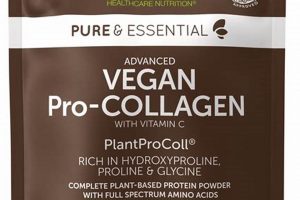
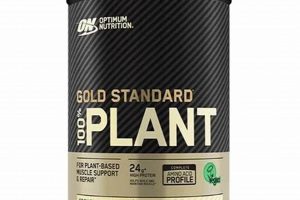
Athletes require higher protein intake to support muscle repair and growth. Meeting these needs on a vegan diet requires strategic meal planning, focusing on high-protein plant-based foods and potentially incorporating protein supplements like pea or soy protein.
In conclusion, achieving adequate protein intake on a vegan diet requires informed planning and a focus on diverse, nutrient-rich plant-based foods. Addressing potential nutrient deficiencies and consulting with a healthcare professional or registered dietitian can optimize the health benefits of a vegan lifestyle.
The following section will provide sample meal plans designed to facilitate protein intake on a vegan diet.
Protein Vegan Meals
The exploration of protein vegan meals underscores the critical role of informed dietary planning in achieving optimal nutrition. This article detailed the importance of amino acid profiles, strategic legume incorporation, grain complementarity, nutrient density optimization, and meal planning. The successful construction of plant-based meals depends on recognizing these facets, thus enabling the provision of complete protein for essential bodily functions.
The adoption of protein vegan meals represents a significant dietary shift, demanding a commitment to understanding the nuances of plant-based nutrition. The continued investigation and dissemination of accurate nutritional information are essential for empowering individuals to make informed choices, promoting sustainable dietary practices, and realizing the full health potential of a well-planned vegan lifestyle.