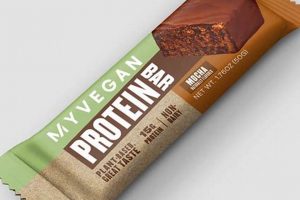
Plant-based beverages formulated with pea protein and other ingredients to provide a source of protein for individuals following a vegan lifestyle are increasingly available. These products typically come in pre-mixed, ready-to-drink formats and are often marketed towards those seeking convenient and nutritious alternatives to traditional dairy-based protein shakes. For example, many athletes and health-conscious individuals incorporate them into their post-workout routines or as meal replacements.
The appeal of such alternatives lies in their potential to offer essential amino acids without the inclusion of animal products, appealing to ethical and dietary preferences. The historical context involves a growing demand for plant-based options, driven by concerns related to animal welfare, environmental sustainability, and individual health. This trend has led to significant advancements in food technology, enabling the creation of palatable and nutritionally complete protein sources derived from plants.
This article will explore the nutritional profile of these products, examining their ingredient composition, protein content, and potential health benefits. Additionally, it will analyze their role in supporting muscle recovery, promoting satiety, and contributing to a balanced diet within the context of a vegan or plant-based lifestyle.
Maximizing Benefits
Optimizing the use of plant-based protein beverages can contribute to a well-rounded dietary regimen. Consider the following guidelines for incorporation into daily routines.
Tip 1: Pre-Workout Fuel: Consume a serving approximately 30-60 minutes before exercise to provide sustained energy and support muscle performance. Choose a flavor and quantity that minimizes gastric distress during physical activity.
Tip 2: Post-Workout Recovery: Ingest a serving within 60 minutes after exercise to aid in muscle repair and glycogen replenishment. This timing is crucial for maximizing protein synthesis and minimizing muscle soreness.
Tip 3: Meal Replacement Supplement: Utilize a serving as a convenient meal replacement when time is limited. However, ensure the beverage is supplemented with additional sources of fiber and complex carbohydrates to provide a balanced nutrient profile.
Tip 4: Ingredient Analysis: Carefully review the ingredient list to assess the presence of added sugars, artificial sweeteners, and excessive sodium. Opt for formulations with minimal processing and natural ingredients.
Tip 5: Allergen Awareness: Scrutinize the label for potential allergens such as soy, gluten, or nuts, especially if individuals have known sensitivities or allergies. Select products that are certified allergen-free when necessary.
Tip 6: Hydration Balance: Consume plant-based protein beverages with adequate water intake. Sufficient hydration is essential for protein digestion, nutrient absorption, and overall physiological function.
Tip 7: Protein Distribution: Strategically distribute protein intake throughout the day, including a serving of the plant-based beverage at breakfast, lunch, or dinner to promote muscle protein synthesis and satiety.
Adhering to these recommendations can enhance the effectiveness of plant-based protein supplementation and contribute to the attainment of fitness and nutritional goals. Prioritizing ingredient quality, timing, and hydration are critical for maximizing the benefits.
The subsequent section will delve into a comparative analysis of different plant-based protein sources and their impact on health outcomes.
1. Pea Protein Source
Pea protein constitutes a foundational element in the formulation of certain plant-based beverages, directly influencing its nutritional profile, digestibility, and suitability for individuals adhering to vegan dietary practices.
- Amino Acid Profile
Pea protein is recognized for containing all nine essential amino acids, though it is often lower in methionine. These amino acids are crucial for muscle protein synthesis, tissue repair, and various physiological functions. Supplementation or combination with other plant proteins can address any amino acid deficiencies.
- Digestibility and Allergenicity
Compared to other protein sources like soy or dairy, pea protein generally exhibits higher digestibility and lower allergenicity. This characteristic makes it suitable for individuals with sensitive digestive systems or common food allergies. The processing methods employed in extraction can further influence its digestibility.
- Sustainability and Environmental Impact
Peas, as a crop, require less water and nitrogen fertilizer compared to other protein sources, contributing to a lower environmental footprint. This sustainability aspect aligns with the values of consumers seeking environmentally responsible food choices. The source and farming practices of the peas used are critical to evaluating the overall impact.
- Protein Content and Functionality
Pea protein isolate, commonly used in plant-based beverages, boasts a high protein content, typically exceeding 80%. Its functional properties, such as emulsification and solubility, contribute to the texture and stability of the final product. These characteristics are crucial for creating a palatable and consumer-acceptable product.
The specific characteristics of pea protein impact the overall nutritional and sensory attributes. Careful consideration of the sourcing, processing, and formulation is essential to maximizing its benefits in the context of plant-based dietary options.
2. Vegan Certification

Vegan certification serves as a critical validation mechanism for plant-based protein shakes, assuring consumers that products align with established ethical and dietary standards. Its relevance lies in verifying the absence of animal-derived ingredients and adherence to cruelty-free production processes.
- Ingredient Sourcing and Verification
Certification bodies meticulously scrutinize the origins of all ingredients to confirm their non-animal derivation. This process involves tracing ingredients back to their source, ensuring no animal products or by-products are utilized at any stage. For example, stabilizers, flavorings, and fortification agents must be plant-based or synthetically produced without animal involvement. This guarantees compliance within the plant-based protein shake formula.
- Manufacturing Process Oversight
The manufacturing process undergoes thorough evaluation to prevent cross-contamination with animal-derived substances. Production facilities are inspected to ensure that dedicated equipment or rigorous cleaning protocols are in place to avoid contact with non-vegan materials. This oversight extends to packaging and labeling, ensuring accurate and transparent representation of vegan claims on the plant-based protein shake’s packaging.
- Ethical Considerations and Cruelty-Free Standards
Vegan certification extends beyond ingredient composition, encompassing ethical considerations related to animal welfare. Certified products must be produced without animal testing or exploitation. This commitment aligns with the values of consumers seeking products that minimize harm to animals. The brand must demonstrate a dedication to cruelty-free practices throughout its supply chain for the ripple vegan protein shakes.
- Consumer Trust and Market Credibility
Certification marks, such as those from Vegan Action or Vegan Society, provide consumers with a readily recognizable symbol of assurance. This independent verification enhances consumer trust and strengthens the product’s credibility within the competitive plant-based market. The presence of a reputable vegan certification logo on the ripple vegan protein shakes packaging can significantly influence purchasing decisions among ethically conscious consumers.
In conclusion, Vegan Certification ensures ingredient integrity, ethical manufacturing, and consumer trust, solidifying the position of ripple vegan protein shakes as a legitimate and reliable choice for individuals adhering to a vegan lifestyle. The certification mark serves as a tangible representation of the brand’s commitment to vegan principles.
3. Nutritional Profile

The nutritional profile of a plant-based protein shake is a critical determinant of its value as a dietary supplement or meal replacement. A comprehensive assessment encompasses macronutrient composition, micronutrient content, and the presence of beneficial or potentially detrimental additives. For ripple vegan protein shakes, this profile dictates its suitability for various dietary needs and fitness goals.
- Macronutrient Composition: Protein, Carbohydrates, and Fats
The balance of protein, carbohydrates, and fats is fundamental to a shake’s nutritional value. Protein content should be sufficient to support muscle protein synthesis, while the types and quantities of carbohydrates influence energy provision and glycemic response. Fat content contributes to satiety and provides essential fatty acids. For ripple vegan protein shakes, the source of protein, the type of carbohydrates (e.g., sugars vs. complex carbohydrates), and the source of fats (e.g., saturated vs. unsaturated) are crucial parameters. An optimal profile supports muscle recovery, sustained energy levels, and overall health.
- Micronutrient Content: Vitamins and Minerals
The inclusion of vitamins and minerals enhances the nutritional density of the shake. These micronutrients play essential roles in various physiological processes, including immune function, energy metabolism, and bone health. Plant-based diets may require specific attention to vitamin B12, vitamin D, calcium, and iron. The fortification of ripple vegan protein shakes with these micronutrients can address potential deficiencies and promote optimal health outcomes.
- Amino Acid Profile: Completeness and Digestibility
Protein quality is determined by its amino acid profile, specifically the presence and proportions of essential amino acids. A complete protein contains all nine essential amino acids in adequate amounts. Digestibility also influences protein bioavailability. While pea protein is a primary ingredient in ripple vegan protein shakes, assessing its amino acid composition and digestibility is vital to evaluate its effectiveness in supporting muscle growth and repair. Combination with other plant-based protein sources may be necessary to achieve a more complete amino acid profile.
- Additives and Ingredients of Concern: Sugars, Artificial Sweeteners, and Preservatives
The presence of added sugars, artificial sweeteners, and preservatives can detract from the overall nutritional value of a protein shake. Excessive sugar intake is linked to various health risks, while some artificial sweeteners have been associated with adverse effects. Preservatives may impact gut health and overall well-being. A ripple vegan protein shake formulation minimizing these additives is generally preferable, with a focus on natural sweeteners and preservatives when necessary.
Ultimately, a thorough analysis of the nutritional profile of ripple vegan protein shakes is essential to determine its suitability for individual dietary needs and health objectives. A balanced macronutrient composition, adequate micronutrient content, a complete amino acid profile, and minimal additives are desirable characteristics that contribute to its value as a plant-based protein source. Comparison with other available plant-based options and consideration of individual dietary requirements should inform the selection process.
4. Flavor Variety
The availability of diverse flavor options significantly influences consumer acceptance and long-term adherence to dietary regimens incorporating plant-based protein shakes. For ripple vegan protein shakes, flavor variety is not merely an aesthetic consideration but a crucial factor in its market viability and sustained consumption patterns.
- Enhancing Palatability and Sensory Experience
Plant-based protein sources, particularly pea protein, can possess inherent earthy or beany undertones that may be unappealing to some individuals. A range of flavor options, such as chocolate, vanilla, berry, or coffee, effectively masks these underlying tastes, creating a more pleasurable sensory experience. The careful selection of natural flavorings and sweeteners plays a vital role in achieving optimal palatability without compromising nutritional integrity. The flavor variety ensures a broader appeal, catering to diverse taste preferences within the target demographic of ripple vegan protein shakes.
- Promoting Dietary Adherence and Habit Formation
Monotony in dietary choices can lead to reduced compliance and eventual abandonment of healthy eating habits. Offering a variety of flavors mitigates this risk by providing consumers with options to rotate and diversify their intake of plant-based protein shakes. The availability of different flavors reduces the likelihood of taste fatigue, encouraging consistent incorporation of ripple vegan protein shakes into daily routines. This adherence is crucial for realizing the long-term health and fitness benefits associated with plant-based protein supplementation.
- Targeting Specific Consumer Segments and Usage Occasions
Different flavor profiles can appeal to distinct consumer segments or be more appropriate for specific usage occasions. For example, a chocolate or coffee flavor may be preferred as a breakfast or pre-workout option, while a lighter fruit-based flavor may be more suitable as a post-workout recovery drink. By offering a range of flavor options, ripple vegan protein shakes can effectively cater to a wider audience and accommodate various lifestyle needs and preferences. This targeted approach enhances market penetration and brand loyalty.
- Facilitating Ingredient Pairing and Recipe Versatility
The flavor of a protein shake influences its compatibility with other ingredients in smoothies, baked goods, or other culinary applications. A versatile flavor, such as vanilla or unflavored, allows for greater flexibility in recipe creation, enabling consumers to customize their intake of ripple vegan protein shakes. This adaptability enhances consumer engagement and fosters creative utilization of the product, further promoting its integration into diverse dietary patterns. It can also appeal to consumer segments who enjoy experimentation and DIY recipes, increasing the product’s overall market value.
Flavor variety is a strategic imperative for ripple vegan protein shakes, impacting not only sensory appeal but also dietary adherence, market segmentation, and culinary versatility. The careful development and curation of flavor options contribute significantly to the product’s overall success and its ability to meet the diverse needs and preferences of consumers seeking plant-based protein alternatives.
5. Convenience

The element of convenience occupies a significant position in the consumption patterns of modern individuals, particularly concerning dietary choices. Ready-to-drink protein shakes, such as ripple vegan protein shakes, directly address the demand for accessible and efficient nutritional solutions.
- Ready-to-Drink Format
The pre-mixed, shelf-stable nature of these beverages eliminates the need for preparation or blending, catering to individuals with time constraints or limited access to kitchen facilities. Examples include consumption during commutes, at workplaces, or immediately post-exercise. The absence of preparation time distinguishes this format from powdered protein supplements, providing a tangible convenience advantage.
- Portability and On-the-Go Consumption
The packaging design facilitates easy transport and consumption in various settings. Individual servings are often packaged in resealable containers, enabling consumption over extended periods. This portability accommodates active lifestyles and unpredictable schedules. The compact size allows for storage in bags or backpacks, rendering ripple vegan protein shakes a readily available source of protein in diverse scenarios.
- Simplified Nutritional Intake
These products offer a standardized and easily quantifiable source of protein and other nutrients. The clearly labeled nutritional information allows consumers to accurately track their macronutrient intake without requiring meticulous calculations or meal planning. This simplification aids in adherence to specific dietary targets, particularly for individuals focused on fitness or weight management. Ripple vegan protein shakes provide a known quantity of protein and calories, reducing ambiguity in dietary planning.
- Accessibility and Widespread Availability
Retail distribution networks ensure broad accessibility to ripple vegan protein shakes across various outlets, including supermarkets, convenience stores, and online platforms. This widespread availability reduces the effort required to acquire the product, further enhancing its convenience factor. The presence of multiple purchasing channels accommodates varying consumer preferences and geographical locations, making the product readily accessible to a large segment of the population.
The facets of ready-to-drink format, portability, simplified nutritional intake, and widespread availability collectively underscore the convenience proposition of ripple vegan protein shakes. These attributes align with the demands of contemporary lifestyles, positioning the product as a pragmatic and efficient means of supplementing protein intake. This convenience contributes significantly to its market appeal and potential for sustained consumption.
6. Digestibility
Digestibility represents a crucial attribute of plant-based protein shakes, directly influencing nutrient bioavailability, gastrointestinal comfort, and overall tolerance of the product. The inherent characteristics of protein sources and the processing methods employed in manufacturing significantly impact how readily the body can break down and absorb the constituent amino acids. Therefore, assessing the digestibility of ripple vegan protein shakes is essential for evaluating their nutritional efficacy and suitability for individuals with varying digestive sensitivities.
- Impact of Pea Protein Processing
The method by which pea protein is extracted and processed affects its digestibility. Isolates, concentrates, and textured forms exhibit differing protein structures and fiber contents, potentially influencing enzymatic breakdown in the digestive tract. Specifically, excessive heat treatment during processing may denature proteins, reducing their susceptibility to digestive enzymes. Examining the processing techniques used for ripple vegan protein shakes is paramount to understanding their protein digestibility scores and potential impact on nutrient absorption.
- Role of Fiber Content
Fiber, a non-digestible carbohydrate, can exert a dual effect on protein digestibility. While moderate fiber intake promotes gut health and regularity, excessive fiber may interfere with protein digestion and absorption. The fiber content in ripple vegan protein shakes, derived from pea protein or added ingredients, warrants careful consideration. High fiber levels may slow gastric emptying and reduce the surface area available for enzymatic action. Balancing fiber content is crucial for optimizing both digestive health and protein utilization.
- Presence of Anti-Nutritional Factors
Certain plant-based foods contain anti-nutritional factors, such as phytates and tannins, which can bind to proteins and minerals, impairing their absorption. While pea protein generally contains lower levels of these compounds compared to other legumes, their presence and potential impact on digestibility cannot be disregarded. Processing methods like soaking or fermentation can reduce anti-nutritional factor content. Evaluating the formulation and processing of ripple vegan protein shakes for these factors provides insights into their overall nutrient bioavailability.
- Individual Digestive Sensitivities
Individual variations in digestive enzyme production, gut microbiome composition, and pre-existing gastrointestinal conditions can significantly influence protein digestibility. Some individuals may experience bloating, gas, or discomfort following consumption of plant-based protein shakes, particularly if they have sensitivities to specific ingredients or underlying digestive disorders. Assessing personal tolerance and monitoring any adverse reactions are crucial for determining the suitability of ripple vegan protein shakes. Starting with small portions and gradually increasing intake can help gauge individual digestive responses.
In summary, the digestibility of ripple vegan protein shakes depends on factors such as pea protein processing, fiber content, presence of anti-nutritional factors, and individual digestive sensitivities. Careful assessment of these elements is necessary to determine the protein’s bioavailability and to minimize potential gastrointestinal discomfort. Consumers should consider these aspects when evaluating the product’s nutritional value and suitability for their individual needs.
7. Sustainability

The concept of sustainability is intricately linked to the production and consumption of plant-based food products, including plant-based protein shakes. The environmental impact associated with food production processes, ranging from resource utilization to waste generation, necessitates careful consideration. In the context of ripple vegan protein shakes, sustainability encompasses the sourcing of ingredients, the manufacturing process, packaging materials, and the overall carbon footprint. The decision to opt for plant-based options inherently addresses concerns related to animal agriculture, often characterized by high greenhouse gas emissions, land degradation, and water consumption. The significance of sustainability as a component of ripple vegan protein shakes lies in its potential to mitigate these environmental burdens, offering consumers a product aligned with environmentally conscious values. For instance, the utilization of pea protein, a key ingredient, presents a lower environmental footprint compared to dairy-based protein sources due to reduced land and water requirements.
Further analysis reveals the practical application of sustainable practices throughout the product lifecycle. Sustainable sourcing involves prioritizing suppliers who adhere to responsible farming practices, minimize pesticide use, and promote biodiversity. During manufacturing, efforts to reduce energy consumption, minimize water usage, and manage waste streams contribute to a lower environmental impact. The selection of packaging materials that are recyclable, compostable, or made from recycled content is another critical aspect. For example, the use of plant-based plastics or biodegradable packaging materials reduces reliance on fossil fuels and minimizes landfill waste. By actively implementing these sustainable practices, ripple vegan protein shakes can demonstrate a commitment to environmental stewardship and appeal to consumers seeking ecologically responsible choices. Transparency in communicating these practices, through certifications and detailed product labeling, further enhances consumer confidence.
In conclusion, the pursuit of sustainability is integral to the value proposition of ripple vegan protein shakes. Addressing environmental impacts across the product lifecycle presents both challenges and opportunities. Challenges include the need for continuous improvement in sourcing sustainable ingredients and developing innovative packaging solutions. Opportunities lie in strengthening brand reputation, attracting environmentally conscious consumers, and contributing to a more sustainable food system. A holistic approach to sustainability, encompassing environmental, social, and economic considerations, is essential for realizing the long-term benefits of plant-based protein alternatives. Linking this understanding to broader sustainability themes, such as climate change mitigation and resource conservation, reinforces the importance of responsible consumption patterns.
Frequently Asked Questions about ripple vegan protein shakes
The subsequent section addresses common inquiries concerning the composition, usage, and suitability of plant-based protein shakes. These responses aim to provide clarity and assist in making informed decisions.
Question 1: What is the primary protein source in these shakes?
The protein component of the product is derived from pea protein. Pea protein provides a source of essential amino acids necessary for muscle repair and overall bodily function.
Question 2: Are these shakes truly vegan?
The product undergoes verification to ensure adherence to vegan standards. This includes confirmation that no animal-derived ingredients or by-products are utilized in the formulation or manufacturing processes. Certifications from recognized vegan organizations may be present on the packaging.
Question 3: What is the nutritional profile of these shakes?
Nutritional content varies among specific formulations. Key components include protein, carbohydrates, fats, vitamins, and minerals. The nutritional information panel on the product packaging provides detailed specifications regarding the quantities of each component.
Question 4: Can these shakes be used as a meal replacement?
The product can serve as a convenient meal replacement in certain situations. However, it is imperative to assess the nutritional adequacy relative to a complete meal. Supplementation with additional sources of fiber, complex carbohydrates, and healthy fats may be necessary to ensure a balanced nutrient intake.
Question 5: Are there any potential allergens in these shakes?
Allergen information is clearly indicated on the product packaging. Potential allergens may include soy, nuts, or gluten, depending on the specific formulation. Individuals with known allergies or sensitivities should carefully review the ingredient list before consumption.
Question 6: What is the shelf life of these shakes?
The shelf life is specified on the product packaging. The product should be stored in accordance with the indicated storage conditions to maintain its quality and safety. Consumption after the expiration date is not recommended.
This FAQ section provides a concise overview of common queries regarding plant-based protein shakes. Further information can be obtained from the product label or the manufacturer’s website.
The following section will provide a concise summary of key takeaways discussed in this article.
Conclusion
The preceding analysis has explored critical facets of ripple vegan protein shakes, encompassing protein sources, ethical certification, nutritional attributes, flavor diversity, convenience factors, digestibility considerations, and sustainability implications. These interwoven elements collectively determine the value and market position of plant-based protein beverages.
The discerning consumer is urged to consider these factors in light of individual dietary requirements, ethical preferences, and environmental consciousness. Further research into specific product formulations and ingredient sourcing is encouraged to ensure alignment with personal values and health objectives. The continued innovation and refinement within the plant-based protein sector hold significant promise for the future of sustainable nutrition.