A culinary creation typically involves thin pancakes crafted without animal products, fortified with plant-based protein sources. These can include ingredients like pea protein, tofu, or various nut butters added to a base batter traditionally composed of flour, sweetener, and non-dairy milk.
Their significance lies in offering a nutritionally balanced and ethically conscious breakfast, brunch, or dessert option. They cater to individuals following vegan diets, those with dairy allergies, or those seeking to increase their protein intake from plant-based sources. These represent a modern adaptation of a classic dish, reflecting growing dietary awareness and innovation within the food industry.
The subsequent sections will delve into the preparation, ingredient considerations, nutritional aspects, and potential variations of this increasingly popular dish. Furthermore, attention will be given to the challenges and opportunities associated with creating a palatable and texturally satisfying result.
Preparation Recommendations
The following are actionable insights to enhance the creation of the specified culinary item, ensuring optimal texture, flavor, and nutritional value.
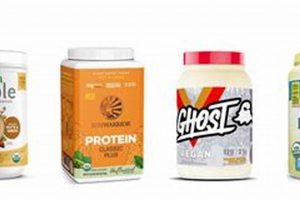
Tip 1: Optimize Protein Selection: Choose a plant-based protein powder with a neutral or complementary flavor profile to avoid overpowering the dish. Pea protein, brown rice protein, or a blend are suitable options. Incorporate gradually to prevent a gritty texture.
Tip 2: Flour Composition: Employ a combination of all-purpose and alternative flours, such as almond or oat flour, to achieve a balanced structure. This approach enhances both the binding properties and nutritional content of the final product.
Tip 3: Liquid Ratio Adjustment: Carefully manage the liquid-to-dry ingredient ratio. Plant-based milk alternatives may require slight adjustments compared to traditional dairy milk. Gradually add liquid until a smooth, pourable batter consistency is achieved.
Tip 4: Sweetener Selection: Opt for natural sweeteners such as maple syrup or agave nectar in moderation. These options provide sweetness while adding nuanced flavor notes and avoiding excessive refined sugar content.
Tip 5: Cooking Surface Preparation: Ensure the cooking surface is adequately heated and lightly oiled before pouring the batter. This prevents sticking and promotes even browning.
Tip 6: Precise Cooking Time: Monitor the cooking time closely. These tend to cook faster than traditional versions. Flip when the edges begin to set and the surface shows small bubbles.
Tip 7: Flavor Enhancement: Incorporate spices like cinnamon or nutmeg to enhance the overall flavor profile. A small amount of vanilla extract can also complement the other ingredients.
Adhering to these recommendations will contribute to a more satisfying and nutritionally complete culinary outcome. Achieving the desired texture and flavor requires careful attention to ingredient selection and preparation techniques.
The subsequent section will offer suggestions for creative ingredient combinations and serving presentations.
1. Ingredients

The selection of ingredients directly determines the characteristics of vegan protein crepes, influencing its texture, flavor, nutritional composition, and overall acceptability. Unlike traditional crepes that rely on eggs and dairy, vegan formulations necessitate plant-based alternatives that replicate similar functions. For instance, flaxseed meal or chia seeds mixed with water serve as binding agents to replace eggs, while non-dairy milk alternatives like almond, soy, or oat milk substitute cow’s milk. The absence of animal products introduces a fundamental shift in the recipe’s architecture, demanding careful consideration of each ingredient’s role.
Plant-based protein sources are crucial, and their selection significantly affects the end product. Pea protein, brown rice protein, or soy protein isolates are common additions, each contributing a different taste and texture profile. Furthermore, the type of flour used, whether all-purpose, whole wheat, or gluten-free alternatives like rice flour or tapioca starch, affects the crepe’s structure and digestibility. Sweeteners, such as maple syrup or agave nectar, also play a vital role, adding sweetness and influencing the crepe’s browning and overall flavor. Consider the inclusion of ingredients like pureed fruits or vegetables for added moisture, flavor complexity, and enhanced nutritional value.
The success of creating palatable and nutritious vegan protein crepes hinges on understanding the interplay of these ingredients. Balancing their proportions and functionalities is essential for overcoming challenges like dryness, brittleness, or undesirable flavors often associated with vegan baking. Optimizing ingredient selection enables the creation of a versatile and satisfying dish that aligns with dietary preferences while delivering ample protein and essential nutrients. The subsequent sections will further explore the specific functionalities and ideal ratios of individual ingredients.
2. Preparation

The preparation phase is critical to the successful creation of vegan protein crepes. It directly influences the final product’s texture, flavor, and structural integrity. Improper preparation can result in crepes that are either too thick, too thin, prone to tearing, or lacking in desirable flavor. A foundational aspect is the precise measurement of ingredients. Deviations from established ratios can compromise the batter’s consistency, leading to suboptimal cooking results. For instance, an excess of liquid may create excessively thin crepes that are difficult to handle, while insufficient liquid may yield a thick, dense batter that produces tough, unyielding crepes. Thorough mixing is also essential. Insufficient mixing can leave pockets of dry ingredients, resulting in an uneven texture. Conversely, overmixing can develop the gluten in the flour, leading to a chewy, rather than delicate, crepe.
The cooking process itself presents unique challenges. Maintaining the correct pan temperature is essential for even cooking and browning. Too high a temperature can cause the crepes to burn before they are fully cooked, while too low a temperature can result in pale, undercooked crepes. The application of a thin layer of oil or non-stick spray to the pan is crucial to prevent sticking and tearing. Moreover, the technique of spreading the batter thinly and evenly across the pan requires practice and precision. Inconsistent batter distribution can lead to crepes of varying thickness, impacting their cooking time and overall texture. The timing of flipping the crepe is also critical; flipping too early can cause tearing, while waiting too long can result in overbrowning. Consider that vegan recipes, owing to the absence of eggs and dairy, can be more sensitive to these preparation variables.
In summation, meticulous preparation is paramount to achieving satisfactory results when crafting vegan protein crepes. Attention to detail in measuring, mixing, and cooking directly impacts the final product’s quality. A thorough understanding of these preparation-related variables and their potential effects is key to mitigating challenges and producing palatable, structurally sound, and aesthetically appealing vegan crepes. Subsequent investigations will address the influence of specific protein sources on this preparation process.
3. Protein Sources

Protein sources represent a critical component in the formulation of vegan protein crepes, influencing not only the nutritional profile but also the textural and organoleptic properties of the final product. The selection of appropriate protein sources directly addresses the inherent challenge of achieving adequate protein intake within a vegan dietary framework, while simultaneously maintaining the desired culinary attributes of the crepe.
- Pea Protein Isolate
Pea protein isolate, derived from yellow split peas, is a commonly employed protein source due to its relatively neutral flavor and high protein content. Its utilization in vegan crepes enhances the protein density of the dish and contributes to a slightly denser texture. However, excessive incorporation of pea protein can lead to a chalky mouthfeel, necessitating careful consideration of the proportion relative to other ingredients. Its global production reflects a commitment to sustainable agriculture, contributing to a lower environmental impact compared to animal-derived proteins.
- Soy Protein Isolate
Soy protein isolate offers a high protein concentration and a relatively bland flavor profile, making it a versatile option for vegan protein crepes. Its functional properties include emulsification and water-binding capabilities, contributing to the structural integrity and moisture retention of the crepe. However, soy allergies and concerns regarding phytoestrogen content necessitate consideration of alternative protein sources for certain populations. The utilization of soy protein isolates also addresses concerns surrounding amino acid deficiencies, providing a complete protein source.
- Brown Rice Protein
Brown rice protein presents a gluten-free alternative, suitable for individuals with celiac disease or gluten sensitivities. While its protein concentration is typically lower than that of pea or soy protein isolates, it offers a slightly sweet flavor and a finer texture, contributing to a smoother mouthfeel in the finished crepe. The extraction process involves enzymatic treatment, leading to a hypoallergenic ingredient with improved digestibility. Its incorporation provides a suitable alternative for those seeking to avoid both soy and pea-based protein sources.
- Chia Seeds or Flaxseed Meal
Chia seeds and flaxseed meal, when hydrated, function both as binding agents (replacing eggs) and as sources of protein and omega-3 fatty acids. Their inclusion in vegan protein crepes imparts a subtle nutty flavor and a slightly chewy texture. These seeds offer enhanced nutritional value, providing fiber and essential fatty acids alongside protein. However, their protein content is lower compared to protein isolates, necessitating a balanced approach in formulation to achieve the desired protein levels. They demonstrate the use of whole food ingredients as effective protein sources, contributing to the overall healthfulness of the vegan crepe.
The strategic selection and incorporation of these protein sources are pivotal in crafting palatable, nutritious, and structurally sound vegan protein crepes. The optimal choice depends on considerations of flavor profile, textural impact, allergenicity, nutritional composition, and cost-effectiveness. Exploring further into ingredient ratios and processing techniques will refine the optimization of vegan protein crepes.
4. Texture
Texture plays a pivotal role in the overall sensory experience of vegan protein crepes, influencing palatability and consumer acceptance. Achieving a desirable texture in the absence of traditional ingredients like eggs and dairy necessitates careful ingredient selection and manipulation of preparation techniques.
- Mouthfeel and Protein Source
The choice of protein source directly impacts the mouthfeel of vegan protein crepes. Certain plant-based protein isolates, such as pea protein, can impart a slightly gritty or chalky texture if not properly hydrated and blended. Conversely, incorporating smoother protein sources like brown rice protein or soy protein isolate can contribute to a more refined mouthfeel. The particle size and solubility of the protein source significantly influence the final textural characteristics.
- Gluten Development and Flour Type
The type of flour used and the extent of gluten development during mixing affect the crepe’s structural integrity and chewiness. Overmixing batters containing gluten-forming flours, such as wheat flour, can result in a tough, rubbery texture. Utilizing gluten-free flour blends requires careful attention to binding agents and hydration levels to achieve a delicate, yet cohesive, texture. A balanced combination of flours and starches is often necessary to replicate the tenderness of traditional crepes.
- Moisture Content and Hydration
Adequate hydration of the batter is crucial for achieving a pliable and tender texture. Insufficient moisture can lead to dry, brittle crepes that are prone to tearing. The inclusion of ingredients like applesauce, mashed banana, or plant-based yogurts can enhance moisture retention and contribute to a softer texture. Monitoring the batter’s viscosity and adjusting the liquid-to-dry ingredient ratio is essential for optimizing hydration levels.
- Cooking Temperature and Time
The cooking temperature and duration significantly influence the texture of vegan protein crepes. Overcooking can result in dry, crispy edges, while undercooking can yield a gummy, underdone center. Maintaining a consistent, moderate heat and closely monitoring the crepe’s browning are essential for achieving a uniformly cooked texture. The pan’s surface also impacts the outcome. Non-stick surfaces assist even heat distribution.
Optimizing the texture of vegan protein crepes involves a holistic approach that considers the interplay of ingredients, preparation techniques, and cooking parameters. Through careful manipulation of these factors, it is possible to create vegan crepes that rival the textural qualities of their traditional counterparts, broadening their appeal and culinary versatility. Further innovations in plant-based ingredients are continuously refining the textural possibilities.
5. Flavor Profiles
The flavor profiles of vegan protein crepes represent a crucial consideration in their overall appeal and culinary success. The absence of traditional ingredients such as eggs and dairy necessitates a strategic approach to flavor development, leveraging plant-based components to create palatable and satisfying taste experiences.
- Protein Source Impact
The choice of plant-based protein directly influences the flavor profile. Pea protein, for instance, can impart a subtle earthy or beany flavor, while brown rice protein may contribute a slightly sweet note. Careful consideration must be given to selecting protein sources that complement, rather than clash with, other ingredients. Flavor masking techniques, such as the incorporation of vanilla extract or cinnamon, may be necessary to mitigate undesirable flavors.
- Sweetener Selection
The type of sweetener employed significantly shapes the overall flavor profile. Maple syrup offers a distinct caramel-like flavor, while agave nectar provides a more neutral sweetness. The quantity and type of sweetener must be carefully calibrated to achieve the desired level of sweetness without overpowering other flavor nuances. The use of fruit purees, such as banana or apple sauce, can provide both sweetness and moisture, contributing to a more complex flavor profile.
- Spice and Extract Integration
The strategic integration of spices and extracts offers a versatile means of enhancing the flavor complexity of vegan protein crepes. Cinnamon, nutmeg, and cardamom impart warmth and depth, while vanilla extract or almond extract can contribute to a richer, more decadent flavor. The judicious use of citrus zest, such as lemon or orange, provides brightness and acidity, balancing the sweetness of the dish.
- Topping and Filling Complements
The flavor profile of vegan protein crepes can be significantly enhanced by the selection of appropriate toppings and fillings. Fresh fruits, such as berries or sliced bananas, provide natural sweetness and acidity, while nuts and seeds contribute textural contrast and nutty flavors. Plant-based creams, fruit compotes, and chocolate sauces offer further opportunities for flavor customization. Consideration of the interplay between the crepe batter’s flavor and the selected toppings is crucial for creating a cohesive and balanced culinary experience.
The successful creation of appealing vegan protein crepes hinges on the careful manipulation of flavor profiles through strategic ingredient selection and preparation techniques. By understanding the impact of individual components and their interactions, it is possible to craft dishes that are both nutritionally sound and exceptionally flavorful, broadening their appeal to a diverse range of palates.
6. Nutritional Value

Nutritional value forms a cornerstone of the appeal and utility of vegan protein crepes. These crepes, designed as a plant-based alternative to traditional recipes, inherently aim to provide comparable or enhanced nutritional benefits. The careful selection of ingredients dictates their macronutrient composition, micronutrient content, and overall contribution to a balanced diet. The inclusion of plant-based protein sources such as pea protein, soy protein, or brown rice protein directly influences the crepe’s protein content, crucial for muscle maintenance, satiety, and various bodily functions. The substitution of dairy milk with plant-based alternatives, like almond milk or soy milk, affects the calcium and vitamin D content, requiring potential fortification to match the levels found in cow’s milk. The use of whole-grain flours or the addition of seeds, such as flax or chia, increases fiber intake, promoting digestive health and blood sugar control. Therefore, the nutritional value of vegan protein crepes is not merely an incidental characteristic but a central design element.
The nutritional impact of these crepes extends to addressing specific dietary needs and preferences. For individuals following a vegan diet, they offer a convenient and palatable source of protein, often lacking in readily available vegan options. For individuals with lactose intolerance or dairy allergies, they provide a dairy-free alternative without sacrificing the enjoyment of a familiar food. Furthermore, the customizable nature of vegan protein crepes allows for targeted nutritional modifications. For example, individuals seeking to increase their iron intake can incorporate iron-rich ingredients like spinach or fortified cereals. Individuals aiming to reduce their sugar consumption can opt for natural sweeteners in moderation or incorporate fruit purees to provide sweetness and moisture. The practical significance of understanding the nutritional value lies in empowering individuals to make informed dietary choices and tailor these crepes to meet their specific health goals. A concrete illustration is the use of these crepes in sports nutrition, where athletes often require increased protein intake for muscle recovery; vegan protein crepes offer a convenient and plant-based solution.
In summary, the nutritional value represents an integral and adaptable facet of vegan protein crepes. This value is a direct consequence of ingredient selection and preparation methods, influencing their utility across diverse dietary needs and preferences. Recognizing the nutritional implications enables individuals to harness the potential of these crepes as a tool for promoting health and well-being. However, challenges persist in ensuring complete nutritional adequacy, particularly regarding micronutrient bioavailability and essential fatty acid profiles, necessitating ongoing research and refinement of recipes.
7. Versatility

Versatility is a defining characteristic of vegan protein crepes, significantly broadening their appeal and practical applications. This attribute stems from the adaptability of the base recipe, allowing for extensive modifications in flavor, texture, and nutritional composition. The fundamental cause of this versatility lies in the use of plant-based ingredients, which offer a wide range of substitutes for traditional components. The effect is a culinary creation that can be tailored to meet diverse dietary needs, preferences, and culinary contexts.
The importance of versatility as a component of vegan protein crepes is evident in their adaptability across different meal occasions. They can serve as a breakfast staple, a light lunch, a satisfying dessert, or even a savory appetizer. Real-life examples include using them as a wrap for vegetable fillings, layering them with fruit and plant-based yogurt for a parfait-like dessert, or stuffing them with spiced lentils for a hearty main course. Furthermore, the nutritional profile can be easily adjusted; adding more protein powder increases the protein content, while incorporating flax seeds boosts omega-3 fatty acids. This adaptability makes them suitable for individuals with specific dietary restrictions, such as gluten intolerance or nut allergies, by modifying the flour and protein sources accordingly. The practical significance of this understanding is that it allows for customization to address nutritional gaps and tailor the dish to meet individual health goals.
In conclusion, versatility is an intrinsic and highly valued aspect of vegan protein crepes. This adaptability arises from the inherent flexibility of plant-based ingredients, allowing for modifications in flavor, texture, and nutritional content. Recognizing and leveraging this versatility enables the creation of a customizable and adaptable dish that addresses diverse culinary needs and preferences. Ongoing innovation in plant-based ingredients and culinary techniques will likely further expand the versatility of these crepes, solidifying their position as a staple in modern, health-conscious diets.
Frequently Asked Questions
The following section addresses common inquiries and clarifies misconceptions surrounding vegan protein crepes, providing evidence-based information for informed dietary choices.
Question 1: Are vegan protein crepes nutritionally complete, especially regarding protein?
The nutritional completeness depends on the specific ingredients utilized. While plant-based protein sources offer valuable amino acids, a varied diet is recommended to ensure intake of all essential nutrients. Combining different protein sources, such as legumes and grains, can improve the amino acid profile. Consult with a registered dietitian for personalized advice.
Question 2: Do vegan protein crepes taste the same as traditional crepes?
Vegan protein crepes exhibit distinct taste characteristics compared to traditional crepes due to the absence of eggs and dairy. However, strategic ingredient selection and flavor enhancements can yield palatable results. Textural differences may also be apparent. Taste preferences are subjective and vary among individuals.
Question 3: Are all vegan protein powders suitable for use in crepes?
Not all vegan protein powders are equally suitable. Protein powders with neutral or complementary flavors are preferred. Consider protein powders’ solubility, texture, and potential impact on the batter’s consistency. Excessive protein powder can lead to a dry or gritty texture.
Question 4: Can vegan protein crepes be made gluten-free?
Yes, vegan protein crepes can be adapted for gluten-free diets. Substitute traditional wheat flour with gluten-free flour blends, such as rice flour, tapioca starch, or almond flour. Ensure that all other ingredients are also gluten-free to avoid cross-contamination.
Question 5: Are vegan protein crepes more expensive to make than traditional crepes?
The cost of vegan protein crepes may vary depending on the ingredients used. Some plant-based protein powders and specialty flours can be more expensive than traditional ingredients. However, utilizing readily available and affordable ingredients can mitigate the cost difference.
Question 6: Can vegan protein crepes be stored and reheated?
Vegan protein crepes can be stored in the refrigerator for up to three days. Reheat gently in a pan or microwave to prevent them from drying out. Freezing is also an option, although the texture may be slightly altered upon thawing.
In summary, understanding the nuances of ingredient selection and preparation techniques is crucial for optimizing the nutritional value and taste profile of vegan protein crepes.
The following sections will explore innovative variations and advanced culinary techniques related to vegan protein crepes.
Conclusion
The preceding analysis has demonstrated that vegan protein crepes represent a multifaceted culinary creation. This examination has spanned their composition, preparation nuances, protein source considerations, textural attributes, flavor profiles, nutritional value, and inherent versatility. The effectiveness of vegan protein crepes hinges upon the informed selection and application of plant-based ingredients to achieve a balanced nutritional profile and a palatable sensory experience.
Further exploration and refinement of recipes are essential to unlock the full potential of this dish. Consider the information presented as a foundation for informed experimentation, furthering the development of culinary options that align with both ethical considerations and nutritional imperatives. Continued investigation into novel plant-based ingredients and techniques will undoubtedly expand the possibilities for this versatile food, solidifying its place in the future of sustainable and health-conscious cuisine.