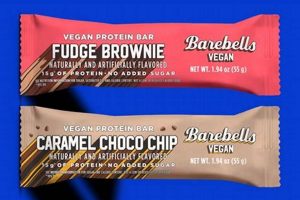
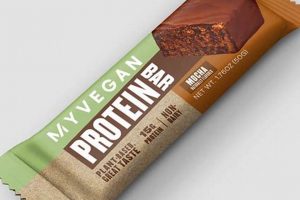
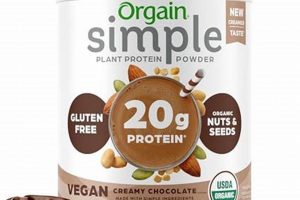
Plant-sourced protein supplements cater to individuals seeking alternatives to animal-derived protein sources. These products typically utilize ingredients such as pea protein, brown rice protein, and soy protein to deliver a complete amino acid profile. As an example, a common application is in post-workout recovery, providing essential building blocks for muscle repair and growth.
The increasing demand for plant-based nutrition stems from various factors, including dietary preferences, ethical considerations, and potential health advantages. Plant-based protein sources often contain fiber and essential micronutrients, contributing to overall well-being. Historically, the development of effective plant-based protein supplements has broadened nutritional options for athletes and health-conscious individuals alike.
The following discussion will delve into the specific ingredient composition, manufacturing processes, and optimal applications of these protein supplements, providing a thorough understanding of their role in contemporary nutritional strategies.
Optimizing Plant-Based Protein Supplementation
The subsequent guidelines offer strategies for maximizing the effectiveness of plant-based protein supplementation, derived from the understanding of complete protein sources.
Tip 1: Prioritize Complete Protein Sources: Ensure the protein supplement delivers all nine essential amino acids. If a single source is incomplete, combine different plant proteins to achieve a comprehensive amino acid profile. Example: Pairing brown rice protein with pea protein.
Tip 2: Assess Protein Content Per Serving: Scrutinize the product label to verify the actual protein quantity per serving. Aim for a minimum of 20 grams of protein per serving for significant muscle protein synthesis. Adjust dosage based on individual needs and activity level.
Tip 3: Evaluate Ingredient Purity: Examine the ingredient list for artificial additives, fillers, and sweeteners. Opt for products with minimal processing and transparent sourcing of ingredients to avoid potential adverse effects.
Tip 4: Consider Digestibility: Note that plant-based proteins may have varying digestibility rates. Look for supplements containing digestive enzymes or pre-sprouted ingredients to enhance nutrient absorption and minimize gastrointestinal discomfort.
Tip 5: Tailor Supplementation to Activity Level: Adjust the timing and dosage of protein supplementation based on exercise intensity and duration. Consume protein post-workout to facilitate muscle recovery and growth.
Tip 6: Combine with a Balanced Diet: Protein supplements should complement, not replace, whole food sources. Prioritize a diverse diet rich in fruits, vegetables, and whole grains to ensure comprehensive nutrient intake.
Tip 7: Monitor Individual Tolerance: Introduce new protein supplements gradually and monitor for any adverse reactions, such as allergic responses or digestive issues. Discontinue use if negative effects are observed.
Effective utilization of plant-based protein supplements necessitates a thorough understanding of protein composition, ingredient quality, and individual requirements. Adhering to these guidelines can optimize the benefits of supplementation and support overall health and fitness objectives.
The following sections will address potential challenges associated with plant-based protein supplementation and strategies for overcoming these obstacles.
1. Amino Acid Profile

The amino acid profile is a critical determinant of the nutritional value of plant-based protein supplements. Plant-derived proteins frequently exhibit incomplete amino acid profiles compared to animal sources, often lacking sufficient quantities of one or more essential amino acids. This deficiency can limit the protein’s effectiveness in supporting muscle protein synthesis and overall nitrogen balance within the body. Supplement manufacturers address this limitation through strategies such as combining different plant protein sources (e.g., pea and brown rice) to create a more complete amino acid spectrum, or by adding isolated amino acids to enhance the protein profile.
Understanding the amino acid composition of a plant-based protein is paramount for individuals seeking to optimize their protein intake, particularly athletes or those with elevated protein requirements. For example, if a protein supplement is deficient in lysine, an essential amino acid, the body’s ability to utilize other amino acids for protein synthesis may be compromised. Similarly, leucine, isoleucine, and valine (the branched-chain amino acids or BCAAs) are crucial for muscle recovery and growth, and their presence in adequate amounts within the protein profile is highly desirable.
In summary, the amino acid profile directly influences the biological value and functional utility of plant-based protein supplements. Scrutinizing product labels for complete amino acid information and selecting supplements with diverse plant protein blends or added amino acids are vital steps in ensuring adequate protein nutrition. Failure to account for amino acid completeness can diminish the potential benefits of plant-based protein supplementation.
2. Source Ingredient Quality

The quality of source ingredients directly impacts the nutritional integrity and overall efficacy of plant-based protein supplements. The origin and processing methods of ingredients such as pea protein, brown rice protein, and soy protein significantly affect the amino acid profile, digestibility, and presence of contaminants. Substandard sourcing can lead to products with diminished protein bioavailability and potential health risks due to the presence of heavy metals, pesticides, or allergenic residues. For instance, organically grown and minimally processed pea protein isolates typically exhibit a superior amino acid profile and reduced risk of contamination compared to conventionally farmed and heavily processed counterparts.
The selection of high-quality source ingredients also influences the taste, texture, and mixability of the final product. Superior ingredients often result in a smoother texture and more palatable flavor, increasing consumer satisfaction and adherence. Furthermore, transparency in ingredient sourcing allows manufacturers to demonstrate their commitment to quality and build consumer trust. Examples include suppliers that provide detailed certificates of analysis for each batch of protein isolate, confirming the absence of contaminants and the presence of specified amino acid levels. This level of traceability enhances product credibility and supports informed consumer choices.
In conclusion, prioritizing source ingredient quality is fundamental for realizing the intended benefits of plant-based protein supplements. The selection of organically grown, minimally processed ingredients, coupled with transparent sourcing practices, is critical for ensuring product purity, bioavailability, and overall nutritional value. The consequences of neglecting source ingredient quality include diminished efficacy, potential health risks, and reduced consumer satisfaction. Therefore, manufacturers and consumers must prioritize ingredient origin and processing methods to optimize the benefits of plant-based protein supplements.
3. Digestibility Factors
Digestibility significantly influences the efficacy of plant-based protein supplements. Plant protein sources inherently contain compounds, such as phytates and tannins, which can inhibit enzyme activity and impede nutrient absorption within the digestive tract. The consequences of reduced digestibility include diminished bioavailability of amino acids and potential gastrointestinal discomfort, such as bloating and gas. Therefore, optimizing digestibility is a crucial consideration for individuals seeking to maximize the benefits of plant-based protein supplementation. The method of protein extraction and processing directly affects digestibility. For example, enzymatic hydrolysis can break down complex protein structures into smaller peptides, improving the rate and extent of amino acid absorption. Similarly, techniques like fermentation can reduce the levels of anti-nutritional factors, enhancing overall digestibility.
Specific strategies to enhance the digestibility of plant proteins involve incorporating digestive enzymes, such as protease and amylase, into supplement formulations. These enzymes aid in the breakdown of proteins and carbohydrates, facilitating more efficient nutrient absorption. Furthermore, the consumption of plant-based protein supplements alongside foods that stimulate gastric acid production can improve protein digestion. Real-world applications of these strategies include the use of pre-sprouted or fermented plant protein sources, which undergo partial breakdown during processing, resulting in improved digestibility. Athletes, for instance, might experience enhanced muscle recovery and reduced gastrointestinal distress when consuming plant-based protein supplements formulated with digestive enzymes.
In summary, digestibility represents a key determinant of the nutritional value and tolerability of plant-based protein supplements. The presence of anti-nutritional factors and the inherent complexity of plant protein structures necessitate strategies to enhance digestibility. Employing techniques such as enzymatic hydrolysis, fermentation, and the addition of digestive enzymes can significantly improve amino acid bioavailability and mitigate gastrointestinal discomfort. Consequently, attention to digestibility factors is essential for optimizing the effectiveness of plant-based protein supplementation and achieving desired health and fitness outcomes.
4. Protein Concentration

Protein concentration constitutes a fundamental aspect of plant-based protein supplements, directly influencing their efficacy in supporting muscle protein synthesis, satiety, and overall nutritional value. The quantity of protein present in a given serving dictates the degree to which the supplement can contribute to meeting daily protein requirements and facilitate tissue repair and growth. Suboptimal protein concentration can render a supplement ineffective, regardless of the quality of other ingredients or the presence of added nutrients.
The protein concentration of “true nutrition vegan protein” formulations must be carefully considered to align with individual dietary needs and fitness goals. For example, an athlete seeking to maximize muscle hypertrophy following resistance training requires a higher protein concentration per serving compared to a sedentary individual aiming to supplement their dietary protein intake. Inadequate protein intake, despite supplementation, can result in compromised muscle recovery, reduced strength gains, and diminished satiety. Furthermore, variations in protein concentration among different “true nutrition vegan protein” products necessitate a thorough examination of product labels to ensure alignment with intended usage.
In summary, protein concentration serves as a critical metric for evaluating the utility of “true nutrition vegan protein.” Optimization of protein concentration, tailored to individual needs and goals, is essential for realizing the intended benefits of plant-based protein supplementation. Failure to address protein concentration can negate the potential advantages of high-quality ingredients and specialized formulations. The subsequent discussion will elaborate on methods for assessing protein quality and bioavailability in “true nutrition vegan protein” products.
5. Absence of Additives
The absence of additives in plant-based protein supplements correlates directly with the core principles of “true nutrition vegan protein,” which emphasizes purity and minimizing the inclusion of non-essential substances. Additives, encompassing artificial sweeteners, flavor enhancers, coloring agents, and preservatives, can dilute the nutritional value of the product and, in some instances, pose potential health concerns. The presence of such additives contradicts the intention of providing a clean and wholesome source of protein, potentially undermining the overall health benefits sought by consumers. A plant-based protein containing artificial sweeteners, for example, might deliver the promised protein content but simultaneously introduce substances that disrupt gut microbiota or contribute to metabolic dysregulation, effectively negating the advantages of a “true nutrition” product.
The practical significance of ensuring an absence of additives manifests in various ways. Firstly, it promotes greater transparency and consumer confidence in the product. When a “true nutrition vegan protein” explicitly avoids unnecessary additives, it signals a commitment to ingredient integrity and a focus on delivering genuine nutritional value. Secondly, it reduces the risk of adverse reactions or sensitivities associated with certain additives. Some individuals experience digestive discomfort, allergic responses, or other negative effects when consuming products containing artificial ingredients. Thirdly, the elimination of additives supports a cleaner taste profile, allowing the natural flavors of the plant-based protein sources to shine through. For example, a “true nutrition vegan protein” derived from pea and brown rice may offer a more authentic and pleasant taste experience when devoid of artificial masking agents.
In summary, the “Absence of Additives” is a critical component of “true nutrition vegan protein,” influencing product purity, consumer trust, and potential health outcomes. Minimizing or eliminating artificial ingredients enhances the overall nutritional value of the supplement and aligns with the ethos of providing a clean, wholesome, and effective plant-based protein source. The intentional avoidance of additives is not merely a marketing tactic but a fundamental commitment to delivering a product that genuinely supports health and well-being, free from unnecessary artificial substances.
6. Third-Party Testing

Third-party testing serves as an independent verification mechanism for ensuring the quality, purity, and accuracy of claims associated with “true nutrition vegan protein” supplements. This process, conducted by accredited laboratories or organizations, provides an unbiased assessment of the product’s composition and adherence to established standards. The reliance on third-party testing addresses potential conflicts of interest inherent in manufacturer-led quality control, reinforcing consumer confidence in the product’s authenticity and safety.
- Verification of Ingredient Purity and Potency
Third-party testing confirms the absence of contaminants, such as heavy metals, pesticides, and microbial pathogens, which can compromise the safety and efficacy of “true nutrition vegan protein.” It also verifies the protein content declared on the product label, ensuring that consumers receive the stated amount of protein per serving. This verification process often involves analytical techniques like mass spectrometry and chromatography to accurately quantify specific components and identify potential adulterants.
- Validation of Allergen-Free Claims
For individuals with allergies or sensitivities, third-party testing provides assurance that “true nutrition vegan protein” products are free from common allergens, such as gluten, soy, or dairy. This testing typically employs ELISA (Enzyme-Linked Immunosorbent Assay) or PCR (Polymerase Chain Reaction) methods to detect trace amounts of allergenic proteins. Validation of allergen-free claims is particularly crucial for vegan protein supplements, as cross-contamination during manufacturing can pose significant risks to sensitive consumers.
- Certification of Non-GMO Status
Third-party testing can certify that “true nutrition vegan protein” ingredients are derived from non-genetically modified sources. This certification often involves rigorous documentation and traceability audits to verify the absence of genetically modified organisms (GMOs) throughout the supply chain. Non-GMO certification aligns with the values of consumers seeking natural and minimally processed protein sources, reinforcing the perception of “true nutrition” and sustainability.
- Adherence to Manufacturing Standards (GMP)
Third-party auditing assesses manufacturers’ compliance with Good Manufacturing Practices (GMP), ensuring that “true nutrition vegan protein” products are produced in a controlled environment with strict adherence to quality control protocols. GMP audits cover aspects such as facility hygiene, equipment maintenance, and personnel training, minimizing the risk of contamination or inconsistencies in product quality. Compliance with GMP standards demonstrates a commitment to manufacturing excellence and consumer safety.
The integration of third-party testing into the production and marketing of “true nutrition vegan protein” supplements signifies a commitment to transparency and accountability. By subjecting their products to independent scrutiny, manufacturers can build trust with consumers and differentiate themselves in a competitive market. The assurance provided by third-party testing extends beyond label claims, offering tangible evidence of product quality and safety, thereby reinforcing the value proposition of “true nutrition vegan protein.”
Frequently Asked Questions
The following questions address common inquiries regarding the characteristics, usage, and benefits of plant-based protein supplements.
Question 1: Is “true nutrition vegan protein” a complete protein source?
The completeness of a plant-based protein source depends on its amino acid profile. Certain plant proteins may be deficient in one or more essential amino acids. Combining different plant protein sources, such as pea and rice protein, can provide a complete amino acid profile.
Question 2: How does “true nutrition vegan protein” compare to whey protein for muscle growth?
Whey protein is a complete protein with a high leucine content, which is critical for muscle protein synthesis. “True nutrition vegan protein,” when formulated to provide a comparable amino acid profile and leucine content, can be equally effective for muscle growth, especially when combined with resistance training.
Question 3: What are the potential digestive issues associated with “true nutrition vegan protein”?
Some individuals may experience digestive discomfort, such as bloating or gas, due to the fiber content or the presence of anti-nutritional factors in plant-based proteins. Choosing products with added digestive enzymes or utilizing sprouted grains can mitigate these issues.
Question 4: Does “true nutrition vegan protein” contain any artificial additives or sweeteners?
The presence of artificial additives or sweeteners depends on the specific product formulation. Prioritizing products with minimal ingredients and avoiding artificial additives is advisable for individuals seeking a cleaner protein source.
Question 5: How should “true nutrition vegan protein” be incorporated into a balanced diet?
“True nutrition vegan protein” serves as a supplemental source of protein and should not replace whole food sources. A balanced diet includes a variety of fruits, vegetables, whole grains, and other protein sources to ensure adequate nutrient intake.
Question 6: Is third-party testing necessary for “true nutrition vegan protein” products?
Third-party testing provides independent verification of product purity, potency, and the absence of contaminants. Choosing products that have undergone third-party testing enhances consumer confidence in the product’s quality and safety.
The informed selection and proper utilization of plant-based protein supplements can contribute to a balanced diet and support various fitness and health goals. Careful consideration of the aforementioned factors is essential for maximizing the benefits of “true nutrition vegan protein.”
The subsequent section will delve into the formulation and manufacturing processes involved in creating high-quality “true nutrition vegan protein” products.
In Conclusion
This exploration of “true nutrition vegan protein” has underscored the significance of source ingredient quality, amino acid profiles, digestibility factors, protein concentration, absence of additives, and third-party testing. These parameters collectively determine the efficacy and suitability of plant-based protein supplements for meeting individual nutritional requirements and supporting various health and fitness objectives. The discussion highlighted the complexities involved in formulating and selecting “true nutrition vegan protein” products that genuinely deliver on their promises.
A continued focus on transparency, rigorous quality control, and informed consumer choices will be paramount in shaping the future of “true nutrition vegan protein.” The ultimate realization of its potential hinges on the commitment of both manufacturers and consumers to uphold the highest standards of nutritional integrity and scientific validation. Prioritizing these principles will pave the way for greater acceptance and utilization of plant-based protein as a valuable component of a well-balanced and sustainable diet.