Plant-based dietary plans can successfully incorporate sufficient amounts of protein through carefully formulated meals. These preparations involve combining various ingredients to create a dish that meets specific nutritional needs. For example, a lentil and quinoa bowl, seasoned with herbs and spices, provides a complete protein source through the complementary amino acid profiles of the grains and legumes.
Adequate protein intake is essential for tissue repair, muscle development, and enzyme production. Historically, concerns existed regarding the ability of solely plant-based diets to deliver the necessary building blocks for these processes. However, a balanced combination of legumes, grains, nuts, seeds, and vegetables can effectively fulfill the bodys requirements, supporting overall health and well-being while aligning with ethical and environmental considerations.
The following sections will explore specific techniques for creating such dishes, including considerations for ingredient selection, preparation methods, and nutritional optimization. It will also address common misconceptions surrounding plant-based protein sources and provide practical guidance for individuals seeking to incorporate them into their daily meals.
Tips for Maximizing Plant-Based Protein
Optimizing plant-based protein intake requires careful planning and an understanding of complete and complementary protein sources. The following tips provide guidance on incorporating a sufficient amount of protein from plant-based foods.
Tip 1: Combine Complementary Proteins: Plant-based foods often lack one or more essential amino acids. Consuming complementary proteins throughout the day, such as grains with legumes (e.g., rice and beans), ensures a complete amino acid profile is obtained.
Tip 2: Prioritize Protein-Rich Plant Foods: Incorporate foods like lentils, chickpeas, black beans, tofu, tempeh, edamame, and quinoa into daily meals. These offer a significant amount of protein per serving.
Tip 3: Incorporate Nuts and Seeds: Almonds, walnuts, pumpkin seeds, sunflower seeds, and chia seeds provide protein, healthy fats, and fiber. Add them to salads, yogurt, or smoothies.
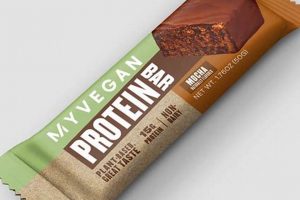
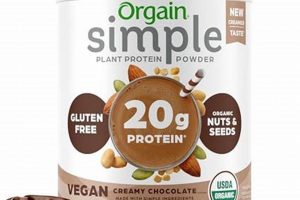
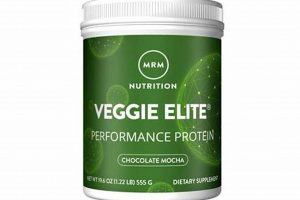
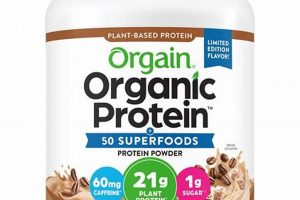
Tip 4: Utilize Plant-Based Protein Powders: Protein powders derived from sources such as soy, pea, brown rice, or hemp can supplement dietary protein intake, especially after exercise or when increased protein is required.
Tip 5: Read Nutrition Labels Carefully: Pay attention to protein content per serving and other nutritional information on packaged foods to make informed choices.
Tip 6: Be Mindful of Serving Sizes: To achieve adequate protein intake, ensure that portion sizes of protein-rich plant foods are sufficient.
Tip 7: Explore Variety: A wide range of plant-based foods ensures a broader spectrum of amino acids and nutrients. Experiment with different recipes and ingredients to maintain dietary diversity.
Implementing these tips allows for a well-balanced and nutritionally complete plant-based diet, supporting muscle development, energy levels, and overall health.
The following sections will address sample meal plans that incorporate these principles and common concerns about obtaining adequate protein from plant sources.
1. Ingredient Synergy

Ingredient synergy, in the context of formulating plant-based dishes, refers to the strategic combination of different food items to achieve a nutritional outcome greater than the sum of their individual contributions. This concept is particularly relevant to vegan protein recipe development, where ensuring adequate protein intake and a complete amino acid profile is paramount.
- Complementary Protein Pairing
The cornerstone of ingredient synergy in plant-based meals lies in the pairing of complementary proteins. Plant-based foods often lack one or more essential amino acids, which the body cannot produce on its own. Combining foods with different amino acid profiles ensures that all nine essential amino acids are present in sufficient quantities. A classic example is the combination of legumes (e.g., beans, lentils) and grains (e.g., rice, quinoa). Legumes are typically low in methionine and high in lysine, while grains are low in lysine and high in methionine. When consumed together, they provide a complete protein source.
- Nutrient Bioavailability Enhancement
Ingredient synergy extends beyond protein complementation to also encompass nutrient bioavailability. Certain food combinations can enhance the absorption and utilization of specific vitamins and minerals. For instance, pairing iron-rich foods (e.g., spinach, lentils) with vitamin C-rich foods (e.g., bell peppers, citrus fruits) significantly increases iron absorption. Similarly, consuming fats alongside fat-soluble vitamins (A, D, E, K) improves their uptake. Therefore, careful consideration of ingredient pairings can maximize the nutritional value of a plant-based dish.
- Fiber and Protein Interaction
The interaction between fiber and protein plays a crucial role in satiety and blood sugar control. Plant-based foods are naturally rich in fiber, which slows down digestion and promotes a feeling of fullness. When combined with protein-rich ingredients, the synergistic effect on satiety is amplified. This is beneficial for weight management and preventing overeating. Moreover, the presence of fiber slows down the absorption of glucose, preventing rapid spikes in blood sugar levels. This is particularly important for individuals with diabetes or insulin resistance.
- Flavor and Texture Combination
While nutritional considerations are primary, ingredient synergy also encompasses flavor and texture combinations that enhance the overall culinary experience. Complementary flavors can create a more satisfying and enjoyable dish, encouraging adherence to a plant-based diet. For example, the earthiness of mushrooms pairs well with the umami flavor of soy sauce, while the sweetness of mango complements the spiciness of chili peppers. Similarly, combining different textures, such as the creaminess of avocado with the crunchiness of toasted nuts, adds complexity and interest to a meal.
Ingredient synergy, therefore, is not merely about combining ingredients randomly. It is about carefully selecting and pairing foods based on their nutritional profiles, bioavailability properties, fiber-protein interactions, and flavor/texture combinations to create plant-based recipes that are both nutritious and enjoyable. The strategic application of ingredient synergy is essential for achieving optimal health and well-being on a vegan diet.
2. Amino acid profile

The amino acid profile of any food source is a critical consideration, particularly when formulating plant-based dishes. Given that plant-based proteins can be incomplete, lacking one or more essential amino acids, understanding and addressing these profiles is essential for ensuring adequate protein nutrition on a vegan diet.
- Essential vs. Non-Essential Amino Acids
Essential amino acids cannot be synthesized by the human body and must be obtained from dietary sources. Histidine, isoleucine, leucine, lysine, methionine, phenylalanine, threonine, tryptophan, and valine are classified as essential. Plant-based foods often have limiting amino acids, meaning they contain a lower amount of one or more of these essentials compared to animal-derived proteins. Non-essential amino acids can be synthesized by the body; however, their availability can be influenced by dietary intake and physiological conditions. Balancing both essential and non-essential amino acid intake is crucial for optimal protein synthesis and overall health in the context of a vegan protein recipe.
- Complementary Protein Combining
The concept of combining complementary proteins is fundamental to addressing amino acid deficiencies in vegan diets. This strategy involves consuming a variety of plant-based foods throughout the day that, when combined, provide a complete amino acid profile. For example, legumes (such as lentils and beans) are typically low in methionine but high in lysine, while grains (such as rice and quinoa) are high in methionine and low in lysine. Consuming these food groups together ensures that the body receives all nine essential amino acids in sufficient quantities. The precise combination and timing of these complementary proteins are less critical than overall intake within a 24-hour period.
- Amino Acid Scoring and Protein Quality
Various methods exist for assessing protein quality, including amino acid scoring techniques. These methods evaluate the amino acid composition of a protein source relative to human requirements. The Protein Digestibility Corrected Amino Acid Score (PDCAAS) is a widely used metric that considers both the amino acid profile and the digestibility of the protein. Plant-based proteins often have lower PDCAAS scores compared to animal-derived proteins due to limiting amino acids and lower digestibility. However, proper food combining and cooking methods can improve the PDCAAS of vegan protein sources. Incorporating a variety of high-quality plant proteins and ensuring adequate calorie intake can help meet amino acid requirements, even with lower PDCAAS scores.
- Bioavailability of Amino Acids
The bioavailability of amino acids refers to the extent to which they are absorbed and utilized by the body. Factors such as the presence of antinutritional factors (e.g., phytates, tannins) in plant-based foods can reduce amino acid bioavailability. Soaking, sprouting, fermenting, and cooking can help to reduce these antinutritional factors and improve amino acid absorption. Additionally, certain food combinations can enhance amino acid bioavailability. For instance, consuming vitamin C-rich foods alongside iron-rich plant sources can improve iron absorption, which is indirectly related to amino acid metabolism. Optimizing cooking and preparation methods and strategically combining foods can significantly enhance the bioavailability of amino acids from plant-based sources.
These facets of the amino acid profile demonstrate the importance of informed food choices when developing vegan protein recipes. By understanding the amino acid composition of various plant-based foods, applying complementary protein combining strategies, considering protein quality scores, and optimizing bioavailability, a well-planned vegan diet can effectively meet protein needs. Attention to these details is essential for promoting optimal health and well-being on a plant-based regimen.
3. Nutritional Density

The concept of nutritional density is paramount when constructing plant-based dishes, as it focuses on maximizing the nutrient content relative to the caloric value of foods. When formulating a vegan protein recipe, prioritizing nutritionally dense ingredients ensures that the dish provides not only adequate protein but also a broad spectrum of vitamins, minerals, and antioxidants. A direct consequence of neglecting nutritional density is a meal that, while sufficient in protein, may lack essential micronutrients, potentially leading to nutritional deficiencies over time.
The practical significance of understanding nutritional density lies in the strategic selection of ingredients. For instance, replacing white rice with quinoa in a bean-based recipe elevates the nutritional profile considerably. Quinoa contributes not only to the overall protein content but also provides a more substantial dose of fiber, iron, and magnesium compared to white rice. Similarly, incorporating dark leafy greens such as spinach or kale into a tofu scramble boosts the intake of vitamins A, C, and K, as well as various phytonutrients. Real-world examples include fortified plant-based milks that provide Vitamin B12 and Vitamin D. This approach necessitates careful consideration of ingredient pairings to optimize both protein intake and micronutrient absorption, aligning with the overarching goal of a well-balanced plant-based diet.
In summation, nutritional density is a non-negotiable component of effective vegan protein recipes. It requires a conscious effort to prioritize whole, unprocessed plant foods that deliver a high concentration of nutrients relative to their caloric content. While achieving adequate protein intake is essential, failing to address nutritional density can compromise overall health and well-being. Overcoming this challenge necessitates ongoing education and awareness regarding the nutritional profiles of diverse plant-based foods and their synergistic effects when combined within the context of a well-formulated dish.
4. Preparation Techniques

Preparation techniques exert a significant influence on the nutritional value, digestibility, and palatability of vegan protein recipes. Specific methods can either enhance or diminish the availability of essential nutrients within plant-based ingredients. For example, soaking legumes before cooking reduces the concentration of phytic acid, an antinutrient that inhibits the absorption of minerals such as iron and zinc. Similarly, sprouting grains and seeds increases their amino acid content and improves digestibility. Proper cooking methods, such as steaming or lightly sauting vegetables, preserve their vitamins and enzymes, whereas prolonged boiling can leach nutrients into the cooking water, thereby reducing their nutritional value. Thus, the selection and execution of preparation techniques are not merely procedural but are critical determinants of the overall nutritional quality of a vegan protein dish. The effect extends to flavor, where techniques like dry-roasting nuts or caramelizing onions can elevate taste profiles, making nutrient-rich meals more appealing.
In practical terms, the application of appropriate preparation techniques transforms raw ingredients into bioavailable nutrient sources. Tempeh, a fermented soybean product, is often steamed or baked prior to consumption. Fermentation breaks down complex carbohydrates and proteins, increasing digestibility and nutrient absorption. Tofu, a versatile soy-based protein, benefits from pressing to remove excess water, resulting in a firmer texture that better absorbs marinades and flavors. Sauting finely diced vegetables in minimal oil preserves their nutrients while enhancing their flavor, making them a more attractive and palatable addition to any meal. These preparation choices significantly impact the digestibility and flavor of the meal. Understanding this relationship allows for the creation of vegan protein recipes that are both nutritionally complete and culinary satisfying, effectively addressing common concerns about taste and nutritional sufficiency.
In conclusion, preparation techniques are integral to the success of vegan protein recipes. From optimizing nutrient bioavailability and digestibility to enhancing flavor profiles, these methods directly influence the quality and appeal of plant-based meals. Ignorance of these techniques can result in suboptimal nutritional outcomes, while their thoughtful application elevates the healthfulness and culinary satisfaction of vegan cuisine. Ongoing exploration and refinement of preparation methods remain essential for addressing challenges and further unlocking the potential of plant-based ingredients.
5. Flavor Enhancement

Flavor enhancement plays a pivotal role in the successful adoption and long-term adherence to a vegan protein recipe. The inherent taste profiles of many plant-based protein sources, such as beans, tofu, or tempeh, are often perceived as bland or unappealing by individuals accustomed to the richer, more pronounced flavors of animal-derived proteins. Therefore, effective flavor enhancement techniques are not merely optional culinary additions but are essential for transforming these ingredients into palatable and satisfying meals. Without careful attention to flavor, a vegan protein recipe, regardless of its nutritional completeness, is likely to be unsustainable for most individuals. This consideration highlights the cause-and-effect relationship between flavor appeal and dietary adherence. For example, a simple bean chili can be drastically improved through the addition of smoked paprika, chili powder, and cumin, transforming it from a bland and uninteresting dish into a flavorful and satisfying source of plant-based protein. Similarly, marinating tofu in a mixture of soy sauce, ginger, and garlic before stir-frying significantly enhances its taste and texture, making it a more palatable substitute for meat in various Asian-inspired dishes.
The application of diverse culinary techniques further contributes to flavor enhancement in vegan protein recipes. Searing, roasting, and grilling can create Maillard reaction products, which contribute to complex and savory flavors. Employing herbs, spices, citrus juices, and vinegars adds layers of aroma and taste that elevate the overall culinary experience. Furthermore, utilizing umami-rich ingredients such as mushrooms, seaweed, and nutritional yeast can replicate the savory depth often associated with meat-based dishes. For instance, adding a small amount of dried porcini mushrooms to a vegetable broth significantly enhances its umami content, providing a richer and more satisfying base for soups and stews. These techniques are practical and accessible, enabling individuals to create flavorful vegan protein recipes that challenge the perception that plant-based meals are inherently bland or unappetizing. Flavor enhancers work synergistically, by creating and manipulating the primary and secondary flavours.
In conclusion, flavor enhancement is not merely an aesthetic consideration but a critical component of successful vegan protein recipes. The effective application of various culinary techniques, herbs, spices, and umami-rich ingredients transforms bland plant-based proteins into palatable and satisfying meals. This approach is essential for promoting long-term adherence to a vegan diet and for dispelling the misconception that plant-based meals are inherently lacking in flavor. As such, a comprehensive understanding of flavor enhancement techniques is indispensable for anyone seeking to create and enjoy nutritionally complete and flavorful vegan protein recipes.
6. Dietary diversity

Dietary diversity, characterized by the consumption of a wide variety of foods across and within food groups, is fundamentally linked to the success of a vegan protein recipe. The absence of animal products necessitates that individuals derive all essential nutrients, including protein, from plant-based sources. Limited dietary variety can lead to inadequate protein intake, amino acid imbalances, and micronutrient deficiencies, undermining the nutritional adequacy of a vegan diet. A restricted repertoire of plant-based foods diminishes the likelihood of obtaining a complete amino acid profile through complementary protein combinations, such as legumes and grains. Furthermore, a lack of diversity reduces the intake of essential vitamins and minerals, such as vitamin B12, iron, and calcium, which are often obtained from animal sources. For example, relying solely on tofu as a protein source may lead to deficiencies in certain amino acids and micronutrients, while incorporating a variety of legumes, grains, nuts, seeds, and vegetables ensures a more complete nutritional profile.
Practical applications of dietary diversity within a vegan protein recipe involve the strategic inclusion of various plant-based protein sources and complementary food groups. A well-designed recipe incorporates lentils, chickpeas, black beans, tofu, tempeh, edamame, quinoa, brown rice, nuts, seeds, and leafy green vegetables. Each ingredient contributes a unique set of amino acids, vitamins, minerals, and phytonutrients, resulting in a nutritionally complete and balanced meal. Diversifying protein sources is beneficial, and so is maximizing the bioavailability of such proteins. Strategies such as soaking nuts or even varying cooking methods of said proteins, such as baking over boiling for optimal flavour profiles are a path towards better nutritional diversity. Beyond the nutritional benefits, dietary diversity enhances the sensory appeal of vegan meals, promoting adherence to the diet. For instance, a lentil soup may be enriched with diced vegetables, herbs, and spices, adding flavor, texture, and nutritional complexity. A stir-fry may combine tofu with a variety of colorful vegetables, such as broccoli, carrots, bell peppers, and snap peas, creating a visually appealing and nutritionally diverse dish.
In conclusion, dietary diversity is an indispensable component of a successful vegan protein recipe. It ensures adequate protein intake, complete amino acid profiles, and a broad spectrum of micronutrients. The challenge lies in effectively incorporating a wide variety of plant-based foods into daily meals while maintaining culinary appeal and convenience. Overcoming this challenge requires ongoing education about the nutritional composition of different plant-based foods, innovative recipe development, and a commitment to exploring new flavors and cuisines. Achieving dietary diversity is essential for promoting long-term health and well-being on a vegan diet and for dispelling the misconception that plant-based meals are inherently restrictive or nutritionally inadequate.
7. Macronutrient ratio
Macronutrient ratio, the proportion of protein, carbohydrates, and fats in a diet, critically influences the efficacy of a vegan protein recipe. The absence of animal products shifts the responsibility to plants for providing balanced levels of all three macronutrients. An imbalance can lead to suboptimal protein utilization, inadequate energy levels, or difficulties in meeting essential fatty acid requirements. A carbohydrate-heavy ratio, for example, may provide sufficient energy but fail to deliver the necessary protein for muscle maintenance and repair. Conversely, a fat-dominant ratio, while potentially supplying essential fatty acids, may lack the complex carbohydrates needed for sustained energy. Therefore, a thoughtful consideration of macronutrient ratio is imperative for achieving desired health outcomes from a vegan protein recipe.
The adjustment of macronutrient ratios in plant-based dishes depends on individual needs, activity levels, and health goals. Endurance athletes may require a higher carbohydrate ratio to fuel prolonged activity, while individuals aiming for weight loss may benefit from a higher protein and moderate fat ratio to promote satiety and preserve lean muscle mass. A well-formulated vegan protein recipe accounts for these varying demands by strategically combining ingredients. A lentil soup, for instance, can be modified by adding quinoa to increase protein content or incorporating avocado to boost healthy fats. Likewise, a tofu stir-fry can be adjusted by increasing the proportion of vegetables to moderate carbohydrate intake or incorporating nuts and seeds to enhance both fat and protein levels. Such adjustments allow for a flexible and tailored approach to meeting individual macronutrient requirements.
In conclusion, macronutrient ratio is a non-negotiable element of a nutritionally sound vegan protein recipe. The strategic manipulation of protein, carbohydrate, and fat proportions allows for the creation of meals that cater to diverse individual needs and health objectives. Ongoing assessment and adjustment of macronutrient ratios remain crucial for optimizing the health benefits derived from a plant-based diet. Failure to address this aspect can compromise the efficacy of even the most thoughtfully designed vegan protein recipes, underscoring the need for a holistic approach to plant-based nutrition. This holistic approach must also consider things like the timing of macronutrient intake.
Frequently Asked Questions
The following questions address common inquiries regarding the creation and implementation of plant-based protein dishes.
Question 1: Is it possible to obtain sufficient protein from a solely plant-based diet?
A well-planned vegan diet can supply adequate protein through strategic food combinations. The incorporation of legumes, grains, nuts, seeds, and vegetables ensures a complete amino acid profile, meeting protein requirements.
Question 2: What are the best plant-based sources of protein to include in a recipe?
Lentils, chickpeas, black beans, tofu, tempeh, edamame, and quinoa represent high-quality protein sources. Their inclusion provides a substantial protein contribution to a vegan dish.
Question 3: How can the amino acid profile of a vegan protein recipe be optimized?
Combining complementary proteins, such as legumes with grains, ensures a complete amino acid profile. This approach compensates for limiting amino acids in individual plant-based sources.
Question 4: What is the role of preparation techniques in enhancing the nutritional value of vegan protein sources?
Soaking, sprouting, and fermenting can reduce antinutritional factors and improve digestibility, enhancing nutrient absorption from plant-based ingredients.
Question 5: How can flavor be effectively enhanced in vegan protein recipes?
The use of herbs, spices, umami-rich ingredients, and diverse cooking methods elevates the flavor profiles of plant-based meals. Marinades, sauces, and seasoning blends contribute to satisfying and appealing dishes.
Question 6: What are the potential drawbacks of relying on a single plant-based protein source?
Reliance on a single protein source can lead to nutritional imbalances. It is crucial to diversify ingredient selection to ensure a broad spectrum of amino acids and micronutrients.
These questions address common concerns. Effective incorporation of these details into recipe development leads to improved health and well-being.
The next section will explore sample vegan protein recipe meal plans.
Vegan Protein Recipe
This exploration has underscored the critical factors influencing the successful formulation of plant-based protein dishes. From strategic ingredient synergy and amino acid profile optimization to the vital roles of nutritional density, preparation techniques, flavor enhancement, dietary diversity, and macronutrient ratio balance, each element contributes to the creation of complete and satisfying meals. The understanding and careful implementation of these considerations allow for the effective replacement of animal-derived proteins with plant-based alternatives, aligning dietary choices with ethical and environmental concerns while supporting optimal health.
The future of sustainable and compassionate nutrition lies in the continued refinement of plant-based culinary techniques and an unwavering commitment to nutritional education. By embracing the principles outlined herein, individuals can unlock the full potential of plant-based foods, ensuring that vegan protein recipe development becomes an integral part of a healthier, more sustainable future for all. The pursuit of plant-based culinary innovation is essential for fostering both individual well-being and global food security.