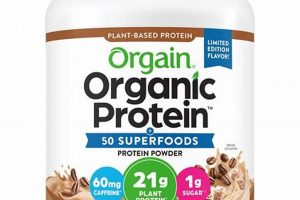
This culinary preparation involves combining rolled oats with plant-based milk, protein sources, and flavorings, allowing the mixture to soften and flavors to meld while refrigerated overnight. The result is a ready-to-eat breakfast option requiring no cooking. A typical example incorporates rolled oats, almond milk, chia seeds, plant-based protein powder, and berries, left overnight in a sealed container within a refrigerator.
This food choice offers several advantages, primarily concerning its nutritional profile and convenience. Its elevated protein content supports muscle repair and satiety, while the fiber from oats aids in digestive health. The overnight soaking process can improve digestibility and nutrient absorption. Historically, variations of soaked grains have been consumed across cultures, with the modern iteration catering to contemporary dietary preferences and time constraints.
The following sections will delve into specific protein sources suitable for this preparation, explore various flavor combinations, and provide guidance on optimizing the texture and nutritional value of this convenient meal option.
Optimizing Protein Intake in Plant-Based Overnight Oats
The subsequent recommendations aim to enhance the protein content and overall nutritional profile of overnight oats designed for individuals adhering to a vegan diet.
Tip 1: Select a High-Quality Plant Protein Powder: Opt for protein powders derived from sources such as pea protein, soy protein isolate, brown rice protein, or a blend of plant-based proteins. Prioritize products with a complete amino acid profile to ensure adequate protein synthesis.
Tip 2: Incorporate Chia Seeds or Flax Seeds: These seeds are rich in omega-3 fatty acids, fiber, and protein. Adding one to two tablespoons not only boosts the protein content but also enhances the texture and satiety of the oats.
Tip 3: Utilize Tofu or Edamame: Silken tofu can be blended into the oat mixture for a creamy texture and added protein. Edamame, either whole or shelled, can be incorporated for a boost of protein and fiber.
Tip 4: Add Nut Butters Strategically: Nut butters, such as almond butter, peanut butter, or cashew butter, contribute protein and healthy fats. However, be mindful of calorie density and portion sizes to maintain a balanced nutritional profile.
Tip 5: Employ Fortified Plant-Based Milk: Choose plant-based milk alternatives that are fortified with vitamins and minerals, including calcium and vitamin D. Opt for varieties with a higher protein content, such as soy milk or pea milk.
Tip 6: Consider Nutritional Yeast: This deactivated yeast provides a cheesy flavor and contributes B vitamins and protein. Sprinkle a tablespoon into the oat mixture for an added nutritional boost.
Tip 7: Optimize Protein Absorption: Consuming small amounts of protein throughout the day is generally more effective for muscle protein synthesis than consuming a large amount in a single meal. Consider incorporating this approach into meal planning.
By implementing these strategies, individuals can effectively elevate the protein content of their plant-based overnight oats, contributing to increased satiety, improved muscle recovery, and enhanced overall nutritional well-being.
The following section will explore recipe variations and flavor combinations that complement these protein-enhancing techniques.
1. Protein Sources

The selection of appropriate protein sources is paramount in formulating “high protein vegan overnight oats”. These sources not only define the protein content but also influence the taste, texture, and overall nutritional profile of the final product. Their careful consideration is essential to creating a balanced and palatable meal.
- Plant-Based Protein Powders
Protein powders derived from sources like pea, soy, brown rice, and hemp serve as concentrated protein additions. Their neutral flavor profiles make them versatile components, readily adaptable to various flavor combinations. However, the processing methods involved in creating these powders should be a consideration, as they can impact nutrient bioavailability.
- Seeds and Nuts
Chia seeds, flax seeds, and various nuts (almonds, walnuts, etc.) offer dual benefits. They contribute both protein and healthy fats, enhancing the satiety of the oats. Additionally, they introduce textural elements, such as crunchiness, that can improve the eating experience. However, their calorie density necessitates mindful portion control.
- Legumes and Soy Products
Silken tofu, edamame, and soy milk represent legume-derived protein options. Silken tofu provides a creamy texture and a subtle protein boost, while edamame offers both protein and fiber. Soy milk can be used as the liquid base for overnight oats, contributing a significant amount of protein. The digestibility and potential allergenic properties of soy should be considered.
- Grains and Pseudo-Grains
While rolled oats themselves provide a baseline level of protein, incorporating pseudo-grains like quinoa can further elevate the protein content. Quinoa possesses a complete amino acid profile, making it a valuable addition. However, the texture may require adjustment to ensure optimal palatability within the overnight oat matrix.
The strategic incorporation of these protein sources directly influences the nutritional adequacy and appeal of “high protein vegan overnight oats”. The choice should be guided by individual dietary needs, taste preferences, and tolerance to specific ingredients. A well-considered combination ensures a balanced and satisfying meal that aligns with both vegan principles and high protein goals.
2. Vegan Ingredients
The composition of “high protein vegan overnight oats” is fundamentally defined by its adherence to vegan dietary principles. The term “vegan ingredients” signifies the exclusion of all animal-derived products, necessitating the selection of plant-based alternatives to achieve the desired nutritional and textural characteristics.
- Plant-Based Milk Alternatives
Cow’s milk is replaced with options such as almond milk, soy milk, oat milk, or coconut milk. These alternatives provide the necessary liquid component for the overnight soaking process. The choice of milk impacts the overall protein content (soy milk generally offering a higher protein level) and flavor profile. Considerations include potential allergens (e.g., soy, nuts) and added sugar content.
- Protein-Rich Plant Sources
Ingredients such as chia seeds, flax seeds, hemp seeds, and plant-based protein powders (pea, brown rice, soy) serve as the primary protein contributors. These components are crucial for elevating the protein content to meet the “high protein” designation. The selection depends on the desired amino acid profile, texture, and potential digestive effects. For example, chia seeds add a gel-like consistency when soaked, while protein powders offer a concentrated protein boost.
- Sweeteners of Plant Origin
Refined sugar and honey, both often non-vegan, are substituted with sweeteners like maple syrup, agave nectar, or fruit purees. These alternatives provide sweetness and contribute to the overall flavor. The glycemic index of each sweetener should be considered to manage blood sugar levels. Fruit purees, such as mashed banana, also add fiber and nutrients.
- Fat Sources
Fat content, which is often found in animal products, must also be from plant sources. Ingredients such as nuts and seeds or nut butter serve dual roles, offering both protein and healthy fats. Avocado could also be used for creaminess and health benefits, but will also affect flavor. Portion control is necessary to manage calorie content.
The successful formulation of “high protein vegan overnight oats” hinges on the careful selection and combination of these vegan ingredients. Understanding the nutritional properties and functional characteristics of each component is essential for achieving a product that is both palatable and nutritionally balanced, adhering strictly to vegan dietary guidelines.
3. Preparation Method

The preparation method directly dictates the final characteristics of “high protein vegan overnight oats.” This method, fundamentally involving the overnight soaking of oats, plant-based milk, and protein sources, significantly impacts texture, digestibility, and flavor integration. For instance, utilizing rolled oats versus steel-cut oats alters the resulting texture; rolled oats yield a softer consistency due to their pre-processing, while steel-cut oats retain more chewiness. Furthermore, the inclusion of ingredients requiring hydration, such as chia seeds, necessitates adequate soaking time to achieve optimal gel formation and prevent a gritty texture. The duration of soaking also influences the breakdown of complex carbohydrates in oats, potentially enhancing digestibility for some individuals. A poorly executed preparation, such as insufficient soaking time, can result in a less palatable and potentially less digestible final product.
The order of ingredient incorporation also contributes to the final outcome. Adding protein powder directly to cold liquid can cause clumping, negatively impacting texture. Premixing the protein powder with a small amount of plant-based milk before adding it to the remaining ingredients can mitigate this issue. The timing of adding fruits or flavorings impacts flavor intensity; adding delicate fruits early in the soaking process may lead to disintegration, while adding them closer to consumption preserves their texture and flavor. Furthermore, the type of container used influences the soaking process; an airtight container prevents the oats from drying out and ensures even hydration. Utilizing preparation techniques that focus on maximizing ingredient interaction through optimal timing, order, and environment are essential for an appealing final product.
In summary, the preparation method is not merely a procedural step but an integral determinant of the quality of “high protein vegan overnight oats.” Adhering to best practices regarding soaking duration, ingredient incorporation, and storage conditions is crucial for achieving a desirable texture, enhanced digestibility, and optimal flavor integration. Understanding and applying these preparation principles allows for the consistent production of a nutritious and palatable meal.
4. Nutritional Value

The nutritional value of “high protein vegan overnight oats” is a primary driver of its consumption and perceived health benefits. The deliberate inclusion of high-protein vegan ingredients directly influences the macronutrient profile, contributing to increased satiety and supporting muscle protein synthesis. For example, a serving prepared with pea protein powder and chia seeds will exhibit a significantly higher protein content than a version utilizing only oats and almond milk. This augmented protein level can assist in weight management by reducing hunger and promoting a feeling of fullness for an extended period. The presence of oats contributes complex carbohydrates and dietary fiber, fostering gut health and regulating blood glucose levels. The addition of fruits, nuts, and seeds provides essential vitamins, minerals, and antioxidants, further enhancing its nutritional density. Therefore, neglecting to prioritize nutritionally dense components directly compromises the health benefits associated with this meal choice.
Specific examples highlight the practical applications of understanding and optimizing the nutritional value. Consider two individuals: one seeking to increase protein intake for muscle gain and another aiming to improve digestive health. The first individual might prioritize ingredients like soy protein isolate and pumpkin seeds, while the second might focus on incorporating flax seeds and berries to increase fiber and antioxidant intake. Moreover, understanding the glycemic index of added sweeteners allows for informed choices for individuals managing diabetes or insulin resistance. Failure to account for these individual needs and the inherent nutritional properties of each ingredient undermines the potential of “high protein vegan overnight oats” as a tailored and effective dietary tool.
In summary, the nutritional value is an inherent and critical component of “high protein vegan overnight oats,” directly impacting its efficacy in achieving various health goals. The careful selection and combination of ingredients, informed by a thorough understanding of their nutritional properties, are essential for maximizing the benefits of this meal option. Challenges arise in balancing macronutrient ratios, optimizing micronutrient intake, and addressing individual dietary needs, but a conscious and informed approach allows for the creation of a nutritionally superior and health-promoting food.
5. Flavor Profiles
Flavor profiles represent a crucial element in determining the palatability and long-term adherence to a diet incorporating “high protein vegan overnight oats”. The success of this meal option hinges not only on its nutritional composition but also on its ability to satisfy taste preferences. The absence of appealing flavor combinations directly correlates with decreased consumption and abandonment of this potentially beneficial dietary choice. For instance, a combination of unsweetened almond milk, plain protein powder, and unflavored oats may provide adequate nutrition but lacks the sensory appeal necessary for sustained integration into a daily routine. The inclusion of complementary flavors is, therefore, not merely an aesthetic consideration but a practical necessity for ensuring consistent consumption.
The development of diverse flavor profiles involves the strategic use of various ingredients. Fresh or frozen fruits contribute natural sweetness and acidity, balancing the potentially bland taste of oats and protein powder. Examples include berries, bananas, and diced apples. Spices, such as cinnamon, nutmeg, and ginger, add warmth and depth of flavor without significantly increasing caloric intake. Extracts, such as vanilla or almond extract, provide concentrated flavor notes. Additives like nut butters introduce richness and complexity. The careful selection and proportioning of these ingredients determine the overall flavor profile, allowing for the creation of options ranging from sweet and fruity to savory and nutty. The practical application involves experimentation with different combinations to identify palatable options that align with individual preferences and dietary needs. Consideration must be given to potential allergens and dietary restrictions when selecting flavor components.
In summary, flavor profiles are not merely an ancillary consideration but an integral aspect of “high protein vegan overnight oats”. Their influence extends beyond simple taste preference, directly impacting adherence and, consequently, the realization of nutritional benefits. Developing diverse and appealing flavor combinations requires careful selection and proportioning of ingredients, ensuring a balance between taste, nutrition, and dietary considerations. The ability to create palatable and satisfying flavor profiles is essential for the successful integration of this meal option into a sustainable and health-promoting dietary pattern.
6. Convenience Factor

The inherent convenience factor significantly contributes to the adoption and sustained consumption of high protein vegan overnight oats. Its ease of preparation and adaptability to various schedules make it a practical choice for individuals seeking nutritious meals without extensive time investment.
- Minimal Preparation Time
The primary appeal lies in the minimal active preparation time required. Combining ingredients in a container and refrigerating overnight necessitates only a few minutes, rendering it an attractive option for busy individuals. This contrasts sharply with breakfast options demanding immediate preparation each morning, such as cooking eggs or preparing smoothies.
- Portability and On-the-Go Consumption
Once prepared, overnight oats can be readily transported, facilitating consumption at locations beyond the home. This attribute is particularly valuable for individuals with demanding work schedules or frequent travel. Placing the prepared oats in a sealed container allows for consumption at the office, gym, or during transit, eliminating the need for on-site food preparation.
- Advance Meal Preparation and Time Savings
The preparation method allows for batch production, enabling individuals to prepare multiple servings in advance. This strategy maximizes time savings and streamlines meal planning. Preparing several containers of overnight oats on a Sunday evening ensures readily available breakfasts throughout the week, reducing the daily cognitive load associated with food choices.
- Adaptability to Dietary Restrictions and Preferences
The simplicity of the preparation method facilitates customization to accommodate various dietary restrictions and individual preferences. Individuals can readily substitute ingredients to address allergies, intolerances, or specific taste profiles. This adaptability enhances the likelihood of sustained consumption, as individuals can tailor the recipe to align with their unique needs and preferences.
These facets of convenience collectively underscore the appeal of high protein vegan overnight oats. Its minimal preparation time, portability, potential for advance meal preparation, and adaptability to dietary restrictions contribute to its practicality and enhance its integration into diverse lifestyles. The convenience factor, therefore, functions as a primary driver of its adoption and long-term consumption.
Frequently Asked Questions
The following questions address common inquiries and misconceptions concerning high protein vegan overnight oats, offering concise and informative answers to guide individuals in their preparation and consumption.
Question 1: What constitutes a “high protein” content in vegan overnight oats?
A “high protein” designation generally refers to a serving containing at least 20 grams of protein. This threshold aims to provide a substantial contribution towards daily protein requirements, supporting satiety and muscle maintenance.
Question 2: What are the most effective plant-based protein sources for enhancing overnight oats?
Effective protein sources include pea protein isolate, soy protein isolate, chia seeds, flax seeds, and hemp seeds. The selection depends on individual dietary needs, taste preferences, and potential allergenic considerations.
Question 3: Can overnight oats be prepared in advance for several days?
Overnight oats can typically be safely stored in the refrigerator for up to five days. Proper storage in an airtight container is essential to maintain quality and prevent bacterial contamination.
Question 4: How does the choice of plant-based milk impact the nutritional profile?
The type of plant-based milk significantly influences both protein and micronutrient content. Soy milk generally offers a higher protein level compared to almond or rice milk. Fortification with vitamins and minerals, such as calcium and vitamin D, also varies among different brands and types.
Question 5: What can be done to prevent a gritty texture in overnight oats?
A gritty texture often results from insufficient soaking time or the improper hydration of ingredients like chia seeds. Ensuring adequate soaking (at least five hours) and thoroughly mixing ingredients is crucial. Additionally, the quality of the oats themselves can influence the final texture.
Question 6: Is it necessary to add sweetener to overnight oats?
The addition of sweetener is optional and dependent on individual taste preferences. If sweetener is desired, natural options such as maple syrup, agave nectar, or fruit purees are recommended. Moderation is advised to minimize added sugar intake.
In summary, high protein vegan overnight oats represent a customizable and convenient meal option that can be optimized to meet individual nutritional needs and taste preferences. The strategic selection of ingredients and adherence to proper preparation techniques are essential for maximizing its benefits.
The subsequent section will delve into specific recipe examples and variations, providing practical guidance for incorporating this meal option into a balanced diet.
Conclusion
The preceding exploration of “high protein vegan overnight oats” elucidates its multifaceted nature, extending beyond a mere recipe. It functions as a customizable dietary strategy capable of addressing diverse nutritional needs and preferences. The careful selection of plant-based protein sources, mindful attention to vegan ingredients, and adherence to proper preparation techniques are paramount in maximizing its health benefits. The adaptability of flavor profiles and the inherent convenience factor contribute to its potential for long-term dietary integration.
The information presented serves as a foundation for informed decision-making regarding this meal option. Continued exploration and refinement of preparation methods, coupled with a heightened awareness of individual dietary requirements, will further optimize the role of “high protein vegan overnight oats” in supporting overall health and well-being. Independent research and consultation with qualified nutrition professionals are encouraged.